Sep15
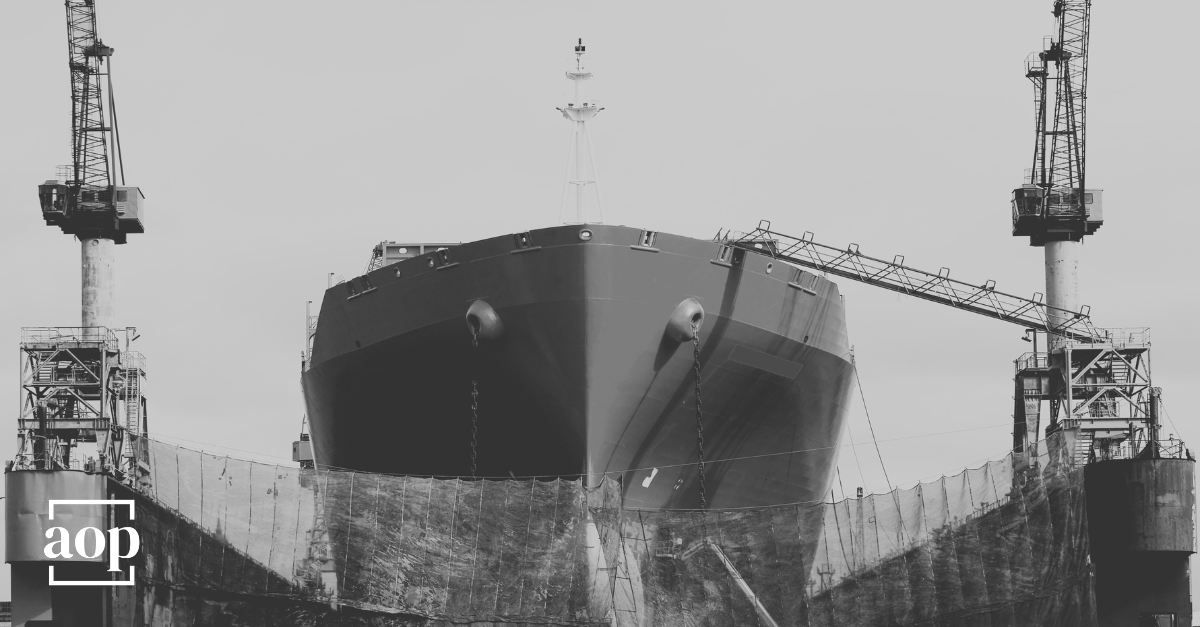
In April, President Trump signed an Executive Order titled Restoring America’s Maritime Dominance. The EO is aimed at reducing U.S. dependence on foreign-built ships. Because this is a matter of national security, federal agencies must deliver a Maritime Action Plan by November 5, 2025.
The scale of the challenge is stark. According to the U.S. Navy’s own data, China has 232 times America’s shipbuilding capacity. In 2024, China built over 1,000 commercial vessels, while the U.S. produced just eight. China also manufactures 80% of ship-to-shore cranes and 96% of shipping containers used in the U.S., while domestic production of both sits at zero.
Shipbuilding is capital-intensive, and America’s labor shortages and slow procurement process will make recovery difficult. As the saying goes, “Having a friend with a boat is better than owning a boat.” Reliance on others has left the U.S. vulnerable both militarily and commercially - it is no longer enough to have a friend with a boat.
China’s edge stems in part from their Military-Civil Fusion strategy. This approach integrates civilian and defense shipyards to accelerate and optimize the output of both markets. As the Center for Strategic & International Studies (CSIS) noted, “This expansion is largely facilitated by China’s extensive network of dual-use shipyards, which simultaneously produce both commercial vessels and advanced warships.”
China is able to share costs, spread technology, and sustain growth across both sectors. By contrast, the U.S. has struggled to attract private capital into military shipbuilding, though some see future potential in such public-private partnerships.
Meanwhile, Beijing is consolidating their capabilities. In August, two state-owned giants merged to form the China State Shipbuilding Corporation (CSSC) in a $16 billion deal. They immediately controlled 17% of global market share. According to CSIS, “China’s largest state-owned shipbuilder built more commercial vessels by tonnage in 2024 than the entire U.S. shipbuilding industry has built since the end of World War II.”
Both parties in Washington agree the gap is a problem. Whether that consensus is enough to narrow it remains to be seen, but our supply chains have no time to lose.
By Kelly Barner
Keywords: Risk Management, Supply Chain, Transportation
 AI Is Exposing the Data Problems Humans Used to Hide
 "The AI may in fact be conscious." Really?
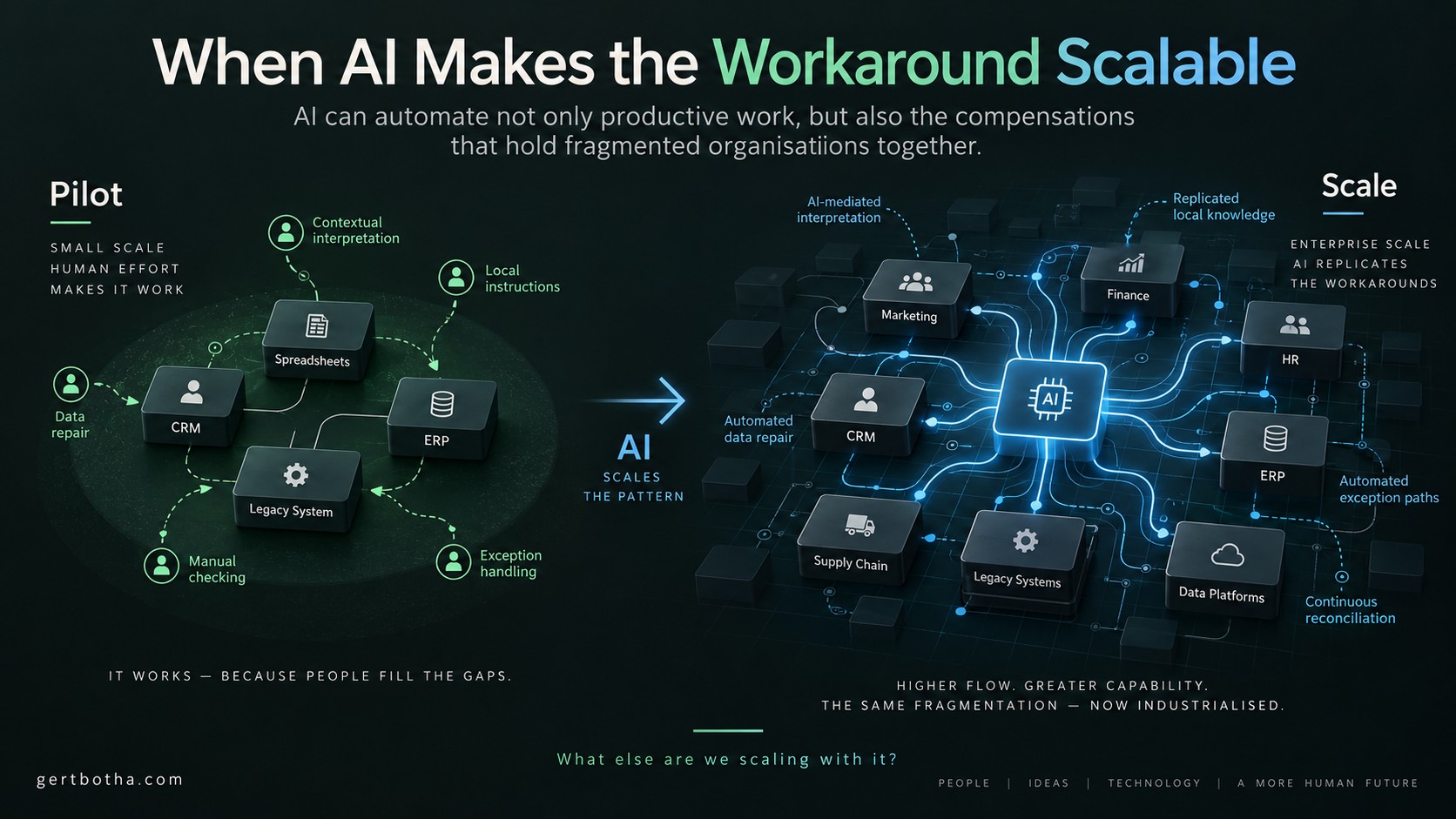 When AI Makes the Workaround Scalable
 The Age of Continuous Shocks: Why the coming downturn will be decided in your supply chain
 Friday’s Leader Reflection Quote – Saeculum Leadership Leaders Accept Decisions Create Responsibilities