


Kelly Barner is a prolific writer and a highly visible thought leader with extensive experience creating live, pre-recorded, audio, and video content. In 2021, Kelly was selected as a member of the inaugural class of LinkedIn’s Creator Accelerator program, beating out thousands of other creators to earn one of 100 coveted spots.
Beyond being a creator, Kelly is an avid reader - partially for the joy of adding to her knowledge base but also because being informed on a wide range of topics is the best way to have engaging conversations with executive leaders. Natural, authentic conversations are the best source of raw material.
Available For: Authoring, Influencing
Travels From: Boston, MA
| Kelly Barner | Points |
|---|---|
| Academic | 0 |
| Author | 2550 |
| Influencer | 364 |
| Speaker | 48 |
| Entrepreneur | 51 |
| Analyst | 0 |
| Total | 3013 |
Points based upon Thinkers360 patent-pending algorithm.

 How a Former Karaoke Machine Manufacturer Shook the Freight Market
Tags: AI, Supply Chain
 Scrapping the Ocean Fleet
Tags: Risk Management, Supply Chain, Transportation
 When Enforcement Becomes a Freight Capacity Lever
Tags: Supply Chain, Transportation
 The Proposed Coast-to-Coast Railroad Causing a National Debate
Tags: Mergers and Acquisitions, Supply Chain, Transportation
 Maersk Dips a Toe in the Suez Canal
Tags: Risk Management, Supply Chain, Transportation
 $400,000 Lobster Logistics Loss
Tags: Risk Management, Supply Chain
 2025 Year-End Supply Chain and Supply Market Research Resource Trends Review
Tags: Procurement, Risk Management, Supply Chain
 Safety Takes a Back Seat in Entry Level Driver Training
Tags: Risk Management, Supply Chain, Transportation
 OceanGate and the Supply Base Behind the TITAN
Tags: Engineering, Procurement, Supply Chain
 Creative Destruction: Calculating The Cost of Progress and Innovation
Tags: Entrepreneurship, Innovation, Transformation
 Politics, Policy, and the Price of Semiconductor Progress
Tags: Manufacturing, Risk Management, Supply Chain
 Hard Math: Cattle Costs v. Quarter Pounder Prices
Tags: Legal and IP, Procurement, Supply Chain
Tags: Procurement, Risk Management, Supply Chain
 Supply Market Information & Research 2023
Tags: Generative AI, Procurement, Supply Chain
 Coke's Supply Chain Is the Real Thing
Tags: Risk Management, Supply Chain, Sustainability
 Why Bed Bath & Beyond’s supply chain wasn’t on Target
Tags: Procurement, Risk Management, Supply Chain
 Can LEGO go green?
Tags: CSR, Supply Chain, Sustainability
 The LEGO Sustainability Saga
Tags: CSR, Supply Chain, Sustainability
 J. M. Smucker Can Have Their Cake and Eat It Too
Tags: Mergers and Acquisitions, Procurement, Supply Chain
 Ideas = Innovation
Tags: Procurement, Risk Management, Supply Chain
 Monopoly: Not Illegal to Have, Just Illegal to Keep
Tags: Legal and IP, Procurement
 The Opportunity and Challenge of Services Procurement
Tags: Procurement
 Hershey's Sweet Supply Chain Success
Tags: Business Continuity, Digital Transformation, Supply Chain
 Resilience, Circularity, and Positive Work Environments
Tags: Supply Chain, Procurement
 The Cold, Hard Facts About Cold Chain Logistics
Tags: Procurement, Supply Chain
 Your Next Supply Chain Disruption Is Already in the BOM
Tags: Procurement, Risk Management, Supply Chain
 Spoofing Ships in the Strait of Hormuz
Tags: Procurement, Risk Management, Supply Chain
 Old Ideas, Enduring Truths: Adam Smith at 250
Tags: Procurement, Risk Management, Supply Chain
 Five Supply Chain Predictions (With Zero Guarantees)
Tags: Procurement, Supply Chain
 Gig Drivers, Union Tensions, and the UPS Business Model
Tags: Procurement, Supply Chain, Economics
 Safety Takes a Back Seat in Entry Level Driver Training
Tags: Procurement, Risk Management, Supply Chain
 Deploying Strategic Curiosity in Heavy Logistics
Tags: Construction, Supply Chain, Transportation
 Intermodal at the Intersection of Industry, Government, and Trade
Tags: Supply Chain, Transportation
 Dependence and Diversification: Inside the Soybean Standoff
Tags: International Relations, Supply Chain
 Kodiak’s $2.5B Bet: The Business Model Behind Driverless Trucking
Tags: Autonomous Vehicles, Supply Chain, Transportation
 Could 3D printing be the future of reshoring?
Tags: Agentic AI, Manufacturing, Supply Chain
 How a Trade Mission Fueled a Trucking Firestorm
Tags: International Relations, Supply Chain, Transportation
 Target Backs Off ‘Stores as Hubs’ Fulfillment
Tags: Business Strategy, Retail, Supply Chain
 The Hidden Costs and Dangers of CDL Fraud
Tags: Supply Chain, Transportation
 Carrots, Sticks, and the Future of the Apple iPhone
Tags: Manufacturing, Supply Chain
 Cargo Theft Averages One Truckload per Hour in the U.S.
Tags: Digital Transformation, Risk Management, Supply Chain
 China Built 1,000 Ships Last Year. The U.S. Built 8.
Tags: National Security, Procurement, Supply Chain
 The GSA Declares War on Gobbledegook
Tags: Procurement
 When Your Supply Chain Becomes a Bowl of Spaghetti
Tags: Procurement, Risk Management, Supply Chain
 When the Last Inch Matters Most: Lessons in Hospitality and Leadership
Tags: Customer Experience, Procurement, Supply Chain
 Rethinking Product Differentiation in a Commoditized World
Tags: AI, Procurement, Supply Chain
 Legacy in Motion: FedEx Founder Fred Smith (1944 - 2025)
Tags: Innovation, Supply Chain, Transportation
 Network Security in Transportation and Logistics: Simpler, Smarter, and More Secure
Tags: Cybersecurity, Supply Chain, Transportation
 California: If We Can’t Ban the Truck, We’ll Bill the Warehouse
Tags: Supply Chain, Sustainability, Transportation
 Million-Dollar Services Procurement Loophole
Tags: Procurement, Supply Chain
 Finance Unleashed
Tags: Digital Transformation, FinTech, Supply Chain
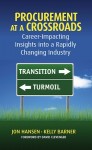 Procurement at a Crossroads
Tags: Digital Transformation, Supply Chain, Procurement
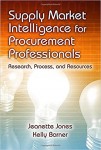 Supply Market Intelligence for Procurement Professionals
Tags: Supply Chain, Procurement
 Your Leadership Legacy: Becoming the Leader You Were Meant to Be
Tags: Coaching, Leadership, Management
 Making the Case for Sourcing Optimization
Tags: Analytics, Procurement, Supply Chain
 Dive deeper into Procurement Data Ecosystems
Tags: Analytics, Digital Transformation, Procurement
 General Manager
Tags: Procurement
 Palambridge
Tags: Procurement
 Buyers Meeting Point
Tags: Entrepreneurship, Procurement, Supply Chain
 LinkedIn Podcast Network
Tags: Innovation, Procurement, Supply Chain
Tags: Supply Chain
 Top 7 Inspiring Women B2B Influencers to Follow in 2021
Tags: Diversity and Inclusion
 Top 5 Procurement Influencers
Tags: Leadership, Procurement, Supply Chain
 Dream Big Global 2020
Tags: Procurement, Leadership, Business Strategy
Tags: Careers
 The PinLeader podcast with Dr. Shanda Gore
Tags: Leadership, Procurement, Supply Chain
 What Procurement Really Wants: 6 Ways Sales Leaders Can Win Strategic Deals
Tags: Coaching, Procurement, Sales
Tags: Leadership, Procurement, Supply Chain
 According to the Next Gen Rebels, this is what Procurement will look like in 2024
Tags: Procurement, Risk Management, Supply Chain
 Dial P for Procurement / Kelly Barner / Podcaster and fellow CAP member
Tags: Procurement, Supply Chain, Sustainability
 Learning from Leading Experts: Kelly Barner
Tags: Diversity and Inclusion, Procurement, Supply Chain
 Opportunities for procurement in uncertain times
Tags: Procurement, Risk Management, Supply Chain
 The Procurement Show Meets Kelly Barner
Tags: Procurement, Risk Management, Supply Chain
 The ProcureTech Podcast: The View on Tech from Both Sides
Tags: Innovation, Procurement, Supply Chain
 Boeing Australia Uses Relational Contracting With Indigenous Businesses
Tags: Diversity and Inclusion, Procurement, Supply Chain
 eCommerce Master Plan Episode 400: Supply Chain Crisis – Solved
Tags: Procurement, Risk Management, Supply Chain
 Learning to Hang in There: Walking an Unexpected Professional Path with Kelly Barner
Tags: Diversity and Inclusion, Procurement, Supply Chain
 Accelerating the Conversation About #SupplierDiversity w/ Kelly Barner
Tags: Diversity and Inclusion, Procurement, Supply Chain
 The Strategic Importance of SLM – From Tadpole to Frog
Tags: Procurement, Supply Chain
 An Interview on Learnings From Podcasting on Supply Chain and Procurement with Kelly Barner
Tags: Customer Experience, Procurement, Supply Chain
 SAP #SAPPHIRENOW Procurement and Supply Chain After Party
Tags: Business Strategy, Procurement, Supply Chain
 TEKTOK Digital Supply Chain Podcast: The Bounce Back Begins
Tags: Digital Transformation, Procurement, Supply Chain
 Communicating procurement's value for better relationships, results and business impact
Tags: Digital Transformation, Procurement, Risk Management
 Unmuted: 600 Down with Supply Chain Now
Tags: Supply Chain, Procurement, Business Strategy
 A Celebration of International Women's Day 2021
Tags: Diversity and Inclusion, Entrepreneurship, Leadership
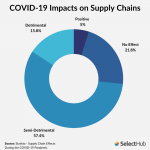 Supply Chain Trends and the Future of SCM in 2021
Tags: Business Continuity, COVID19, Supply Chain
 The Sourcing Hero podcast episode 14: Embracing a Big Picture Mindset featuring Kelly Barner
Tags: Digital Transformation, Procurement, Supply Chain
 The Brave New World of Procurement: Kelly Barner Shares Insights From 2020 & What's New in '21
Tags: Business Strategy, Procurement, Supply Chain
 Procurement Priorities & Challenges: Kelly Barner with Buyers Meeting Point
Tags: COVID19, Procurement, Supply Chain
Tags: CSR, Healthcare, Supply Chain
 The 5 Most Expensive Mistakes AP Can Make – And How To Avoid Them
Tags: Digital Disruption, Management, Procurement
 Automation Deployment And Change Management Best Practices
Tags: FinTech, Procurement, Change Management
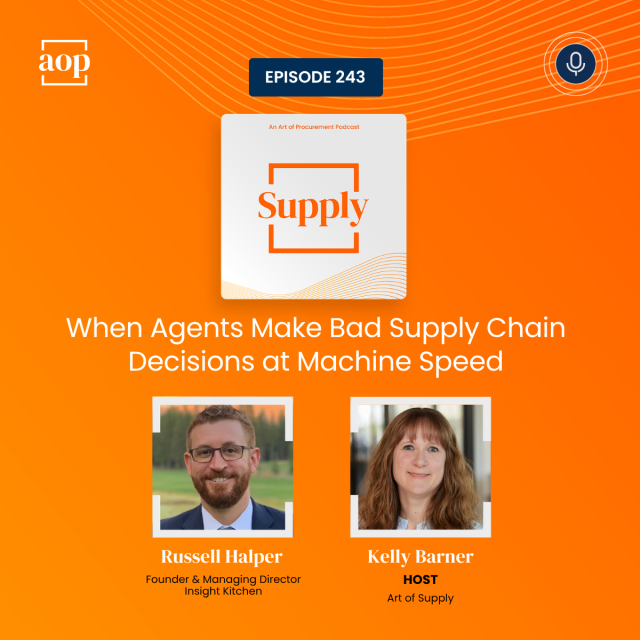 When Agents Make Bad Supply Chain Decisions at Machine Speed
Tags: AI, Supply Chain
 Who Moved My Beer? Inside the Pabst Blue Ribbon Cargo Theft
Tags: Risk Management, Supply Chain
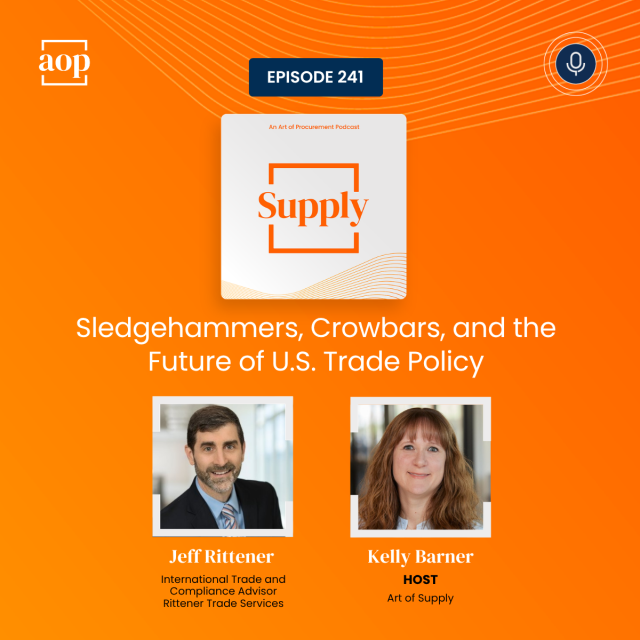 Sledgehammers, Crowbars, and the Future of U.S. Trade Policy
Tags: Supply Chain
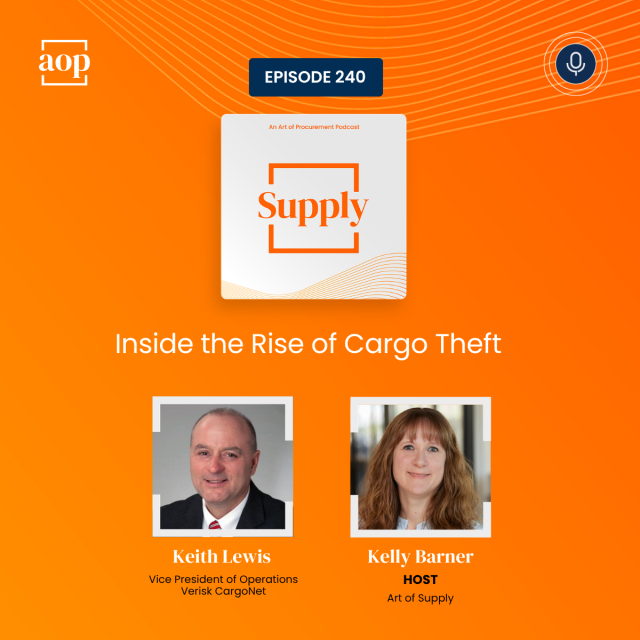 Inside the Rise of Cargo Theft
Tags: Risk Management, Supply Chain
 Detroit can build it, but can Detroit source it?
Tags: Manufacturing, Supply Chain
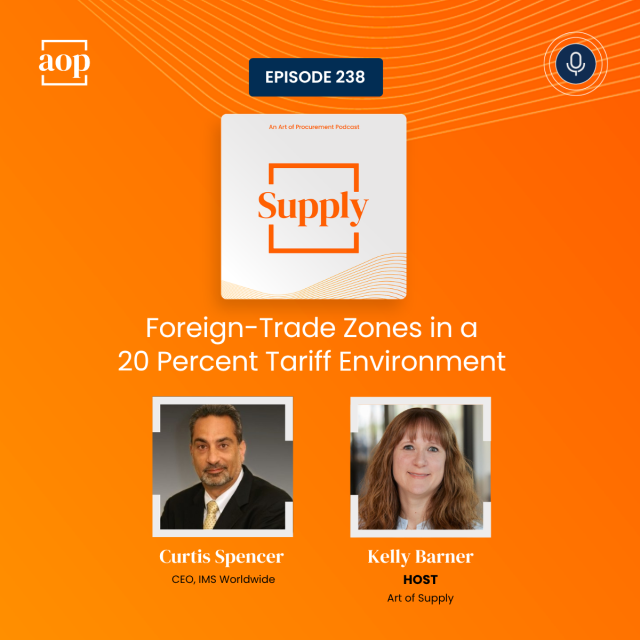 Foreign-Trade Zones in a 20 Percent Tariff Environment
Tags: Risk Management, Supply Chain
 The $604 Million Freight Broker Liability Verdict
Tags: Legal and IP, Risk Management, Supply Chain
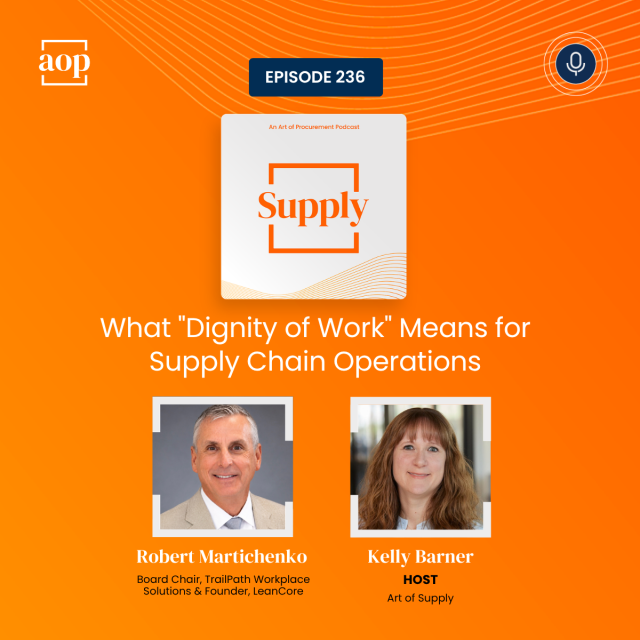 What "Dignity of Work" Means for Supply Chain Operations
Tags: Culture, Management, Supply Chain
 The $285,000 Electric Truck Nobody Can Find
Tags: Startups, Supply Chain
 CMA CGM and FedEx Supply Chain: The Deal Behind the Deal
Tags: Supply Chain
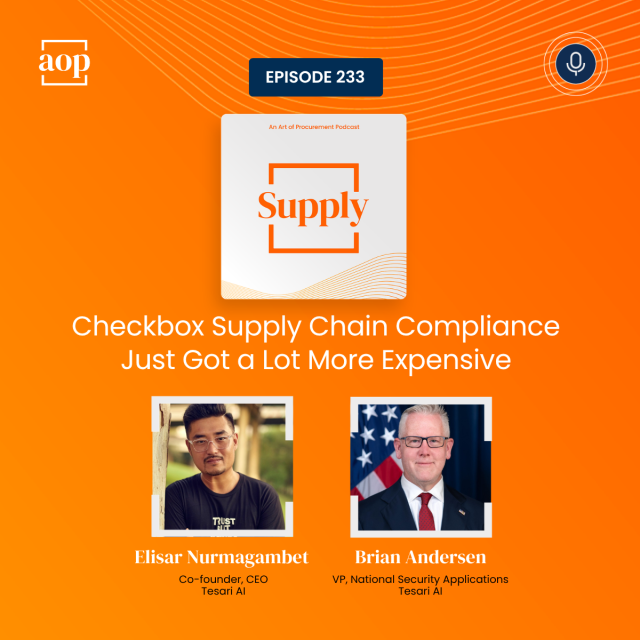 Checkbox Supply Chain Compliance Just Got a Lot More Expensive
Tags: National Security, Risk Management, Supply Chain
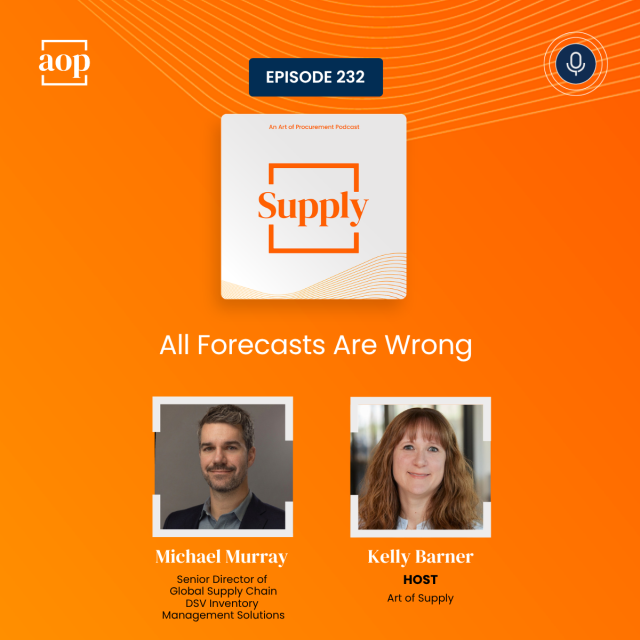 All Forecasts are Wrong with Michael Murray, Senior Director of Global Supply Chain at DSV Global
Tags: Procurement, Risk Management, Supply Chain
 182,000 Pounds of Nectarines Too Valuable to Sell
Tags: Legal and IP, Risk Management, Supply Chain
 Stablecoins Have Their Moment in the Real Economy
Tags: Emerging Technology, Supply Chain
 3 Questions We Can’t Answer About Amazon LTL
Tags: Customer Experience, Supply Chain, Transportation
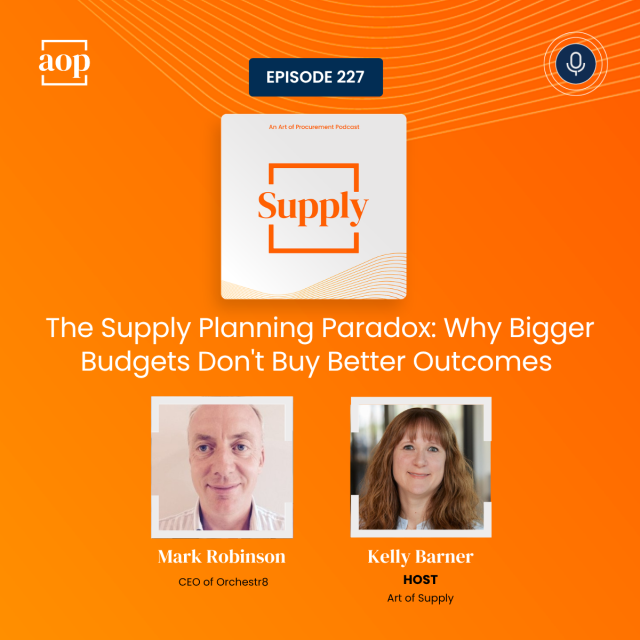 The Supply Planning Paradox: Why Bigger Budgets Don't Buy Better Outcomes
Tags: AI, Procurement, Supply Chain
 Too big to merge? Union Pacific and Norfolk Southern Try Again
Tags: Mergers and Acquisitions, Supply Chain, Transportation
 FedEx Freight's Independence Day
Tags: Supply Chain
 Red Lobster’s Comeback Gamble
Tags: Customer Experience, Management, Supply Chain
 Consumption Challenges at Boston Beer Company
Tags: Procurement, Risk Management, Supply Chain
 Social Value as Strategy in Public Sector Procurement
Tags: CSR, Procurement, Sustainability
 Pricing the Last Mile: Amazon, USPS, and the Fight for Profitability
Tags: Procurement, Supply Chain
 UPS Picks Profitability Over Volume, and The Teamsters Push Back
Tags: Supply Chain
 Everyone Has a Role in Growing the Value Chain
Tags: Procurement, Supply Chain
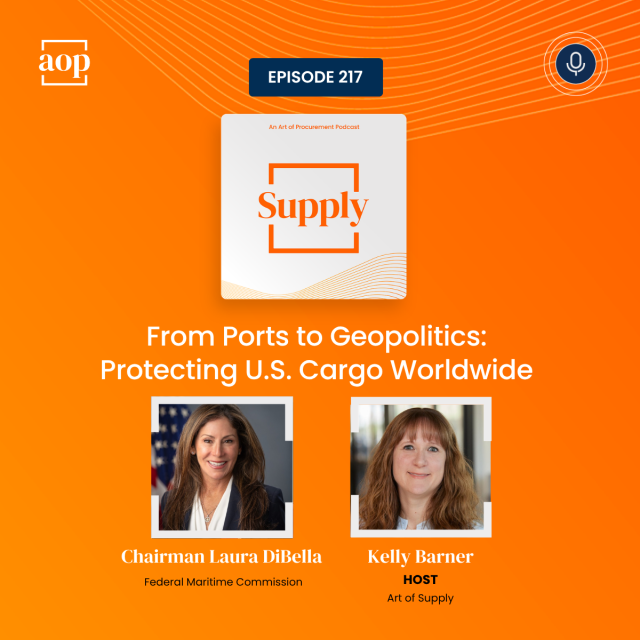 From Ports to Geopolitics: Protecting U.S. Cargo Worldwide
Tags: International Relations, Risk Management, Supply Chain
 LinkedIn Creator Accelerator Program
Tags: Diversity and Inclusion, Procurement, Supply Chain
Tags: Supply Chain, Procurement
 Aligning Intent And Investment To Build (The Right) Procurement Capabilities
Tags: Digital Transformation, Leadership, Procurement
 SIL Podcast: High-Stakes Procurement w/ Kelly Barner
Tags: Digital Transformation, Procurement, Supply Chain
 Negotiating for the Unknown: Buying Emerging Technologies
Tags: AI, Emerging Technology, Procurement
 AOP Introducing... SimpliContract
Tags: AI, Digital Transformation, Procurement
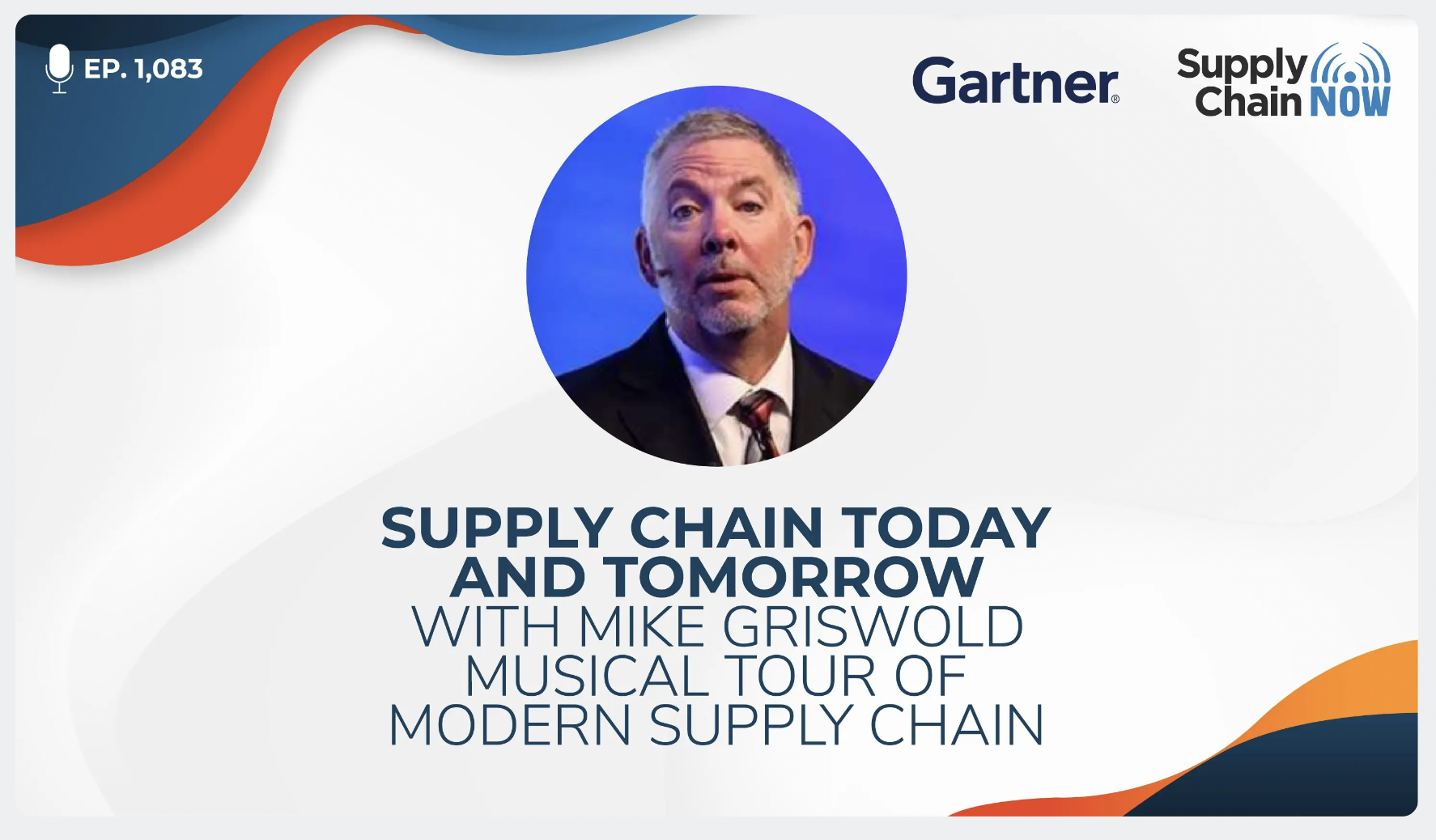 Supply Chain Today and Tomorrow with Mike Griswold: Musical Tour of Modern Supply Chain
Tags: Procurement, Risk Management, Supply Chain
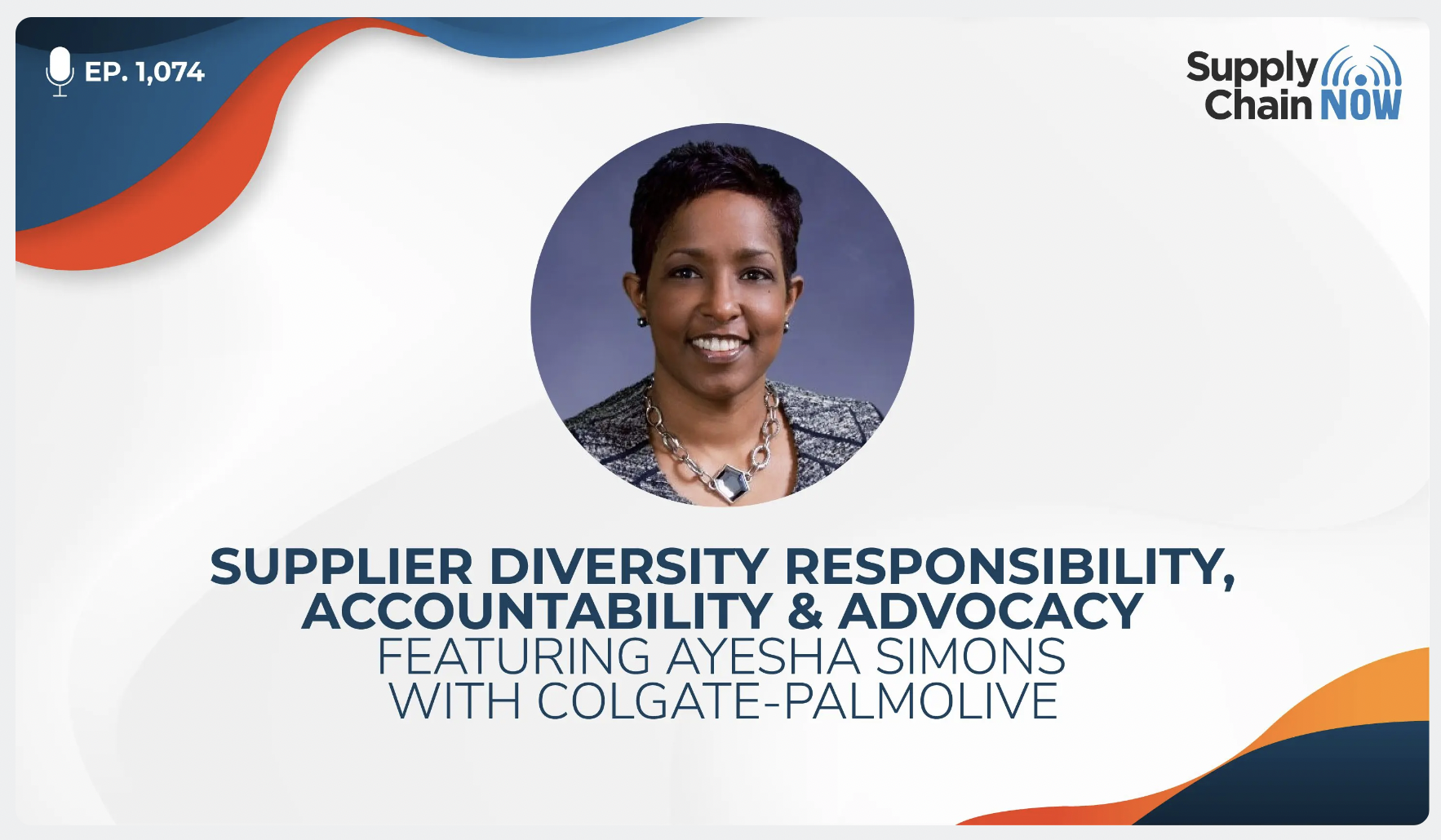 Supplier Diversity Responsibility, Accountability & Advocacy featuring Ayesha Simons with Colgate-Palmolive
Tags: Diversity and Inclusion, Procurement, Supply Chain
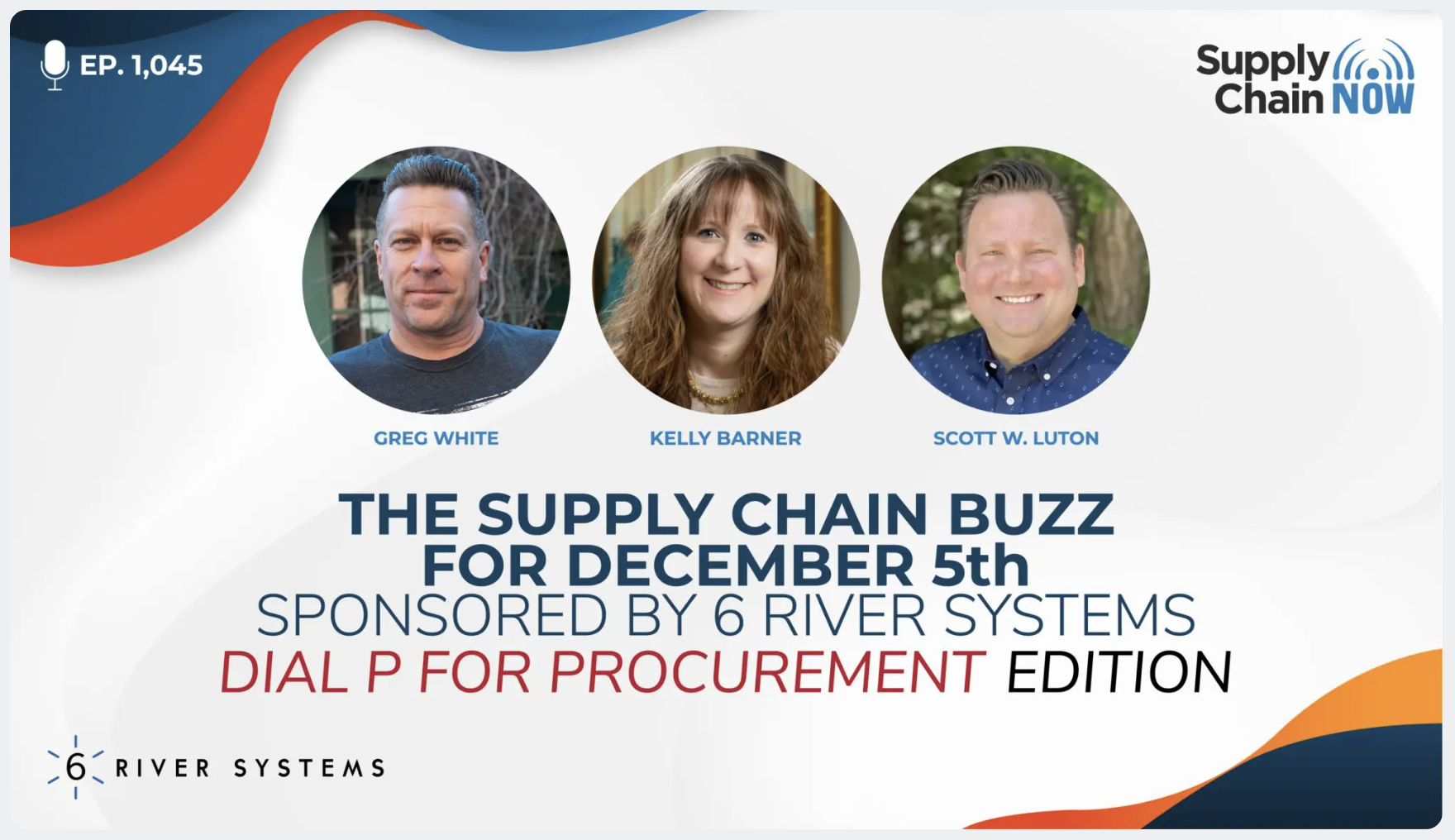 The Supply Chain Buzz for December 5, 2022
Tags: Procurement, Supply Chain
 Delivering on the Promise of Procurement with Industry Veteran Len DeCandia
Tags: Procurement, Risk Management, Supply Chain
 Managing Pfizer’s Final Mile: Patients, featuring Jim Cafone from Pfizer
Tags: COVID19, Procurement, Supply Chain
 The Supply Chain Buzz for August 1st: Dial P for Procurement Edition
Tags: Procurement, Risk Management, Sustainability
 The Supply Chain Buzz for June 6th Featuring Mike Griswold with Gartner
Tags: Risk Management, Supply Chain, Sustainability
 The Supply Chain Buzz for May 9th with Greg White and Kelly Barner
Tags: Metaverse, Procurement, Supply Chain
 Preparing for the Uyghur Forced Labor Prevention Act and Regulations Featuring Constantine Limberakis with riskmethods
Tags: Procurement, Risk Management, Supply Chain
 Looking at Risk Up Close, an Interview with Ukrainian Procurement Professional Maryna Trepova
Tags: Procurement, Risk Management, Supply Chain
 Boots on the Ground in Shanghai, China feat. Jeffrey Goldstein, President of ONWARD Global
Tags: Procurement, Supply Chain, Sustainability
Tags: Procurement, Risk Management, Supply Chain
Tags: Diversity and Inclusion, Procurement, Supply Chain
 Key Takeaways from the Gartner Supply Chain Symposium/Xpo 2021 - EMEA
Tags: Procurement, Supply Chain, Sustainability
 P is Also for Payments and (Credit Card) Processing with Jim Luff and Kris Lance
Tags: Management, Procurement, Supply Chain
 Thursday Futures – The Future of Digital Business with Kelly and Kevin, Featuring Joshua Miller with Fund Black Tech
Tags: Diversity and Inclusion, Procurement, Supply Chain
 Delivering an Experience that Builds Strong Relationships
Tags: Customer Experience, Procurement, Supply Chain
 Move Faster, Save More, and Look Better Doing It! With Anthony Clervi and Kris Lance from Una
Tags: Procurement, Sales, Supply Chain
 Where Supply Chain, Logistics, and the Fine Art World Collide
Tags: Procurement, Supply Chain
 The North Face Dilemma – What is your supply chain made of?
Tags: Procurement, Public Relations, Supply Chain
 Dial P for Procurement: The Intersection of International Culture and Talent in Procurement
Tags: Diversity and Inclusion, Procurement, Supply Chain
 Collaborating with Suppliers Through Challenging Times
Tags: Business Continuity, Procurement, Supply Chain
 Approaching Procurement with a Growth Mindset - A Dial P for Procurement Interview
Tags: Leadership, Procurement, Supply Chain
 Telling a Human Story About Digital Procurement Transformation
Tags: Digital Transformation, Procurement, Supply Chain
Tags: Procurement, Risk Management, Supply Chain

Tags: Supply Chain, Procurement, Leadership
 Sourcing in 2022: Juggling Disruptions, Sustainability & Modernization
Tags: Sustainability, Procurement, Leadership
 Introducing Dial P for Procurement
Tags: Business Continuity, Procurement, Supply Chain
 Cost Containment - Even More Important in a Post Covid World
Tags: Supply Chain, Procurement, COVID19
Tags: Supply Chain, Procurement, COVID19
Tags: Supply Chain, Procurement, Management
 The Road to a Successful Compliance Technology Purchase
Tags: Management, Procurement, Risk Management
 Procurement and supply chain: Today's most crucial coalition
Tags: Procurement, Risk Management, Supply Chain
 Recommended Procurement Webinars Nov 9-13: Valuable Supplier Relationships, Seismic Change, S2P Digital Transformation
Tags: Digital Transformation, Management, COVID19
 Recommended Procurement Webinars Nov 2-6: Mid-market Digital Transformation, Industries in 2021, and Supply
Tags: Digital Transformation, Supply Chain, Procurement
 Recommended Procurement Webinars Oct 19-23: Third Party Risk, Lasting Supplier Diversity, Resilience v. Immunity
Tags: Procurement, Risk Management, Diversity and Inclusion
 Recommended Webinars September 14-18: Post-Crisis Procurement, Customer-Driven Digitalization, Food Supply
Tags: Digital Transformation, Supply Chain, Procurement
 Recommended Webinars September 7-11: AI for Contract Analytics and Chasing Tail Spend
Tags: Emerging Technology, Supply Chain, Procurement
 Recommended Procurement Webinars June 15-19: Best Practices for Uncertain Times, Increased Resilience, Flattening the Cost Curve
Tags: Procurement
 Recommended Webinars June 8-12: Outlook 2000, Resilient Companies, and Aligned Procurement
Tags: Supply Chain, Procurement
 Recommended Webinars June 1-5: Managing Supplier Risk and Embracing Automation
Tags: Supply Chain, Procurement, RPA
 Recommended Webinars May 25-29: Collaborate to Win, Manufacturing Resilience, and Virtual Procurement
Tags: Innovation, Supply Chain, Procurement
 Recommended Procurement Webinars May 18-22: Risk, Resiliency, and Agility
Tags: Procurement, Agile, Risk Management
 Recommended Procurement Webinars April 27-May 1: A Crucial Coalition, Unlocking Strategic Value, CPO Rising 2020
Tags: Procurement
 Category Management: Overcoming Barriers to Sources of Value and Innovation in Your Supply Base
Tags: Digital Transformation, Procurement, Supply Chain
 The Procurement AI Gameplan Workbook
Tags: AI, Digital Transformation, Procurement
 Boosting Supplier Performance with 360° Information
Tags: Big Data, Digital Transformation, Procurement































Date : October 25, 2024
Date : October 25, 2023
Date : October 18, 2021
Date : September 29, 2020
Date : September 25, 2020
 Two Clocks, One Truck: The Army's Need for Speed Meets New Defense Sourcing Rules
A rule can take effect on a specific date. A supply chain can't. That mismatch sits at the center of the U.S. Army's latest bet on Detroit.
On July 20th, President Trump signed Executive Order 14415, making it dramatically harder for defense contractors to buy critical materials from China, Russia, Iran, and North Korea. Seven days later, the Army announced prototype contracts for a new heavy infantry squad vehicle, the ISV-H, awarded to GM Defense, Ford, and a Utah manufacturer called BC Customs.
These vehicles won't be clean-sheet designs. GM's version is derived from its Chevrolet Silverado HD, and Ford is adapting its F-Series Super Duty. That is the premise of the entire program: the Pentagon wants to buy a truck Detroit already builds, on the theory that commercial industry can deliver faster and more affordably than the traditional defense industrial base.
The conversations go back to April, when Pentagon officials met with senior Ford and GM executives to discuss whether the auto industry could help the military acquire vehicles, munitions, or other hardware more quickly. U.S. stockpiles have been drawn down by the war in Iran and continued support for Ukraine. Retired Army Major General John Ferrari, now at the American Enterprise Institute, put it succinctly: "We are on borrowed time."
Speed is the whole value of the trade, but the new executive order may also slow things down.
Defense contractors have long been restricted from sourcing certain materials from adversary nations, including samarium-cobalt magnets, tungsten metal powder, tungsten heavy alloy, and tantalum. In the past, when no compliant supplier existed, a nonavailability waiver allowed them to buy the restricted material anyway. Starting January 1, 2027, waivers will only be granted with an accepted mitigation plan that names the noncompliant source, documents exhaustive efforts to find a compliant alternative, and commits to a strict timeline for removing the material from the supply chain. White House adviser Peter Navarro described the change as the end of companies claiming they had "tried nothing" before asking for an exception.
By January 16, 2027, the Department of War must also require prime contractors and subcontractors at every tier to submit an indentured bill of materials tracing each component back to its raw-material origin. Every supplier in that chain must be vetted for financial risk, foreign ownership, and manufacturing risk.
Supply chain experts are skeptical about the timeline. Christopher Tang, distinguished professor emeritus of supply chains at UCLA, says the order puts many companies "in a bind." The required due diligence is difficult, and older technologies can be resourced much faster than state-of-the-art components, which rely more heavily on Chinese suppliers. He expects the defense industry will need an extension. Brandon Barry, CEO of Detroit-based vehicle cybersecurity firm Block Harbor, describes tracing a part's true country of origin as a messy process, even with purpose-built tools. The Aerospace Industries Association supports the goal but warned that "this Executive Order will impede reaching these goals."
GM says GM Defense complies with all applicable laws and Pentagon supply chain requirements. Ford says it is still reviewing the order to evaluate its impact.
There is an early preview of how all this might play out. The Connected Vehicle Rule, finalized in January 2025, bans Chinese software from connected vehicles starting with model year 2027 and Chinese hardware starting with model year 2030. Ford has asked the Commerce Department for authorization to keep importing its China-built Lincoln Nautilus. GM is moving Buick Envision production to Kansas and has directed thousands of suppliers to remove Chinese content from their operations, some by 2027. Researchers at Rhodium Group expect the hardware restrictions to be harder and slower to meet than the software ban.
For procurement and supply chain leaders, three dates are worth watching: January 1, 2027, when the waivers stop; January 16, 2027, when supply chain mapping guidance is due; and April 16, 2027, when implementing regulations follow. If an extension comes, it will be a quiet admission that the rule and the schedule were never compatible.
Ford and GM know how to build trucks. The open question is whether they can build this one under the new rules and on the Army's timeline.
Sources:
https://www.newstribune.com/news/2026/aug/16/gm-ford-secure-army-truck-contracts-under-new/
https://www.eurasiantimes.com/ford-gm-to-revive-americas-arsenal-of-democrac/
https://www.newstribune.com/news/2026/aug/16/gm-ford-secure-army-truck-contracts-under-new/
https://gvwire.com/2026/04/20/pentagon-seeks-help-from-ford-and-general-motors/
https://finance.yahoo.com/economy/policy/articles/us-connected-car-rule-prompts-191808830.html
Tags: Manufacturing, Supply Chain
 The Line Between Booking Freight and Controlling It
Three major court decisions in 2026 have started to redraw the boundaries of liability when freight moves through third parties.
In May, the U.S. Supreme Court unanimously ruled in Montgomery v. Caribe Transport II, LLC that federal law does not protect freight brokers from state-law negligent hiring claims. One day later, the Texas Supreme Court reached a very different result for Home Depot, finding the shipper was not liable for a fatal accident involving a Werner Enterprises driver.
Then came July’s $604 Million Dallas County verdict against C.H. Robinson and others in Lipe v. Lupus Superior, LLC, et al.
Together, these cases raise a consequential question about when hiring a carrier becomes something more.
Listen to this episode of the Art of Supply podcast here: https://artofprocurement.com/blog/supply-the-604-million-freight-broker-liability-verdict
Liability Follows Control
The Home Depot decision offers some protection for what the court characterized as a “passive shipper.” Home Depot purchased transportation services but did not direct how the carrier performed the work.
Freight brokers occupy a more complicated position. Carrier selection is part of their business, and their involvement may continue after a load has been booked. That distinction became critical in the C.H. Robinson case.
Jurors concluded that driver Gorgonio Gonzalez was acting as a “borrowed employee” of C.H. Robinson when a crash he caused killed three people and injured fourteen others. Although the jury assigned C.H. Robinson 23 percent of the responsibility, the borrowed-employee finding has exposed the broker to vicarious liability.
The key issue wasn’t simply whether C.H. Robinson had adequately vetted the carrier (Lupus Superior). It was whether the company exercised sufficient control over the driver's work. That creates a potentially significant distinction for the freight industry: The greatest liability risk may not come from choosing the wrong carrier, but from becoming too involved in how that carrier executes the load.
What Counts as "Enough" Vetting?
Carrier selection remains part of the equation.
C.H. Robinson has emphasized that Lupus Superior held an FMCSA Safety Rating of “Satisfactory,” the agency’s highest available rating. But the plaintiffs pointed to another set of indicators: the carrier reportedly exceeded intervention thresholds for Unsafe Driving and Hours-of-Service Compliance.
That exposes a weakness in the current system. A carrier can maintain a Satisfactory overall rating while simultaneously triggering concerns within individual safety categories.
The Transportation Intermediaries Association (TIA) has asked FMCSA to establish clearer carrier-selection standards, arguing that brokers need a consistent definition of reasonable care rather than having the standard effectively established after an accident.
A Line the Industry Needs to Find
If brokers respond by restricting freight to a smaller group of carriers with the strongest safety profiles, available capacity could tighten and transportation costs could increase. C.H. Robinson has warned that as many as 20 percent of carriers could potentially be excluded because companies cannot confidently determine what level of vetting will satisfy future courts.
C.H. Robinson plans to appeal the $604 Million verdict, with the borrowed-employee finding likely to be one of the most consequential issues. The outcome of these proceedings matters well beyond one broker.
Companies have always needed to understand who is moving their freight. Now they may also need to examine exactly how they interact with those carriers and drivers after the load is awarded. The emerging legal dividing line is no longer simply between safe and unsafe carrier selection. It may increasingly be between arranging transportation and controlling transportation.
Where courts ultimately draw that line could reshape freight brokerage and its costs for years to come.
Sources
Supreme Court / Montgomery v. Caribe Transport II:
https://us.bbrown.com/blog/what-montgomery-v-caribe-transport-means-for-freight-broker-liability
FreightWaves analysis of C.H. Robinson, Home Depot, and broker liability:
https://www.freightwaves.com/news/c-h-robinson-faces-604-million-verdict-what-vicarious-liability-and-negligent-hiring-mean-for-brokers-after-montgomery-and-home-depot
C.H. Robinson statement on the Lipe verdict and carrier safety:
https://www.chrobinson.com/en-us/about-us/newsroom/news/2026/lipe-v-lupus-superior-verdict/
Transportation Intermediaries Association petition / carrier-selection standards:
https://news.yrules.com/en/archives/27270
Tags: Legal and IP, Risk Management, Supply Chain
 What Do You Actually Diligence When the Product Is Good?
Most supplier red flags show up because the product is bad. Windrose Technology is a harder case: nearly everyone who's looked at the R700 agrees it's a genuinely competitive electric semi. The company building it is one of the messier stories in trucking right now. This is the exact scenario procurement teams are worst prepared for: the technical evaluation passes, and everything else is a mess.
Here's what a buyer would actually be weighing.
Can the company make payroll?
Financial stability isn't a line item you check once. Former head of North American operations Jason Gies asked for back pay and was fired days later; a Michigan federal court, after Windrose didn't respond to the lawsuit, ordered the company to pay him $413,000 anyway. By August 2025, then-Director of Customer Success Kyle Maki said publicly the company was 90 days behind payroll, "out of money," and that staff had lost their office and were working out of a trailer. Two mechanics are reportedly holding a $285,000 company truck they were servicing, pending $91,000 in back wages that, as of Windrose's own July 2026 statement, still hasn't been paid. CEO Wen Han's position throughout: the company isn't facing financial difficulties.
Those two things — the public denial and the federal judgment — can't both be the full picture. A buyer doesn't need to resolve which one is true. They need to notice that the gap exists at all.
Can you trust what the paperwork says?
A reporter pulled VINs on every Windrose truck that had entered the U.S. and found that two indicated the vehicles were manufactured in Georgia, despite Han telling that same reporter every truck is built in China. His explanation was a former employee's error. As a source on that same Dow Jones Risk Journal episode pointed out, "a lot of the safety that goes into the truck is also self-reported by the manufacturer to federal regulators." Self-certification only works if the certifying party is reliable. A wrong country of origin on a foundational identifier like a VIN isn't proof of anything larger, but it's exactly the kind of detail that should make a compliance team open the rest of the file.
Who else believes it enough to put freight on it?
This is where Windrose actually earns some benefit of the doubt. In late July, DSV — a major global logistics provider — put 10 Windrose E700s into service on the I-35 corridor between Dallas and Monterrey. In Chile, Trailer Logistics is running Windrose trucks on Walmart and Codelco routes, and owner Hernán Searle — who has no reason to flatter Windrose — told Impactful Ninja he's seeing about $0.17 a mile in savings versus diesel and that "having diesel as the only energy source within a truck fleet is super risky." Independent operators putting real freight on real routes is a stronger signal than anything in a pitch deck, and it's the reason this isn't a vaporware story.
The lens, not the verdict
None of this resolves into a clean recommendation, and that's the point. A good product doesn't offset financial instability, and financial instability doesn't erase a working product with paying customers. Those are three separate questions: technical performance, organizational stability, and documentation integrity. Windrose currently scores differently on each one. Any supplier evaluation that collapses those three into a single "yes, good vendor" or "no, walk away" is skipping the part of the diligence that actually matters.
The truck might outlive the company that built it. Whether it does probably depends less on the R700's specs than on whether Wen Han's Windrose ever answers the payroll question the way Han says, and the courts say, are two different things.
---
**Sources:**
https://www.dowjones.com/business-intelligence/resources/dow-jones-risk-journal/col/risk-journal-podcast/episode-35
https://kr-asia.com/chinese-entrepreneurs-e-truck-startup-windrose-faces-unpaid-wage-claims
https://trans.info/en/windrose-finance-418557
https://www.wsj.com/business/autos/a-trucking-startup-aims-to-challenge-tesla-now-paychecks-are-missingand-so-is-a-truck-26e082cd
https://www.carscoops.com/2026/07/electric-truck-startup-missing-truck/
https://www.electrive.com/2026/07/23/dsv-orders-10-windrose-electric-trucks-for-us-mexico-freight/
https://impactful.ninja/how-electric-trucks-in-chile-are-now-matching-diesel-costs/
Tags: Supply Chain
 When Products Can't Reach the Market
Supply chain stories usually begin with shortages. This one begins with abundance.
Thousands of Californians recently traveled to a Central Valley orchard after learning they could receive free nectarines. The turnout became so large that the California Highway Patrol temporarily suspended the giveaway because of and safety concerns.
What looked like a generous community event was actually the result of a commercial dispute that prevented a farmer from selling his crop.
Third-generation grower Cesar Mora ultimately gave away approximately 182,000 pounds of nectarines, not because demand had disappeared, but because an ongoing legal battle left him unable to bring the fruit to market. Rather than let the crop go to waste, he opened his orchard to the public.
The disagreement stems from a series of agreements Mora entered into with Giumarra Bros. Fruit Company. In 2017, he signed a sublicensing agreement allowing him to grow the Monalise nectarine variety. Two years later, he entered into a marketing agreement requiring that the fruit be packed and sold through Giumarra.
According to Mora, the relationship deteriorated quickly. He alleges that nearly half of the fruit delivered during the 2020 season was rejected, reducing his profits. Giumarra disputes those allegations, and that portion of the case has since been dismissed because the statute of limitations expired.
Another point of contention involves exports. Mora claims Giumarra sold his nectarines into Taiwan despite what he believed were contractual limits restricting sales to the United States and Canada. Giumarra disputes that allegation as well. People magazine reported that Mora also alleged the shipment spoiled because temperatures were not properly controlled during transit.
By 2023, Mora attempted to work with a different fruit packer. Giumarra responded by filing suit, alleging that doing so violated the marketing agreement.
Court filings state that the variety is owned by French breeding company Star Fruits Diffusion, while Giumarra holds sublicensing rights. Although the variety is not protected by a U.S. plant patent, Fresno County Superior Court Judge Jon Skiles ruled that the marketing agreement may still be enforceable regardless of the patent status of the fruit.
The dispute increasingly centers on commercial rights rather than agricultural production. Who controls the relationship with the market may prove more important than who grows the crop itself.
Initial reports suggested Mora planned to distribute roughly 100,000 pounds of nectarines. Estimates later rose to 125,000 pounds before the Los Angeles Times reported the final giveaway totaled approximately 182,000 pounds. Mora estimated the fruit had a market value between $175,000 and $200,000.
The media attention created another unexpected development. According to the New York Post, Mora said he received both a cease-and-desist letter requesting that he stop the giveaway and a separate "preservation of rights" letter seeking a complete accounting of every pound of fruit distributed.
The case is scheduled to proceed to trial beginning July 20, and both parties continue to reject each other's allegations.
For supply chain leaders, the legal outcome is only part of the lesson. Modern value chains increasingly depend on contractual rights alongside physical production. Manufacturing—or growing—a product is only one step. Equally important is understanding who controls distribution, market access, commercial relationships, and the authority to sell.
This dispute produced an unusual outcome: not scarcity, but surplus. Hundreds of thousands of pounds of perfectly edible fruit reached consumers free of charge because the commercial pathway to the market had broken down.
Listen to this episode of Art of Supply here.
Tags: Legal and IP, Supply Chain
 Boston Beer, Ardagh, and the Risks of Volume Commitments
Boston Beer Company, maker of brands like Samuel Adams and Truly hard seltzer, has been found liable in a dispute with their aluminum can supplier: Ardagh Metal Packaging. It would seem that they didn’t meet minimum contractually required aluminum can purchase requirements.
The agreement between Boston Beer Company and Ardagh Metal Packaging took effect January 1, 2020. In December of that year, they extend the contract through January 1, 2027 and expanded the product scope. That’s when the problematic minimum purchase volumes were established.
The court may have ruled against Boston Beer Company, but that doesn’t mean they didn’t put up a fight. In fact, they justified their lower purchase volumes by claiming that there were product quality concerns associated with Adagh Metal Packaging.
Boston Beer Company subsidiary American Craft Brewing alleged that Ardagh’s beverage cans had a “dark, sticky buildup” on them, thanks to used varnish and a wax-based lubricant. They also claimed that the cans didn’t meet documented manufacturing specifications.
It is unfortunate, but contract disputes between supply partners are all too common. It may start with one complaint, or one missed minimum, before quickly devolving into a mess that can't be resolved.
Once the trust in a partnership deteriorates, every operational issue starts to carry financial and legal significance. It becomes one more thing and until one of those things becomes the straw that breaks the camel’s back.
I’ve been told that if you have to refer to the contract, the relationship is over. If that is true for contracts, imagine the relationship death spiral that would accompany a federal lawsuit.
We know that the court found for Ardagh Metal Packaging on most counts, but why? That question remains unanswered… and unanswerable.
That the jury’s reasoning is still sealed by the court. So while the headline damages number ($175.5 Million) is public, we can’t be sure how jurors weighed the competing arguments and why they made the decisions they did.
Supply relationships and the contracts that document them may be built on assumptions that seem durable in the moment, but because we don’t have perfect forecasting, we’re reliant on growth assumptions, demand assumptions, quality assumptions, and partnership assumptions.
Assumptions aren’t ideal, but in many cases there is no better alternative. Legal language that appears manageable during an expansion cycle can quickly become the opposite once that growth stops.
Contract flexibility should be regarded as being as valuable as price optimization. Giving up flexibility should only be done when there are clear, measurable benefits. Procurement should revisit volume adjustment mechanisms, forecasting assumptions, remedy structures, and shared-risk provisions regularly.
As hard as it is, if we think back to those uncertain days in late 2020 when Boston Beer Company and Ardagh Metal Packaging were signing their contract extension and locking in minimum order quantities, the next seven years were anybody’s guess. A contract that had probably been celebrated for the packaging security it offered suddenly became an unsustainable push of supply.
The core challenge can never be simply securing supply. We also have to balance resilience, flexibility, investment certainty, and commercial accountability.
Hear the full story by listening to Consumption Challenges at Boston Beer Company on Art of Supply.
Tags: Procurement, Risk Management, Supply Chain
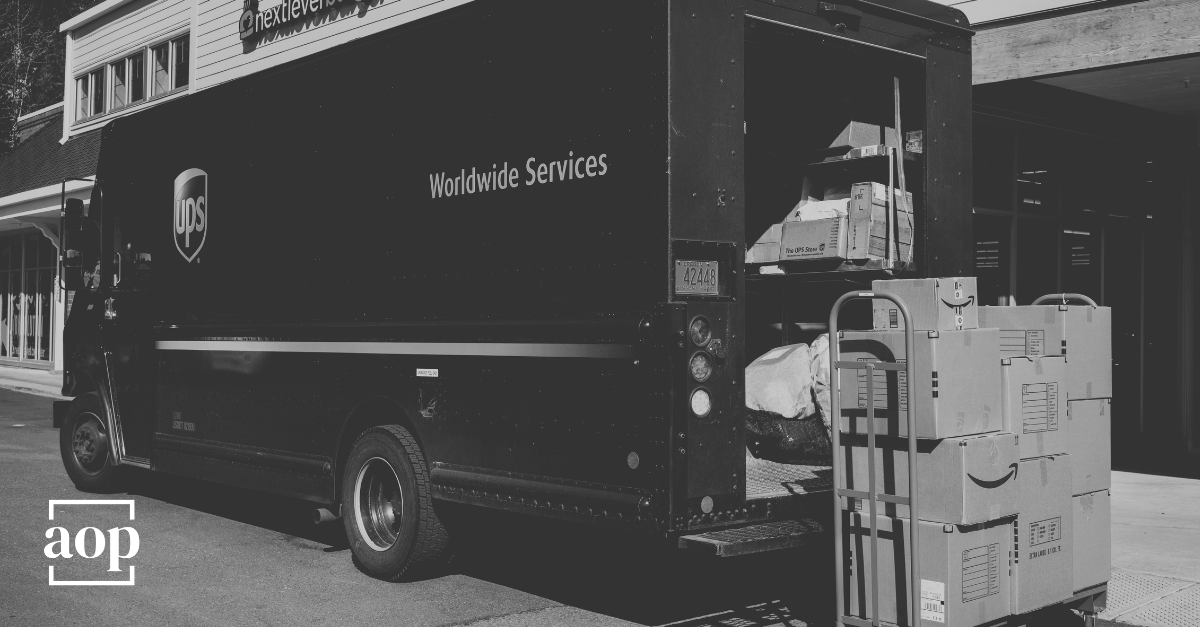 UPS’s Profitability Pivot Is Fueling a Labor Fight
UPS is in the middle of a painful transformation, and its decision to sharply reduce Amazon package volume is driving both financial and labor upheaval. According to The Motley Fool, Amazon represented 11 percent of UPS revenue in 2024 but accounted for as much as 25 percent of U.S. delivery volume. In other words, Amazon brought scale, but not enough profitability.
When UPS announced plans in early 2025 to cut Amazon volume by more than half, Wall Street reacted negatively. Revenue declined, the company cut 48,000 jobs, closed 93 facilities, and restructured its network. At the same time, the Teamsters union accused UPS of undermining labor protections through voluntary driver buyouts.
But UPS argues it has little choice. The company is shifting its strategy away from maximizing package volume and toward improving profitability per package.
A major part of that strategy has been workforce reduction through buyouts. UPS first introduced driver buyouts in 2025 and expanded them significantly in 2026 through its Driver Choice Program (DCP). The company initially offered more than 100,000 unionized drivers payments of up to $150,000 to leave the company permanently.
The 2025 version targeted veteran drivers with 25 to 40 years of experience, offering $1,800 per year of service with a $10,000 minimum payout. About 3,000 drivers accepted those offers despite union opposition.
The Teamsters strongly objected to the expanded 2026 program. The union argued that participating workers were being required to waive union rights, surrender long-term benefits, and agree never to return to UPS. The union also claimed the buyouts violated provisions of the current National Master Agreement and contradicted earlier commitments from UPS to create 22,500 full-time union jobs.
For the Teamsters, the issue is about more than headcount reduction. They see the buyouts as part of a broader erosion of union influence and job security.
Tensions escalated when UPS temporarily withdrew the Driver Choice Program in 13 Central Region states, affecting roughly 68,000 Teamsters across 37 local unions. The union claimed UPS backed down after being overwhelmed with grievances.
Eventually, the two sides reached a compromise. UPS can continue offering buyouts nationwide, but participation is capped at 7,500 drivers rather than the original 100,000 target. The offers must be based on seniority and limited to specific driver categories. UPS also agreed not to introduce additional buyout programs before the current Teamsters contract expires in 2028.
The underlying conflict, however, remains unresolved.
Teamsters president Sean O’Brien has been highly vocal about UPS’s direction, criticizing both automation and facility restructuring efforts. He argues the company has abandoned its historical focus on growth, customer service, and job creation in favor of profitability at all costs.
That profitability pressure is real. Earlier this year, FedEx surpassed UPS in market capitalization for the first time. While the two companies generate nearly identical annual revenue (roughly $88 billion) FedEx delivers far fewer packages each day. FedEx handles about 14 million daily packages compared to UPS’s 40 million, meaning FedEx generates almost the same revenue with significantly lower operational intensity.
UPS faces an additional challenge because its workforce is unionized, while FedEx’s largely is not.
Despite the disruption, UPS’s strategy is beginning to improve financial performance. Although U.S. package volume fell by 10.8 percent in Q4 following the Amazon pullback, revenue per package increased by 8.3 percent.
From a Wall Street perspective, the plan may be working. From labor’s perspective, the costs are much harder to ignore.
Learn more in this episode of Art of Supply: https://artofprocurement.com/blog/supply-ups-picks-profitability-over-volume-and-the-teamsters-push-back
Tags: Supply Chain
 How iRobot Lost Control of Its Own Future
At its peak, robotic vacuum maker iRobot generated nearly $1.6 Billion in annual revenue. Their robotic vacuums were the trendiest home appliance, and even made the rounds on social media, with pets and children riding them in humorous videos. But... it was not to last. By the end of 2025, the company had filed for Chapter 11 bankruptcy… only to emerge owned by its overseas contract manufacturer.
How does a company go from being a global technology leader to being sold off at an extremely low price point to the supplier that once built not only its products but the products of the competitors that ultimately drove it out of business? The answer is a complicated story about regulation, supply chains, debt, competition, and unintended consequences. Unfortunately, this story is also true.
In March of 2025, iRobot issued a warning that there was “substantial doubt” about its ability to continue operating. Their quarterly revenue fell 23 percent to $127.6 Million.
Competition from lower-cost manufacturers was continuing to intensify, and new tariffs sharply increased their costs. Meanwhile, iRobot’s debt load was growing and the potential sources of funding to pay it back were vanishing.
The management team explored as many strategic alternatives as they could identify, including a doomed deal with Amazon, but all of the potential buyers fell away one by one. In October of 2025, the last remaining acquisition prospect walked away, leaving the company with very few options.
According to reporting from The Robot Report, iRobot owed its contract manufacturer, Picea, $161.5 million. Because of those unpaid bills, they effectively became one of iRobot’s largest creditors. iRobot's loss was about to become their gain.
Instead of demanding repayment, Picea purchased iRobot’s debt. The supplier was about to become the owner. They agreed to cover the company’s loans and forgive the debt owed to them. In exchange, Picea would own iRobot entirely.
This proposed ownership structure immediately raised new concerns. The U.S. Department of Justice warned in bankruptcy court that the transaction could create national security risks. Lawmakers also raised concerns about data, because Roomba devices create detailed maps of consumer homes.
iRobot’s story is not just a cautionary tale about one company’s decline—it is a reflection of how tightly interconnected strategy, supply chains, and geopolitics have become. What began as a market leadership position built on innovation ultimately unraveled under the combined weight of cost pressure, regulatory scrutiny, and financial fragility. Perhaps most striking is the final twist: a supplier stepping in not just as a partner, but as the owner, blurring the lines between vendor and enterprise.
For procurement and business leaders, the lesson is clear. Dependencies that seem operational can quickly become existential, and decisions about suppliers, cost structures, and partnerships cannot be separated from long-term resilience. In an era defined by disruption, the question is no longer just how companies grow—but how they maintain control of their own future.
Listen to this episode of the Art of Supply podcast here: https://open.spotify.com/episode/2F4SHk8I10XIjkxvf8GHTk?si=YOC4GHeVR6S7XYE9PFEzqg
Tags: Manufacturing, Robotics, Supply Chain
 The AI Whitepaper That Shook $17.4 Billion Out of the Freight Industry
In February of 2026, a company that got its start as a manufacturer of karaoke machines managed to destroy $17.4 Billion in freight market value in under 24 hours.
Their solution, SemiCab, is an AI-enabled technology that promises to reduce wasted freight miles. They released a whitepaper explaining the model and the potential benefits - and turned the freight market upside down.
They may only be a $3 Million company, and they may not have any U.S. based customers, but that didn’t matter.
Listen here: https://artofprocurement.com/blog/supply-how-a-3m-company-destroyed-17b-in-freight-market-value
Dropping ‘Deadhead’ Miles
If SemiCab can really solve the waste associated with carriers running “deadhead” or unused miles, freight companies could find themselves operating at nearly 100% capacity without adding drivers or purchasing additional equipment. The problem is, it would also commoditize freight services and erase any pricing leverage the companies might hold.
Deadhead miles are not a new problem - or a small one.
As CNBC reported, trucks are driving empty nearly one out of every three miles. That leads to the loss of over $1 Trillion in potential freight spending each year. (Source: https://www.cnbc.com/2026/02/12/trucking-and-logistics-stocks-tumble-on-release-of-ai-freight-scaling-tool.html)
When Forbes interviewed Algorhythm CEO Gary Atkinson about the model and its potential economic impact, he said, “In trucking, especially food, inefficiency is invisible because it’s diluted. You’re spreading the cost across millions of grocery items, so no one sees the waste directly. But consumers still pay for it.” (Source: https://www.forbes.com/sites/daphneewingchow/2026/01/31/how-an-airline-analogy-is-reframing-the-cost-of-food/)
How could a change that sounds like great news be such bad news for carriers?
Multi-Industry Disruption
Logistics is not the only industry that has been hit by an AI-fueled optimization shock in recent weeks. Software and commercial real estate have seen similar dynamics.
CNBC reported that software firms, “once valued for their sticky subscriptions and dependable renewals are now under scrutiny as AI threatens to automate workflows, squeeze pricing, and lower the barriers for new rivals to enter the market.” The Financial Times described a broad two-week period of elevated AI-related trading volatility, with investors “selling first and asking questions later.” (Sources: https://www.cnbc.com/2026/02/04/software-stocks-plunge-us-ai-disruption.html, https://www.ft.com/content/d52b97ba-8199-4877-b210-e7575cbdcaf2)
Established companies and their CEOs are giving up easily. Most of them are trying to stay positive (at least publicly) about the impact of AI on their business models, market share, and profitability.
CBRE is the world’s largest commercial real estate services and investment firm. Their CEO, Bob Sulentic insists that his team can create value despite the disruption of AI: “We’ve become quite confident that that business really is driven by this strategic creative thinking that our brokers do. [...] And we think that’s going to continue to be the case, and we haven’t seen any evidence to the contrary.” (Source: https://www.cnbc.com/2026/02/12/office-real-estate-stocks-tumble-as-ai-disruption-casualties-in-the-stock-market-grow-by-the-day.html)
C.H. Robinson released a similar statement in the aftermath of the February 12th freight market selloff: “We believe AI will only continue to strengthen our performance and widen our competitive moat.” (Source: https://www.wsj.com/business/logistics/meet-the-former-karaoke-company-that-sank-trucking-stocks-018ddde1?st=21WjbA)
No well-run company is ignoring the potential impact of AI, whether positive or negative. Scale, experience, relationships, and data still matter, but if markets are going to undergo these serious swings in response to relatively straightforward marketing content, we’re in for a very bumpy ride.
But will it work?
Reaching 100% capacity utilization would ultimately redistribute uncovered value across the freight ecosystem. If it uncovers that value all at once because the optimization is driving at the speed of AI, the effect can clearly be destabilizing without having shown any results.
As The Wall Street Journal noted in their coverage of this story, “SemiCab founder and CEO Ajesh Kapoor said the firm is facilitating thousands of loads a month in India. By comparison, C.H. Robinson manages more than 100,000 shipments a day.” (Source: https://www.wsj.com/business/logistics/meet-the-former-karaoke-company-that-sank-trucking-stocks-018ddde1?st=21WjbA)
When you look at the disruption in that context, it seems like maybe people are putting too much faith in the ability of AI to drive results and maybe not asking enough questions about whether it will work at scale.
In my opinion, the SemiCab whitepaper went viral because someone figured out they were linked to a karaoke manufacturer. That is just quirky enough to seize everyone’s imagination. But does the SemiCab solution work?
We will have to wait to get the answer to that question.
As Brendan Hopkins, investor relations for Algorhythm said, “No publicity is bad publicity.” He was certainly right under the circumstances. (Source: https://www.wsj.com/business/logistics/meet-the-former-karaoke-company-that-sank-trucking-stocks-018ddde1?st=21WjbA)
Tags: AI, Supply Chain, Transportation
 Testing Suez: Economics Are Driving Carriers Back Into the Red Sea
In late 2023, one of the most important arteries of global trade didn’t just become dangerous. It became functionally unusable.
After Hamas’ October 7th attack on Israel, Houthi militants began targeting commercial vessels in the Red Sea. What began as attacks on Israel-linked ships quickly expanded into something far less selective: virtually anything that moved. Confidence in the Suez Canal, which typically carries roughly 10 to 12 percent of global seaborne trade, eroded almost overnight.
Carriers diverted thousands of vessels around the Cape of Good Hope, adding roughly 3,300 nautical miles and about 10 days to each Asia–Europe voyage. The longer route meant higher fuel burn, slower asset turns, and mounting costs across fragile supply chains, but it also offered safety. The industry adapted, but at a steep operational price.
Now, Maersk is cautiously testing a return to the Suez Canal and the world is watching.
On January 11–12, 2026, the U.S.-flagged Maersk Denver completed a two-day transit through the Bab el-Mandeb Strait and the Red Sea, following a similar passage by Maersk Sebarok in December 2025.
Maersk described the voyage as an “additional sailing,” emphasizing a gradual, “stepwise approach” to any broader return. Its statement stressed that safety measures were applied and that customers with cargo onboard were informed directly. (Whether those customers were informed before or after the passage was not part of the statement.)
The return is not being driven by sudden stability. It is being driven by economics.
Global ocean capacity currently exceeds demand. U.S. import volumes have softened, freight rates are under pressure, and carrier profits are tightening. The Suez route spans roughly 8,500 nautical miles and takes about 26 days, compared to approximately 11,800 miles and 36 days via southern Africa. Shorter voyages reduce fuel costs and improve vessel utilization — powerful incentives in a weak rate environment.
Geopolitical risk, however, has not disappeared. Iran continues to support the Houthis, even as domestic unrest complicates Tehran’s external posture. Since October 2023, Houthis have targeted more than 100 merchant ships. They sank four, seized one, and killed eight seafarers, according to gCaptain. Red Sea traffic remains roughly 60 percent below pre-crisis levels.
Even a broader reopening would carry side effects. BIMCO’s Niels Rasmussen has warned that returning to shorter routings could reduce overall ship demand by about 10 percent by releasing excess capacity back into the market. When Maersk announced it would restart Suez Canal usage on its MECL service beginning January 26, its share price fell roughly 5 percent. The market understands the risk of return and also of releasing additional ocean freight capacity.
Other carriers remain cautious. CMA CGM has conducted limited Suez transits when conditions allowed, while Hapag-Lloyd has said it is not currently planning a return. As Trans.INFO observed, isolated sailings do not equal a reopened corridor — the Red Sea is being tested, not trusted.
For supply chain leaders, that distinction is critical. Economic pressure may reopen the chokepoint, but the fragility that closed it remains.
Tags: Risk Management, Supply Chain, Transportation
 Tariffs, Data, and the Complexity of Compliance
GE Appliances has earned largely positive headlines in recent years for its reshoring strategy. The company has invested heavily in renovating and expanding domestic manufacturing facilities while also working to rebuild partnerships with U.S.-based suppliers. Those efforts were already underway when Trump Administration tariffs took effect; while tariffs didn’t change GE Appliances’s direction, they did accelerate the pace of investment.
In the middle of this reshoring momentum, however, GE Appliances found itself under scrutiny. Whirlpool, a competitor in the home appliance space, raised concerns about how GE Appliances—and two other manufacturers—were managing the cost of tariffs. Whirlpool alleged that GE Appliances was underreporting the value of certain imported appliances, thereby reducing customs duties owed without passing savings on to consumers.
The Allegations
Whirlpool’s claims were based on publicly available customs data and its understanding of competitor manufacturing footprints. According to Whirlpool, starting in June there were sharp drops—ranging from 50 to 90 percent—in declared per-unit import values for certain appliances, including garbage disposals from China, gas ranges from Thailand, and front-load washers from South Korea.
As reported by the New York Post, consumer prices for those appliances did not fall alongside the reported import values. If accurate, such discrepancies would suggest customs violations and pose serious reputational risk for a legacy American manufacturer. Although Whirlpool did not file a formal complaint, it shared its analysis with federal officials, triggering further review.
Customs brokers and U.S. Customs and Border Protection ultimately concluded that the anomalies were more likely the result of data-entry errors than fraud. After steel tariffs took effect, changes in reporting processes led some brokers and importers to unintentionally overstate quantities, which in turn made per-unit values appear artificially low. Some data has since been revised, though Whirlpool maintains that sharp valuation drops remain.
GE Appliances’s Response
GE Appliances responded forcefully, emphasizing its commitment to customs compliance and disputing Whirlpool’s analysis. The company noted that Whirlpool accused it of importing a type of dryer it does not produce, calling the underlying data into question.
“We value competition and believe it is good for U.S. consumers,” GE Appliances said in one statement, “but this attack from Whirlpool looks like frustration over their own lagging performance.” In another, the company criticized Whirlpool for misusing customs data and attempting to “weaponize it for competitive advantage.”
Spotlight or Searchlight?
GE Appliances’s reshoring efforts remain significant. The company has invested billions in U.S. plants, strengthened domestic supplier ecosystems, partnered with universities, and leaned into automation to boost productivity. At the same time, Whirlpool’s allegations underscore an uncomfortable reality: bold strategic moves invite scrutiny.
Reshoring does not insulate companies from the pressures of global trade policy, enforcement risk, or competitive tactics. Whether this episode proves to be a distraction or a defining test, GE Appliances’s experience highlights how visibility cuts both ways. For procurement and supply chain leaders, it is a reminder that rebuilding domestic manufacturing at scale requires not just investment and vision, but resilience under the spotlight.
Tags: Procurement, Supply Chain
 Built to Fail? The OceanGate Supply Chain Story
On June 18, 2023, the OceanGate TITAN imploded on the way to the Titanic wreck site, killing all five passengers, including OceanGate CEO Stockton Rush.
OceanGate never planned to design and construct their own submersible, but they found that no other company could build exactly what they needed. That left them with no other option but to create their own, and they started by buying and modifying existing craft.
The ANTIPODES, used from 2009-2013, was a purchased, steel hulled submersible that OceanGate quickly discovered was never going to be able to reach the Titanic.
The CYCLOPS 1, another purchased steel hulled craft formerly known as the LULA’500, was more expensive, but it still wasn’t fit for the company’s purpose.
The CYCLOPS 2, which would eventually become known as the TITAN, was the first submersible that OceanGate took the lead on. It had 2 hulls, and each hull had a different supply base. Both hulls failed in the end.
Hull 1 was used from 2018 to 2019 when it had to be retired from service because it cracked. OceanGate worked with Spencer Composites, to build the submersible’s carbon-composite cylinder. They were the only company in the world that had already made a carbon fiber hull for a manned submersible.
When that hull failed, OceanGate began working on a second hull for the TITAN and built a new supply network of less experienced suppliers to do so. Hull 2 was in service from 2021 until the end in 2023.
All innovation has to be counterbalanced with ethics - and, ideally, transparency.
Did OceanGate’s suppliers know that the manufacturing challenges they were struggling to overcome would ultimately lead to the fatal dive? In retrospect, OceanGate was clearly pushing past the warning signs, but did the suppliers do the same?
The mere mention of ‘governance’ often makes people roll their eyes in boredom, but in this case, due diligence might have saved lives. Sometimes the most important thing a supplier can do, the most valuable contribution they can make, is to slow things down. Even if they do so for the sake of self-preservation, others can benefit.
Many members of the OceanGate leadership team walked away once they could no longer stand by the company’s choices. They were drawn to the team by the opportunity to do something new and push boundaries - but within certain limits, such as reverence for safety.
Innovation is not just about who moves first. It is about who operates safely, sustainably, and with integrity.
OceanGate’s suppliers didn’t go down with the TITAN, but their work did. Five human beings were lost along with years’ worth of work and investment. The implosion of the submersible wasn’t just physical; it was a collapse of oversight, communication, and shared accountability.
No innovation is worth pursuing if the supply base can’t safely support it, or if decision makers have to look the other way in order to achieve their objectives.
Listen to the full episode of Art of Supply here: https://artofprocurement.com/blog/supply-oceangate-and-the-limits-of-supply-base-innovation
Tags: Procurement, Risk Management, Supply Chain
 How Soybeans Became a Geopolitical Power Play
Soybeans may be bland eating, but they spice things up in global trade conversations all the time.
As one of the most critical crops exported from the United States to China, they often become the flash point in trade talks, whether tariffs are on the table or not. China has wisely diversified their sources of soybeans over the last couple of decades to reduce their reliance upon the United States. This reduces the leverage of the U.S. - and U.S. soybean farmers - every time words fail and demand is withheld.
Brazilian soybean exports to China surged to 70 percent in 2012. They hit a peak of 82 percent in 2018, during the U.S.-China trade war. In 2013, Brazil passed the U.S. to become the world’s largest exporter of soybeans thanks to China’s demand. This year, China is buying even more soybeans from Brazil than they usually would, as part of their effort to resist buying from U.S. sources.
But Brazil isn’t the only soybean competition the U.S. faces on the world stage. Argentina is in the mix as well.
In October, Argentina announced that they would cut their export taxes on soybeans and other grains for a short, 3-day window. During that time, China made huge purchases from them. At first glance, all is fair in love and war - why shouldn’t Argentina seize the opportunity?
Many U.S. businesses would like to reshore manufacturing production to the United States, or at least move it out of China.
Ironically, China used to be the world’s biggest producer of soybeans. Somehow, the United States managed to get that away from them - until 2013 when Brazil took the lead with China’s help.
According to a History of Soybean Production and Trade in China (1949-1980s), in 1933, China and Manchuria (an independent nation at the time) produced 87 percent of the world’s soybeans. Production plummeted in the late 1950s and 1960s as Chinese society was reorganized again and again. China first imported soybeans from the U.S. in 1977, and after that, they were a net importer of soybeans every year but one.
Ironically, 2025 has been a great production year for U.S. soybean farmers, so they have more than their usual crop to try and sell or store. What will happen to these producers long term?
Farmers and industry representatives, as well as members of the Trump Administration are traveling the world, trying to find demand to close the gap created by China’s decision to walk away. Ironically, China’s decision to buy predominantly from Brazil has driven up the cost of their soybean supply, so the U.S. may be able to present itself as a cost competitive alternative.
Others have floated the idea of biomass-diesel production, turning soybean byproducts into fuel, but it will take years for demand to rise to the point where it cancels out China’s demand, if it is possible at all.
This is ultimately a matter of supply, demand, and covering your backside. China recognized that they were overly dependent on the U.S. for soybeans, and took active steps to develop new markets for themselves to buy from. Whether the U.S. recognized they were overly dependent on China’s demand or not, they didn’t take the same active steps. That has left not just farmers, but fertilizer producers, farming equipment manufacturers, and transportation providers all hanging in the lurch.
Tags: Supply Chain
 Target Pulls Back on “Stores as Hubs” Strategy as Omnichannel Dreams Falter
Between 2015 and 2017, major retailers rode the wave of what became known as omnichannel shopping. Consumers wanted freedom: the ability to shop in-store or online, to pick up at the curb, have items delivered, or receive regular parcel shipments.
For retailers, it was both an opportunity and a logistical puzzle. Integrating inventory, data, and delivery options seamlessly promised profits—but demanded precision. According to research published in the Harvard Business Review, omnichannel customers spent 4% more per in-store visit and 10% more online than single-channel shoppers. With each additional channel used, in-store spending rose even higher.
That data spurred ambitious experiments across the industry. Among them: Target’s “stores as hubs” initiative. Beginning in 2017, the retailer poured $7 billion into transforming the backrooms of its stores into fulfillment centers for online orders. The move was hailed as a cost-efficient alternative to warehouse shipping—Target estimated store-based fulfillment was 40% cheaper.
But after years of investment, the program is being wound down. Target has confirmed plans to scale back the initiative in 30 to 40 markets after testing a rollback in Chicago earlier this year.
Despite shipping 96% of online orders from stores, the numbers tell a sobering story. Target’s stock has fallen more than 60% since its late-2021 peak, and sales have stagnated for four years. Executives cite inflation and tariffs, but employees point to burnout from balancing in-store work with online order fulfillment.
Stores have struggled to keep shelves stocked, and customer service has suffered. Incoming CEO Michael Fiddelke told investors during the Q2 2025 earnings call that inventory reliability is improving and technology will play an even larger role ahead.
Industry analysts say Target’s retreat underscores a broader truth: omnichannel strategies only succeed when execution matches ambition. The next frontier—unified commerce—aims to bridge the gap. But for now, Target’s bid to be “all things to all shoppers” may have stretched the brand too thin.
Tags: Customer Experience, Retail, Supply Chain
 China Outpaces U.S. in Shipbuilding: 1,000 to 8
In April, President Trump signed an Executive Order titled Restoring America’s Maritime Dominance. The EO is aimed at reducing U.S. dependence on foreign-built ships. Because this is a matter of national security, federal agencies must deliver a Maritime Action Plan by November 5, 2025.
The scale of the challenge is stark. According to the U.S. Navy’s own data, China has 232 times America’s shipbuilding capacity. In 2024, China built over 1,000 commercial vessels, while the U.S. produced just eight. China also manufactures 80% of ship-to-shore cranes and 96% of shipping containers used in the U.S., while domestic production of both sits at zero.
Shipbuilding is capital-intensive, and America’s labor shortages and slow procurement process will make recovery difficult. As the saying goes, “Having a friend with a boat is better than owning a boat.” Reliance on others has left the U.S. vulnerable both militarily and commercially - it is no longer enough to have a friend with a boat.
China’s edge stems in part from their Military-Civil Fusion strategy. This approach integrates civilian and defense shipyards to accelerate and optimize the output of both markets. As the Center for Strategic & International Studies (CSIS) noted, “This expansion is largely facilitated by China’s extensive network of dual-use shipyards, which simultaneously produce both commercial vessels and advanced warships.”
China is able to share costs, spread technology, and sustain growth across both sectors. By contrast, the U.S. has struggled to attract private capital into military shipbuilding, though some see future potential in such public-private partnerships.
Meanwhile, Beijing is consolidating their capabilities. In August, two state-owned giants merged to form the China State Shipbuilding Corporation (CSSC) in a $16 billion deal. They immediately controlled 17% of global market share. According to CSIS, “China’s largest state-owned shipbuilder built more commercial vessels by tonnage in 2024 than the entire U.S. shipbuilding industry has built since the end of World War II.”
Both parties in Washington agree the gap is a problem. Whether that consensus is enough to narrow it remains to be seen, but our supply chains have no time to lose.
Tags: Risk Management, Supply Chain, Transportation
 Unreasonable Hospitality, Unforgettable Management Lessons
One of my guilty pleasures is the TV show Bar Rescue. I think Jon Taffer is brilliant, even with all the shouting. The way he storms into a failing bar and turns it around feels like ‘operations theater.’ He brings a scientific approach to running a restaurant: food cost percentages, profit margins on mixed drinks versus bottled beer, benchmarking against local income levels. If you don’t know those numbers, you’re not truly managing your business.
And yet, even with Taffer’s systems and publicity, most “rescued” bars fail. That got me thinking: can a business truly be cost-effective, operationally sound, and customer-friendly, all at once?
That question came back to me when I picked up a copy of Unreasonable Hospitality: The Remarkable Power of Giving People More Than They Expect by Will Guidara. Guidara’s story is about Eleven Madison Park, a New York fine-dining restaurant that rose from being ranked 50th in the world to #1 in 2017. Their journey wasn’t just about the food; it was about vision, systems, guest experience, and leadership.
Vision and Systems
In 2010, Guidara and his chef-partner, Daniel Humm, attended the World’s 50 Best Restaurants ceremony. They came in dead last but they left with a vision: We will become number one.
Unlike many fine-dining establishments that focus solely on the food, Eleven Madison Park focused equally on the dining room experience and the people and systems that supported it. They developed processes for everything, including hand signals between staff to avoid interrupting guests, precise timing for delivering checks without making customers feel rushed, and careful employee onboarding methods to ensure consistency.
That obsession with systems translates perfectly to operational roles. Process discipline isn’t just about efficiency—it’s about freeing up capacity to focus on the small touches that elevate the experience for stakeholders and customers.
The 95-5 Rule
One of Guidara’s early insights came before Eleven Madison Park, when he ran a gelato cart at New York’s Museum of Modern Art. He insisted on buying tiny, imported blue spoons that he described as “preposterously expensive” but perfect for the guest experience.
He justified the splurge with his 95-5 rule: manage 95 percent of costs with ruthless efficiency, and reserve 5 percent for purposeful extravagance. That 5 percent can have an outsized impact on the customer’s perception.
For procurement, this idea could win over budget-resistant stakeholders. Imagine telling marketing, “If we manage 95 percent of your spend tightly, we can give you 5 percent to spend almost foolishly—but with intent.” It reframes savings as a path to delight rather than deprivation.
What Unreasonable Hospitality Really Means
Early in the book, Guidara writes about a guest who kept leaving his table to feed a parking meter. A staff member quietly took over the task so the guest could enjoy his meal uninterrupted. That spirit of anticipating needs became deliberate. Guidara began training staff to look for moments to surprise and delight.
In business, unreasonable hospitality doesn’t have to be elaborate. It might be carving out time to brainstorm with a stakeholder or giving a supplier unexpected positive feedback. The key is creating systems that handle 95 percent of the routine work, leaving space for creative, human touches.
Excellence in the “Last Inch”
I see Guidara’s “last inch” in hospitality as being just like the “final mile” in a supply chain. After all the planning, sourcing, cooking, and plating, if a server sets the dish down carelessly, the moment is diminished. We have to slow down and get it right.
As he says, “Excellence is the culmination of thousands of details executed perfectly.” And that pursuit can be uncomfortable. Most people won’t have the persistence to sustain it. But for those who do, it can become a defining competitive advantage.
Resilience Through Adversity
The 2008 recession forced Eleven Madison Park to make hard choices.They switched to less expensive chef hats, offered affordable lunches, and cut costs without hurting the guest experience. Ironically, the lunches brought in younger diners who would later become loyal customers.
They also weathered bad reviews by absorbing the emotional hit and then redirecting their energy into improvement. This is a leadership skill in any industry: resist defensiveness, address real issues, and turn challenges into opportunities.
The Fragility of Success
Here’s the sobering part. After achieving their #1 goal, Guidara left the partnership. The pandemic hit, tipping was eliminated, the menu became strictly plant-based, and staff turnover spiked. The restaurant remains open, but it’s no longer performing at its peak.
The takeaway? Vision, systems, customer experience, and leadership have to work together continuously. Without the right leader at the right time, even the best operations can fade. That is true whether you are running a dive bar, a procurement team, or the world’s top restaurant.
Unreasonable Hospitality isn’t just a restaurant book. It’s a blueprint for elevating any operation. Manage the 95 percent with precision, invest the 5 percent with purpose, obsess over the last inch, and bring your whole team along for the journey. That’s how you go from good to great - and stay there.
Tags: Management, Procurement, Supply Chain
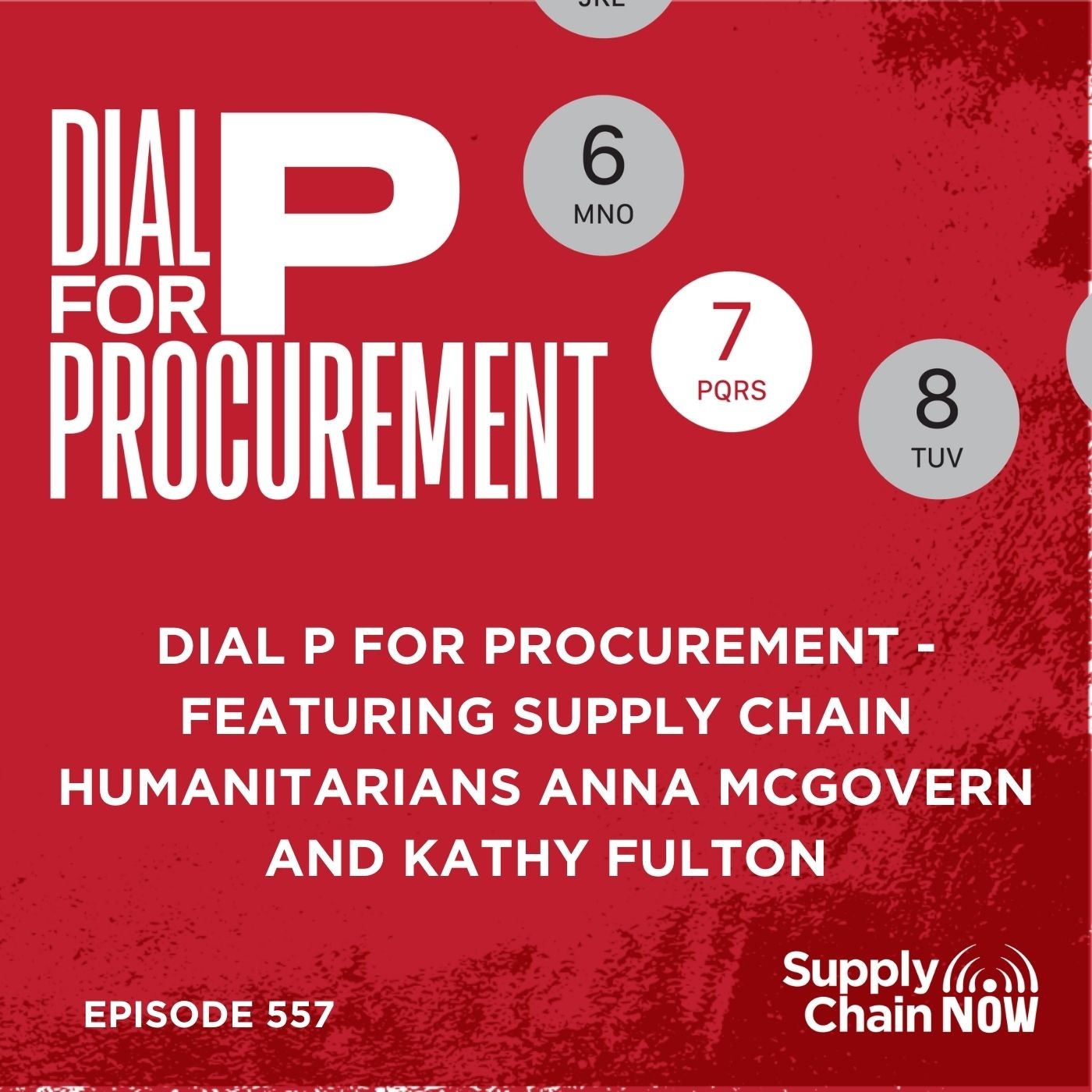 Dial P for Procurement Features Leaders from the Humanitarian Supply Chain
Tags: Sustainability, Supply Chain, Procurement
 Dear Procurement… I need to make a profit!
Tags: Startups, Procurement, Legal and IP
 Procurement Must Manage Spend, Not “Spends”
Tags: Supply Chain, Procurement, Management
 ATMs Provide a Cautionary Counterweight to Digital Transformation Optimism
Tags: Customer Experience, Digital Transformation, Procurement
 To Maximize Employee Engagement, We Must First Define It
Tags: Management, Procurement, Supply Chain
 Professional Writing / Ghost Writing Services
Location: Virtual Fees: Content Menu Avail. Upon Req.
Service Type: Service Offered
 State of Packaging Procurement in 2024
Location: https://www.airmeet.com/e/fde15190-a03f-11ee-aa9d-ff78d34a06d1 Date : January 31, 2024 - January 31, 2024 Organizer: Art of Procurement
 Mastermind LIVE 2023
Location: https://www.airmeet.com/e/7a98c940-353b-11ee-a218-ddb089c087a1 Date : November 07, 2023 - November 07, 2023 Organizer: Art of Procurement
 Answering the BIG Questions About Supplier Diversity
Location: https://www.airmeet.com/e/82fdac20-5400-11ee-adb3-8d2cc95bbed0 Date : October 03, 2023 - October 03, 2023 Organizer: Art of Procurement
 Rising to the Challenge: Driving Procurement Excellence in 2023
Location: https://www.airmeet.com/e/0df8ea40-46ac-11ee-b234-8f1f3ba62ff0 Date : September 28, 2023 - September 28, 2023 Organizer: Art of Procurement
 8 Best Practices for Mid-Market IT Spend Management Success
Location: https://www.airmeet.com/e/3cc97920-46ac-11ee-baf6-0b3620eb3c5e Date : September 26, 2023 - September 26, 2023 Organizer: Art of Procurement
 2024 ESG Action Planning
Location: https://www.airmeet.com/e/9131e320-50c1-11ee-8268-db93c69af8e6 Date : October 05, 2023 - October 05, 2023 Organizer: Art of Procurement
 Benchmarking Supplier Diversity to Drive Performance
Location: https://events.artofprocurement.com/benchmarking-supplier-diversity-to-drive-performance/register/ Date : March 07, 2023 - March 07, 2023 Organizer: Art of Procurement
 Art of Procurement Digital Outcomes 2023
Location: Virtual Date : February 15, 2023 - February 16, 2023 Organizer: Art of Procurement
 The State of Supplier Diversity in 2022: Progress. Process. Empowerment.
Location: https://www.linkedin.com/video/event/urn:li:ugcPost:6991078009822728192/ Date : November 17, 2022 - November 17, 2022 Organizer: Dial P for Procurement on Supply Chain Now
 Lunch & Learn with Jeanette Nyden - Ask Your Questions About Managing Inflation
Location: Virtual Date : April 14, 2022 - April 14, 2022 Organizer: Lunch & Learn with Jeanette Nyden
 Sourcing in 2022: Juggling Disruptions, Sustainability & Modernization
Location: Virtual Date : January 12, 2022 - January 12, 2022 Organizer: Keelvar
 Sourcing in 2022: Juggling Disruptions, #Sustainability & Modernization
Location: https://us06web.zoom.us/webinar/register/4316394109973/WN_jvI2CTzyS-OUYjSlXzpT_w Date : January 12, 2022 - January 12, 2022 Organizer: Keelvar
 The State of Supplier Diversity 2021
Location: https://www.linkedin.com/posts/supply-chain-now_of-all-the-initiatives-to-grab-the-headlines-activit Date : October 19, 2021 - October 19, 2021 Organizer: Supply Chain Now
 Putting the Supplier Experience at the Forefront of Strategic Procurement
Location: https://resources.artofprocurement.com/aop-live-sxm-series Date : July 22, 2021 - August 05, 2021 Organizer: Art of Procurement
 Your Next Supply Chain Disruption Is Already in the BOMWhen Agents Make Bad Supply Chain Decisions at Machine SpeedWho Moved My Beer? Inside the Pabst Blue Ribbon Cargo TheftTwo Clocks, One Truck: The Army's Need for Speed Meets New Defense Sourcing RulesThe Line Between Booking Freight and Controlling ItWhat Do You Actually Diligence When the Product Is Good?