
An empty chair can be a powerful tool for leadership, coaching and self-reflection. Through five practical applications, I explore how imagining someone in that chair can help us see different perspectives, make better decisions and deepen our awareness of ourselves and others.
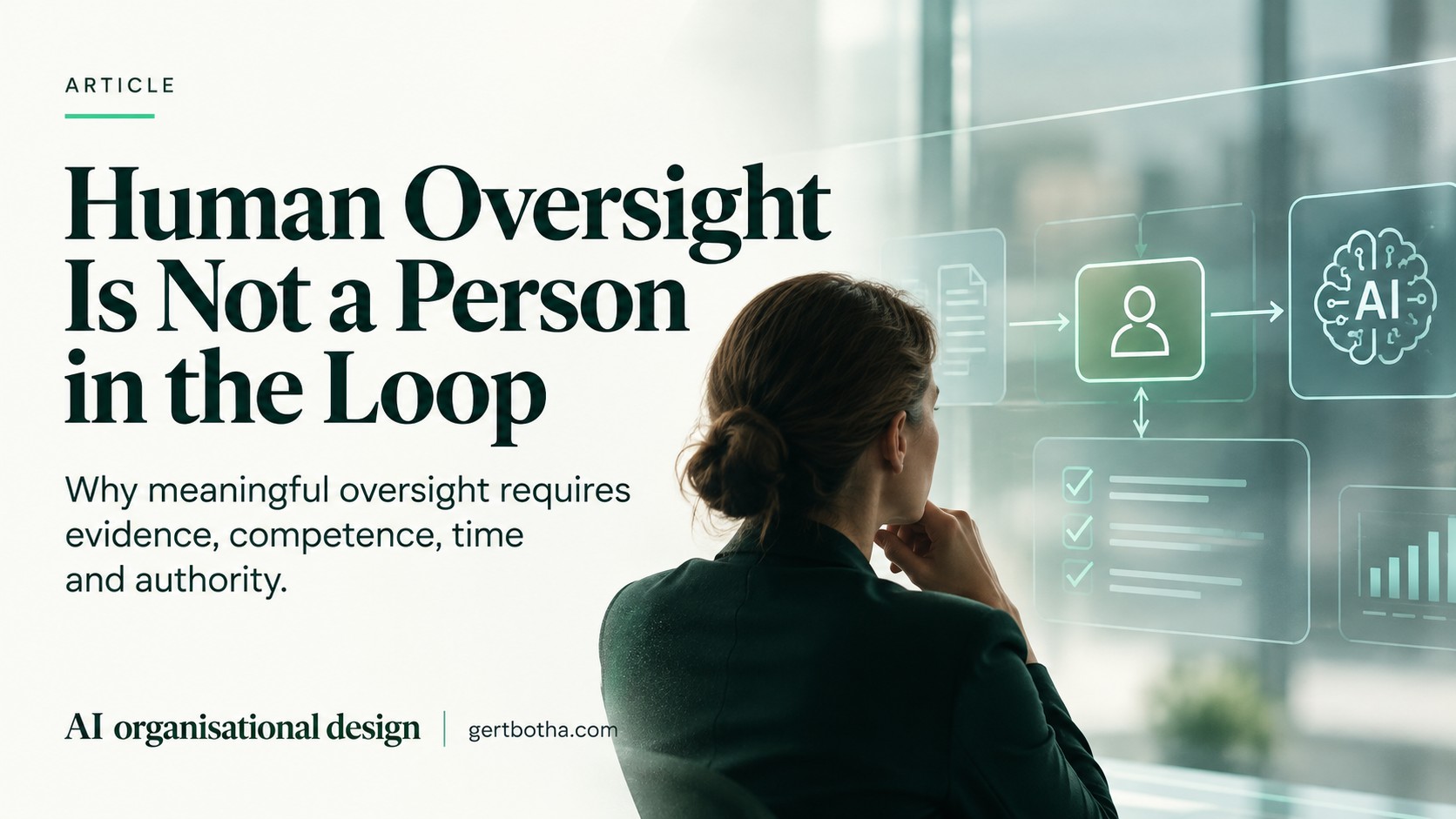
Human oversight doesn't simply mean leaving a person somewhere in an AI-enabled workflow. Meaningful oversight requires the right evidence, sufficient competence, enough time to intervene, and real authority to change what happens. The article argues that oversight is an operating-model design
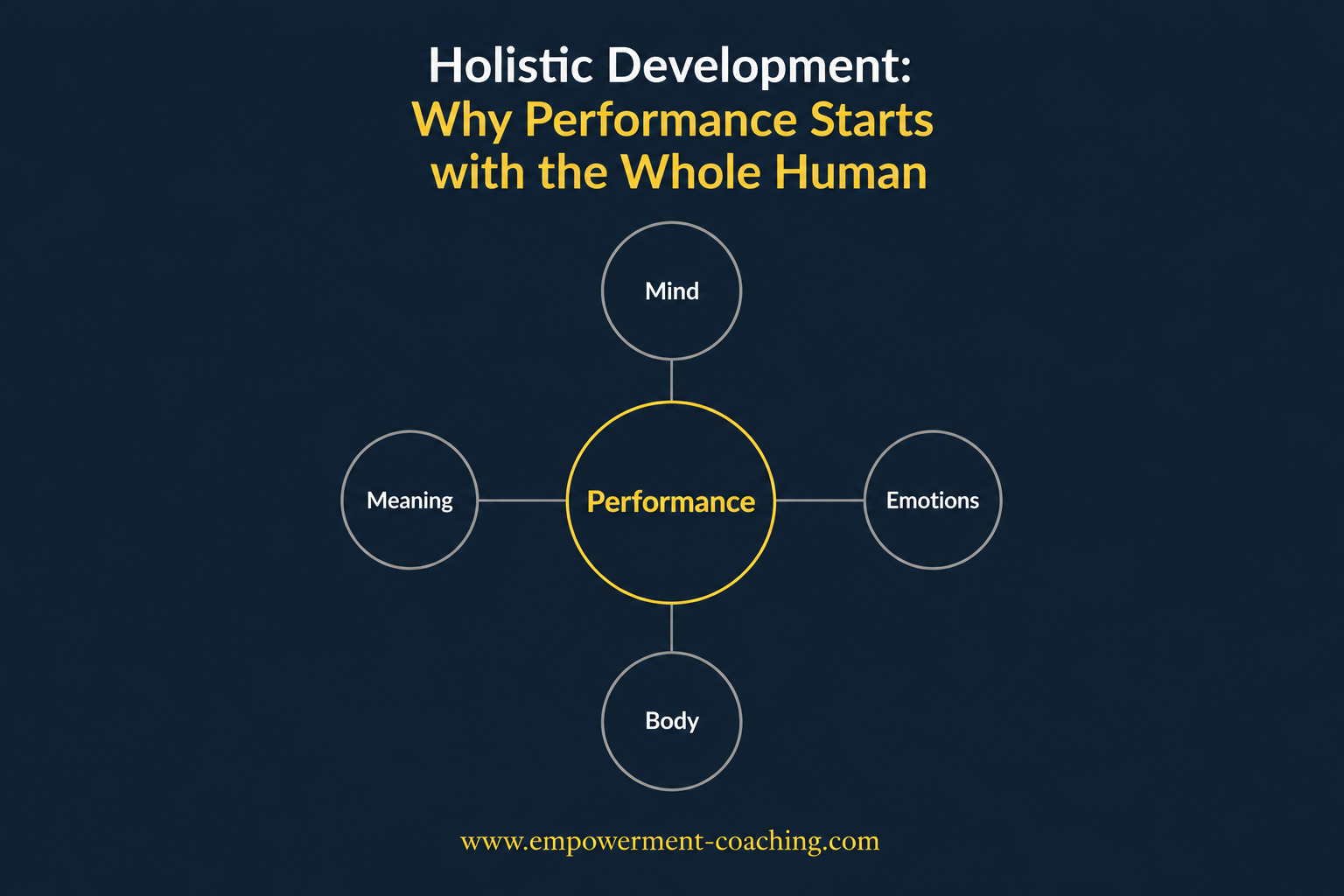
High performance is not created by productivity alone. It emerges from the integration of mind, body, emotions, and meaning. Organizations and leaders who ignore one of these dimensions may achieve short-term results, but rarely sustain long-term engagement, adaptability, and growth.

What if the leader everyone depends on is actually creating one of the organization's greatest vulnerabilities?
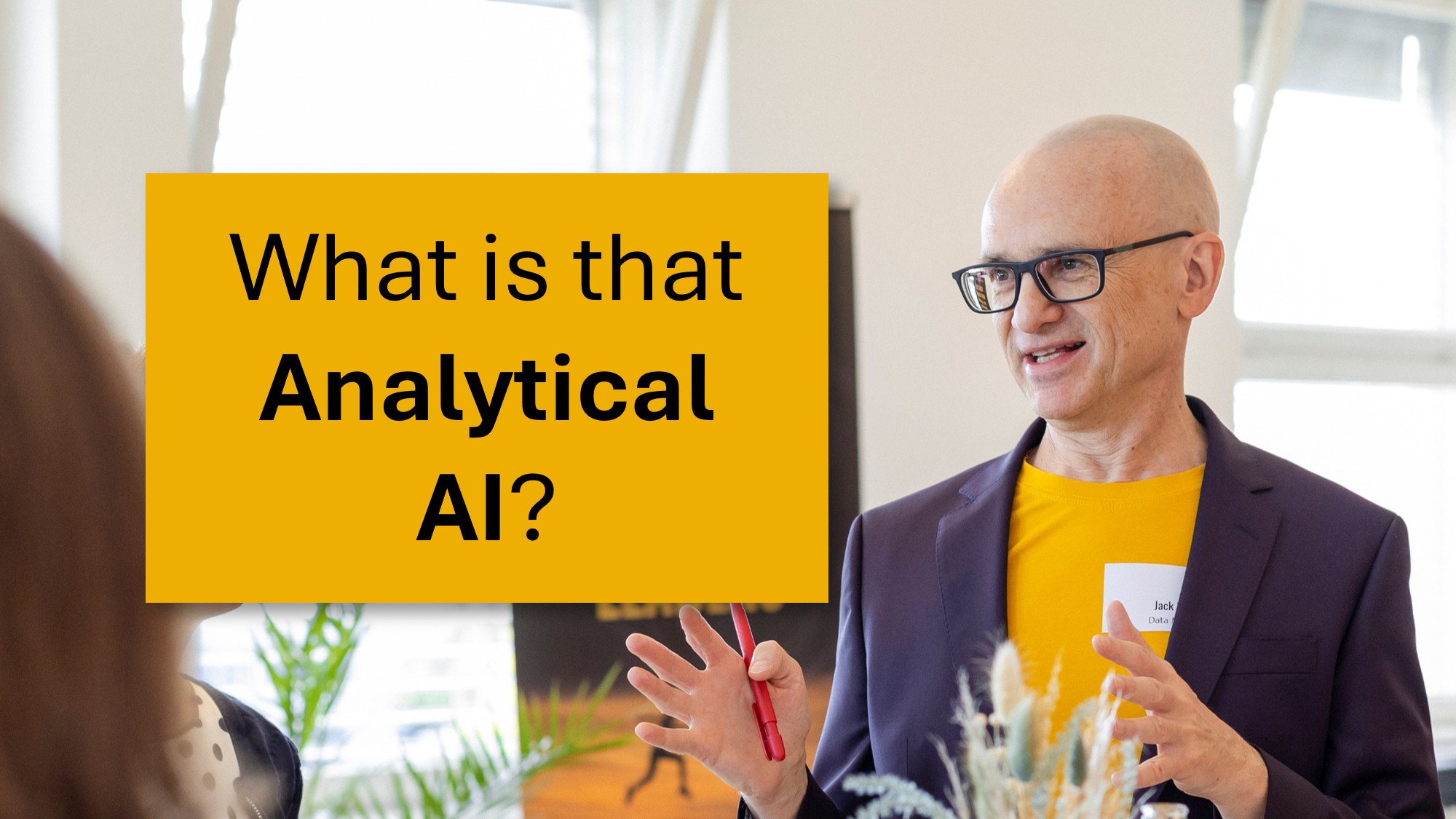
Most business leaders know AI only as chatbots. But Analytical AI delivers four times the business value than chatbots. Here are 13 examples where Analytical AI helps to address business problems.
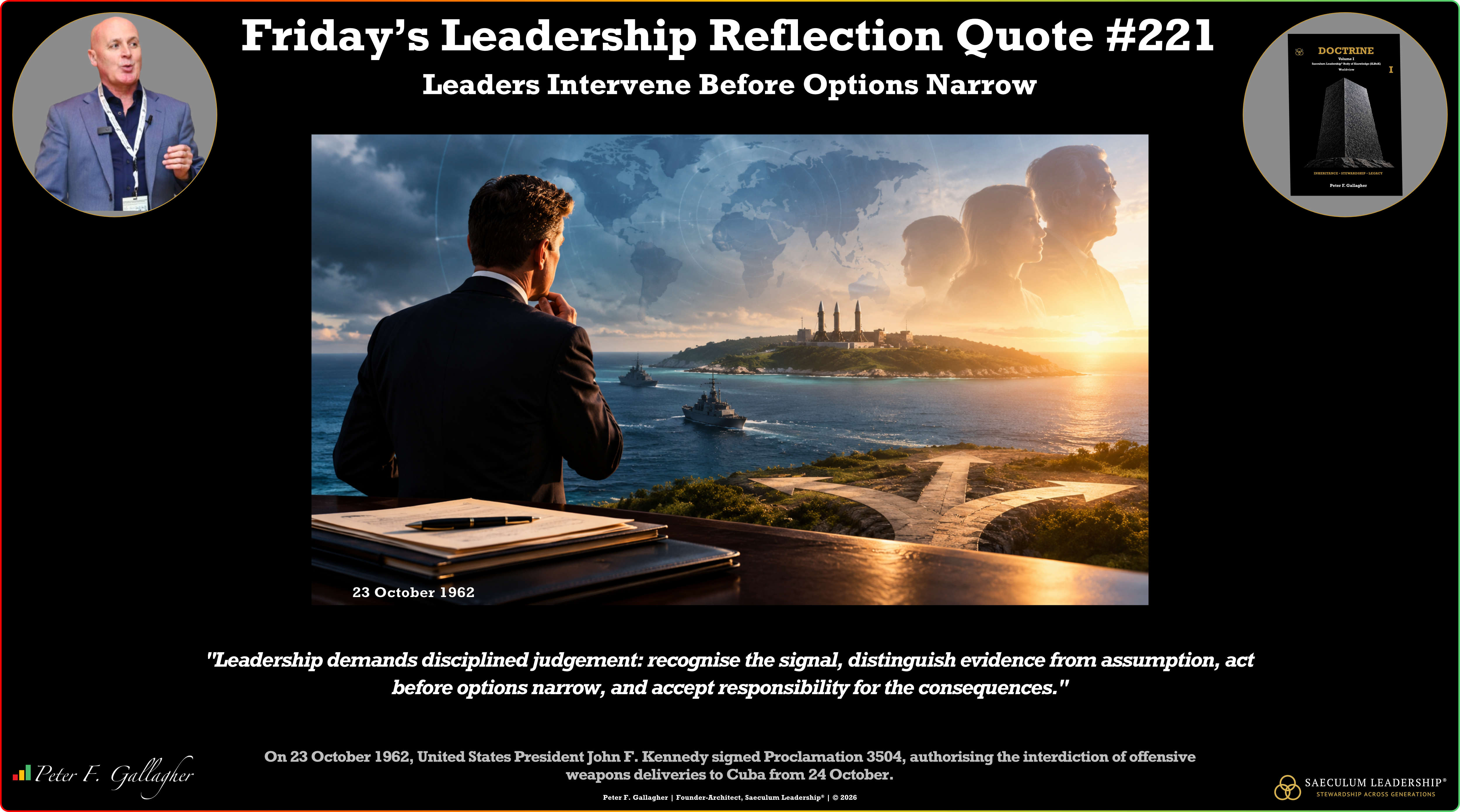
Peter F. Gallagher. FLRQ221. Leaders Intervene Before Options Narrow. Leadership demands disciplined judgement: recognise the signal, distinguish evidence from assumption, act before options narrow, and accept responsibility for the consequences.

Top 10 Leadership and Management links of the week, curated by Corix Partners Founder and CEO JC Gaillard, focusing on cyber security of course, but also a large cross section of subjects including digital transformation, emerging tech, AI governance and the future of work.
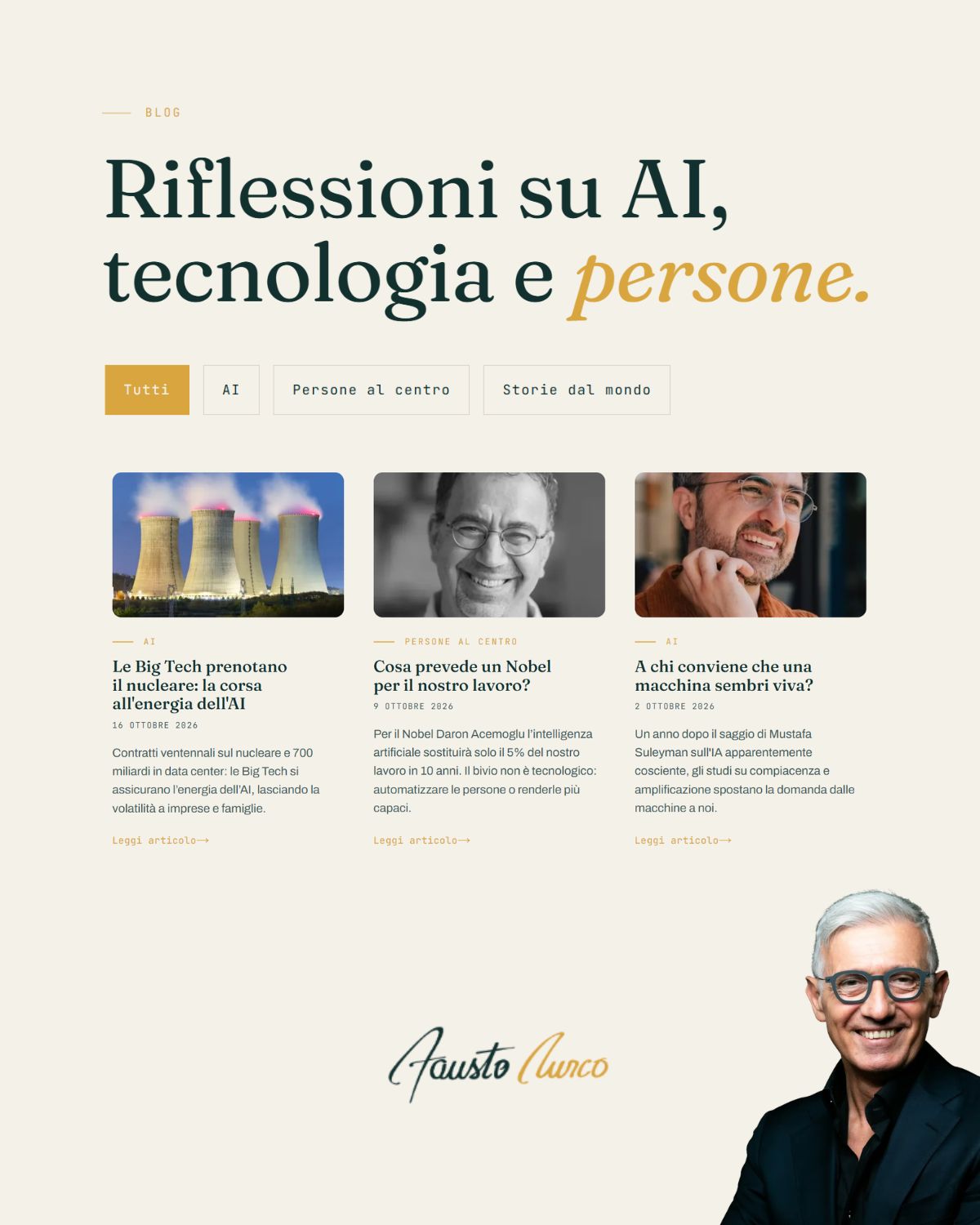
Fausto Turco’s blog: weekly ideas and tools to make sense of AI and digital transformation. Honest, concrete reflections on technology, work and people, written for leaders, companies and professional firms making real decisions on AI adoption, skills and organization, without unnecessary jargon!

Bill Gates warned this month that the next year will bring “a lot of negative surprises,” primarily in cyber. I agree. Some of those surprises are already here.

Introducing From the Aisle: Field Notes on AI Implementation
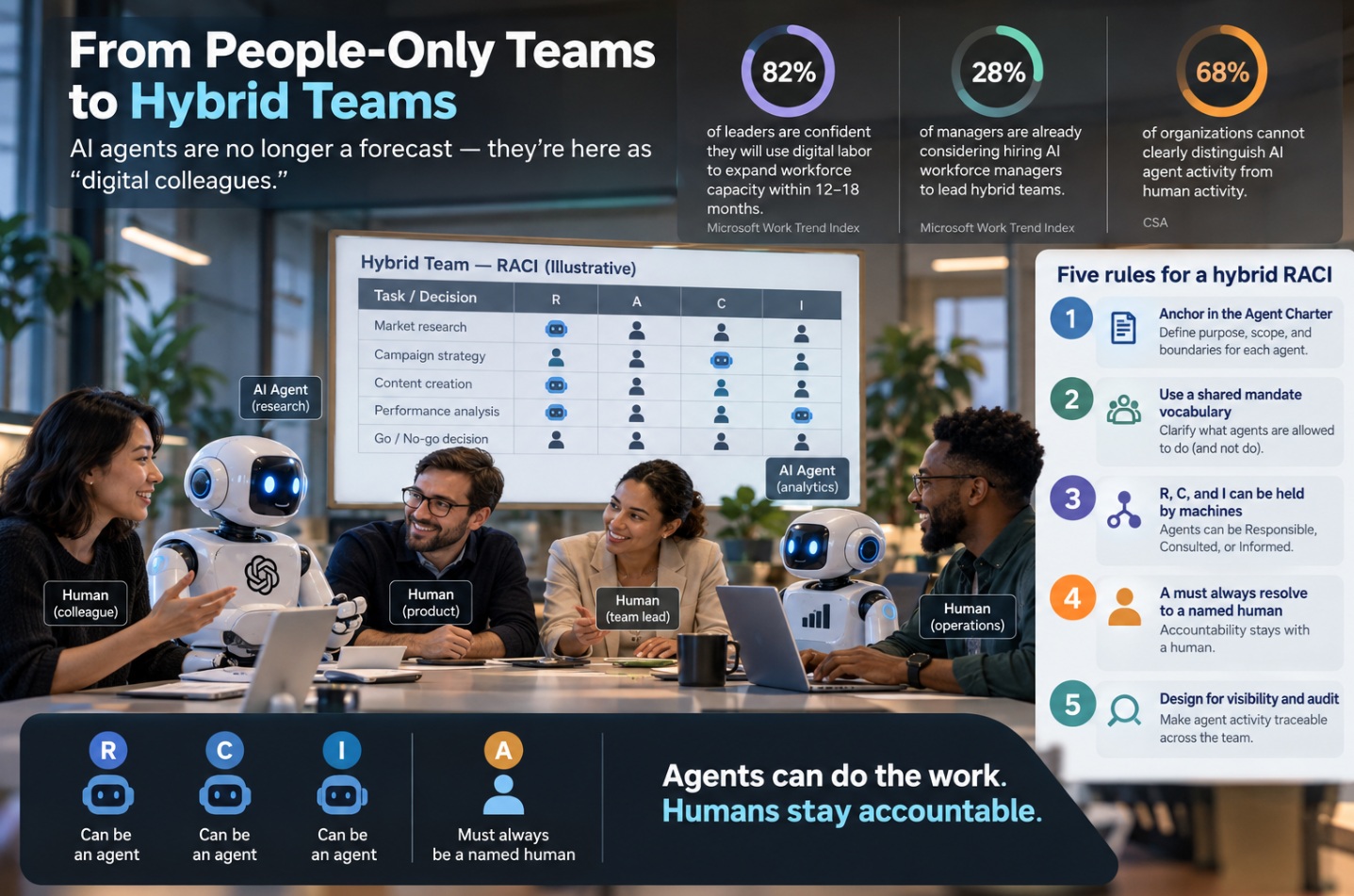
Agents are joining project teams as digital colleagues — yet 68% of organizations can't distinguish agent actions from human ones. Five rules for a RACI that works when some team members are machines.

The Army has awarded prototype contracts to GM Defense, Ford, and BC Customs for a heavy infantry squad vehicle built on commercial trucks, betting Detroit can deliver faster than the traditional defense industrial base.

Sustainability has its elephants: the big, uncomfortable choices we'd rather avoid. And its mice: the small, seemingly obvious changes that somehow never happen. Why do both persist? And what do they reveal about our mindset, our convictions and our willingness to take responsibility?

Ask ten people what it means and you get ten answers, most of them quietly assuming that autonomy is something you can simply decide to have. Well, it is not....

Seven lessons from the potter’s wheel about trust, empowerment, patience, and the art of building extraordinary teams.

Top 10 Leadership and Management links of the week, curated by Corix Partners Founder and CEO JC Gaillard, focusing on cyber security of course, but also a large cross section of subjects including digital transformation, emerging tech, AI governance and the future of work.
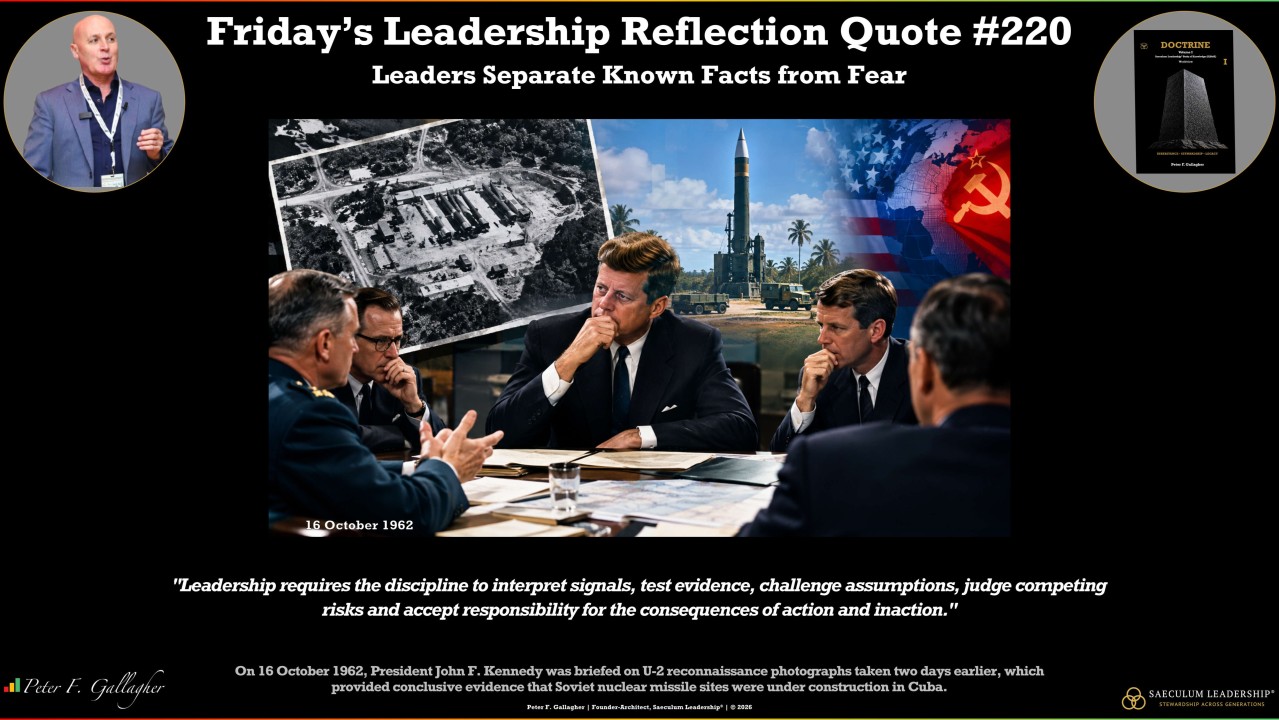
Peter F. Gallagher, FLRQ220, Saeculum Leadership® Leaders Separate Known Facts from Fear. Leadership requires the discipline to interpret signals, test evidence, challenge assumptions, judge competing risks and accept responsibility for the consequences of action and inaction.

For those of us who lead, whether in a church, a boardroom or a family, this matters. People are watching how we treat the colleague who is off sick or the volunteer back from surgery. Know them by name, not by condition. Let prayer for healing sit comfortably alongside laughter about burnt toast.
Despite the backlash that chatbots get, GenAI can add business value if you use it in the areas it has been trained for.

There's a responsibility that comes with being an award winner. On the night, there are 100s in the room sitting through acceptance speech after acceptance speech of people who didn't think they'd win. Why not back yourself, be prepared with a good speech... If you don't win, you can still share it.
The Empty Chair: a powerful practice in leadership, coaching and self-reflectionHuman Oversight Is Not a Person in the LoopHolistic Development: Why Performance Starts with the Whole HumanThe Most Dangerous Leader in the Room May Be the One Everyone Depends OnWhat is that Analytical AI?