

Dr. Soha Chahine is an Organizational Psychologist, Executive Coach (ICF PCC), and Founder of Forward Training & Consulting, a UAE-based leadership consulting firm. She is known for helping leaders and organizations decode the human dynamics that shape performance, culture, and long-term success.
With more than 15 years of experience across HR, executive coaching, and leadership development, Soha brings a distinctive blend of psychological depth and business relevance. Her work focuses on Emotional Intelligence, Leadership Development, Talent Management, Executive Coaching, Culture Transformation, and the Future of Work, helping leaders navigate complexity, build resilient cultures, and strengthen their capacity to lead with clarity and impact.
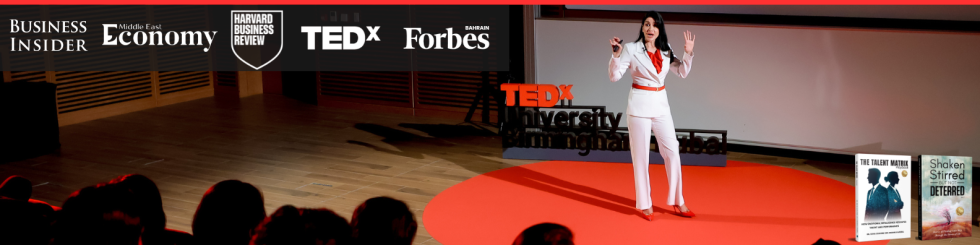
She is a TEDx speaker, a contributor to Harvard Business Review Arabia, Economy Middle East, and other recognized platforms, and a co-author of The Talent Matrix Playbook and Shaken, Stirred but Not Deterred Vol.2. Her thought leadership explores leadership presence, human behavior, emotional agility, talent strategy, and the evolving demands of modern organizations.
Soha is certified in globally recognized assessment tools including EQ-i 2.0, EQ 360, Leadership Circle Profile, Resilience at Work, DISC, and MBTI. This enables her to move beyond surface-level development and help leaders understand the deeper patterns influencing how they think, relate, decide, and perform.
She holds a Bachelor’s degree in Communication, a Master of Science in Human Resource Management and Training, and a Doctorate in Organizational Psychology. She has also completed executive education in Leading Change and Organizational Renewal through Harvard Business School.
As a founder, advisor, speaker, and award jury member, Soha advocates for a more human, emotionally intelligent, and strategically grounded approach to leadership. Her work challenges organizations to rethink how leadership is developed, how culture is shaped, and how talent is unlocked in an era defined by disruption, complexity, and accelerated change.
Available For: Advising, Authoring, Consulting, Influencing, Speaking
Travels From: United Arab Emirates, UAE
Speaking Topics: Emotional Intelligence in Leadership, Culture Transformation and Human-Centered Leadership, The Future of Work and Human Intelligence
| Dr. Soha Chahine- PCC | Points |
|---|---|
| Academic | 0 |
| Author | 101 |
| Influencer | 378 |
| Speaker | 71 |
| Entrepreneur | 205 |
| Total | 755 |
Points based upon Thinkers360 patented algorithm.

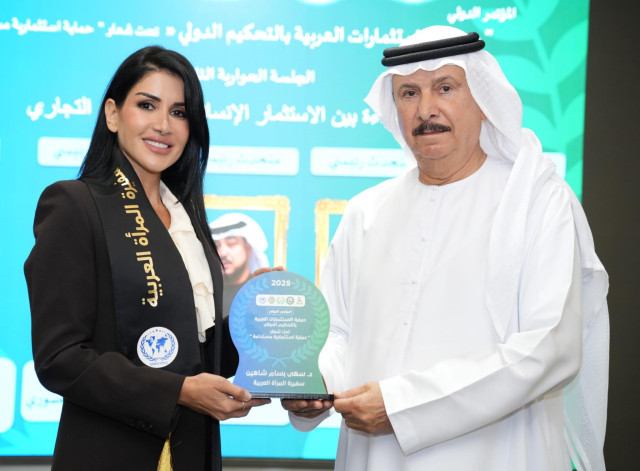 Arab Women Ambassador for Human Sustainability
Tags: Entrepreneurship, Leadership, Personal Branding
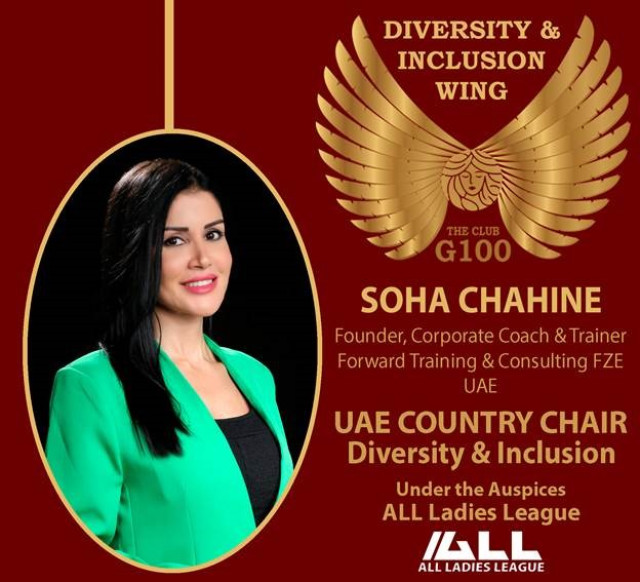 Diversity & Inclusion Country Chair
Tags: Culture, Leadership, Personal Branding
Tags: HR, Leadership
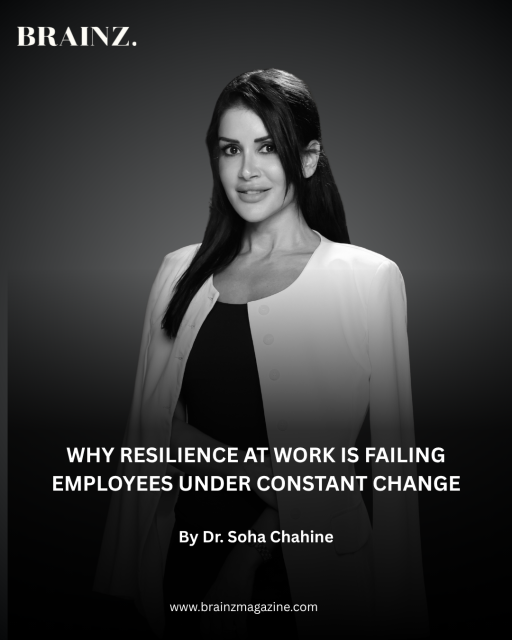 Why resilience at work is failing employees under constant change
Tags: Leadership
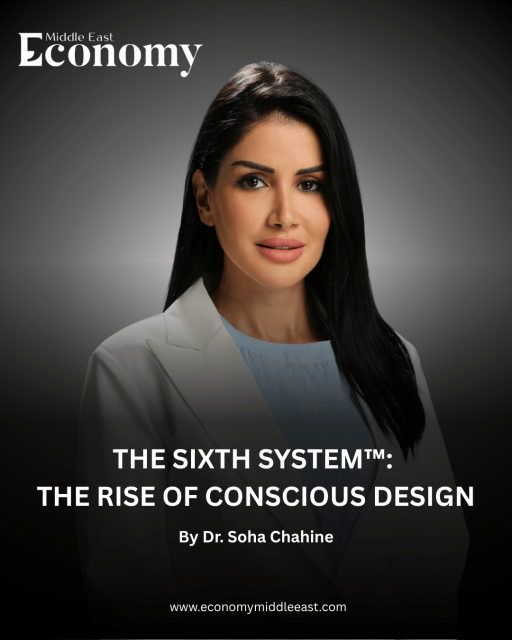 The Sixth System: The Rise of Conscious Design
Tags: Culture, Future of Work, Leadership
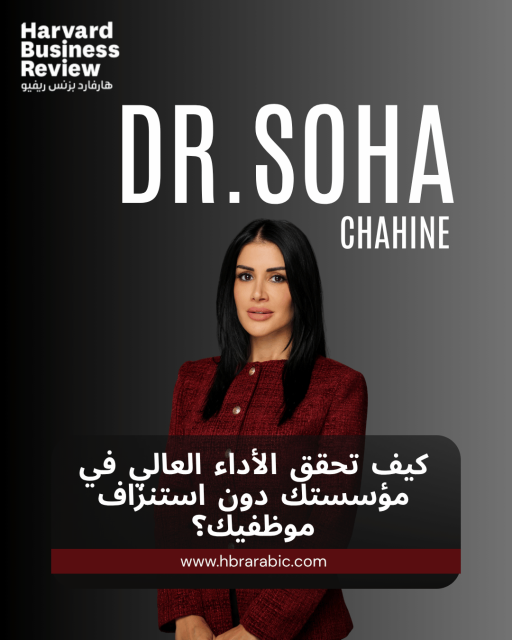 How to Achieve High Performance Without Exhausting Your Employee
Tags: Culture, Future of Work, Leadership
Tags: Future of Work, HR, Leadership
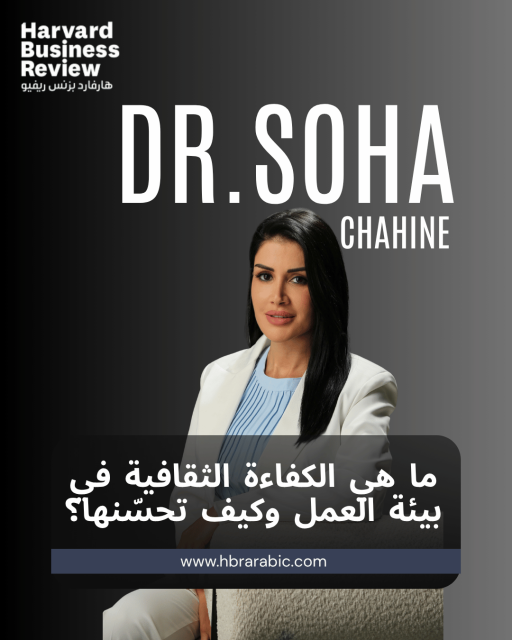 What Is Cultural Competence in the Workplace and How Can You Improve It?
Tags: Change Management, Diversity and Inclusion, Leadership
Tags: Entrepreneurship, Leadership
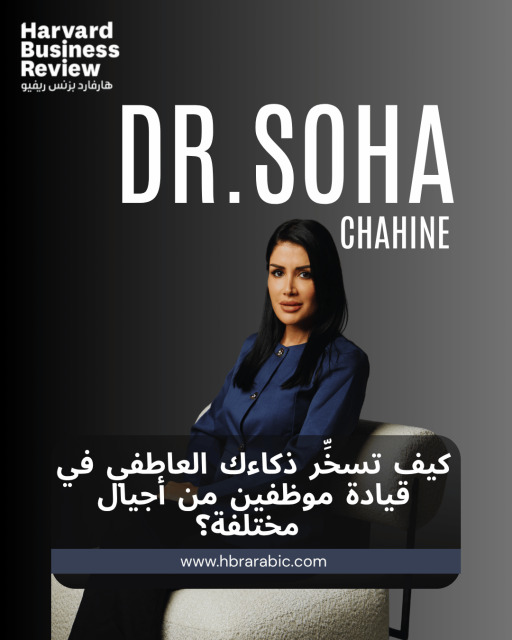 How to Leverage Emotional Intelligence to Lead Employees from Different Generations
Tags: Coaching, Future of Work, Leadership
Tags: Culture, HR, Leadership
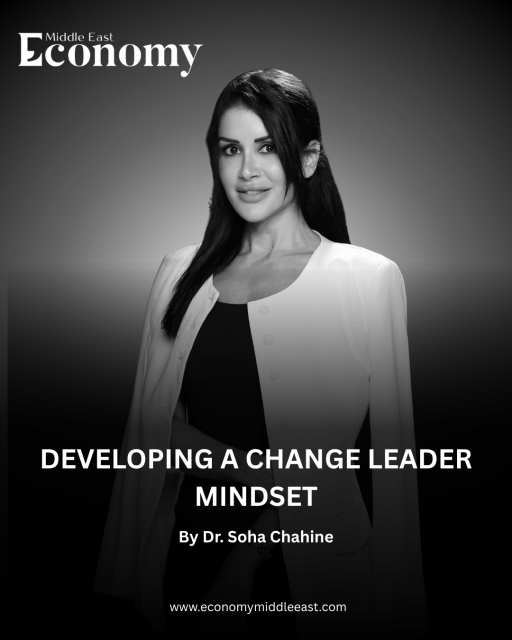 Developing a Change Leader Mindset
Tags: Change Management, Leadership, Transformation
Tags: Sustainability
Tags: Leadership, Innovation
Tags: Coaching
Tags: HR, Culture
Tags: Leadership
Tags: Leadership, Innovation
Tags: Leadership
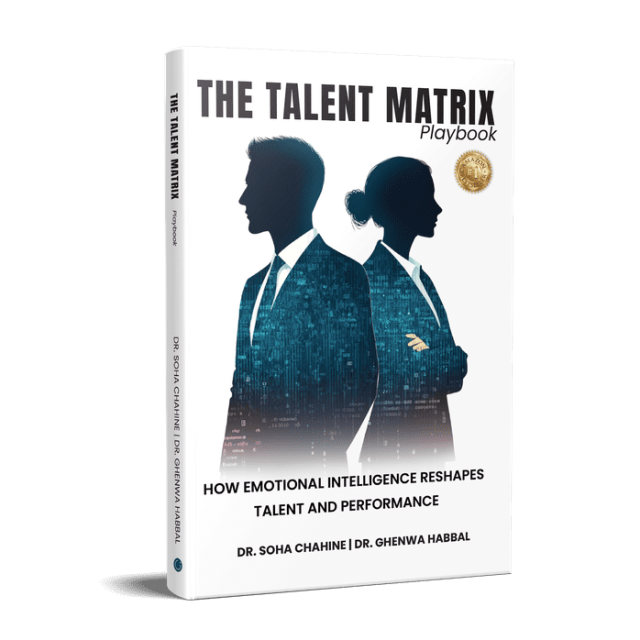 The Talent Matrix Playbook: How Emotional Intelligence Reshapes Talent and Performance
Tags: Coaching, HR, Leadership
 Shaken, Stirred But Not Deterred Vol. 2
Tags: Behavioral Science, Coaching, Leadership
Tags: Leadership
 Forsa FZC
Tags: Future of Work, HR, Leadership
 Founder
Tags: Coaching, Leadership
Tags: Leadership
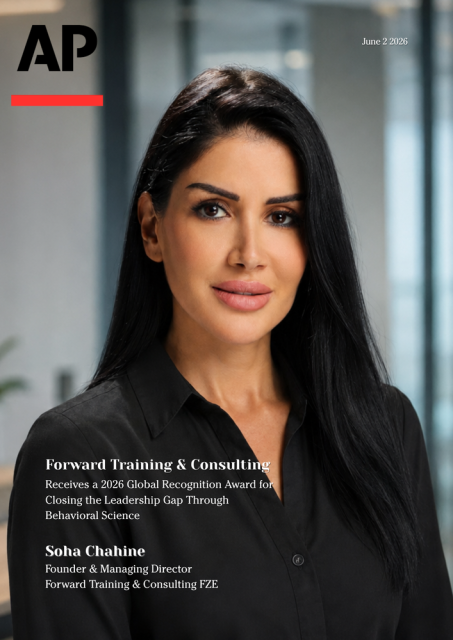 Forward Training & Consulting Receives a 2026 Global Recognition Award for Closing the Leadership Gap Through Behavioral Science
Tags: Leadership
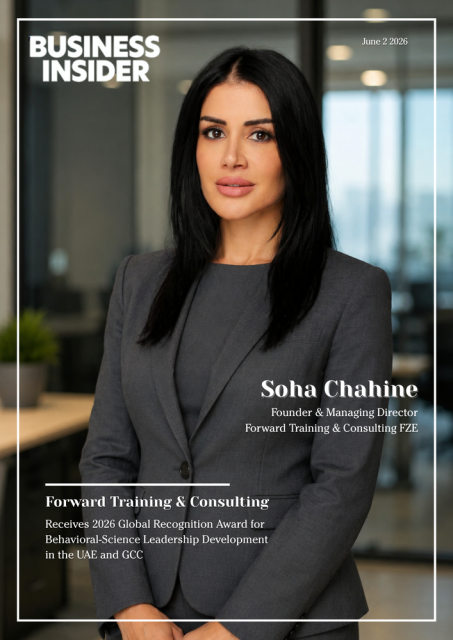 Forward Training & Consulting Receives 2026 Global Recognition Award for Behavioral-Science Leadership Development in the UAE and GCC
Tags: Leadership
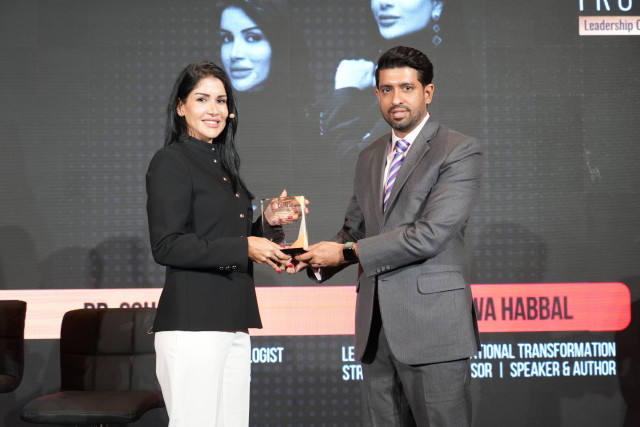 Excellence in Leadership & Innovation
Tags: Leadership, Innovation
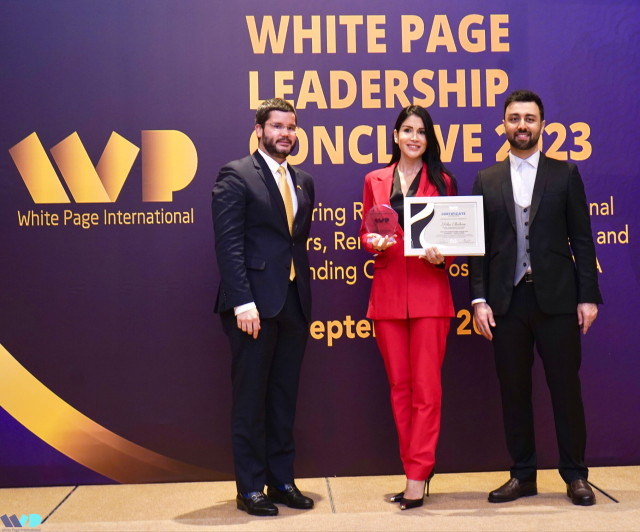 Asia’s 100 Women Power Leaders
Tags: Leadership
 Certified Strategy Advisor
Tags: Leadership
 BOARDROOM FOUNDATIONS: WHAT EVERY FUTURE BOARD DIRECTOR SHOULD KNOW
Tags: Leadership
 Think on your Feet
Tags: Leadership
 Human And Organisational Performance
Tags: Culture, Leadership
 Professional Certified Coach (PCC)
Tags: Coaching, Leadership
 Psychological Safety Practices
Tags: Culture, Leadership
Tags: HR
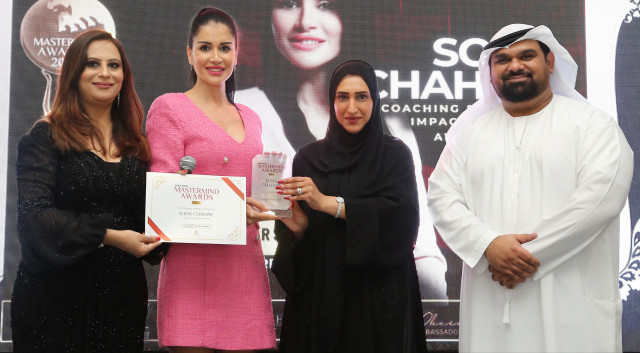 UAE Coaching & Training Impact Leader Award
Tags: Leadership
Tags: AI, Future of Work, Leadership
Tags: Careers, Leadership, Personal Branding
Tags: Behavioral Science, Culture, Leadership
Tags: Culture, Education, Leadership
Tags: Behavioral Science, Future of Work, Leadership
Tags: Behavioral Science, Future of Work, Leadership
 Are Graduates Ready for Work, or Only Qualified for It?
Tags: Education, Future of Work, Leadership
Tags: Leadership
 The Behavior Gap: How Forward Training & Consulting Is Rethinking Leadership Development in the GCC
Tags: Leadership
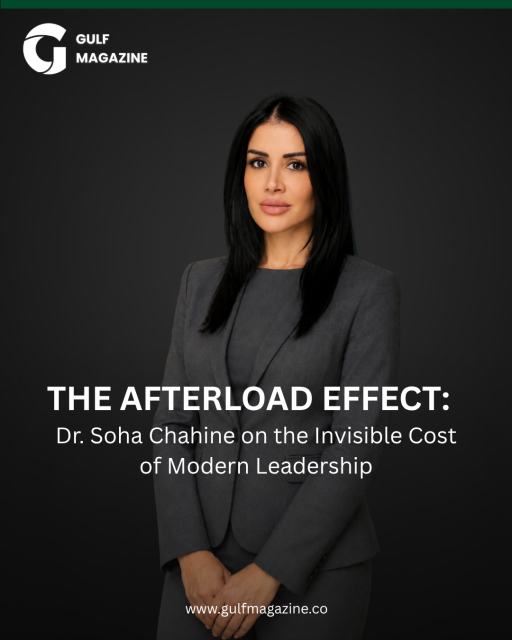 The Afterload Effect: Dr. Soha Chahine on the Invisible Cost of Modern Leadership
Tags: Culture, Leadership
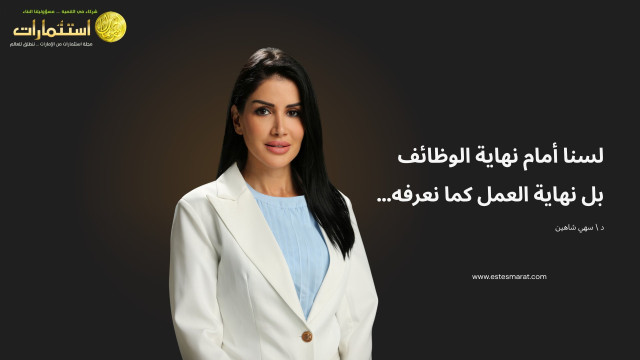 Artificial Intelligence Between Threatening Jobs and Creating Opportunities: What Future Awaits the Labor Market?
Tags: Change Management, Future of Work, Generative AI
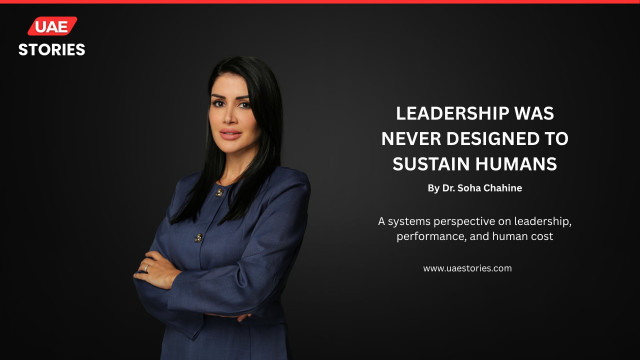 Leadership Was Never Designed to Sustain Humans
Tags: Culture, Diversity and Inclusion, Leadership
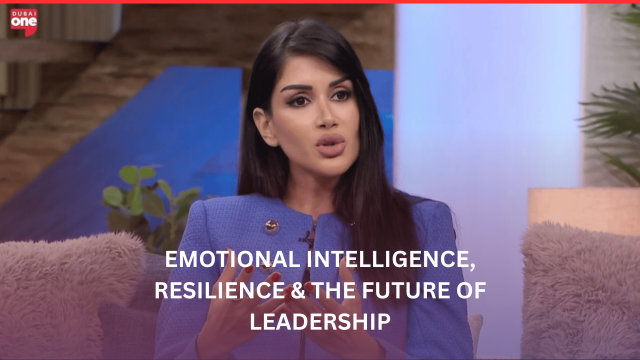 Emotional Intelligence, Resilience & The Future of Leadership
Tags: Coaching, Culture, Leadership
Tags: Coaching, Leadership, Transformation
Tags: Leadership
Tags: Leadership
Tags: Culture, Future of Work, Leadership
Tags: Future of Work, Leadership
Tags: Behavioral Science, Leadership, Culture
Tags: Leadership
Tags: Culture, Future of Work, Leadership
Tags: Culture, Diversity and Inclusion, Leadership
Tags: Behavioral Science, Leadership
Tags: Culture, Future of Work, Leadership
Tags: Culture, Leadership
Tags: Culture, Diversity and Inclusion, Leadership
Tags: Behavioral Science, Future of Work, Leadership
 Emotional Intelligence
Tags: Behavioral Science, Culture, Leadership
 Beyond the Buzzword: What Does Employee Happiness Really Mean?
Tags: Change Management, Culture, Leadership
 Emotional Intelligence
Tags: Behavioral Science, Culture, Leadership

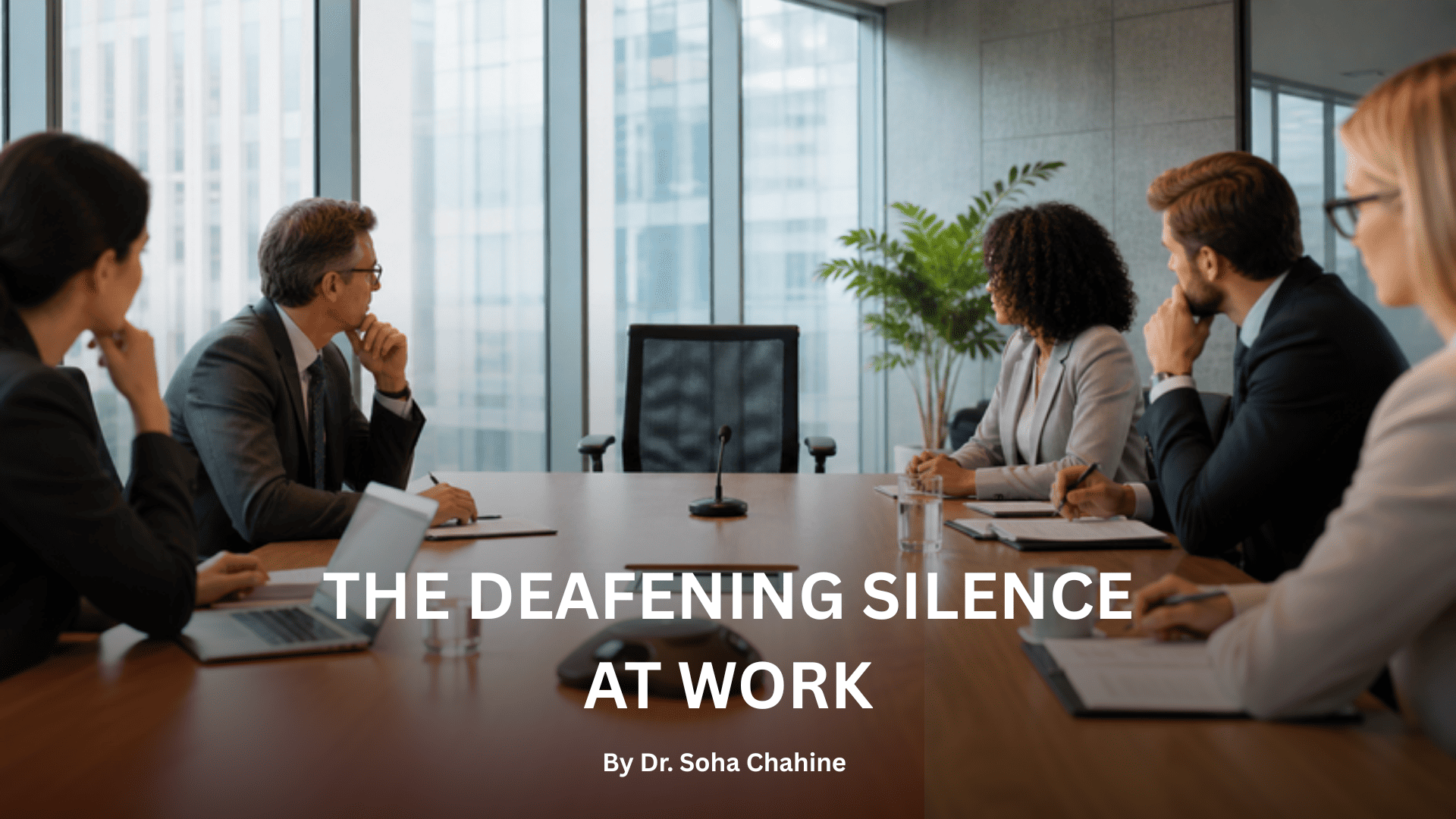 The Deafening Silence at Work
The Deafening Silence at Work
The loudest warning sign in a workplace is not always conflict.
Sometimes it is the meeting where no one challenges the decision. No one asks the obvious question. No one says, “I see this differently.” Everyone nods. Everyone leaves. And then the real conversation happens elsewhere, in corridors, private chats, coffee breaks, or inside people’s heads.
That is the deafening silence of modern work.
Not silence as reflection. Not silence as calm. Not silence as respect. Not silence as the natural rhythm of people who prefer to think before they speak.
I am talking about another kind of silence.
The silence that appears when people have learned that speaking honestly may cost them more than staying quiet.
Companies often notice the aftermath: disengagement, turnover, low innovation, poor collaboration, weak trust, passive compliance, conflict that appears “suddenly,” employee engagement scores that drop, and a culture that looks polite on the surface but feels heavy underneath.
But before these outcomes become visible, there is often an earlier signal.
People stop speaking.
They stop offering the uncomfortable truth. They stop challenging assumptions. They stop asking for clarity. They stop saying, “This is not working.” They stop naming the thing everyone can feel but no one wants to say.
This is what I call The Silence Signal: the early cultural warning sign before disengagement, turnover, conflict, or performance issues become visible. It happens when people stop speaking honestly because they no longer feel safe, included, valued, or convinced that their voice will make a difference.
And here is the danger: many organizations mistake that silence for alignment.
Silence Is Not Always Agreement
A quiet room can look efficient.
No pushback. No difficult questions. No visible resistance. For some leaders, that can feel like progress.
But silence is not always agreement. Sometimes it is fear wearing professional clothes.
This matters because silence is rarely just behavioral. It is psychological. It is relational. It is cultural.
People become silent because they are reading the room. They remember what happened the last time someone challenged a decision. They notice who gets interrupted, who gets rewarded, who gets labeled “negative,” who has to over-explain, who is heard immediately, and who is only heard when someone else repeats the same point.
A person can be included on paper and excluded in the room.
That is why inclusion and belonging cannot be reduced to representation, attendance, campaigns, or slogans. Diversity may get people into the room. Inclusion shapes how the room listens. Belonging determines whether people risk being honest once they are there.
The Danger Is Not Quiet People. The Danger Is Quieted People.
We need to be careful here.
Quietness is not the problem.
Introversion is not the problem.
Some of the most thoughtful people in organizations do not speak first. They process deeply. They may prefer to reflect before responding. They may contribute better in writing. They may notice patterns others miss because they are not rushing to fill the air.
That is not a weakness. That is a different way of participating.
The real issue is not quiet people. The real issue is quieted people.
Quiet people may choose silence because that is how they think. Quieted people choose silence because the environment has taught them it is safer.
There is a difference between a person who is processing and a person who is protecting themselves.
There is a difference between thoughtful silence and fearful silence.
There is a difference between a team that pauses because it is reflecting and a team that freezes because it has learned the truth is not welcome.
This is where many organizations ask the wrong question. They ask, “Why is this team so quiet?” when the better question is, “What have people learned happens when they speak?”
The Belonging Illusion
Many organizations are working hard on inclusion and belonging. That is important. But belonging is not proven by whether people attend the meeting. It is revealed by whether people feel safe enough to disagree inside it.
Belonging is tested when someone says:
“I do not understand the direction.”
“I think we are missing something.”
“I disagree with this decision.”
“I need more clarity.”
“I have a concern.”
“This is not how the team is experiencing it.”
“I do not feel heard.”
These moments show the true condition of a culture.
Psychological safety is central here. Harvard Business Publishing escribes psychological safety as essential for team success because it allows people to take interpersonal risks without fear of embarrassment or retribution, supporting honest problem-solving and innovation.
That is not a soft idea. It is a performance issue.
When people cannot speak, organizations lose more than opinions. They lose warnings, dissent, early signals, creativity, reality, and eventually trust.
Organizational Silence Is Not New, But It Is Becoming More Expensive
Organizational silence has been studied for years, but in workplaces built on speed, collaboration, and complexity, it has become more than a communication issue. It has become a risk.
A 2025 study on employee silence and psychological safety examined different forms of silence, including defensive, diffident, relational, ineffectual, and deviant silence. The study reinforces an important point: silence is not one simple behavior. It can come from fear, low confidence, relationship protection, perceived futility, or other workplace dynamics.
This is why leaders cannot interpret silence lazily.
Some silence means, “I am thinking.”
Some silence means, “I do not know enough yet.”
Some silence means, “I disagree but do not feel safe saying it.”
Some silence means, “I have spoken before and nothing changed.”
Some silence means, “This room has already decided who matters.”
Some silence means, “It is not worth the cost.”
Through my work at Forward Training & Consulting FZE, I have seen that many organizations do not suffer from a lack of employee voice because people have nothing to say. They suffer because people have learned that saying it may not be safe, useful, or worth the cost.
That is when silence becomes cultural.
And cultural silence rarely announces itself. It settles.
Why Companies Notice Too Late
Organizations often measure what becomes visible.
They measure engagement after people have emotionally withdrawn. They measure turnover after people have already decided to leave. They measure collaboration after trust has weakened. They measure innovation after ideas have stopped surfacing. They measure psychological safety after silence has become normal.
But the more important question is this:
What did people stop saying before the numbers started dropping?
Before disengagement, there may have been unanswered questions.
Before turnover, there may have been moments where people felt unseen.
Before low innovation, there may have been meetings where ideas were dismissed too quickly.
Before conflict, there may have been truths people avoided naming.
Before performance declined, there may have been confusion that nobody wanted to admit.
Before people left the organization, they may have first left the conversation.
This is the silence before the signal.
And when leaders miss it, they manage symptoms rather than the system that created them.
Silence Without Safety Is Not Peace. It Is Pressure.
There is a kind of silence that is healthy: reflective silence, listening silence, learning silence, the silence that gives people space to think.
That is not what we should fear.
The silence that should concern leaders is the silence that arrives with tension underneath it.
The meeting is calm, but nobody believes the decision.
The team says yes, but the energy says no.
The employee nods, but the question remains unasked.
The room is polite, but the truth has left.
This kind of silence is not peace. It is pressure.
And pressure that cannot speak usually finds another exit. It becomes sarcasm, withdrawal, gossip, passive resistance, slow execution, emotional distance, or resignation.
Leaders may think the issue appeared at the end. In reality, the issue may have been forming quietly for months.
What Leaders Need to Notice
The future of work will not only require more voices. It will require safer rooms.
That means leaders need to listen beyond who speaks the loudest. They need to notice the ecology of voice in the room.
Who speaks first?
Who never speaks unless invited?
Who gets interrupted?
Who gets ignored?
Who has to over-explain to be believed?
Who contributes only after the meeting, privately?
Who is physically present but absent from the conversation?
Which questions never get asked?
Where are we mistaking silence for agreement?
These questions matter because leadership is not only about sending messages. It is also about reading what the culture has trained people not to say.
A psychologically safer culture is not one where people speak without thought. It is one where people can speak with honesty, care, and consequence. Not every comment needs to be accepted. Not every disagreement changes the decision. But people need to know that truth will not be punished simply because it is inconvenient.
That is where belonging becomes real.
Belonging is not comfort all the time. Sometimes belonging is the ability to bring discomfort into the room without losing dignity.
From Employee Voice to Organizational Hearing
Many organizations say they want employee voice. But voice is only half the equation.
The other half is organizational hearing.
It is not enough to invite people to speak if the system is not prepared to listen.
People notice when feedback disappears into a survey. They notice when leaders ask for honesty but react defensively. They notice when the same voices are celebrated while others are ignored. They notice when difficult questions are reframed, diluted, or postponed until they lose force.
Over time, people learn what is safe, what is performative, what is welcome, what gets them excluded, and whether speaking changes anything.
And then they decide whether their voice is worth using.
This is why the deafening silence at work is not created by employees alone. It is co-created by leadership behavior, cultural memory, power dynamics, meeting habits, decision-making patterns, and the organization’s tolerance for truth.
The Leadership Question Has Changed
The real leadership question is not, “Are we communicating enough?”
Most organizations are communicating constantly.
Emails. Town halls. Dashboards. Announcements. Internal campaigns. Team meetings. Engagement surveys. Strategy updates.
The sharper question is:
What are people still afraid to say?
And perhaps even more importantly:
What have we done with the truths they already gave us?
Because silence is often not the first response. It is the response after previous attempts to speak did not matter.
If leaders want more honesty, they must examine the history of the room. What happened the last time someone challenged the dominant view? What happened when someone said the strategy was unclear? What happened when a junior employee raised a risk? What happened when someone from a less powerful group disagreed?
Culture remembers.
And people behave according to that memory.
The Room Must Be Safe Enough for Truth
The deafening silence in modern work is not simply the absence of words. It is the presence of unspoken truth.
It tells us where belonging may be fragile. Where trust may be thin. Where inclusion may exist in language but not yet in lived experience. Where leadership may be hearing agreement but receiving protection. Where people may be present, but no longer fully participating.
If organizations want to understand their future risks, they should not only look at dashboards. They should look at the room.
Not only who is invited.
Not only who attends.
Not only who speaks.
But who has stopped trying.
Because when people stop speaking, the organization does not become aligned. It becomes less informed.
The future of work will not only belong to organizations that invite more voices into the room.
It will belong to those that build rooms safe enough for the truth to enter.
Tags: Leadership, Diversity and Inclusion, Behavioral Science
 How People, Culture and Talent Drive Business GrowthExcellence in Leadership & Organizational Development Are Graduates Ready for Work, or Only Qualified for It?The Deafening Silence at Work