May18
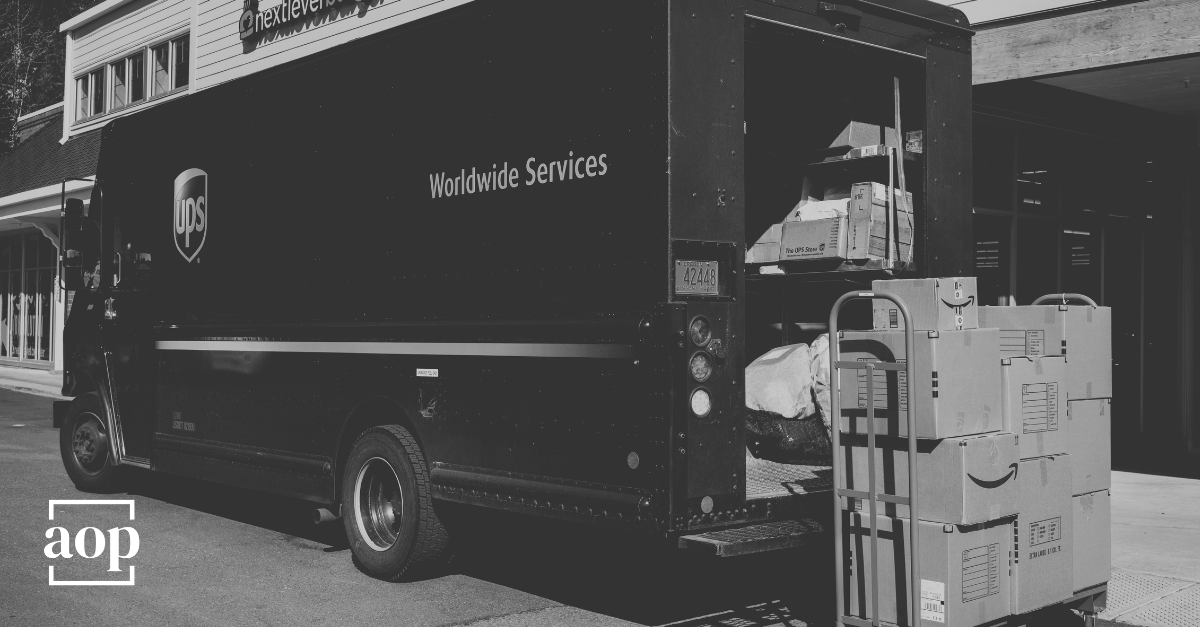
UPS is in the middle of a painful transformation, and its decision to sharply reduce Amazon package volume is driving both financial and labor upheaval. According to The Motley Fool, Amazon represented 11 percent of UPS revenue in 2024 but accounted for as much as 25 percent of U.S. delivery volume. In other words, Amazon brought scale, but not enough profitability.
When UPS announced plans in early 2025 to cut Amazon volume by more than half, Wall Street reacted negatively. Revenue declined, the company cut 48,000 jobs, closed 93 facilities, and restructured its network. At the same time, the Teamsters union accused UPS of undermining labor protections through voluntary driver buyouts.
But UPS argues it has little choice. The company is shifting its strategy away from maximizing package volume and toward improving profitability per package.
A major part of that strategy has been workforce reduction through buyouts. UPS first introduced driver buyouts in 2025 and expanded them significantly in 2026 through its Driver Choice Program (DCP). The company initially offered more than 100,000 unionized drivers payments of up to $150,000 to leave the company permanently.
The 2025 version targeted veteran drivers with 25 to 40 years of experience, offering $1,800 per year of service with a $10,000 minimum payout. About 3,000 drivers accepted those offers despite union opposition.
The Teamsters strongly objected to the expanded 2026 program. The union argued that participating workers were being required to waive union rights, surrender long-term benefits, and agree never to return to UPS. The union also claimed the buyouts violated provisions of the current National Master Agreement and contradicted earlier commitments from UPS to create 22,500 full-time union jobs.
For the Teamsters, the issue is about more than headcount reduction. They see the buyouts as part of a broader erosion of union influence and job security.
Tensions escalated when UPS temporarily withdrew the Driver Choice Program in 13 Central Region states, affecting roughly 68,000 Teamsters across 37 local unions. The union claimed UPS backed down after being overwhelmed with grievances.
Eventually, the two sides reached a compromise. UPS can continue offering buyouts nationwide, but participation is capped at 7,500 drivers rather than the original 100,000 target. The offers must be based on seniority and limited to specific driver categories. UPS also agreed not to introduce additional buyout programs before the current Teamsters contract expires in 2028.
The underlying conflict, however, remains unresolved.
Teamsters president Sean O’Brien has been highly vocal about UPS’s direction, criticizing both automation and facility restructuring efforts. He argues the company has abandoned its historical focus on growth, customer service, and job creation in favor of profitability at all costs.
That profitability pressure is real. Earlier this year, FedEx surpassed UPS in market capitalization for the first time. While the two companies generate nearly identical annual revenue (roughly $88 billion) FedEx delivers far fewer packages each day. FedEx handles about 14 million daily packages compared to UPS’s 40 million, meaning FedEx generates almost the same revenue with significantly lower operational intensity.
UPS faces an additional challenge because its workforce is unionized, while FedEx’s largely is not.
Despite the disruption, UPS’s strategy is beginning to improve financial performance. Although U.S. package volume fell by 10.8 percent in Q4 following the Amazon pullback, revenue per package increased by 8.3 percent.
From a Wall Street perspective, the plan may be working. From labor’s perspective, the costs are much harder to ignore.
Learn more in this episode of Art of Supply: https://artofprocurement.com/blog/supply-ups-picks-profitability-over-volume-and-the-teamsters-push-back
By Kelly Barner
Keywords: Supply Chain
 You are not your diagnosis
 Is GenAI good for anything?
 “I didn’t write an award acceptance speech because I didn’t expect to win.”
 AI Is Exposing the Data Problems Humans Used to Hide
 "The AI may in fact be conscious." Really?