Jun06

If you've been laid off, the people who care about you already suspect it. Your LinkedIn has gone quiet, or suddenly very active. You're reaching out to people you haven't spoken to in months. You're suggesting "a coffee to catch up" with a level of enthusiasm that doesn't match the last two years of silence.
There's a better way.
"I'm in transition, and I'd value your perspective."
"I'm looking for a VP Operations role in a mid-size company. If you hear of anything, I'd appreciate it."
"Who is your favorite recruiter? Would you be willing to make a personal introduction?"
An honest request, without guilt if they can't help right now. That's not desperation. That's respect, for them and for yourself.
Ellie Rich-Poole, an executive career coach who works with senior leaders navigating transitions, confirmed this when I interviewed her for my recent Fast Company article on this topic. The people who land quickly, she says, are the ones who "proactively got in touch and asked for help, being brave and vulnerable, and specific with their requests." Not vague. Specific. Specificity makes it easy for people to actually help. Vagueness lets them off the hook with "I'll keep my ears open," which we both know means nothing.
A Supporter says, "Let me know if I can help," and then goes quiet. An Ally picks up the phone before you have to ask.
When you make an honest ask, some people lean in. They send you a name. They make a call on your behalf. They follow up a week later to check how things are going. Those are your Allies. Others say all the right words and disappear. Those are your Supporters, and that's fine, but knowing the difference saves you from pouring energy into relationships that can't hold your weight right now.
That discovery isn't comfortable. But it's one of the most clarifying things that can happen to your professional life.
This is the part most career advice completely ignores.
You've made the ask. Someone has helped you, made an introduction, shared a lead, given you 30 minutes of their time. Now what?
Make a deposit back into that relationship. Not as a quid pro quo, but as the reactivation of your relationship investment muscle. Share an article relevant to their work. Connect them with someone in your network they should know. Ask about their challenges, not just your own. Send a note when you see they've had a win.
These aren't transactions. They're the habits that turn a moment of vulnerability into a relationship that's stronger than it was before. And they remind you that even in transition, you have something to give. You're not just a person who needs help. You're a person who helps.
Think of the best boss or colleague you've ever had. Someone you'd jump at the chance to work with again. Now send them a message, LinkedIn, email, even a handwritten note, and tell them what made them special. Not because you need something. Because they deserve to hear it.
That single act of reaching out is how dormant relationships come back to life. And if you are in transition, that conversation might lead somewhere you didn't expect, not because you asked for a favor, but because you reminded someone why they valued you in the first place.
The best time to invest in your relationships was a year ago. The second best time is today.
I wrote a full article for Fast Company that covers the complete before, during, and after framework for protecting your relationships through a layoff. If you or someone you know is navigating a transition, I hope it helps.
Read the full article here: https://www.fastcompany.com/91522409/laid-off-lean-on-your-relationships-not-your-network
And I'd love to hear from you. When you've been in transition, did leading with honesty help or hurt? What's the best advice you received, or the best thing someone did for you? Drop it in the comments. Your experience might be exactly what someone else needs to hear right now.
Ellie Rich-Poole is an executive career coach who works with senior leaders navigating career transitions. If you're in transition and want expert support, you can find her at ellierichpoole.com.
Morag Barrett is a keynote speaker and bestselling author of Cultivate: The Power of Winning Relationships and You, Me, We: Why We All Need a Friend at Work. She works with leaders and teams to build the workplace relationships and leadership behaviors that drive trust and results. Learn more at SkyeTeam.com.
Keywords: Careers, Leadership, Management
 AI Is Exposing the Data Problems Humans Used to Hide
 "The AI may in fact be conscious." Really?
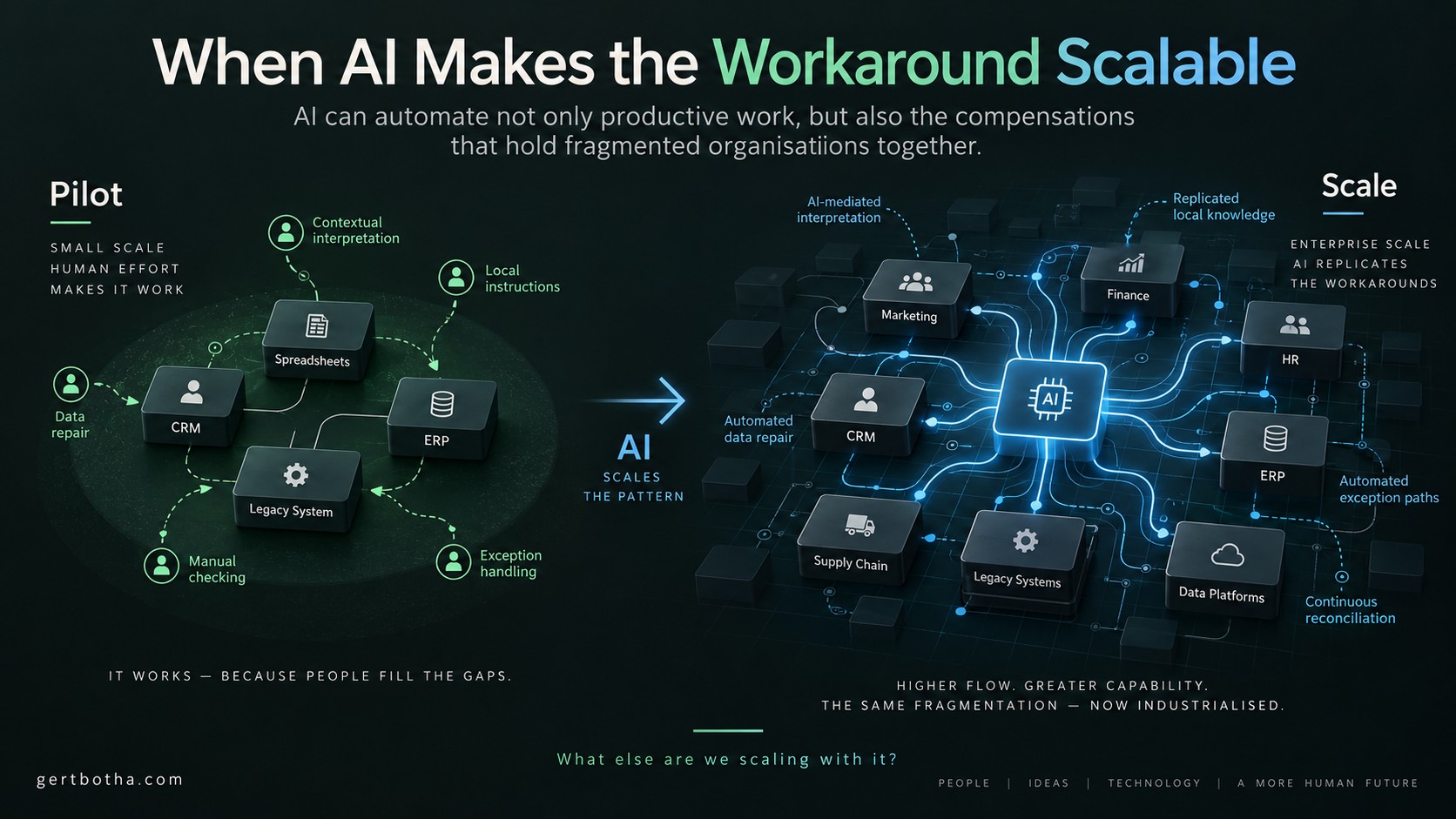 When AI Makes the Workaround Scalable
 The Age of Continuous Shocks: Why the coming downturn will be decided in your supply chain
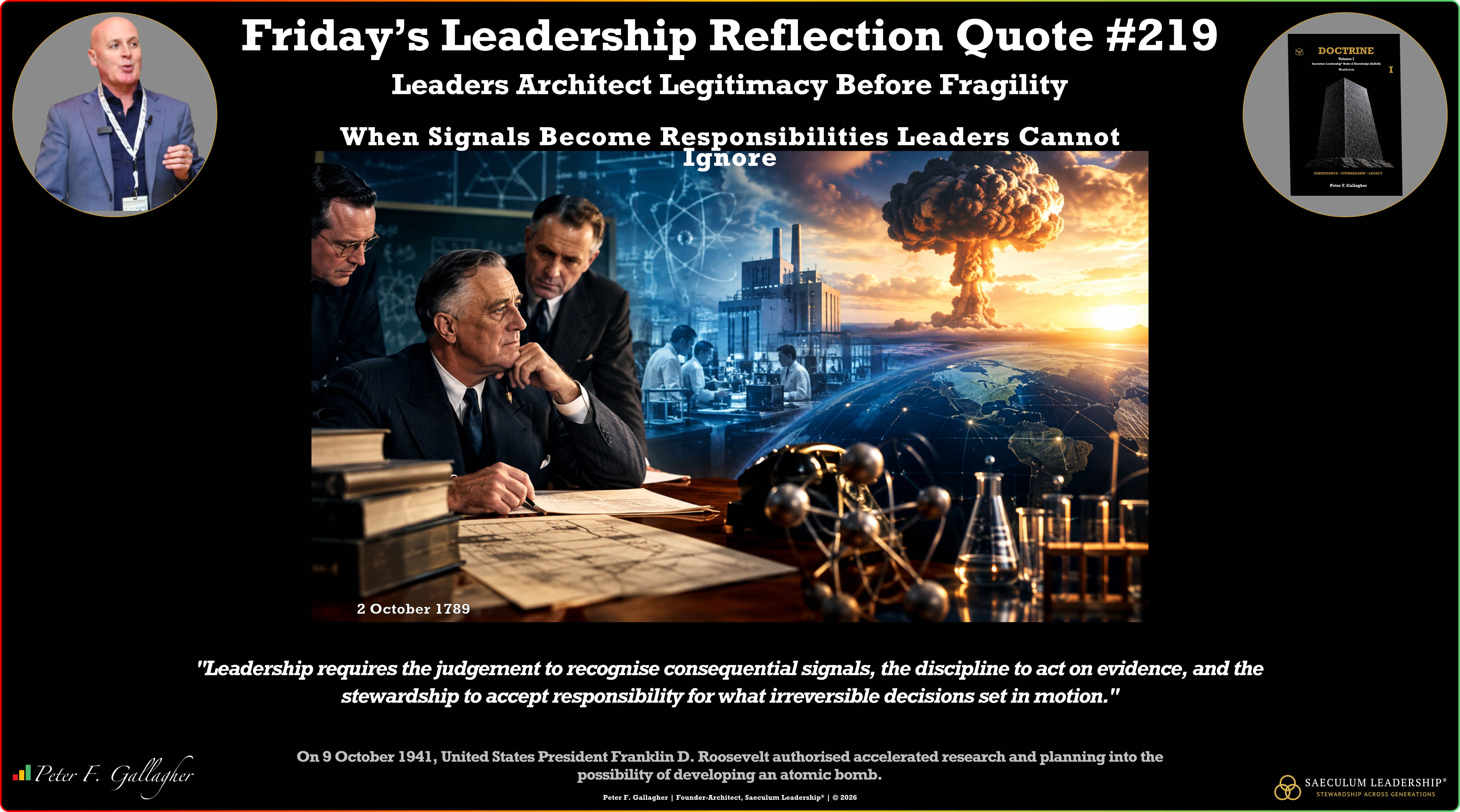 Friday’s Leader Reflection Quote – Saeculum Leadership Leaders Accept Decisions Create Responsibilities