Dec19

In many organizations, planning gradually shifts from a strategy-led exercise to a detailed operational negotiation. As assumptions multiply and templates expand, strategic intent remains referenced but no longer leads decision-making.
This article examines why excessive detail introduced too early can undermine strategy, how planning processes often conflate long-term strategic alignment with short-term operational accuracy, and why effective planning works in the opposite order. It also explores how digital transformation, when grounded in clear strategic anchors and sound data foundations, can support better planning by enabling faster scenario analysis without accelerating confusion.
The organizations that plan well are not those with the most granular forecasts, but those that preserve strategic clarity throughout the planning process, using detail to inform decisions rather than replace them.
Keywords: Digital Transformation, Finance, Transformation
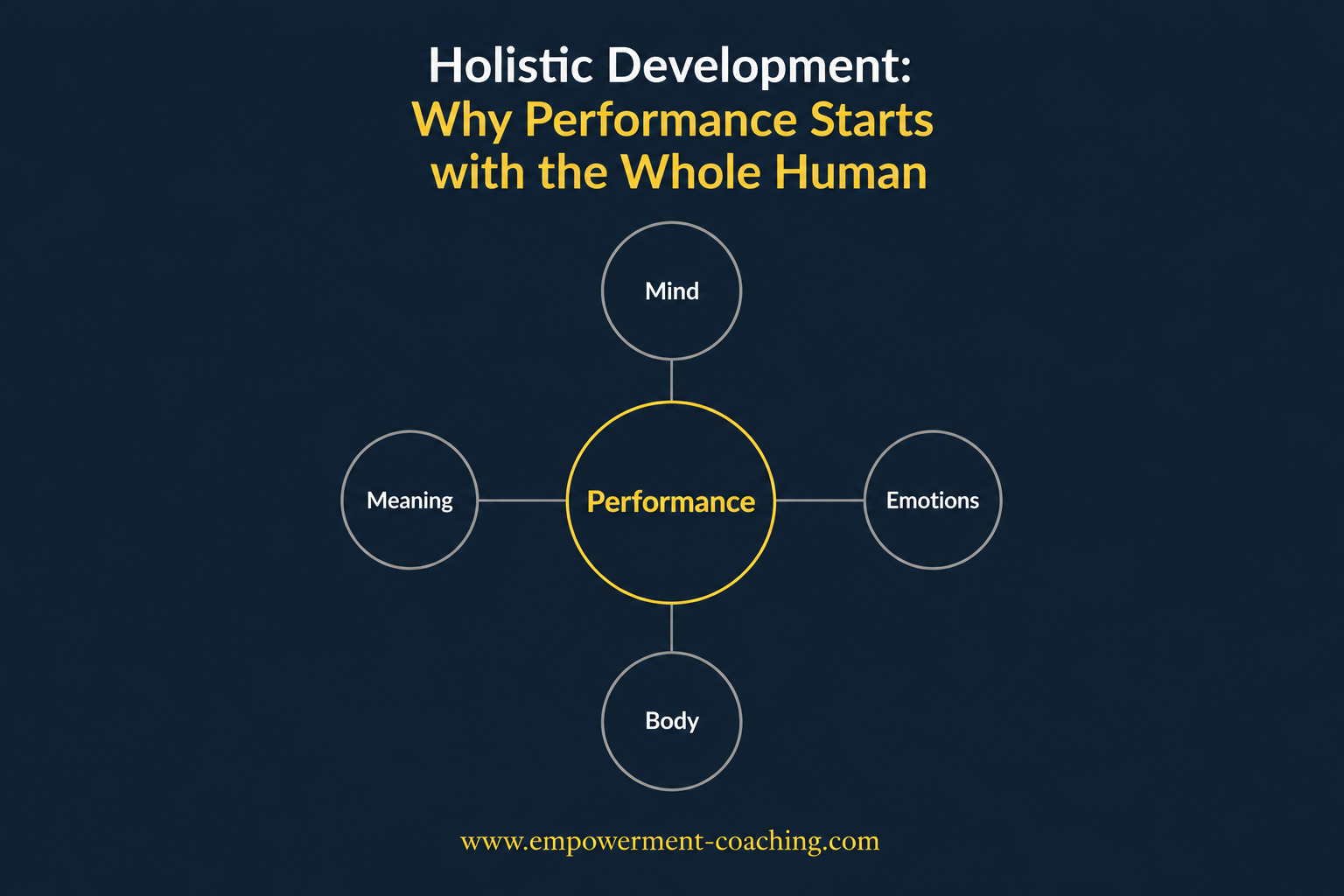 Holistic Development: Why Performance Starts with the Whole Human
 The Most Dangerous Leader in the Room May Be the One Everyone Depends On
 What is that Analytical AI?
 Friday’s Leadership Reflection Quote – Saeculum Leadership Leaders Intervene Before Options Narrow
 The Corix Partners Friday Reading List - October 23, 2026