Mar15

For decades, international expansion was largely a commercial challenge. Companies entering global markets typically focused on three variables: product, price, and distribution.
Today, a fourth factor has become increasingly influential — geopolitics.
Not only through regulations or tariffs, but through something more subtle and powerful: trust.
I encountered this dynamic firsthand while advising a Chinese commercial robotics company that had previously built a strong presence in North America. At its peak, nearly 50% of its global revenue came from the region. The company’s products were technologically competitive, and the robotics industry itself was experiencing rapid growth.
Yet starting around 2020, the company’s North American revenue began to decline.
Operationally, nothing appeared broken. Product performance remained strong, distribution channels were stable, and compliance with regulations was intact.
Something else had changed.
Rather than relying on internal assumptions, we conducted a broader market diagnostic that included social listening, media narrative analysis, and public sentiment tracking.
What emerged was revealing.
The decline in sales was not caused by operational issues or regulatory restrictions. Instead, we observed a growing negative sentiment toward Chinese technology brands across media narratives, online discussions, and policy debates in North America.
In other words, the company was not simply competing in the robotics market anymore.
It had become part of a geopolitical narrative.
This shift created what could be described as a “trust deficit.” Buyers were increasingly cautious, not necessarily because of the product itself, but because of the broader geopolitical environment shaping public perception.
The initial reaction within the company was understandable: increase marketing investment.
More branding campaigns.
More public relations.
More communication to reassure customers.
However, the social listening analysis revealed a critical strategic reality.
A single company’s PR and marketing efforts cannot realistically counter national political narratives or media discourse.
When trust erosion is driven by geopolitical tension, the narrative ecosystem is simply too large. Governments, policy debates, media commentary, and social discussions collectively shape perception.
Under these circumstances, traditional brand marketing would likely produce limited return on investment.
Instead of asking how to rebuild trust in the brand directly, we reframed the strategic question:
How can the company continue competing without needing to win the geopolitical trust battle itself?
The solution came not from messaging, but from business structure.
Instead of selling products directly under its Chinese brand, the robotics company explored strategic ODM partnerships with established North American companies.
Under this model:
The Chinese firm would contribute
• core robotics technology
• manufacturing expertise
The North American partner would contribute
• brand credibility
• distribution networks
• trusted customer relationships
The product remained the same.
But the interface with the market changed.
Instead of asking customers to trust a foreign brand, the product entered the market through a trusted local brand ecosystem.
Interestingly, the most suitable partner turned out to be a company that had previously been a competitor.
Building that partnership required careful trust building between both organizations. Early discussions were conducted privately, including meetings near Stanford University, where both sides explored whether collaboration could unlock mutual value.
Despite the broader geopolitical tension, business pragmatism prevailed.
One company possessed strong robotics technology and cost-efficient manufacturing. The other possessed established market trust and customer access.
Together they created a complementary ecosystem.
This experience highlights an important lesson for companies operating in an increasingly fragmented global environment.
When geopolitical narratives affect market trust, traditional branding strategies may not be sufficient.
In some cases, the more effective response is structural rather than communicational.
Instead of trying to change public perception directly, companies can redesign how they participate in the market through partnerships, ecosystems, and new operating models.
Globalization is not ending, but it is evolving.
Markets today are shaped not only by economic competitiveness, but also by trust architectures influenced by politics, media narratives, and national discourse.
Companies that succeed internationally will need more than strong products.
They will need strategic flexibility — the ability to design cross-border partnerships that align technology capability with local trust.
Sometimes the smartest strategy is not pushing harder against geopolitical headwinds.
It is changing the sail.
By Hans PENG
Keywords: AI, International Relations, Risk Management
 "The AI may in fact be conscious." Really?
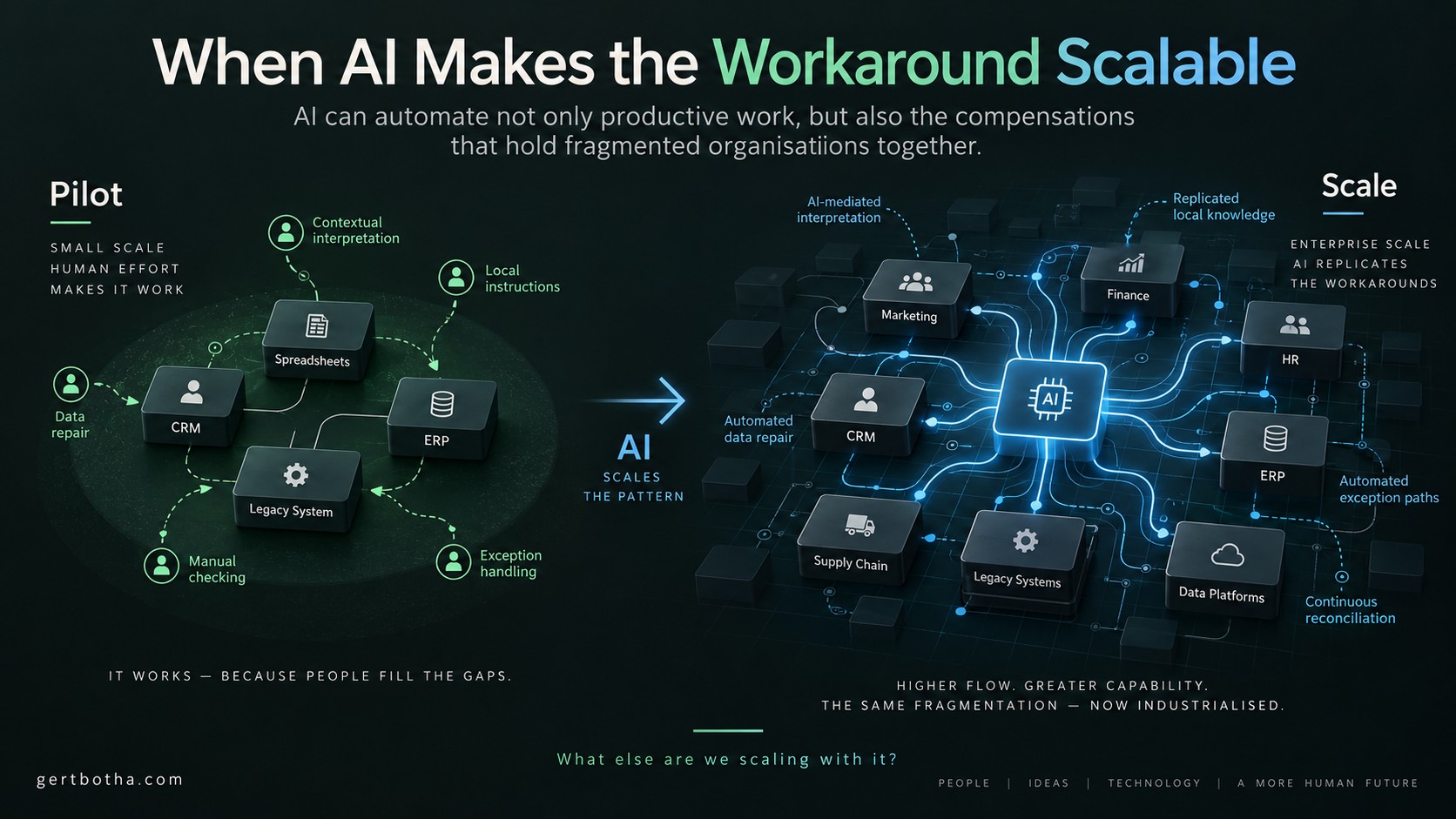 When AI Makes the Workaround Scalable
 The Age of Continuous Shocks: Why the coming downturn will be decided in your supply chain
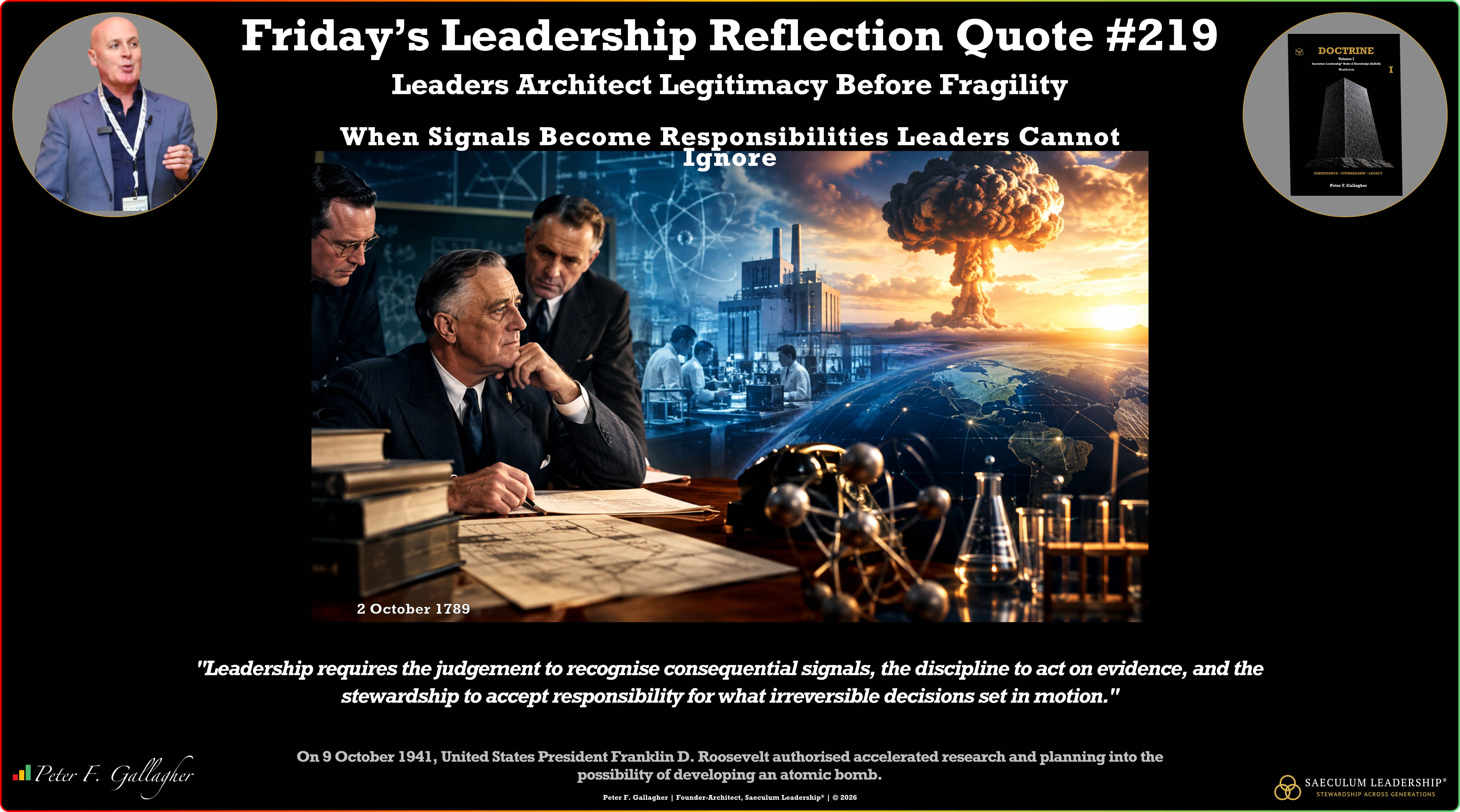 Friday’s Leader Reflection Quote – Saeculum Leadership Leaders Accept Decisions Create Responsibilities
 The Corix Partners Friday Reading List - October 9, 2026