Feb06

Too many companies jump right into succession planning by concentrating solely on the C-suite. But to create a truly effective succession plan, you should start by collecting and analyzing personnel data for the organization as a whole.
C͟o͟l͟l͟e͟c͟t͟
A chart of tenure of a͟l͟l͟ employees – because first and foremost, you need to see how many folks are close to retirement age.
Look for a͟n͟y͟o͟n͟e͟ with 20+ years of service (regardless of their role) and start thinking about who is in the pipeline to replace them.
Also run a report of voluntary separations for the last 5 years – you might be surprised to learn that there are predictable points when people leave your organization – and if so – you have to fix that first, before you can start succession planning.
Next, make a list of what is considered a "senior leader" in your organization - VPs, Directors, Managers - however you label them,
AND
A list of k͟e͟y͟ r͟o͟l͟e͟s͟ – this is something most organizations ignore.
A key role is someone - who if they were to leave – would cause significant damage to operations.
Too often companies focus their succession planning solely on the C-suite – but if you lose your business development person or your sole IT person… you know your company is going to be in big trouble.
So before you begin planning for promotions or creating development plans, you need to know who you have to work with, today.
AND you need to know if, first and foremost, you have a retention problem.
These data points are often eye-opening and make subsequent succession planning activities more robust by supporting the whole organization.
You can grab a copy of my 12-Month Succession Planning Calendar, here
Keywords: Leadership, HR, Entrepreneurship
 AI Is Exposing the Data Problems Humans Used to Hide
 "The AI may in fact be conscious." Really?
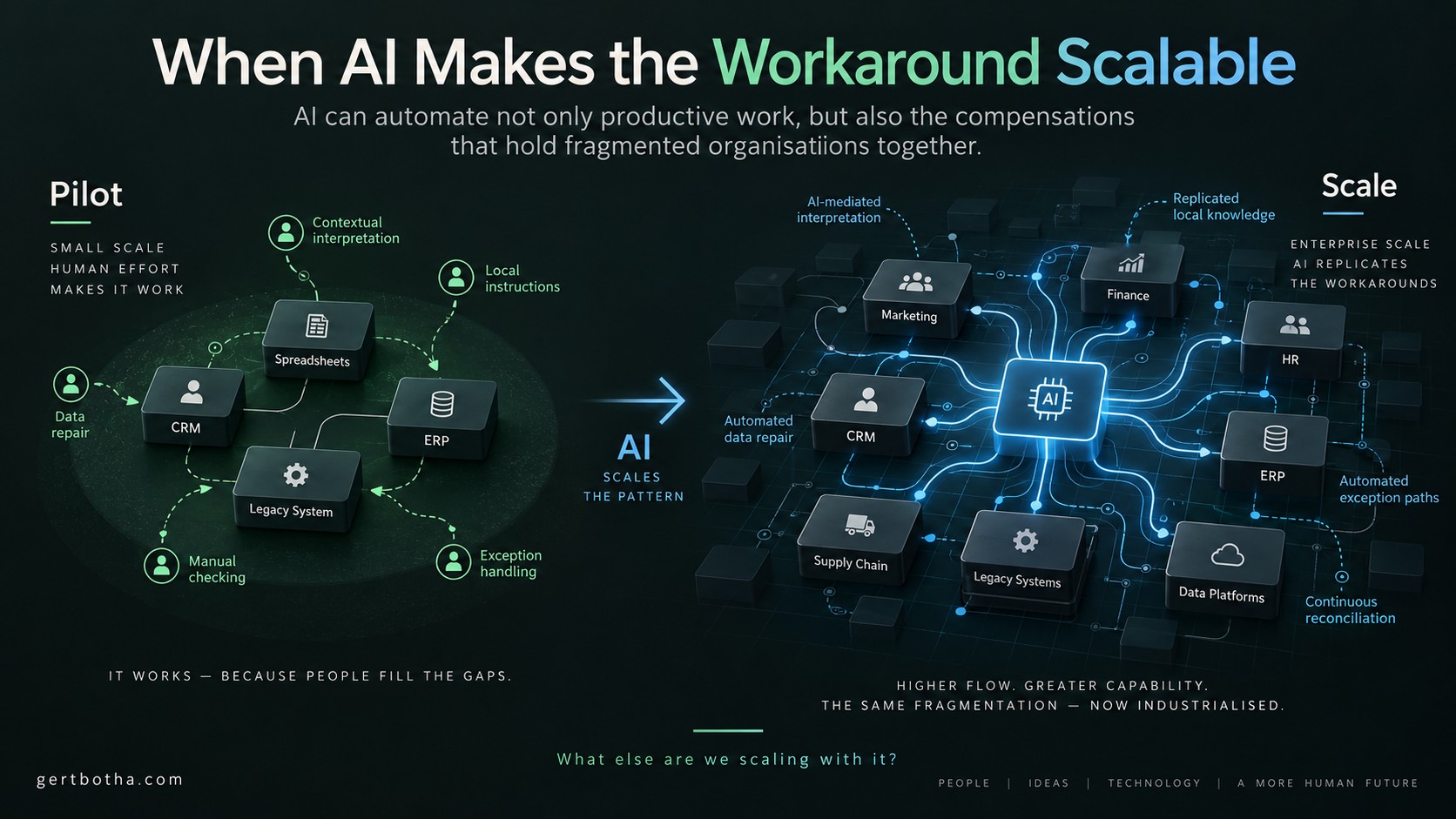 When AI Makes the Workaround Scalable
 The Age of Continuous Shocks: Why the coming downturn will be decided in your supply chain
 Friday’s Leader Reflection Quote – Saeculum Leadership Leaders Accept Decisions Create Responsibilities