Mar27

Top 10 Leadership and Management links of the week, curated by Corix Partners Founder and CEO JC Gaillard, focusing on cyber security of course, but also a large cross section of subjects including digital transformation, emerging tech, AI governance and the future of work.
This Week >> AI is exposing the cracks in everything we thought was “secure” and “ready.”
- Reactive cybersecurity is obsolete — proactive is mandatory
- AI adoption is outpacing security, creating critical gaps
- Traditional security & data strategies are breaking under real-world pressure
- Reliability, AI readiness, and risk are now board-level concerns
- Complexity (cloud, AI, data) is spiraling beyond control
The real challenge isn’t adopting AI — it’s rebuilding security, resilience, and leadership models fast enough to keep up.
Why Proactive Cybersecurity Is Essential in the AI Era
In an AI-driven threat landscape, organizations must shift from reactive defense to proactive, predictive cybersecurity strategies.
Pressure to Adopt AI Has Led to Critical Security Gaps
Rapid AI adoption is creating security blind spots as organizations prioritize speed over robust risk management.
AI Is Breaking Traditional Security Models
Legacy security architectures are failing because they weren’t designed for autonomous, adaptive, AI-driven environments.
Why Most Data Security Strategies Collapse Under Real-World Pressure
Data security frameworks often fail in practice due to complexity, scale, and lack of operational enforcement.
What Changes When Reliability Becomes a Board-Level Problem
When reliability is elevated to the board, it transforms from a technical metric into a strategic accountability and governance issue.
Strategic Leadership in Digital Transformation
Successful digital transformation depends more on leadership alignment and vision than on technology deployment alone.
https://www.infosecurity-magazine.com/opinions/strategic-leadership-in-digital/
6 Innovation Curves Rewriting Enterprise IT Strategy
Multiple converging innovation waves—AI, cloud, data, and automation—are fundamentally reshaping enterprise IT priorities.
https://www.cio.com/article/4147709/6-innovation-curves-are-rewriting-enterprise-it-strategy.html
The Five-Dimension Assessment for AI Readiness
Scaling AI requires a holistic assessment across strategy, data, talent, governance, and technology maturity.
How to Rescue Failing AI Initiatives
AI projects fail when they lack clear business alignment, but can be recovered through refocusing on measurable value and execution discipline.
https://www.cio.com/article/4141649/how-to-rescue-failing-ai-initiatives.html
Cloud at 20: Cost, Complexity, and Control
After two decades, cloud computing’s biggest challenges have shifted from adoption to managing cost, complexity, and governance.
https://www.infoworld.com/article/4147766/cloud-at-20-cost-complexity-and-control.html
Click here to join our newsletter for more Cyber Security Leadership insights.
Contact Corix Partners to find out more about developing a successful Cyber Security Practice for your business.
Corix Partners is a Boutique Management Consultancy Firm and Thought-Leadership Platform, focused on assisting CIOs and other C-level executives in resolving Cyber Security Strategy, Organisation & Governance challenges.
Our Founder and CEO JC Gaillard is is a leading strategic advisor and a globally-recognised cybersecurity thought-leader with over 25 years of experience developed in several financial institutions in the UK and continental Europe, and a track-record at driving fundamental change in the security field across global organisations, looking beyond the technical horizon into strategy, governance, culture, and the real dynamics of business transformation.
He is the author of:
Keywords: Cybersecurity, GRC, Leadership
 FROM THE AISLE Field Notes on AI Implementation
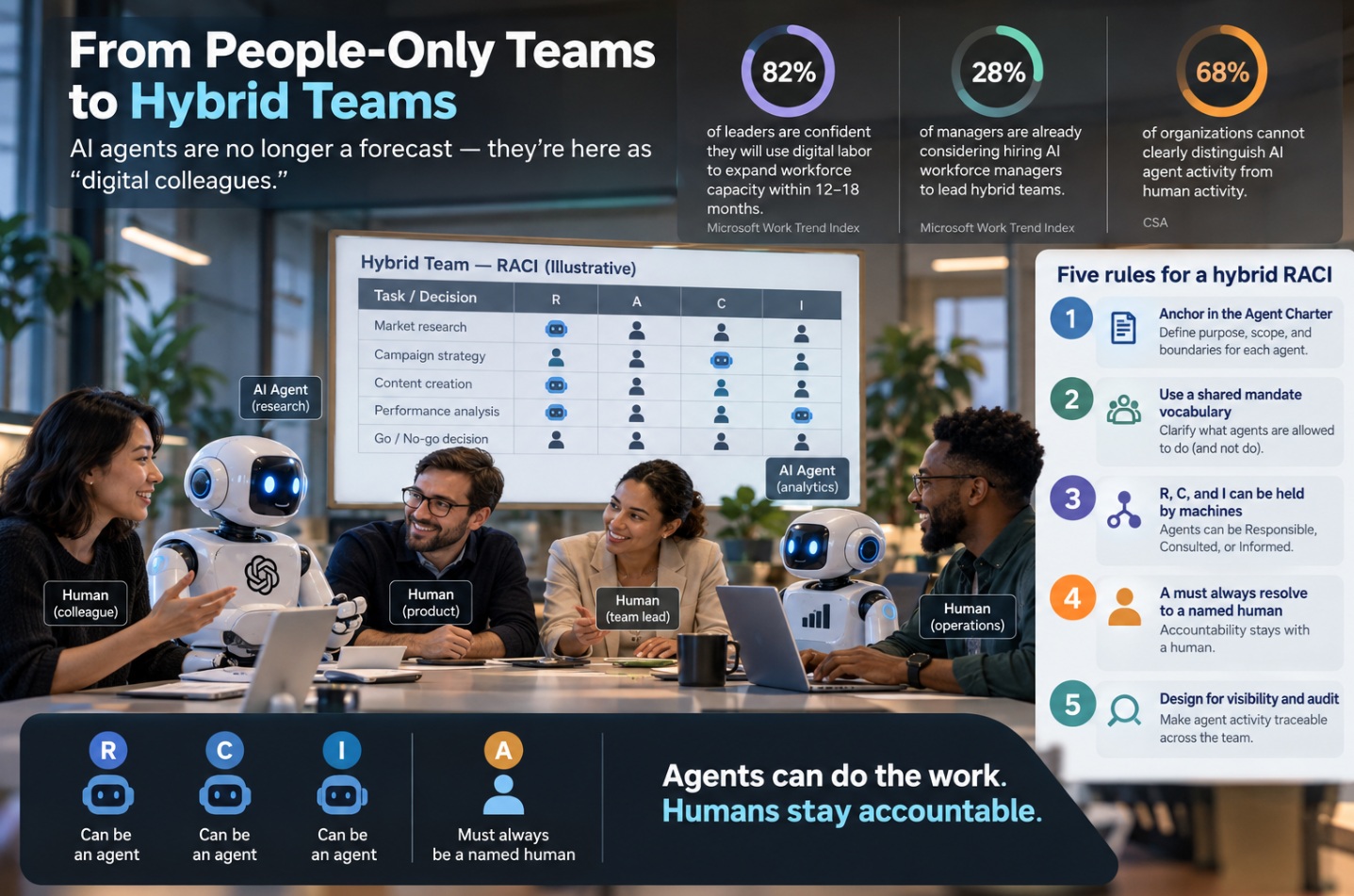 The Hybrid Team: Rethinking RACI When Some of Your Team Members Are Machines
 Two Clocks, One Truck: The Army's Need for Speed Meets New Defense Sourcing Rules
 Sustainable Transformation: The Elephant and The Mouse In The Room
 The Price of Standing Alone: Strategic Autonomy in a World Where Nobody Can Do It Alone