Mar03

The Asset Play: Timing, Structure & Global Arbitrage
Why Most Entrepreneurs Don’t Lose Because of Bad Ideas — They Lose Because of Bad Timing
Markets do not reward intelligence.
They reward positioning.
Across shipping cycles, real estate waves, and cross-border capital flows, I have observed one recurring truth:
Assets do not create wealth.
Timing and structure do.
From commanding vessels across volatile trade routes to building real estate platforms across jurisdictions, the principle remains constant — those who understand cycles compound; those who chase momentum evaporate.
This is what I call The Asset Play.
1. Timing: The Discipline of Entering Early but Not Blindly
Every asset class moves in cycles:
Most investors enter during:
Very few enter during:
Timing is not prediction.
Timing is preparation meeting dislocation.
In maritime markets, over-ordering vessels at peak freight rates destroys balance sheets.
In property markets, over-leverage during euphoria creates forced sellers.
The disciplined asset player asks:
Timing is about asymmetry — limited downside, expanding upside.
2. Structure: The Architecture Behind the Asset
An asset without structure is risk.
The same building can:
The difference lies in structure:
In shipping, vessel ownership structure determines survivability in downturns.
In real estate, financing tenure determines resilience during interest rate shocks.
Wealth is not created by owning assets.
It is created by engineering flexibility into assets.
Structure converts volatility into advantage.
3. Global Arbitrage: Seeing Value Where Others See Borders
Capital today is global.
Risk is local.
The opportunity lies in understanding the gap.
Global arbitrage is not currency trading alone. It is:
For example:
Cities that combine:
become magnets for global liquidity.
When capital concentrates, asset values reprice.
The strategic investor studies:
Long before price charts reflect them.
4. Resilience: The Invisible Asset
Every portfolio is stress-tested eventually.
Pandemics.
Interest rate shocks.
Geopolitical friction.
Supply chain disruptions.
During storms at sea, survival depends on preparation before departure.
The same principle applies to capital.
Resilient portfolios have:
Aggression builds headlines.
Resilience builds legacy.
5. The Psychological Edge
The greatest arbitrage is psychological.
Most market participants:
The asset player builds conviction through:
When others panic, structure protects you.
When others celebrate, discipline restrains you.
Wealth is emotional control compounded over time.
The Asset Play Framework
For those building long-term capital platforms, the framework is simple:
Phase 1: Accumulate During Dislocation
Look for undervaluation driven by fear or transition.
Phase 2: Optimise Structure
Refinance, reposition, re-engineer.
Phase 3: Leverage Strength
Use stable cash flows to expand into the next cycle.
Phase 4: Institutionalise
Convert entrepreneurial assets into scalable platforms.
This is how individual investors evolve into capital allocators.
Why This Matters Now
We are entering an era defined by:
The next decade will not reward passive participation.
It will reward structured strategy.
Markets will continue to move.
Cycles will continue to repeat.
But those who understand timing, structure, and arbitrage will not merely participate — they will position.
The skyline is not built in a single season.
It is engineered across cycles.
And that is The Asset Play
Keywords: Entrepreneurship, Finance, Risk Management
 What is that Analytical AI?
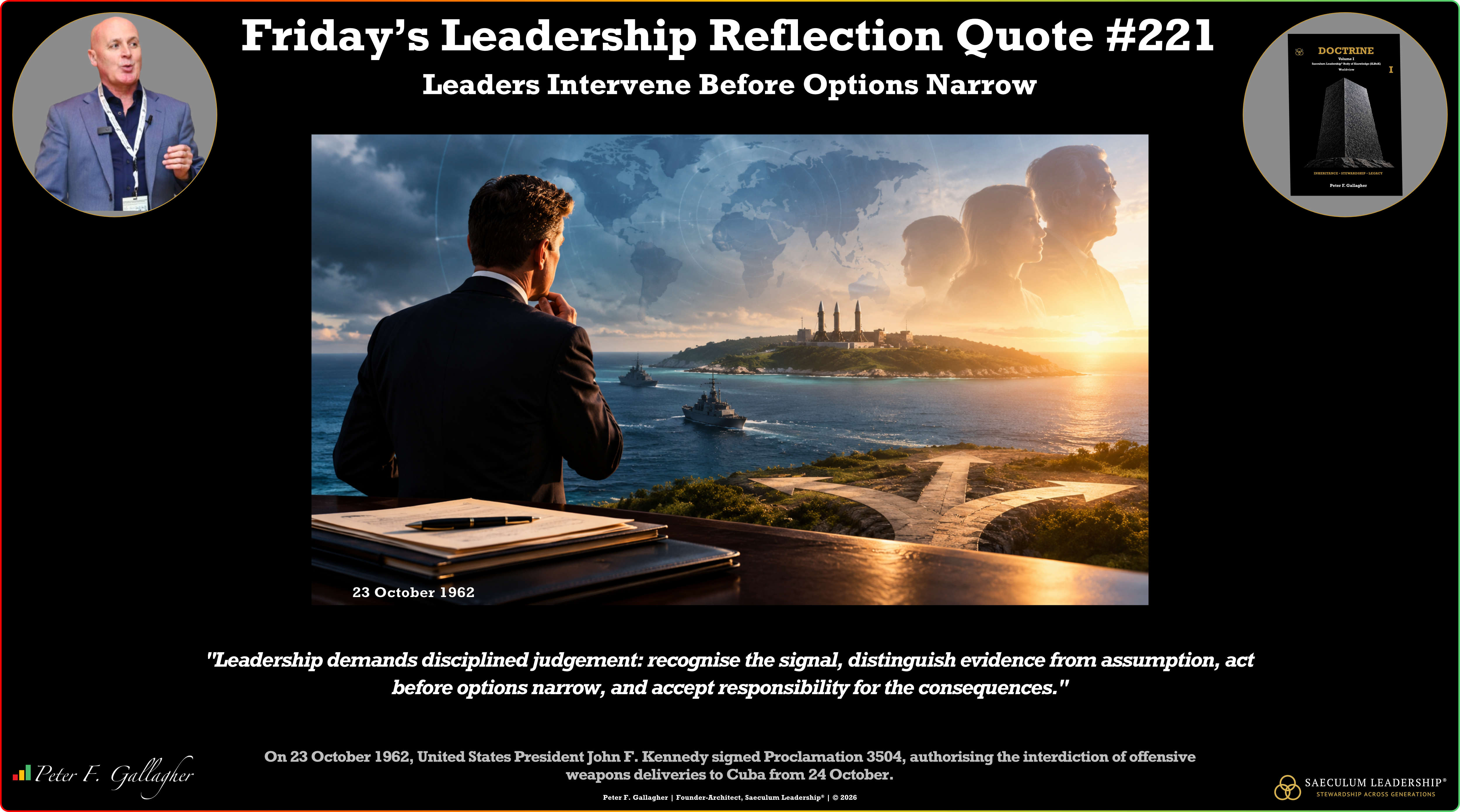 Friday’s Leadership Reflection Quote – Saeculum Leadership Leaders Intervene Before Options Narrow
 The Corix Partners Friday Reading List - October 23, 2026
 RIFLESSIONE SU AI, TECNOLOGIA E PERSONE
 2027 Predictions for Cybersecurity: The Agent Is the New Insider