Jun24

Think of business like a sport.
Crisis management, compliance, risk mitigation, and maintaining quality are all defensive strategies.
Offensive strategies are designed to seize opportunities, drive growth and innovation, and establish competitive advantages. Aggressive marketing campaigns, innovative product launches, and strategic acquisitions are offensive strategies. So is succession planning.
The Benefits of Offensive Succession Planning
Driving Innovation and Continuity
By identifying and nurturing future leaders from within, organizations can ensure a continuous flow of fresh ideas and perspectives as higher potential employees are exposed to diverse experiences, challenges, and perspectives, they naturally develop innovative mindsets and problem-solving skills. An internal pipeline of talent can drive initiatives that keep the company at the forefront of industry trends and technological advances. Companies like Google and Apple have strong internal succession plans that not only safeguard leadership continuity but also maintain innovation.
Eye on the Future
Succession planning is not just about stability in leadership but also stability in the company's vision and strategic direction. Knowing that there is a clear plan for leadership transition encourages bolder decision-making and long-term investments, aligning with an offensive strategy aimed at growth and market leadership.
Attracting and Retaining Top Talent
Top-performing companies don't wait for leadership gaps to appear; they continuously cultivate a pipeline of future leaders. Companies that prioritize succession planning signal their commitment to employee development and career progression which makes it easier to attract high-caliber talent. Likewise, existing employees are more likely to stay and invest their efforts at a company that provides a clear pathway to career advancement (not solely leadership roles). Talent retention is critical for maintaining competitive advantage and operational excellence which are key elements of an offensive business strategy.
Competitive Advantage
We recently worked with an engineering firm that had a headquarters in one state and five branches in three other states. In a private conversation, the CEO shared that the company could probably triple revenue if all of the branches offered the same services that headquarters offered…but they simply did not have the right personnel at their branches to offer each line of service. That's a “perfect” example of a lack of preparing for growth and competitive advantage. This company was not preparing people in the right way or at the right time to benefit the company. By preparing future leaders well in advance, companies ensure that they have the right people ready to lead projects, enter new markets, and drive initiatives. In other words - they have a competitive edge.
Cultivate a Leadership Culture
Offensive succession planning promotes a culture of leadership throughout the organization. It encourages a focus on developing leadership qualities at all levels, ensuring that core values, vision, decision making, strategic thinking, and accountability are part of the organizational fabric. A leadership culture enhances the company’s agility and resilience – which is a non-negotiable these days. AND this approach is hugely attractive to GenZ who have witnessed or experienced a number of “life events” that have shaped their perspective on the security of a career and continuous learning in order to be agile and in control of their future.
It’s Your Secret Advantage
Given today’s fast-changing business environment, companies are constantly attempting to outmaneuver the competition. Here’s the “secret sauce:” succession planning. You can control the destiny of your business by having the right people in the right positions, as well as having a pipeline of prepared and capable future leaders to forestall any chaos should a catastrophe strike.
Keywords: Entrepreneurship, HR, Leadership
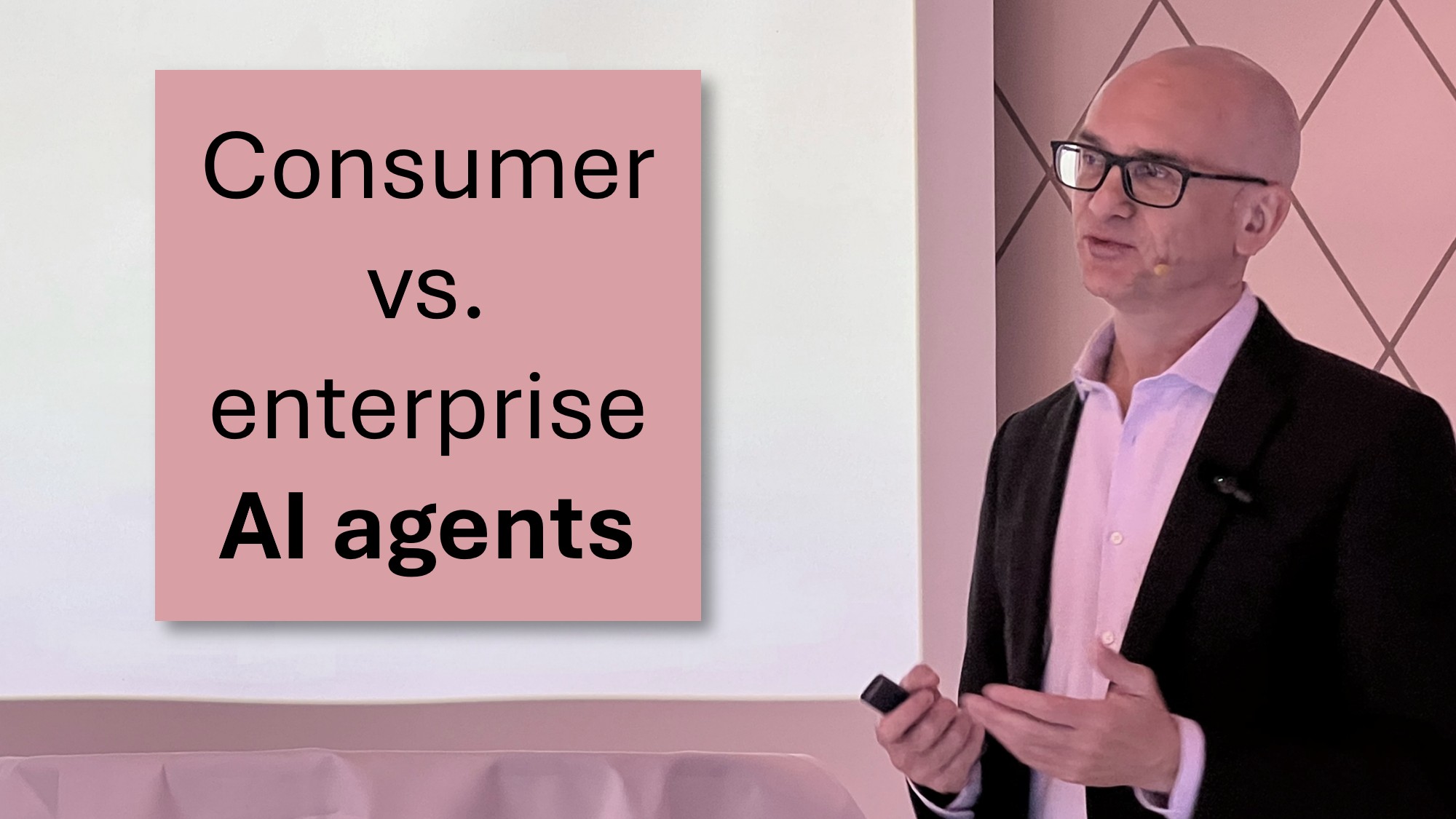 Consumer vs. enterprise AI agents
 Best Supply Chain AI Tools in 2026: SCM SENSEI AI and Ask Lora Compared
 Making Silos Permeable
 The Corix Partners Friday Reading List - October 2, 2026
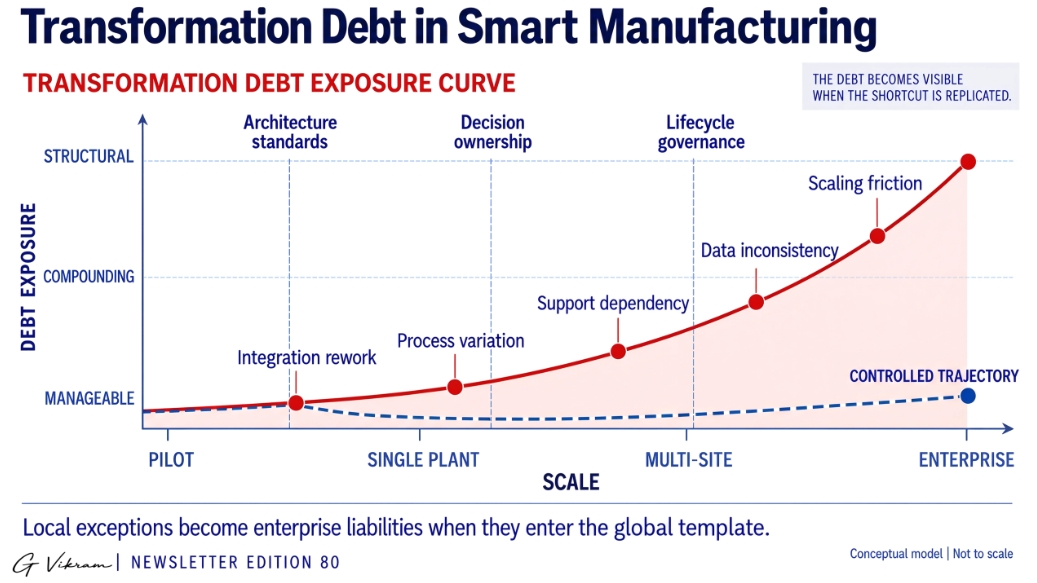 The most dangerous debt in a smart factory isn’t financial.