Feb23
Strategic posture refers to the overall stance an organisation takes toward its environment — how it positions itself in relation to competition, risk, growth, and change.
At its core, it answers a deceptively simple question:
How do we intend to compete and behave in our market?
While strategy defines specific choices — markets to enter, customers to target, capabilities to build — strategic posture defines the philosophy behind those choices. It is the umbrella logic that shapes where-to-play and how-to-win decisions.
Think of strategic posture as an organisation’s dominant orientation.
Strategic posture reflects:
It is not a slide in a board presentation. It is embedded in how capital is allocated, how performance is measured, and how leaders behave under pressure.
A company may talk about transformation, but if 90% of its investment flows into incremental core improvements, its true posture is defensive. Posture is revealed in behaviour, not rhetoric.
One of the most influential typologies comes from Raymond Miles and Charles Snow, who identified four archetypes.
Prospectors are relentless innovators. They:
A frequently cited example is Tesla, particularly in its early electric vehicle push. Tesla did not wait for demand certainty; it shaped the market through bold technological bets.
This posture is growth-oriented and risk-tolerant — but capital-intensive and volatile
Defenders focus on protecting a stable core. They:
Ryanair exemplifies this posture. Its advantage lies not in product novelty, but in relentless cost control and standardisation.
The Defender posture suits mature industries, but can struggle when disruption accelerates.
Analysers combine stability with selective innovation. They:
Apple is often cited as an Analyser. Rarely first to market, Apple refines, integrates, and scales innovations once uncertainty declines.
This hybrid posture often delivers superior risk-adjusted performance — but demands disciplined portfolio management.
Reactors lack a consistent strategic logic. They respond under pressure, shift priorities frequently, and exhibit internal misalignment. This is less a posture than a warning sign: execution chaos without coherent direction.
Posture shapes investment decisions, KPI design, organisational structure, talent profiles, and OKRs. When posture and systems misalign, execution deteriorates.
Consider a company declaring a Prospector posture while rewarding Defender behaviours through cost KPIs and risk-averse budgeting. The result is the familiar strategy–execution gap.
To close this gap, posture must be visible in:
Without this alignment, strategic posture remains aspiration rather than operating reality. Organisations seeking to strengthen this coherence often benefit from structured strategy execution frameworks, such as those explored at https://visualisesolutions.co.uk/, which translate posture into a measurable execution architecture.
Strategic posture can also be viewed through multiple lenses:
Across all perspectives, the underlying question remains the same:
What is our attitude toward uncertainty and competition?
Strategic posture is not merely about competing; it is about deciding how boldly, how cautiously, and with what ambition an organisation chooses to engage its environment.
When clearly defined and consistently embedded, it becomes the invisible force that aligns strategy, execution, and performance.
Want to ensure your strategy aligns with real-world needs and long-term value? Visualise Solutions helps organisations navigate uncertainty, uncover hidden opportunities, and align execution with purpose. Let’s make sure you’re building the right thing—before you build it right.
By Andrew Constable MBA, XPP, BSMP
Keywords: Business Strategy, Innovation, Leadership
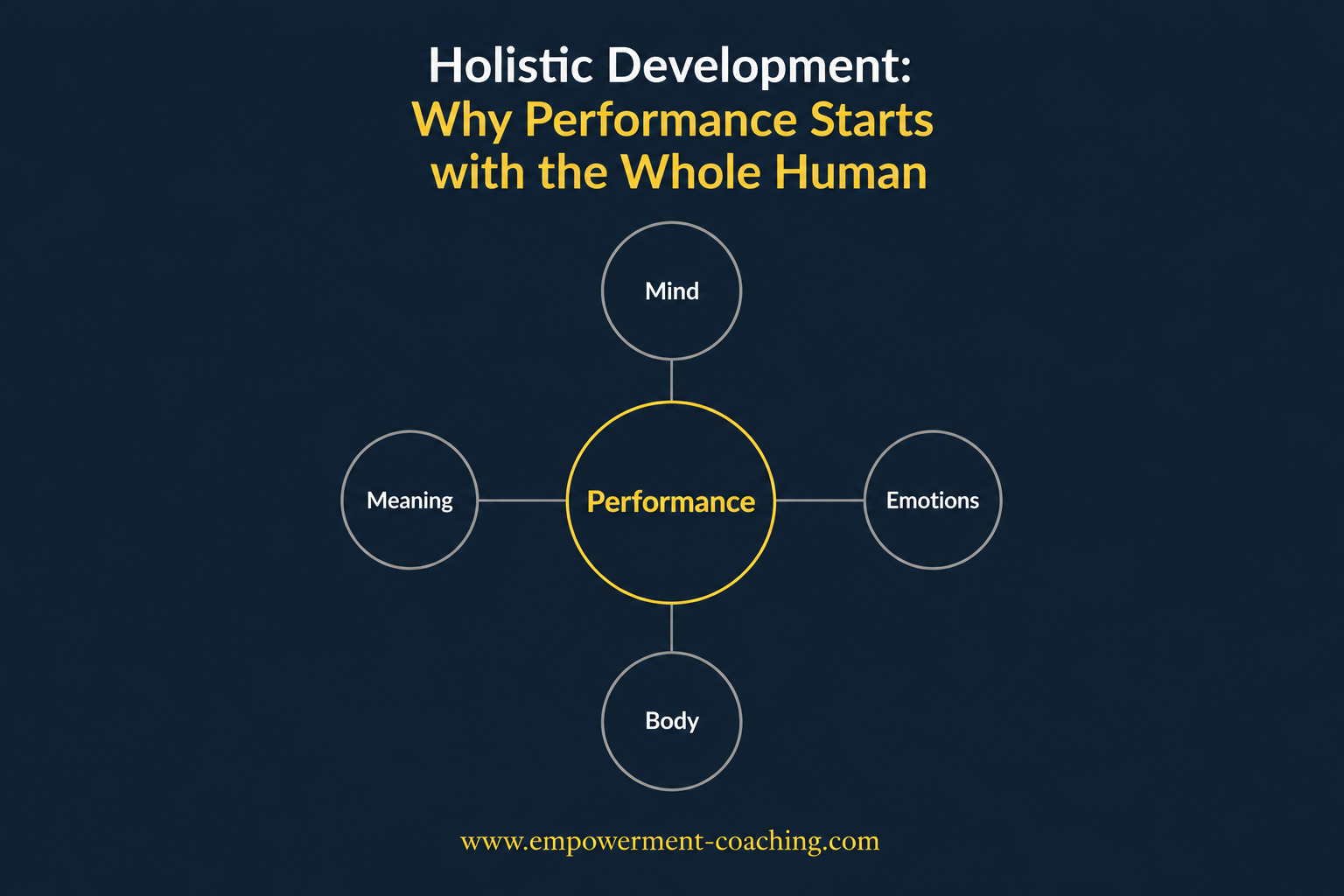 Holistic Development: Why Performance Starts with the Whole Human
 The Most Dangerous Leader in the Room May Be the One Everyone Depends On
 What is that Analytical AI?
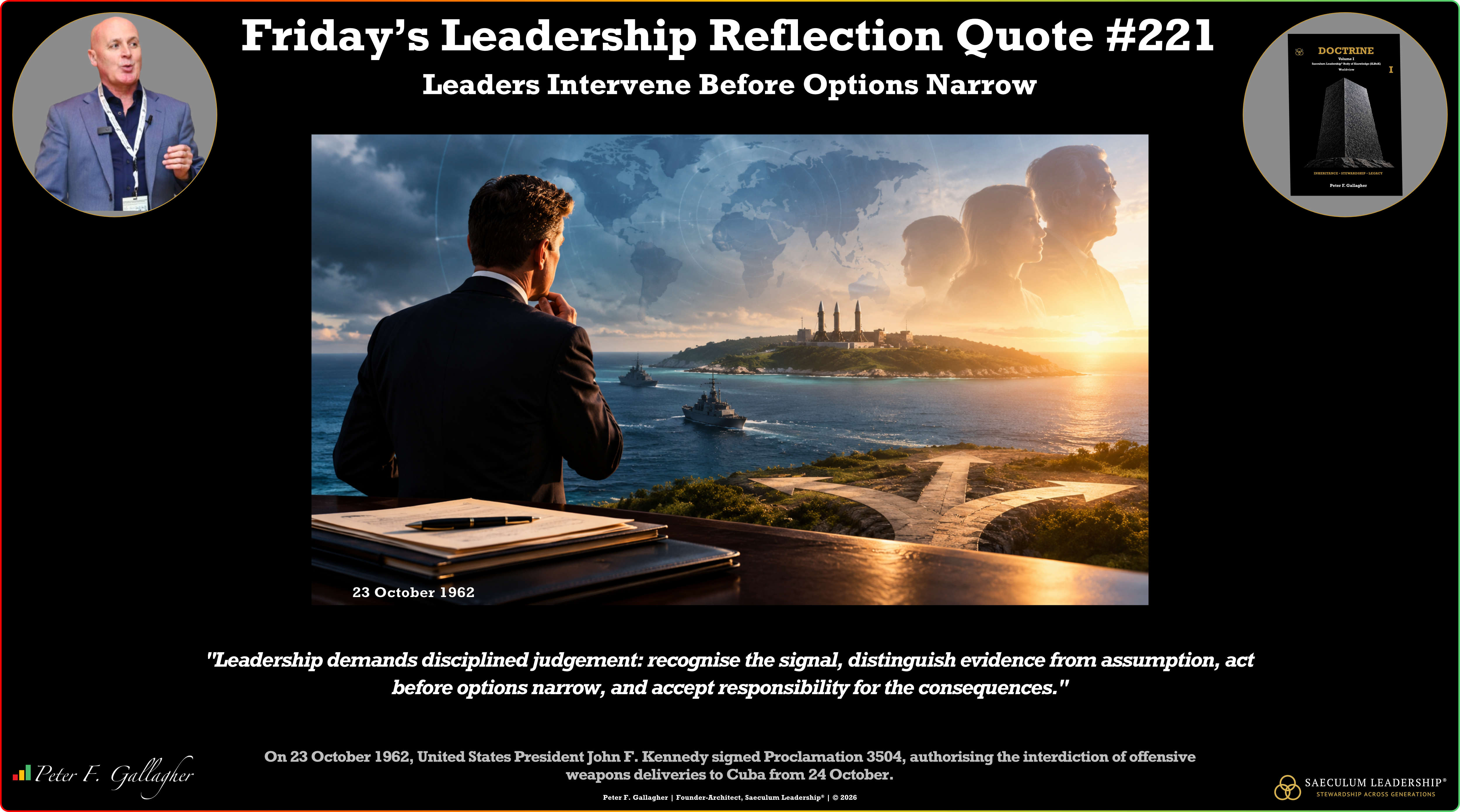 Friday’s Leadership Reflection Quote – Saeculum Leadership Leaders Intervene Before Options Narrow
 The Corix Partners Friday Reading List - October 23, 2026