Mar19
Strategy is often blamed for organisational underperformance. Leaders revisit plans, refine execution frameworks, and invest in better analytics—yet results remain inconsistent. The uncomfortable truth is this: strategy rarely fails at execution. It fails much earlier, at the level of posture.
Most organisations do not lack strategic ideas. They lack strategic clarity about who they are and how they intend to compete. This is the domain of strategic posture—the underlying orientation that shapes every meaningful decision a company makes.
Strategic posture defines an organisation’s dominant stance toward markets, competition, and uncertainty. It answers fundamental questions: Are we aggressive or defensive? Are we shaping markets or reacting to them? Do we prioritise efficiency or innovation? Are we protecting our core business or actively exploring new growth?
This posture reflects deeper organisational attributes, including risk appetite, growth ambition, competitive intent, and innovation intensity. It also determines how resources are allocated—arguably the most honest signal of strategy in practice.
In essence, strategic posture is the invisible logic behind every “where to play” and “how to win” decision. Yet, despite its importance, most leadership teams never explicitly define it.
A useful framework for understanding posture comes from the Miles and Snow typology, which identifies four archetypes:
Reactor organisations lack a coherent posture altogether. They respond to external pressures without a consistent strategic logic, often resulting in internal misalignment. This is not a viable posture—it is a warning sign of strategic drift.
One of the most common leadership mistakes is conflating posture with strategy. Strategy consists of specific choices—markets to enter, products to build, capabilities to develop. Posture, by contrast, is the overarching stance that informs those choices.
When posture is unclear or inconsistent, strategy becomes fragmented. Consider an organisation that declares an ambition to innovate like a Prospector but designs performance metrics around cost efficiency. The result is not poor execution—it is a structural contradiction.
This misalignment manifests across key organisational systems:
The outcome is predictable: a widening gap between strategy and execution.
For a strategic posture to be effective, it must be visible and operationalised. It cannot remain an abstract concept discussed in leadership off-sites. It must be embedded into the organisation’s core systems:
If posture is not embedded in these systems, it becomes little more than rhetoric.
Organisations seeking to align their systems with strategic intent often benefit from structured frameworks and visual mapping tools. Resources such as those provided by Visualise Solutions can help leaders translate abstract strategic concepts into actionable, system-wide alignment.
Another way to assess strategic posture is through a set of tensions:
These dimensions reveal how an organisation positions itself in relation to uncertainty and competition. At its core, strategic posture is an expression of organisational attitude—how a company chooses to engage with risk, opportunity, and change.
Strategy does not fail in presentation decks or planning sessions. It fails when the underlying posture is inconsistent or misaligned with organisational systems.
Leaders who want to close the strategy–execution gap must start by making posture explicit. They must align incentives, structures, and behaviours to reinforce it. And they must ensure that every strategic choice reflects a coherent and consistent stance.
Because in the end, strategy is only as strong as the posture that supports it.
Want to ensure your strategy aligns with real-world needs and long-term value? Visualise Solutions helps organisations navigate uncertainty, uncover hidden opportunities, and align execution with purpose. Let’s make sure you’re building the right thing—before you build it right.
By Andrew Constable MBA, XPP, BSMP
Keywords: Innovation, Lean Startup, Business Strategy
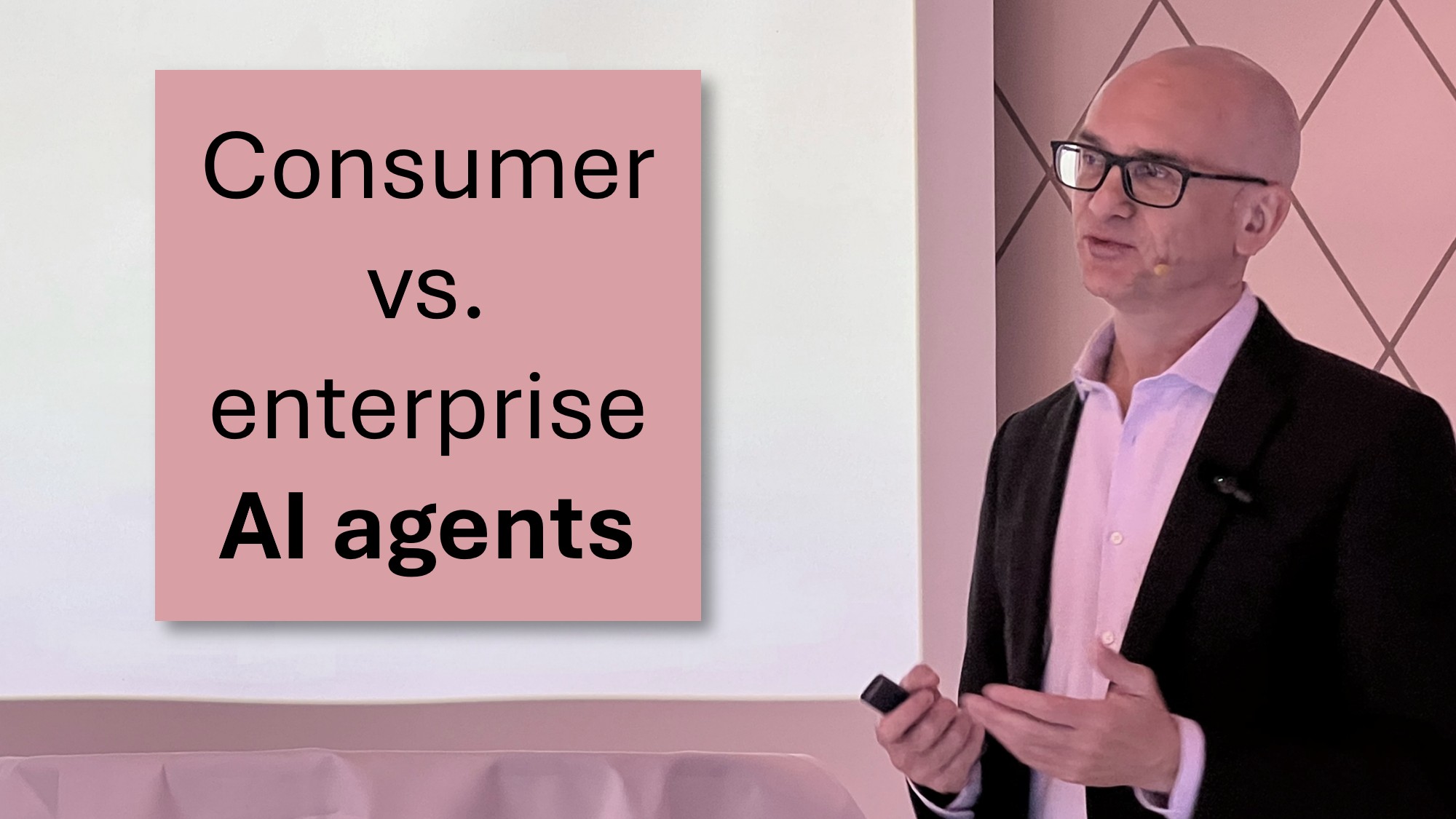 Consumer vs. enterprise AI agents
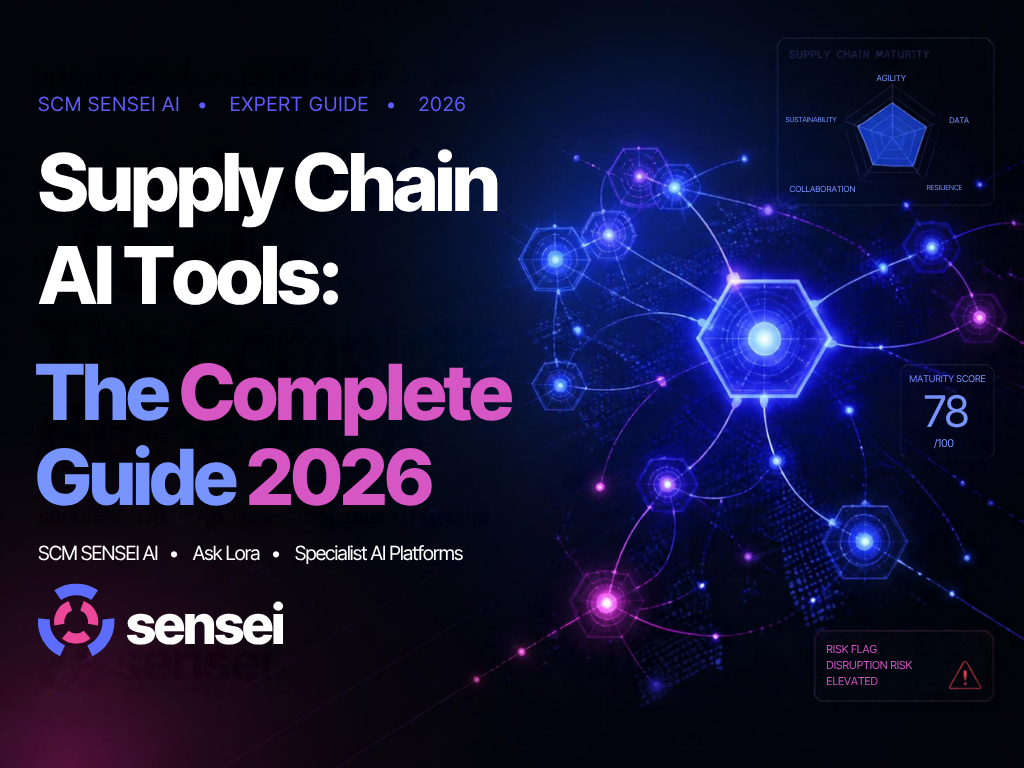 Best Supply Chain AI Tools in 2026: SCM SENSEI AI and Ask Lora Compared
 Making Silos Permeable
 The Corix Partners Friday Reading List - October 2, 2026
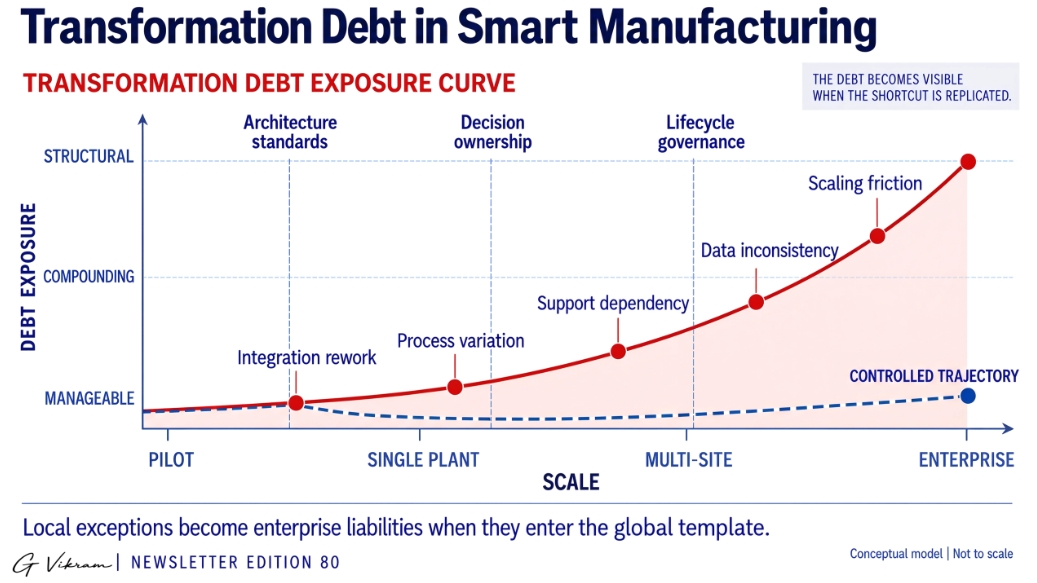 The most dangerous debt in a smart factory isn’t financial.