Mar19
Most companies say they are developing future executives.
Far fewer are doing it in a way that actually prepares someone for the C-suite.
Because leadership readiness doesn’t come from training programs, personality assessments, or classroom learning. It comes from experience — specifically, the right experience, at the right time.
If you want to grow C-suite leaders from within, you need to get much more intentional about the work you assign.
Direct experience is the single most powerful lever you have.
The assignments your people take on — the problems they solve, the decisions they own, the pressure they navigate — are what shape their leadership capacity. Growth is not accidental. It is built, one assignment at a time.
Because assignments determine who learns what — and how fast.
Yet in most organizations, assignments are distributed based on convenience, availability, or past performance. The reliable people get more of the same. The high performers stay in their lane. And the very experiences that would stretch them into executive-level leaders never show up.
That’s where leadership pipelines stall.
Future C-suite leaders need exposure beyond their function. They need to lead initiatives where the outcome is uncertain, the stakes are visible, and the decisions carry consequences. They need to sit in rooms where they are not the expert. They need to navigate conflict, ambiguity, and competing priorities.
Those experiences cannot be simulated.
They have to be assigned.
The most effective organizations treat assignments as a deliberate development strategy — not an operational afterthought. They map out the types of experiences a future executive must have and then create opportunities for emerging leaders to step into them over time.
This work typically starts earlier than most companies expect.
Strategic assignments should begin for mid-career professionals — often 7 to 10 years before someone is even considered for a senior executive role. That’s because leadership breadth takes time to build. You cannot compress years of exposure into the final stages of a career and expect someone to be ready.
And readiness is the goal — not potential.
Many companies believe they have successors when they have identified high-potential individuals. But potential without experience is just promise. Readiness requires evidence. It requires a track record of leading through complexity, making decisions with incomplete information, and delivering results across different parts of the business.
One of the most effective ways to structure this development is through leadership competency models tied to specific roles.
When done well, these models define what “good” looks like at each level — not just in terms of technical skills, but in decision-making, influence, business acumen, and leadership presence. They create a shared language across the organization.
More importantly, they provide a roadmap.
When competency models are directly linked to performance reviews, coaching, and mentoring, development becomes intentional. Leaders are no longer guessing what experiences someone needs next. They are aligning assignments with gaps. They are using real work as the training ground.
That alignment is what accelerates growth.
But there is a broader impact that often gets overlooked.
The process of developing future leaders is not just about succession. It is about culture.
Organizations that consistently use assignments to grow their people create an environment where development is expected, not optional. Where leaders at all levels understand their role in preparing the next generation. Where there is a common language around what leadership looks like and how it is built.
That kind of culture doesn’t just produce stronger executives.
It builds confidence — internally and externally — that the organization can sustain itself beyond any one leader.
And that, of course, that is the most important outcome of all.
Keywords: Entrepreneurship, HR, Leadership
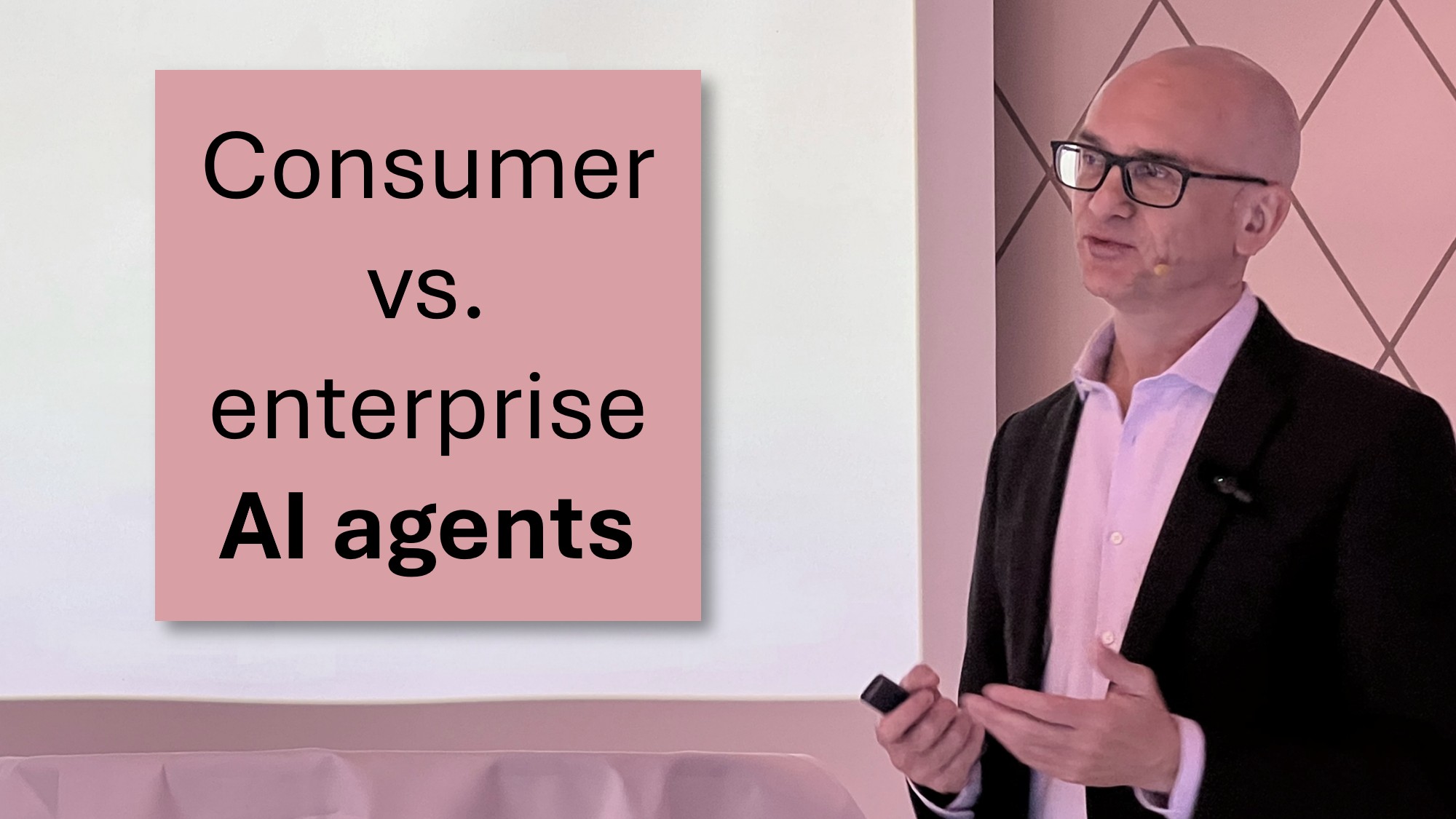 Consumer vs. enterprise AI agents
 Best Supply Chain AI Tools in 2026: SCM SENSEI AI and Ask Lora Compared
 Making Silos Permeable
 The Corix Partners Friday Reading List - October 2, 2026
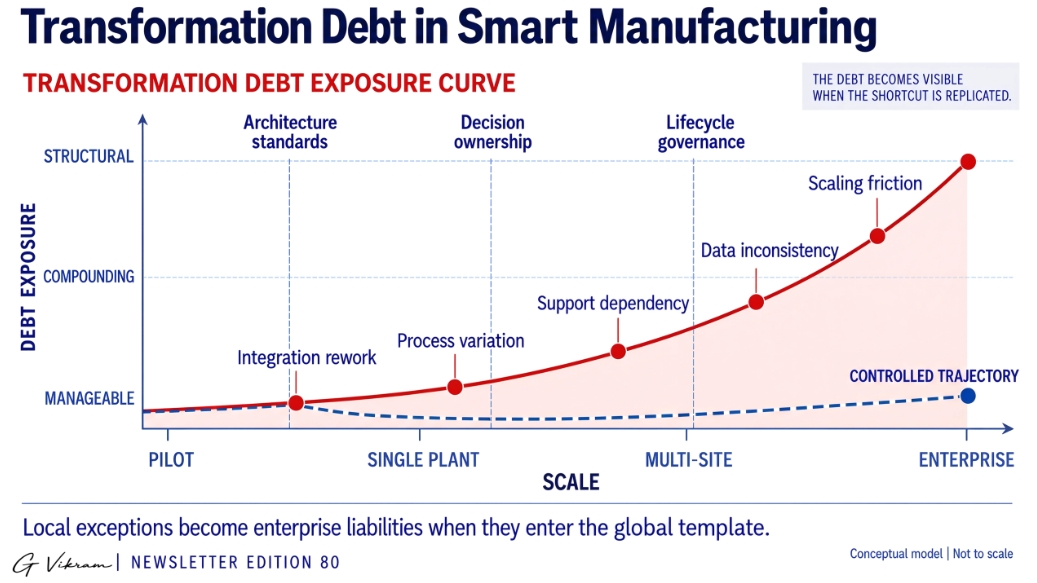 The most dangerous debt in a smart factory isn’t financial.