Jan13

When my son was at that age where adults ask, “What are you going to be when you grow up?” He said he wanted to be a Twitch star. I nodded politely and supportively, thinking isn’t twitching what you do when you are nervous. He explained it: people watched other people build Minecraft worlds, live-stream their lives, dance badly or brilliantly, and money changes hands.
That was my first encounter with the word influencer.
Fast forward to 2026 and that wide-eyed novelty has well and truly worn off. Content is no longer something we dip into. We’re drowning in it. Everyone is creating and publishing. Everyone is broadcasting something, often several times a day, and much of it is being propped up, polished or outright generated by AI.
Never in human history have so many people worked so hard to be seen, while being so easy to ignore.
What began as a creative outlet has become an industrial operation. The creator economy has matured, professionalised and, in many corners, eaten itself. Scroll any platform and you’ll see it: identical hooks, recycled opinions, forced relatability and the same old advice served up with different filters. The tools have improved but the thinking often hasn’t.
Over the past few years, short-form video has become the default language of the internet. TikTok, Reels, Shorts…blink and you’ve missed it. Add AI-generated faces, cloned voices and scripted authenticity, and the result is a constant hum of look at me marketing, delivered at scale.
The more people chase attention, the less impact it has.
The obsession with personal brand, follower counts and visibility has flattened expertise. When everyone positions themselves as a thought leader, the real thinkers disappear into the noise. We haven’t just diluted talent, we’ve normalised mediocrity with confidence.
The participation trophy mentality didn’t just survive social media. It thrived.
Influencers are still here. But the question in 2026 isn’t whether influencer marketing works. It’s whether people still trust it.
Brands are more cautious now, and audiences are sharper. Disclosure rules have tightened. Platforms label paid partnerships more clearly. Consumers know when they’re being sold to and they’re far less forgiving when it’s done badly. The days of blindly believing a product recommendation because someone smiled nicely on camera are gone.
Influencer marketing is still big business, and driving sales, particularly in retail, lifestyle and entertainment. Used well, it can deliver strong returns. Used lazily, it’s a credibility grenade.
Because when someone is paid to say something, the transaction is obvious. Obvious transactions don’t build belief.
This is where businesses keep tripping up. They outsource their voice, authority and point of view, then wonder why their brand feels hollow. When you hand your story to someone else, you also hand over the chance to build trust directly.
That’s the real cost. There is a fundamental difference between being an influencer and being influential… and the gap between the two has widened, not narrowed. Influencers rent attention. Influential businesses earn it.
An influencer’s message is shaped by a contract. An influential voice is shaped by conviction. One is driven by algorithms and affiliate links; the other by insight, experience and a desire to actually shift how people think or act. Influence that matters, lasts.
Businesses cutting through aren’t the ones chasing trends or outsourcing credibility. They are the ones investing in their own thinking, publish consistently and say something worth disagreeing with. They share data, perspective and lived experience, not just highlights and hashtags. They understand that trust is built over time, not bought in bundles.
Influencer marketing can still sit in the mix, but it should never replace substance. It should support a strategy, not stand in for one. If you don’t have a clear point of view, no amount of borrowed fame will save you.
People don’t want perfection. They want clarity, honesty and to know what you stand for… and what you won’t touch. Tell, don’t sell hasn’t lost its power. If anything, it’s become the only thing that works in a market exhausted by performance.You can’t outsource.
Keywords: Entrepreneurship, Personal Branding, Public Relations
 The Corix Partners Friday Reading List - October 16, 2026Friday’s Leadership Reflection Quote – Saeculum Leadership Leaders Separate Known Facts from Fear
 You are not your diagnosis
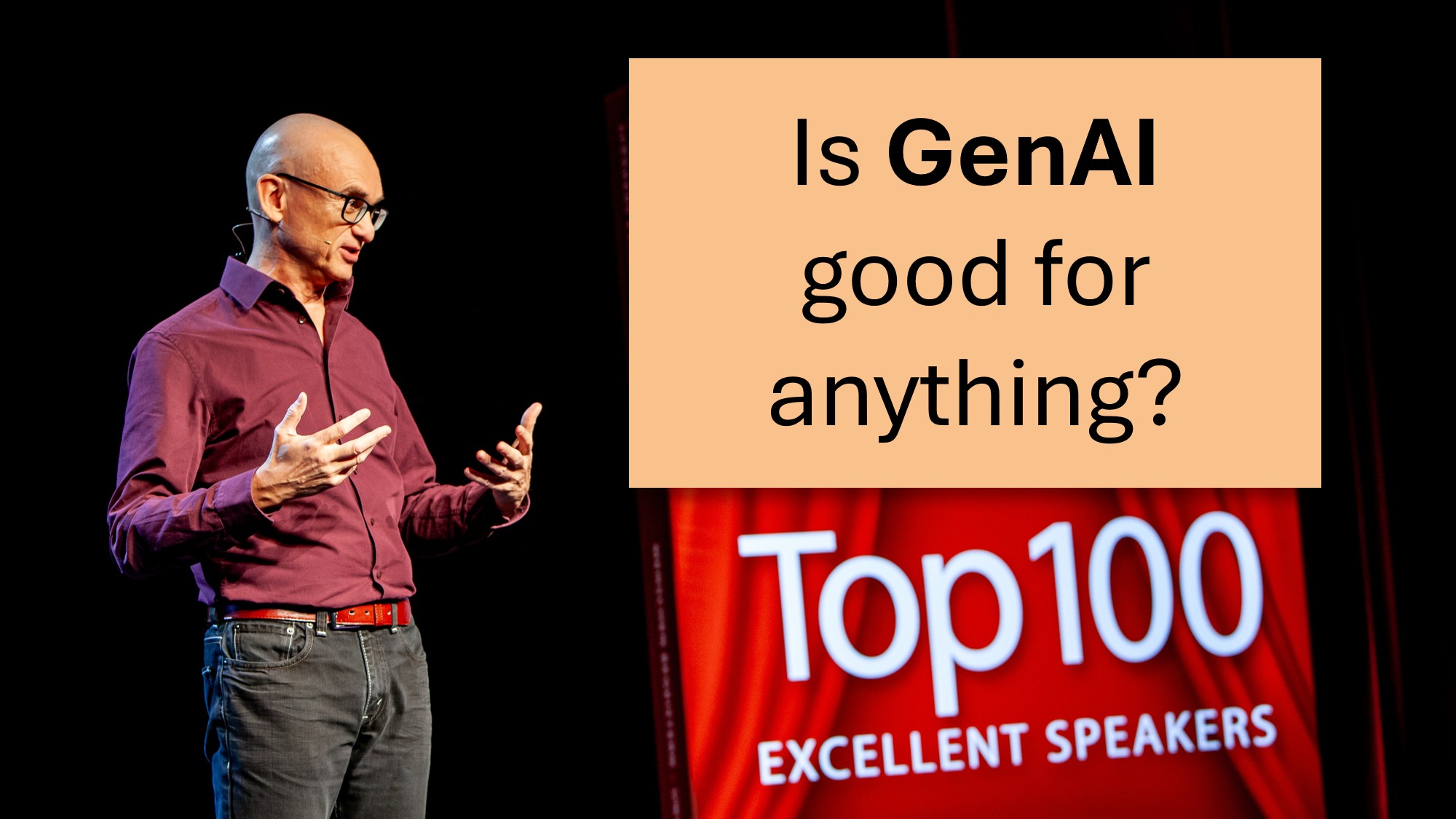 Is GenAI good for anything?
 “I didn’t write an award acceptance speech because I didn’t expect to win.”