Dec08
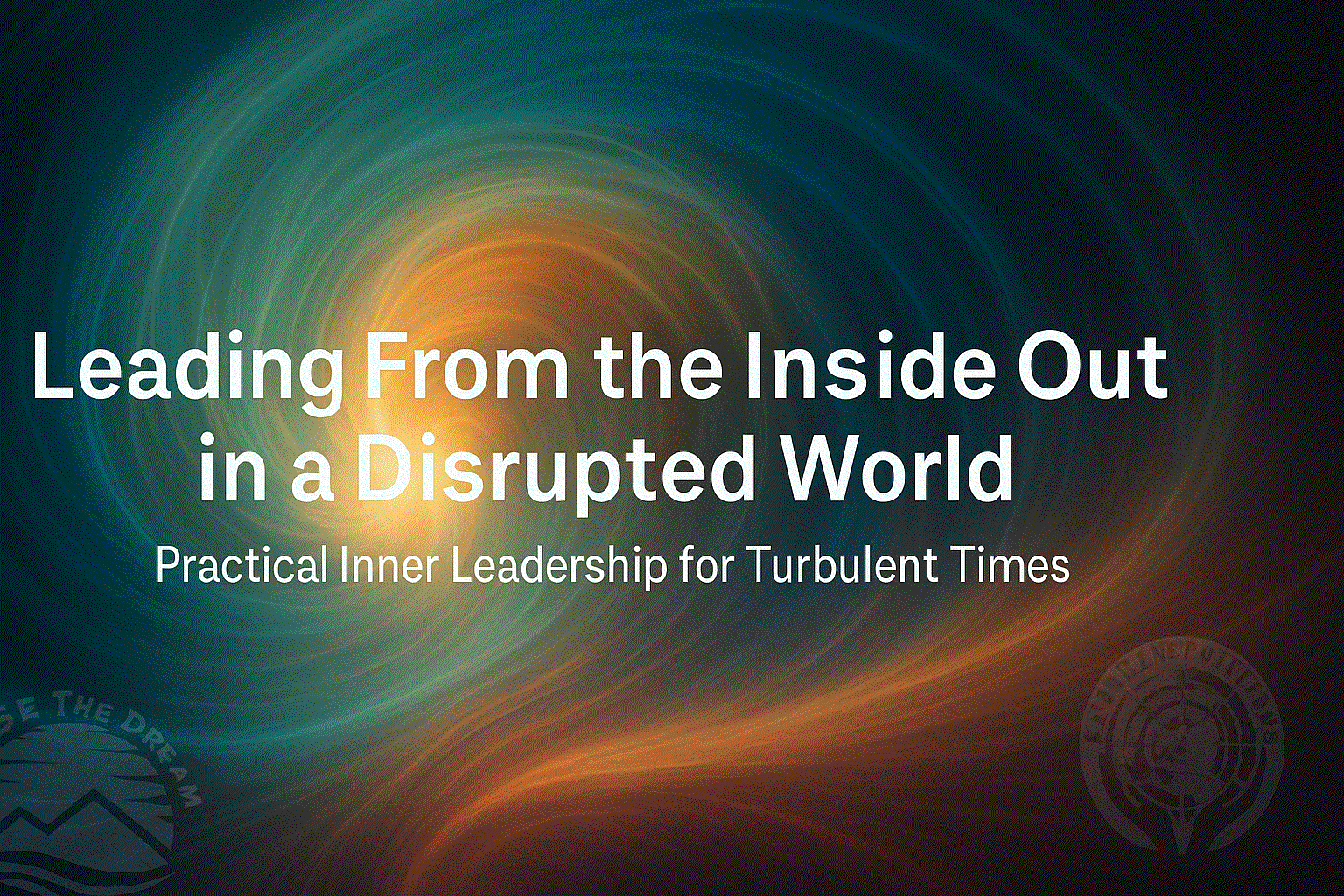
In a world that seems to accelerate by the day, overwhelm has become a near-universal companion. Deadlines compress, expectations multiply, and the noise of the outer world presses inward until clarity feels out of reach. Yet amid this turbulence, some people move differently. They lead not from frantic reaction, but from a centered, quiet confidence. What sets them apart is not superior intellect, privilege, or circumstance—it’s inner calm. ️ The ability to remain coherent inside, even when the world outside is chaotic, is quickly becoming the most reliable advantage any leader or human being can cultivate.
Inner calm is no longer a luxury. It has become a leadership technology, a survival skill, and a competitive advantage in a world defined by constant change. ️
Overwhelm shows up differently for each of us: irritability, fatigue, loss of focus, procrastination, tension in the chest or jaw, emotional spikes, or a constant sense of “not enough time.” But underneath all these symptoms is the same mechanism: our attention becomes divided.
The mind tries to handle multiple threads of concern at once—future risks, unfinished obligations, relational tensions, internal doubts. Like a computer with too many tabs open, we begin to lag. Decisions take longer. Emotional resilience drops. The smallest interruption can feel like a threat.
This isn’t a personal flaw. It’s a physiological response. When the nervous system perceives too many competing demands, it defaults to a mild fight-or-flight state. ️ In that mode, clarity is replaced by caution. Creativity is replaced by survival thinking. Possibility narrows to the question: “How do I get through this moment?”
Overwhelm isn’t about the load—it’s about our internal coherence while carrying the load.
Our cultural idea of calm is often misunderstood. Calm is not passivity, detachment, or denial. It’s not sitting on a mountaintop waiting for clarity to descend. ️
Real calm is active coherence—a state in which your mind, emotions, and body are aligned around the present moment rather than pulled apart by competing inner narratives.
Calm is:
• feeling pressure without being absorbed by it ️
• noticing emotion without being hijacked by it
• seeing complexity without collapsing into confusion
• holding center while the world moves around you
Calm is strength. Calm is clarity. Calm is power.
Leaders who embody calm create psychological stability for those around them. Parents who embody calm diffuse tension in their homes. Teams with calm at the center make better decisions and communicate more honestly. ️
Calm is not the opposite of urgency. Calm is the right relationship with urgency. ️️
Stress narrows our perceptual field. It literally reduces the amount of information the brain believes is safe to process. While helpful in emergencies, this becomes a liability in modern leadership and decision-making.
Inner coherence does the opposite:
• It widens awareness.
• It increases intuitive insight.
• It strengthens emotional regulation.
• It improves listening and relational presence.
• It enhances creativity and problem-solving.
In a complex, interconnected world, we don’t need faster minds—we need more coherent ones.
When you’re internally aligned, you see patterns sooner. You recognize opportunities others miss. You communicate with greater precision. You experience fewer internal conflicts. The same challenges that once triggered overwhelm now become manageable, sometimes even energizing.
Research on heart-brain coherence has shown that when we shift into a calmer physiological rhythm, the prefrontal cortex—the executive center responsible for decision-making, empathy, and strategic thinking—comes fully online.
In calmer states:
• cortisol drops
• emotional volatility decreases ️
• cognitive flexibility increases
• the body’s systems synchronize more effectively
This creates a whole-person intelligence that is otherwise inaccessible in stress.
Inner calm is not mystical or abstract. It is a biological resource waiting to be activated.
These aren’t techniques to escape pressure—they’re ways to meet it with more capacity.
The Pause-to-Presence Reset
Take three conscious breaths before transitioning to any new task, meeting, or conversation. This simple reset interrupts reactivity and restores coherence. ️
Breath as Alignment Tool
Slow, steady breathing (5–6 seconds in, 5–6 seconds out) signals safety to the nervous system. Your biology shifts from survival into clarity within 90 seconds.
Micro-Releases
Throughout the day, deliberately unclench the jaw, relax the shoulders, or soften the belly. Small physical releases dissolve accumulated tension that would otherwise become overwhelm. ️????
Each practice takes less than a minute. Their impact compounds.
When you cultivate inner calm, you gain access to the most important leadership capacity of all: the ability to choose your response.
Reaction is automatic, fear-driven, and habitual.
Response is conscious, creative, and aligned.
People trust leaders who respond.
People feel safe with leaders who listen.
People rise when someone’s presence lifts the room instead of adding to its tension.
Inner calm is not self-indulgence. It is service. ️
In a disrupted world, skills matter. Experience matters. Strategy matters. But without coherence, these strengths fragment under pressure.
The leaders, parents, creators, and teams who will thrive in the coming era are those who cultivate a centered inner life—one that doesn’t collapse when conditions intensify.
Because the world will continue shifting. Complexity will continue rising. But your relationship to it can evolve.
Calm is not something you wait for. It’s something you build. ️
This series will guide you there—one coherent breath, one aligned moment, one deeper understanding at a time. ️
By Zen Benefiel
Keywords: Behavioral Science, Leadership, Transformation
 RIFLESSIONE SU AI, TECNOLOGIA E PERSONE
 2027 Predictions for Cybersecurity: The Agent Is the New Insider
 FROM THE AISLE Field Notes on AI Implementation
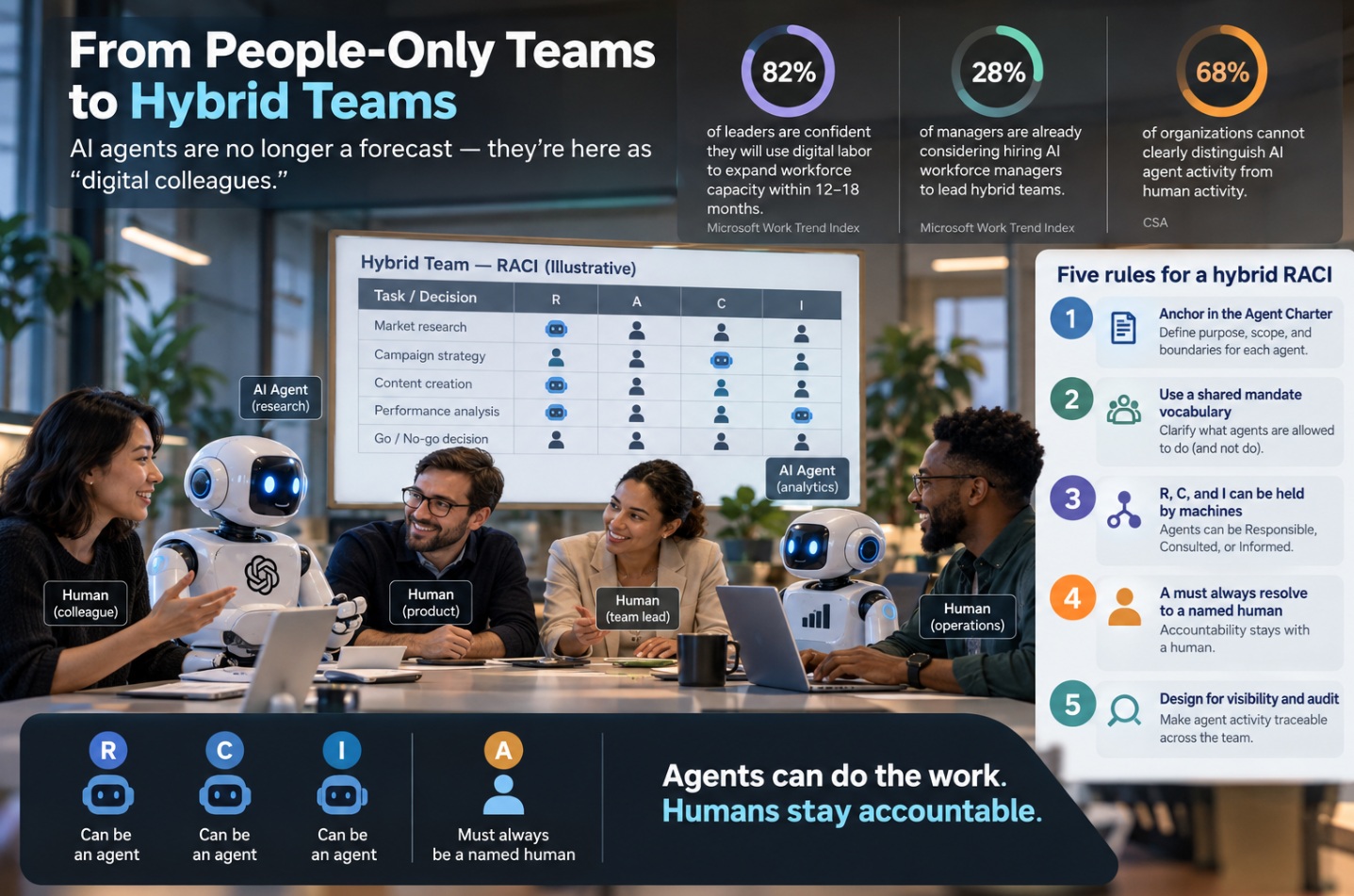 The Hybrid Team: Rethinking RACI When Some of Your Team Members Are Machines
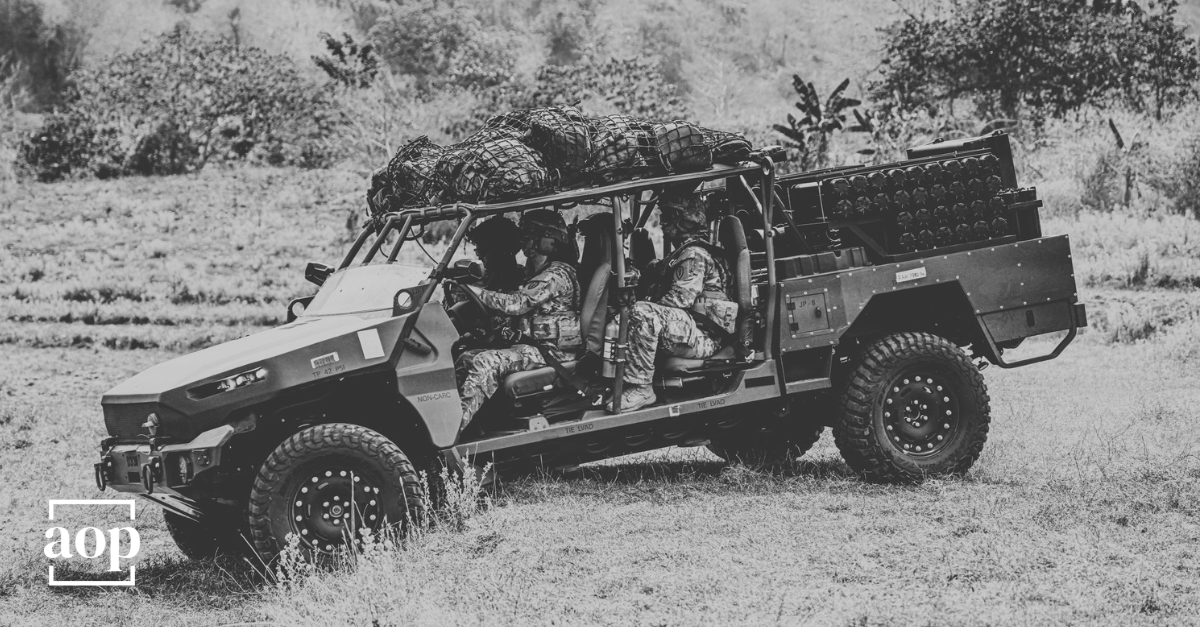 Two Clocks, One Truck: The Army's Need for Speed Meets New Defense Sourcing Rules