Aug24

Supply Chain Digital published its Top 100 Supply Chain Leaders 2026 list in February, and the names at the summit read like a roll call of the world's biggest logistics footprints. Rob Montgomery of Walmart takes the number one spot, followed by Udit Madan of Amazon, Soren Toft of MSC, Mourad Tamoud of Schneider Electric and Willem Uijen of Unilever. Sabih Khan of Apple, Gretchen McCarthy of Target, Carolina Dybeck Happe of Microsoft, Chris Nielsen of Toyota and Luc Reynaert of P&G round out the top ten. Different sectors, different continents, different products entirely. So what actually connects them?
The publication itself offers a clue in how it built the ranking. Leaders were judged against four dimensions: strategic influence over enterprise-wide decisions, operational scale across supplier networks and logistics footprints, technological innovation in areas such as AI analytics and digital twins, and resilience or governance, covering everything from risk mitigation to ethical sourcing. That framework is worth pausing on, because it tells you what the industry now considers the job to be. It is no longer just about moving pallets efficiently. It is a seat at the top table with responsibility for capital allocation, technology strategy and reputational risk all at once.
Look past the job description and a pattern in the people themselves starts to emerge. Longevity stands out first. Several names on this list have spent 20 years or more in the discipline, often at the same company, climbing through operations, logistics, and manufacturing roles before reaching the top. Udit Madan is the exception that proves the rule: at 38, he is notably younger than most peers, yet he joined Amazon back in 2008 and has spent nearly two decades mastering the same complexities others took longer careers to learn. The message holds even where the timeline is compressed: there is no substitute for time spent close to the physical movement of goods.
Chief Supply Chain Officer has become common currency, but it now sits alongside Chief Operating Officer, and in Apple's case and Microsoft's, the two roles have effectively merged into one person. Sabih Khan carries the COO title at Apple while running supply chain as his core discipline; Carolina Dybeck Happe holds EVP and COO at Microsoft with the same remit. That merging of supply chain with the wider operating function suggests boards no longer see the two as separate lanes. If you can run the supply chain at scale, you are increasingly trusted to run operations as a whole.
Education tells a similar story: many of the leaders on this list hold engineering or analytical degrees rather than conventional business qualifications, a reflection of how technical the modern role has become. Digital twins, predictive analytics and automated inventory systems are not bolt-ons any more; they are core to the job, and the industry appears to be selecting for people who can genuinely understand the technology rather than simply commission it.
Sustainability and resilience run through nearly every profile too. Glen White, CEO of BizClik Media, which publishes the list, put it plainly: these are people who have not just survived the latest rounds of global disruption and geopolitical upheaval, but tackled them head-on while keeping an eye on the shift towards greener operations. That pairing of crisis management with a genuine sustainability agenda, rather than a cosmetic one, recurs across the list regardless of sector.
Geographically and sectorally, the top ten is more varied than expected: retail, technology, consumer goods, logistics and automotive are all represented, spread across leaders based in the US, Europe and beyond. That spread argues against any simple explanation rooted in one industry's practices being copied elsewhere. What links these executives is less about where they sit and more about how they got there and what they are now expected to do once in the chair.
Put simply, the common factors are tenure, a widening remit that increasingly folds supply chain into full operational control, technical fluency rather than generalist management, and a demonstrated ability to hold resilience and sustainability together under pressure. None of that is glamorous. It is also, probably, exactly why these particular hundred names made the list and not somebody else's.
By David Food
Keywords: Leadership, Management, Supply Chain
 The Most Dangerous Leader in the Room May Be the One Everyone Depends On
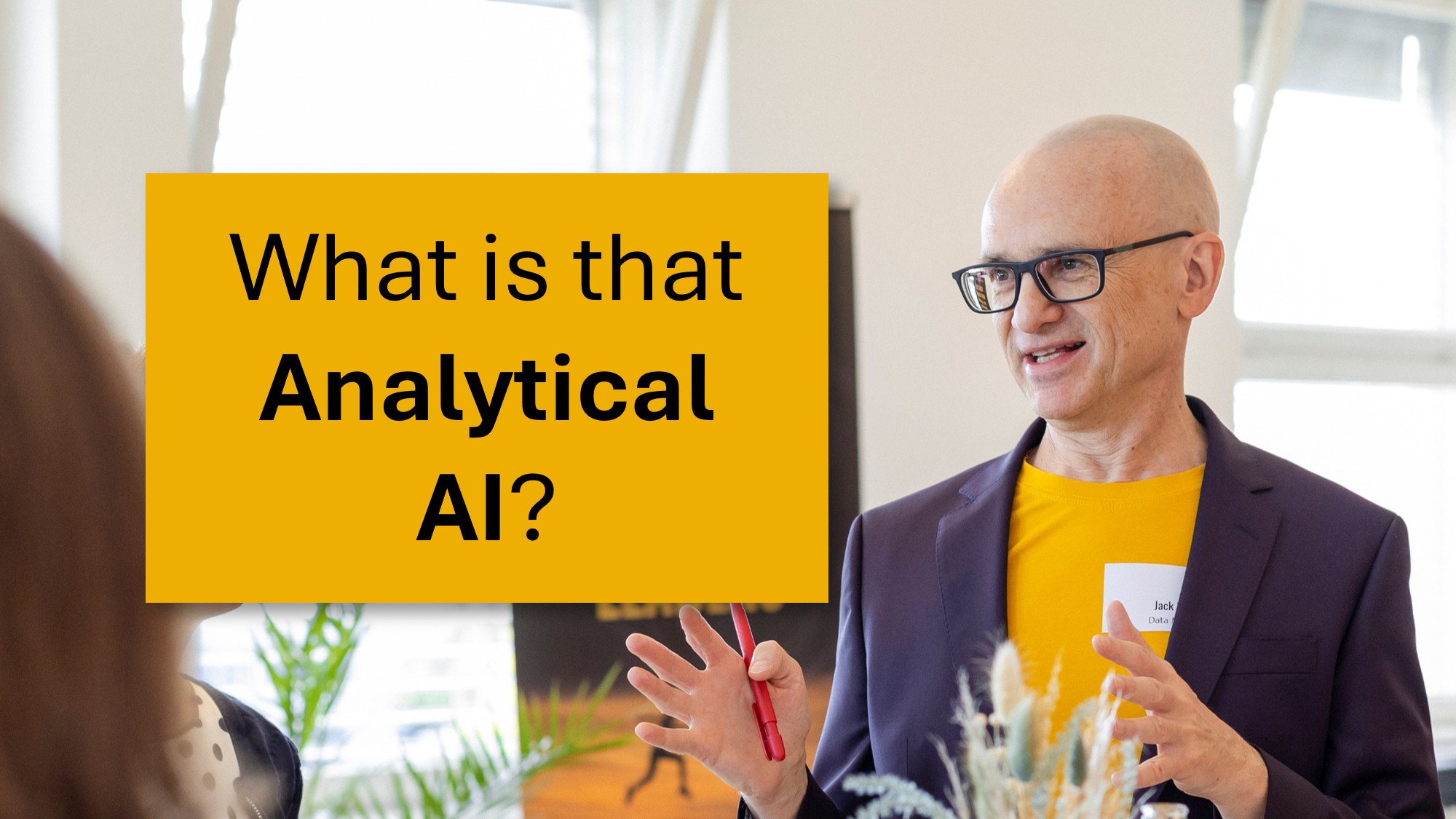 What is that Analytical AI?
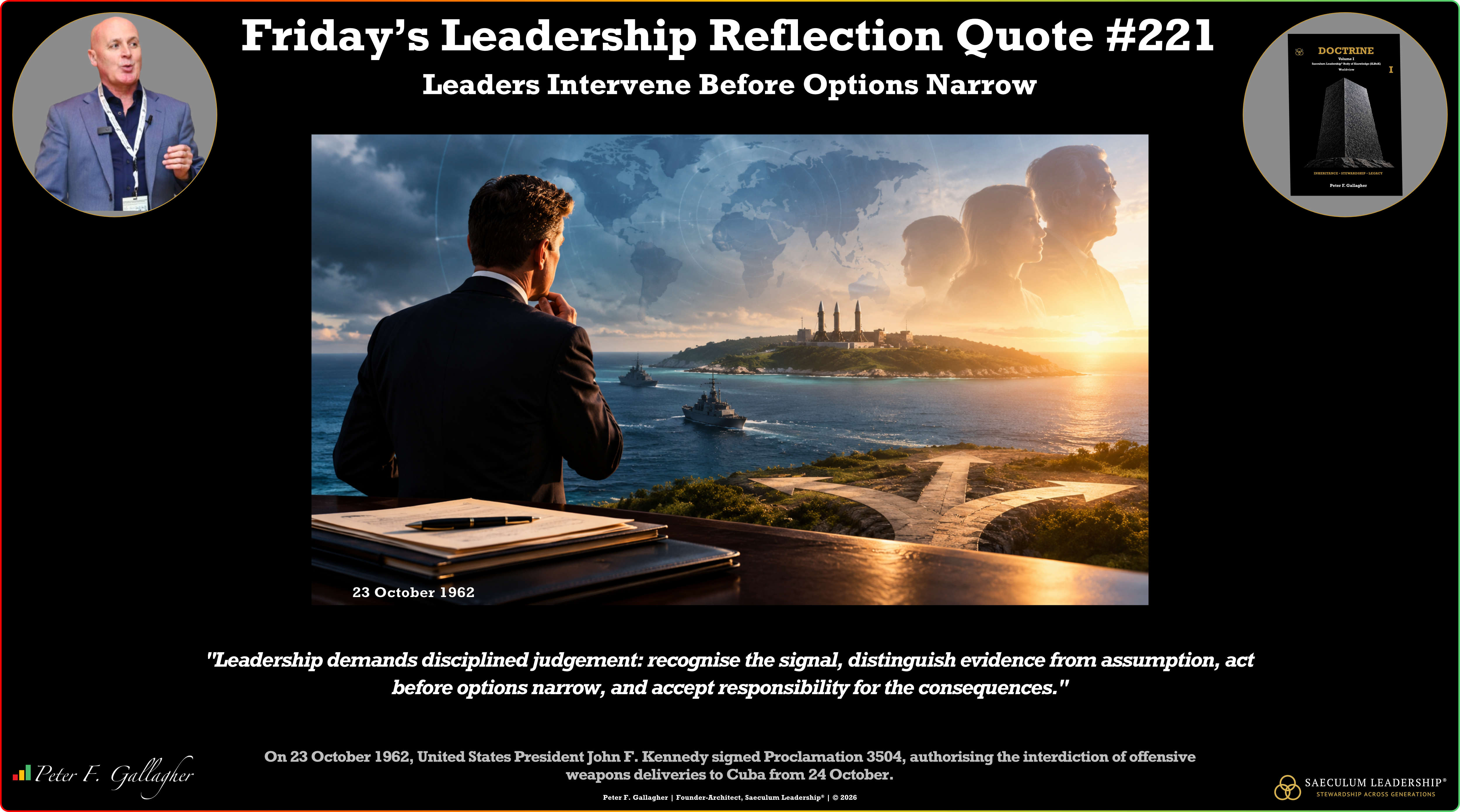 Friday’s Leadership Reflection Quote – Saeculum Leadership Leaders Intervene Before Options Narrow
 The Corix Partners Friday Reading List - October 23, 2026
 RIFLESSIONE SU AI, TECNOLOGIA E PERSONE