Aug26

2 of 4 in a series on Building a Leadership Pipeline That Won’t Crack Under Pressure
Every business owner has someone in mind when asked, "Who will lead this company next?"
The answer usually comes quickly.
"Our VP of Operations."
"My CFO."
"Our top-performing division leader."
The real question isn't whether you've identified a successor.
The question is whether you've tested them.
Too often, company leaders assume that years of experience automatically translate into executive readiness. It doesn't.
Markets don't care how long someone has been with the company. Customers don't care how loyal they have been. Employees don't care how well they managed their department.
Leadership is proven under pressure, not assumed because of tenure.
That is why succession planning should include deliberate stress testing.
I'm not talking about creating artificial crises or trying to make people's jobs miserable. I'm talking about intentionally placing future leaders in situations where they must think differently, make decisions with imperfect information, influence people outside their own department, and operate outside their comfort zone. Growth doesn't happen when leaders stay in familiar territory. It happens when they're challenged to think like enterprise leaders rather than functional experts.
Ask yourself a few questions.
Has your future CEO ever had to defend a controversial recommendation to your leadership team?
Have they ever managed a major customer relationship? Especially one that is in distress?
Negotiated with a bank?
Handled a public relations issue?
Led through a significant operational failure?
Presented a strategic plan to your ownership group?
If the answer to most of those questions is no, then you don't have a readiness problem—you have an experience problem.
One client introduced me to the executive they had chosen to become the next CEO. He had spent nearly twenty years with the company and was universally respected.
As we talked through his background, one thing became obvious: every major decision he had made, had to be approved by the owner.
He had become exceptionally good at running his function, but he had never truly led the business.
We set up a development plan I like to call "How to Train Your CEO."
We intentionally exposed him to financial discussions, customer negotiations, long-range planning sessions, and cross-functional initiatives. He began leading meetings the owner would normally facilitate. He represented the company in situations where the owner previously would have taken the lead. We also created opportunities for him to make decisions independently, learn from the outcomes, and build confidence before the actual transition occurred.
By the time the transition occurred, employees, customers, and other key stakeholders no longer viewed him as "the successor." They viewed him as the company's leader.
That transformation didn't happen because he attended more leadership training.
It happened because he accumulated executive experiences.
Succession planning isn't about predicting who will succeed.
It's about creating the conditions that allow someone to succeed.
Every organization should periodically ask, "What experiences would expose weaknesses before those weaknesses become business risks?"
Those experiences might include leading a turnaround project, managing an acquisition integration, launching a new market, resolving conflict between senior executives, presenting to lenders, or leading a major customer through a difficult situation. Each assignment builds judgment, perspective, and resilience in ways that classroom learning never can.
None of these assignments guarantees success.
But the experiences dramatically improve readiness.
Markets are unpredictable.
Economic cycles change.
Customers evolve.
Technology disrupts entire industries.
Your future leaders will eventually face pressure you cannot anticipate. They won't have the luxury of learning after they're promoted. They must go into the promotion as prepared and confident as possible.
The best time to discover whether someone is ready is while you still have time to help them grow.
Don't let the marketplace conduct the first test of your future CEO because it’s the company that will suffer.
Keywords: Entrepreneurship, HR, Leadership
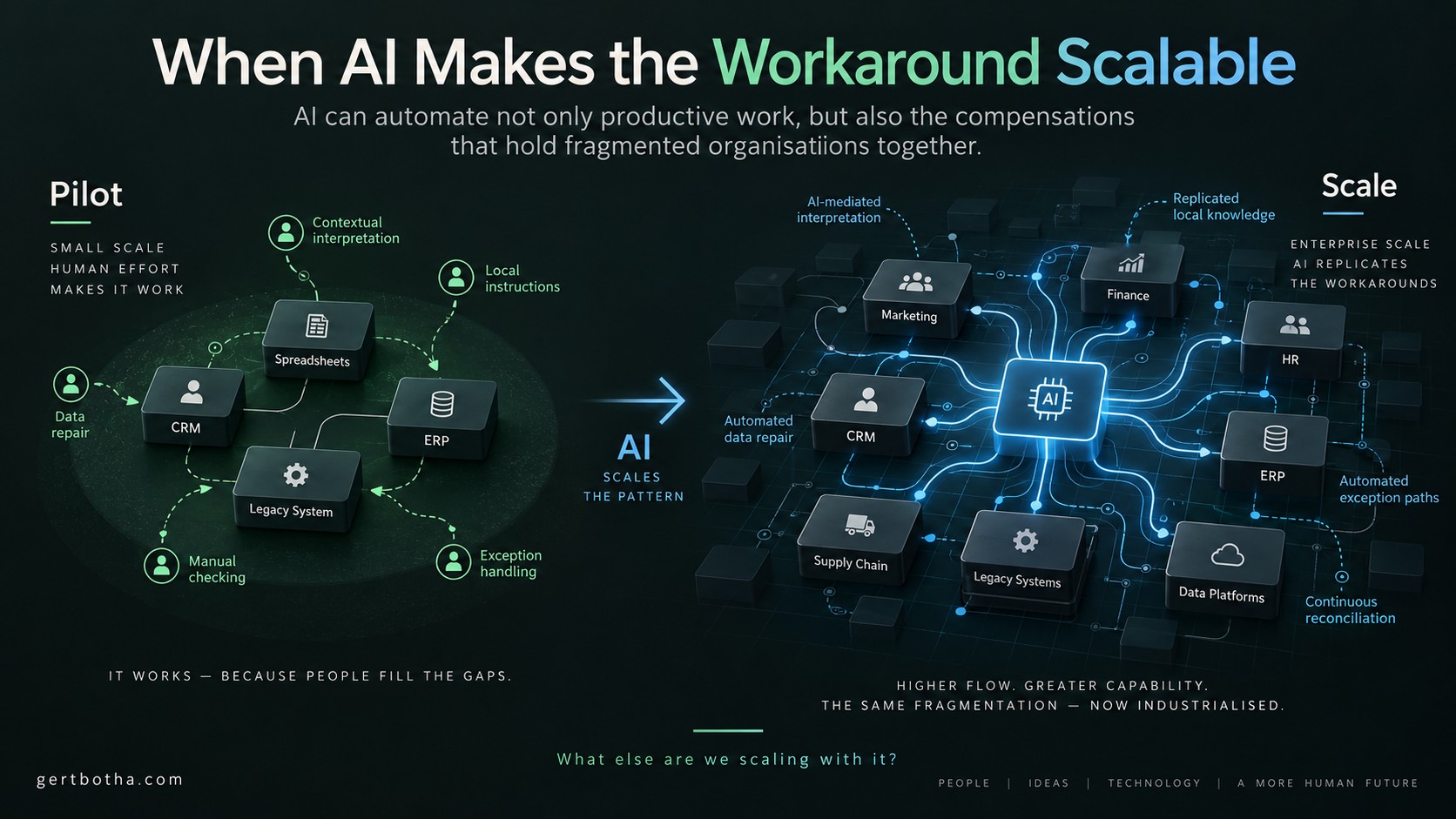 When AI Makes the Workaround Scalable
 The Age of Continuous Shocks: Why the coming downturn will be decided in your supply chain
 Friday’s Leader Reflection Quote – Saeculum Leadership Leaders Accept Decisions Create Responsibilities
 The Corix Partners Friday Reading List - October 9, 2026
 Consumer vs. enterprise AI agents