Aug23

When Alex handed in her resignation, the response felt chilly. Her manager barely made eye contact during the handover meeting, the goodbye email was perfunctory, and the send-off gift—a bottle of wine —felt more like an afterthought than a token of appreciation.
By the time Alex walked out of the office on their last day, it was clear: they weren’t just leaving a job; they were being ghosted by a workplace that no longer wanted them.
For Alex, it was a jarring experience. Years of effort, collaboration, and loyalty had been reduced to a transactional farewell. She couldn’t help but wonder: why did leaving a job feel like ending a relationship on bad terms?
The concept of a "job for life" has evolved significantly over the past few decades, with notable changes in employee tenure and employment patterns. In the UK, more than 1 in 10 individuals have not stayed with a single employer for more than a year, and almost 1 in 5 have a maximum tenure under two years. In one study, 18–23-year-old employees are more likely to have held three-to-five roles in a year than a single employment position. However, many leaving experiences appear to imply a belief that employee loyalty to long-term tenure should be a given.
This juxtaposition – the legacy loyalty expectations of employees and the reality of modern, transient employment patterns – combined with our social psychological needs to belong, conform and be part of a group can often lead to the leaving experience feeling more punitive than pleasant.
Surely there’s a more positive approach available? One that employers, managers and organisations can utilise that is not only not a poor experience, but actually adds value?
The answer might lie in an unlikely place: universities.
Universities recognise that their role is in creating future success for students – even if those individuals' future successes are not within the university system itself. Students’ time with them is finite and, as a result, universities manage multiple approaches that ensure their off-boarding process is anticipated, efficient, and positive.
They create opportunities for leavers to stay connected with peers and the organisation, should they choose to do so. They champion their in-role achievements and celebrate their post-study accomplishments. They invite leavers to share their experiences and build deeper relationships.
This irony is not lost on Alex. Her university keeps in touch, checking in on how her post-graduate experience is going. Whilst Alex has no intention of returning to university, she is proud to recommend her alma mater to others.
Imagine if Alex’s organisational leaving experience was comparable. If her employer were able to say, “Look at how Alex grew here, and what she achieved during her time with us.” If there were opportunity to champion her achievements, maintain the relationship, and build advocacy.
Now imagine the impact on the employer brand perception of the organisation, how it attracts future talent, and – like universities – creates the competitive edge in a challenging market.
Organisational alumni. Let’s make it a thing.
Danny believes that happy bees make tasty honey. With a purposeful culture, strategy and support systems, high performance becomes a side effect.
He is a psychologist, author of Constellation, an accredited coach, and a psychometrician whose work lies at the intersection of leadership, culture and personality, with a focus on individual differences – especially the “dark triad” traits of narcissism, psychopathy, and Machiavellianism.
An expert in culture and leadership dynamics, Danny has been recognised among the Global Top 10 Thought Leaders on Culture and the Top 25 in Leadership and has spent nearly 30-years in contact centre, retail and fintech industries, designing cultures, leadership systems, and strategies in which energy, clarity, and collaboration multiply success.
He is the founder of Firgun, a consultancy whose Hebrew name captures his core motivation: “the genuine, sincere and pure happiness for another person’s accomplishment or experience”, whose clients include Worldpay, M&G Investment Bank, and LEGO.
More articles are available on his website: dannywareham.co.uk/articles
Keywords: Culture, Leadership
 The Most Dangerous Leader in the Room May Be the One Everyone Depends On
 What is that Analytical AI?
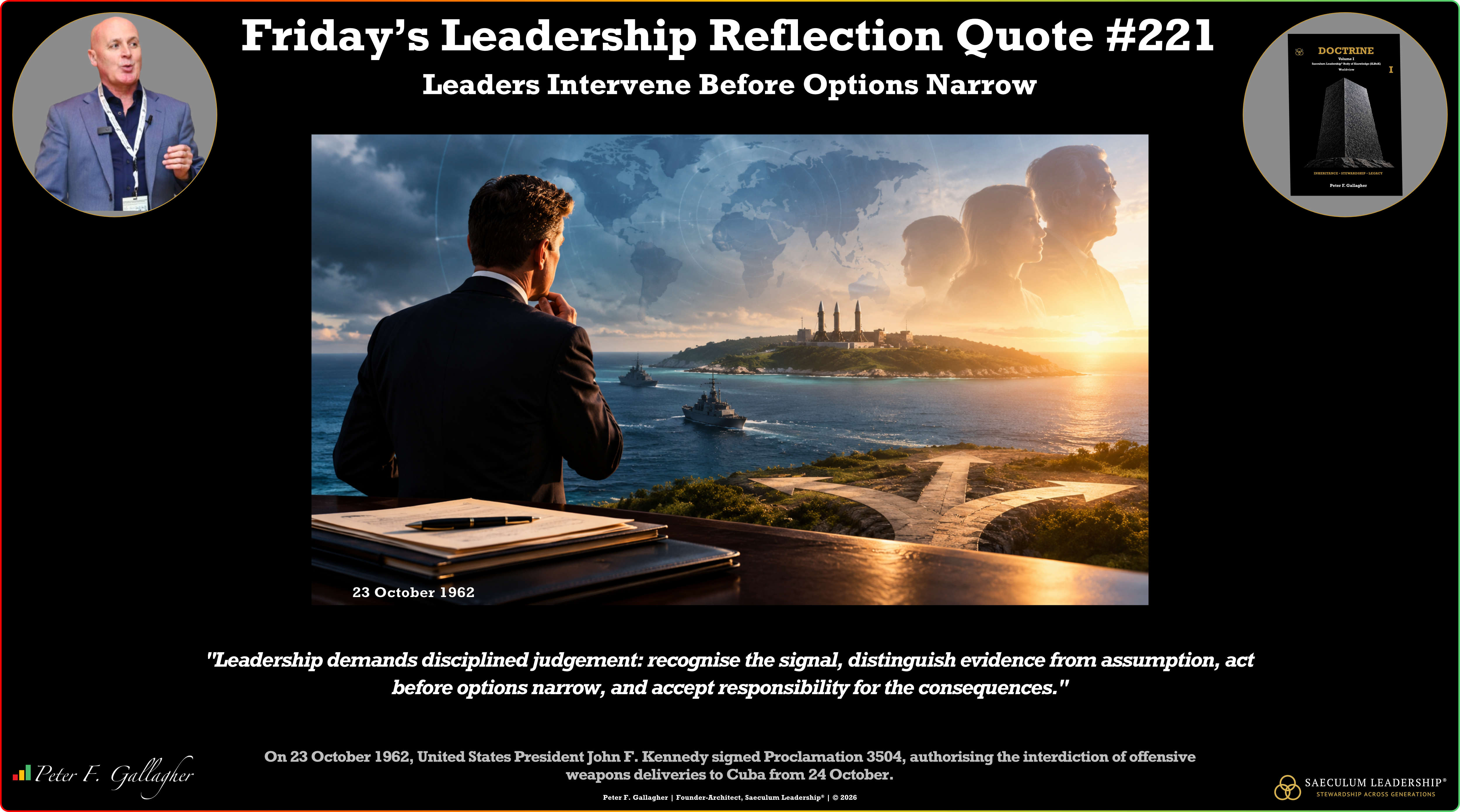 Friday’s Leadership Reflection Quote – Saeculum Leadership Leaders Intervene Before Options Narrow
 The Corix Partners Friday Reading List - October 23, 2026
 RIFLESSIONE SU AI, TECNOLOGIA E PERSONE