Jan07

We spend countless hours in meetings, exchanging emails, and project updates, yet few leaders pause to ask their team members:
"What brings out the best in you at work?"
It's simple. According to a recent study, companies that truly engage with their employees see up to a 21% increase in productivity. On the flip side, disengagement costs U.S. companies an estimated $450 billion to $550 billion each year. So, asking the right questions isn’t just a nice-to-have; it changes everything.
Here's the real issue: Workplaces too often run on assumptions.
Leaders often think they know what motivates their teams. Team members might assume leaders don't really want to know. This silent gap leads to mixed signals, resulting in both parties feeling unappreciated and misunderstood, fostering anxiety and resentment. Such emotional undercurrents can quickly turn into deep-seated disengagement and frustration.
And when it comes to motivating their teams, many leaders will typically try:
These only scratch the surface. They don't address how each person actually does their best work.
There's a better way.
I recently coached a leader puzzled by his project manager, Sarah's quiet struggles. I suggested he simply ask her, "What brings out your best work?" She replied, "I do my best work when I can solve problems without constant check-ins. I need space to think."
The leader went silent, feeling the weight of realization settle in. His shoulders relaxed, and he took a deep breath, recognizing that he'd been micromanaging her without realizing it. Those weekly status meetings that he thought were helpful? They were draining her energy. I watched as his face transformed, the pieces finally clicking into place.
Once he gave Sarah some breathing room, everything shifted. She hit deadlines early and started volunteering more of her ideas in meetings. Her whole presence changed. He realized that his good intentions were getting in the way of her best work. To create this breathing room, he reduced meetings and set outcome-only checkpoints. By allowing Sarah more autonomy, she thrived and contributed more effectively.
In my books Cultivate and You, Me, We, I show leaders how to replace assumptions with curiosity. This one question is one of the simplest ways to build trust and tap into what really drives people.
When you consistently seek to understand your people as people, not just job titles, the shift is immediate. Energy rises. Communication improves. Teams hit their stride.
Try it today. Ask one colleague this question. Then listen without jumping in. Reflect for a moment: Who on your team needs this today, and when will you ask? You'll be amazed at what you discover.
_______________________________________
Morag Barrett is a sought-after keynote speaker and executive coach, helping leaders and organizations around the world create cultures of connection. Her mission: to create workplaces where people thrive. Her mantra: Success in business is powered by relationships. Success in life is fueled by connection. Invite her to speak at your next event or work with your team to turn everyday interactions into Meaning-FULL Connectivity™.
Keywords: Coaching, Leadership, Management
 AI Is Exposing the Data Problems Humans Used to Hide
 "The AI may in fact be conscious." Really?
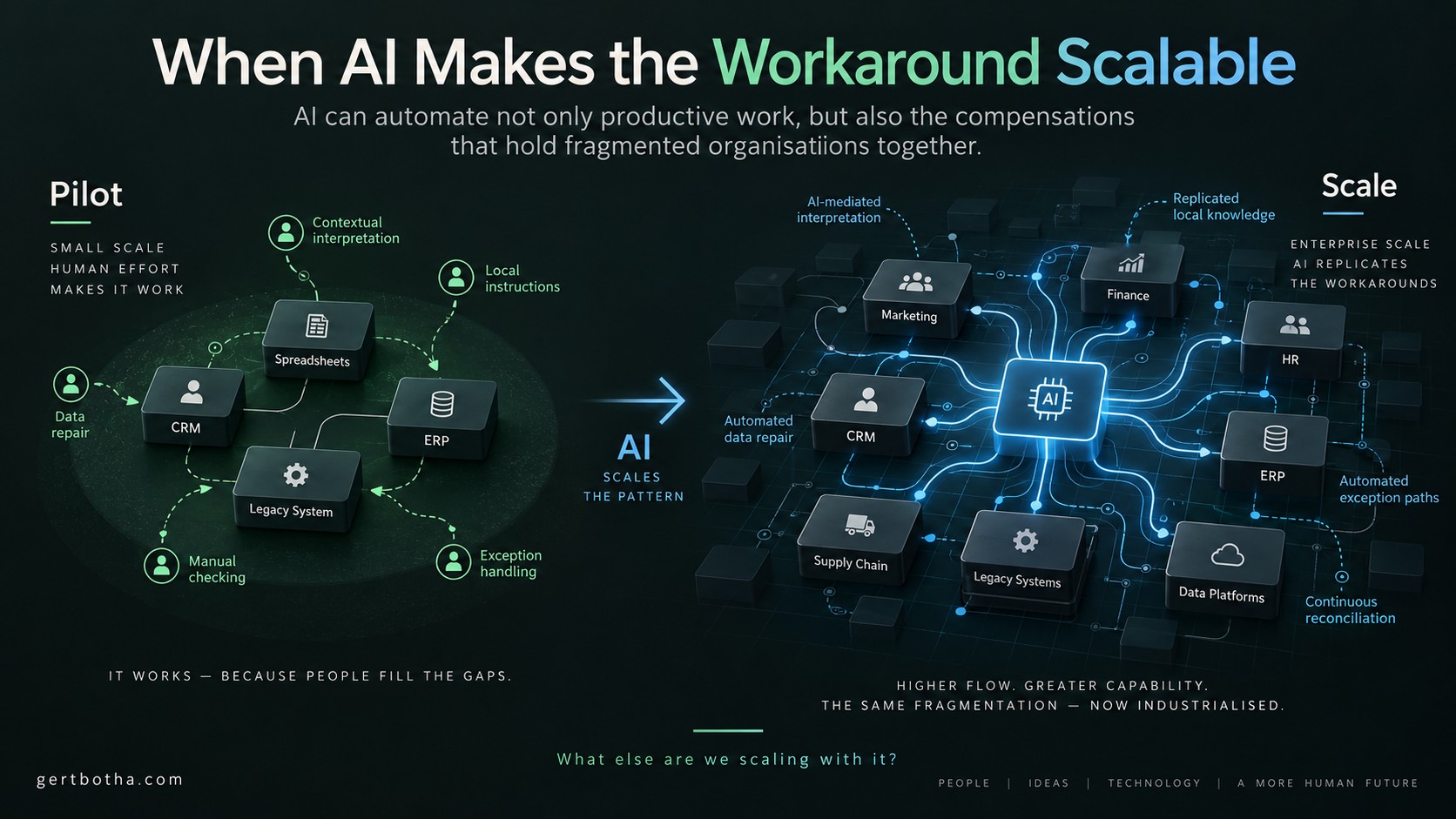 When AI Makes the Workaround Scalable
 The Age of Continuous Shocks: Why the coming downturn will be decided in your supply chain
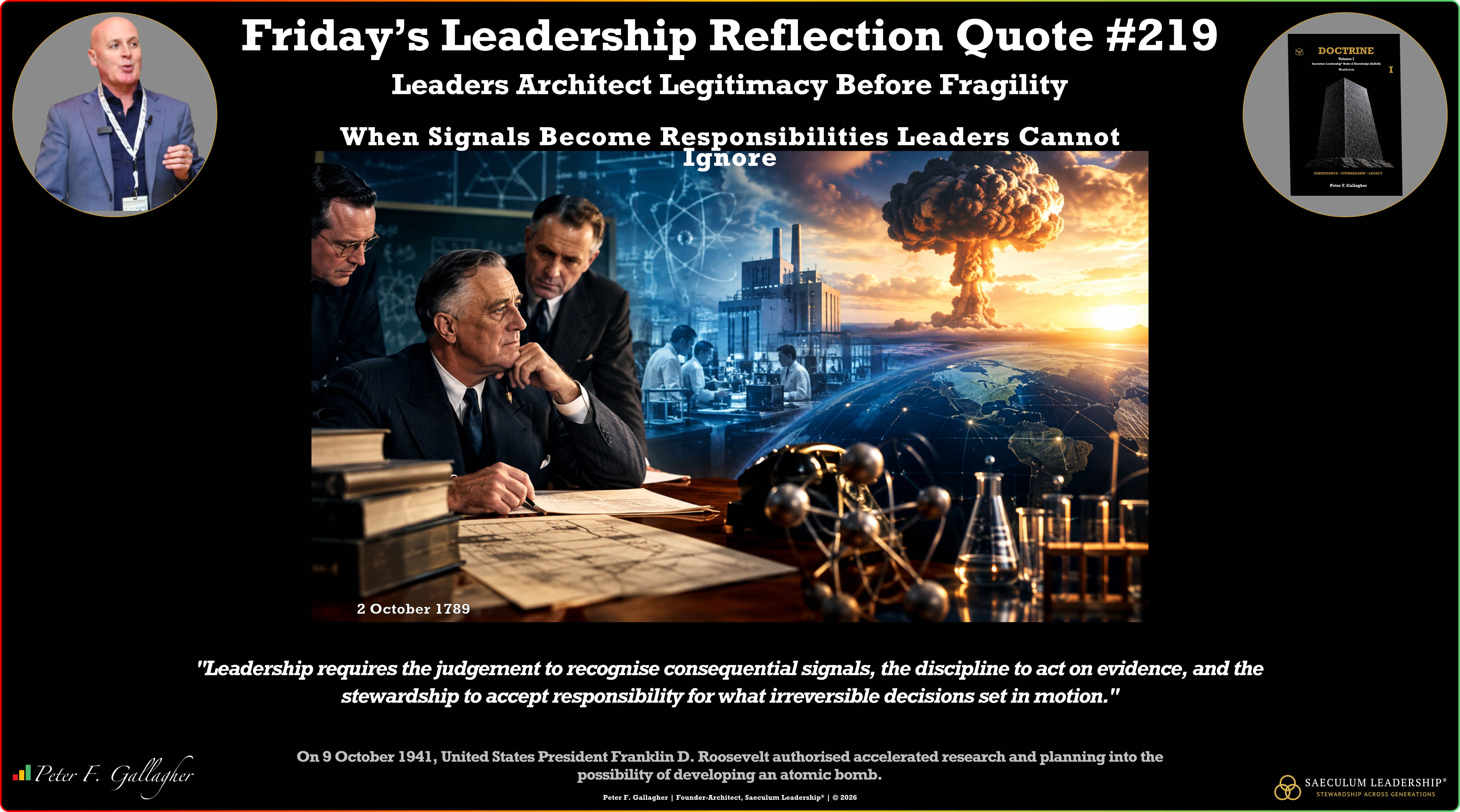 Friday’s Leader Reflection Quote – Saeculum Leadership Leaders Accept Decisions Create Responsibilities