Feb20

Some mornings don't need another dashboard refresh or a weekly trading report that tells you what already happened. They need the Sex Pistols on full blast and a reminder that a little anarchy built some of the greatest brands in history.
Think about it. The brands that defined retail didn't emerge from perfectly structured five-year plans. They came from someone ignoring the consensus, backing a gut feeling, and moving before the data told them it was safe to do so. Zara didn't wait for the industry to agree that fast fashion was viable. Amazon didn't pause while booksellers debated whether the internet was a real channel. Disruption has never been polite, and it has never been patient.
Right now, retail feels tightly wound. AI breakthroughs landing weekly. Consumer behaviour shifting faster than planograms can react. Margin pressure from every direction , energy costs, wage inflation, a consumer who has never been more demanding or less loyal. And a news cycle that pushes a constant sense that everything is fragmenting at once. It's a lot. Anyone who tells you they have it all figured out is either lying or not paying attention.
But here's the paradox: the moments that look like disorder are often the moments that build the next structure.
The chaos isn't the problem. The chaos is the signal.
We're moving from AI that tells you what happened to AI that acts on what's happening. That distinction matters more than most people in retail have yet grasped. The first wave of AI gave us better reports, sharper forecasts, smarter segmentation. Useful, absolutely. But fundamentally it was still the same model , gather data, analyse it, present it to a human, wait for a decision. The human remained the bottleneck.
Agentic AI removes the bottleneck.
Phase two. This is where the real disruption starts , not in a report, not in a recommendation, but in an AI that autonomously reprices when a competitor moves, replenishes before a gap appears on shelf, and responds to a shift in demand before a human even opens their laptop. We're talking about systems that don't just surface insight but act on it. That negotiate. That coordinate across functions. That operate continuously, at a speed and scale no human team can match.
For a sector that runs on thin margins and unforgiving consumer expectations, that's not a marginal improvement. That's a structural shift in what it means to be operationally excellent.
Unstructured doesn't mean broken. Anarchy doesn't mean failure. It often means the old rules are no longer sufficient for what comes next.
And the old rules of retail AI , deploy a model, run a pilot, wait for sign-off, scale carefully , may already be insufficient. Not because caution is wrong, but because the competitive window is narrowing faster than most governance frameworks were designed to accommodate.
We're already seeing it on the shop floor and in the supply chain. Teams experimenting with autonomous replenishment. Dynamic pricing engines that respond in minutes rather than days. AI-driven ranging decisions that adapt to localised demand signals without a category manager having to rebuild a spreadsheet. It's experimental. It's messy. It's deeply uncomfortable for anyone who built their career on controlled, centralised decision-making where every recommendation went through three layers of approval.
But that's how real transformation begins , not inside perfectly governed frameworks, but inside teams that refuse to wait for the perfect business case.
Every major retail disruption has had this phase. Noise first. Standards later. Experimentation before optimisation. E-commerce looked chaotic before it rewrote the entire industry. Mobile commerce was a distraction until it wasn't. Personalisation was a buzzword until the retailers who invested early built loyalty advantages that their competitors are still trying to close.
Agentic AI is that moment, right now, in real time.
The retailers who will look back on this period with confidence are not the ones waiting for a clean implementation roadmap or an industry-wide standard to emerge. They're the ones running scrappy pilots in the back office. Giving small teams permission to break things. Asking uncomfortable questions about which decisions actually need a human in the loop and which ones are just waiting for a better system to take over.
So if this morning feels a bit loud, a bit fast, a bit unpredictable , lean into it. The retailers building tomorrow's advantage aren't waiting for certainty. They're moving inside the chaos, learning faster than their competitors, and letting the structure emerge from the experimentation rather than designing the experimentation inside the structure.
Sometimes greatness is built in the very moments that feel least controlled.
To all the anarchy out there this morning: have a beautiful one.
By Alex Rezvan
Keywords: Agentic AI, AI, Retail
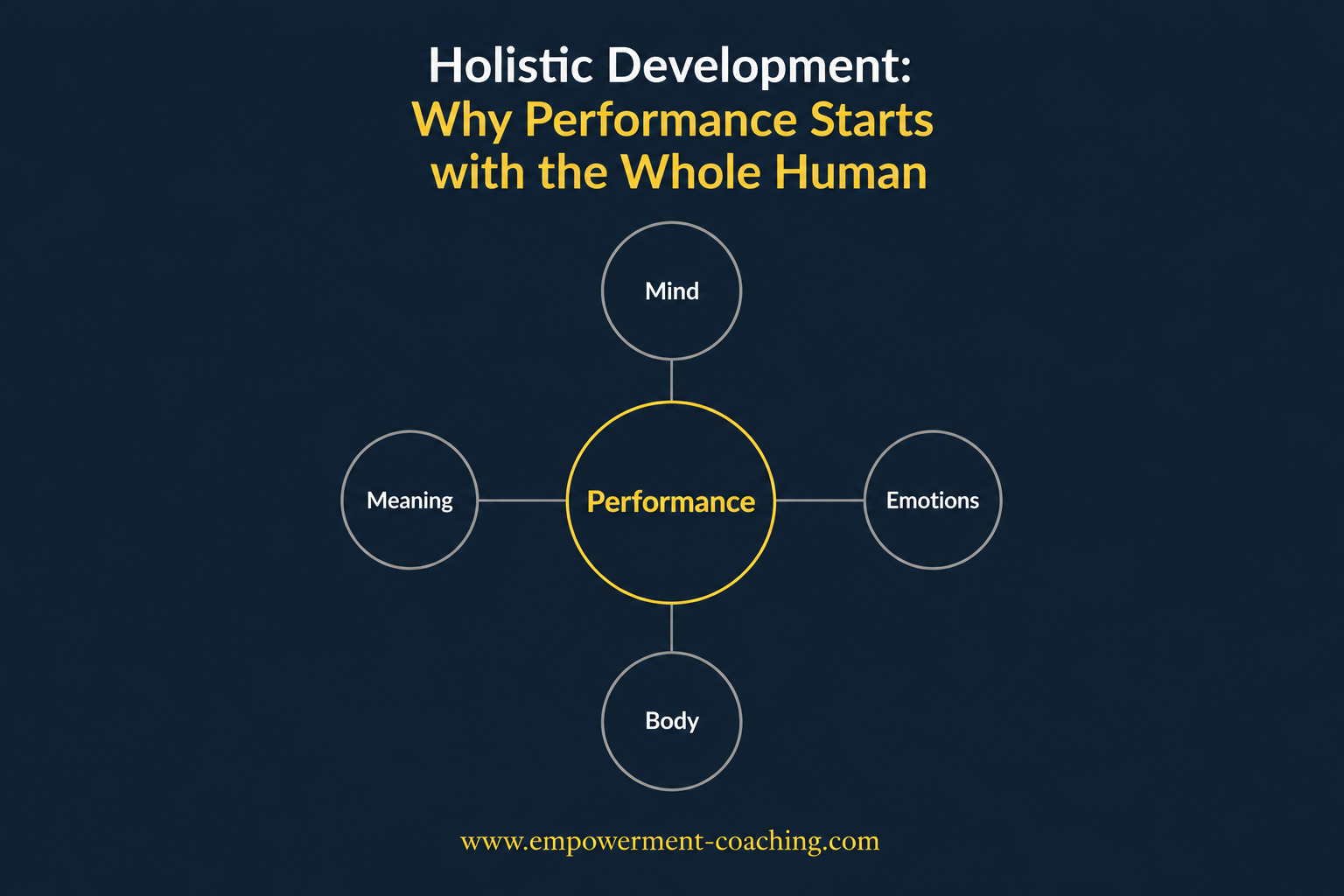 Holistic Development: Why Performance Starts with the Whole Human
 The Most Dangerous Leader in the Room May Be the One Everyone Depends On
 What is that Analytical AI?
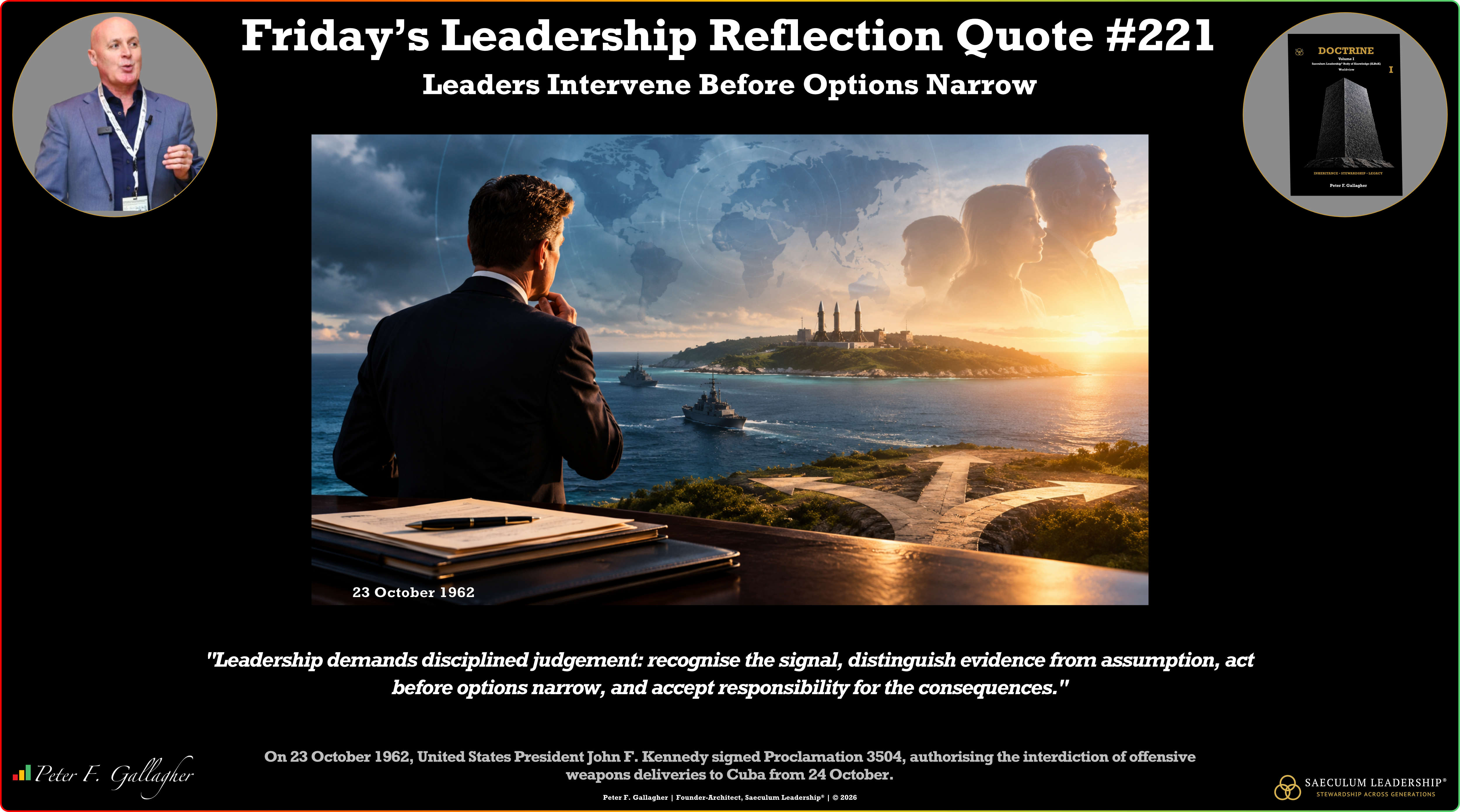 Friday’s Leadership Reflection Quote – Saeculum Leadership Leaders Intervene Before Options Narrow
 The Corix Partners Friday Reading List - October 23, 2026