
Feb16
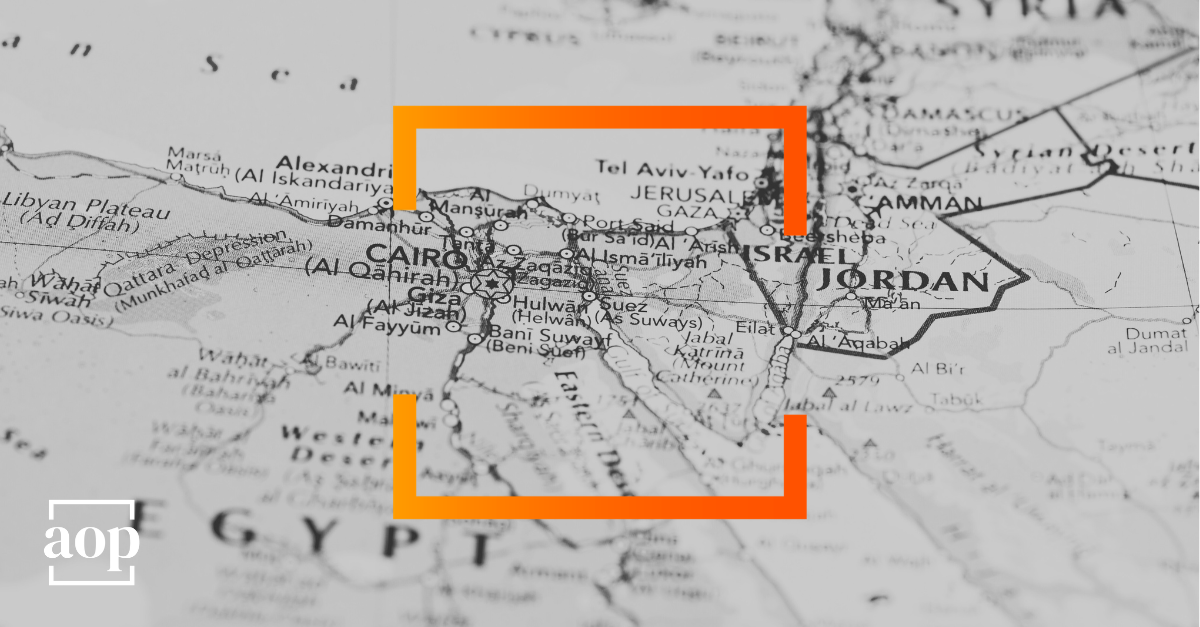
In late 2023, one of the most important arteries of global trade didn’t just become dangerous. It became functionally unusable.
After Hamas’ October 7th attack on Israel, Houthi militants began targeting commercial vessels in the Red Sea. What began as attacks on Israel-linked ships quickly expanded into something far less selective: virtually anything that moved. Confidence in the Suez Canal, which typically carries roughly 10 to 12 percent of global seaborne trade, eroded almost overnight.
Carriers diverted thousands of vessels around the Cape of Good Hope, adding roughly 3,300 nautical miles and about 10 days to each Asia–Europe voyage. The longer route meant higher fuel burn, slower asset turns, and mounting costs across fragile supply chains, but it also offered safety. The industry adapted, but at a steep operational price.
Now, Maersk is cautiously testing a return to the Suez Canal and the world is watching.
On January 11–12, 2026, the U.S.-flagged Maersk Denver completed a two-day transit through the Bab el-Mandeb Strait and the Red Sea, following a similar passage by Maersk Sebarok in December 2025.
Maersk described the voyage as an “additional sailing,” emphasizing a gradual, “stepwise approach” to any broader return. Its statement stressed that safety measures were applied and that customers with cargo onboard were informed directly. (Whether those customers were informed before or after the passage was not part of the statement.)
The return is not being driven by sudden stability. It is being driven by economics.
Global ocean capacity currently exceeds demand. U.S. import volumes have softened, freight rates are under pressure, and carrier profits are tightening. The Suez route spans roughly 8,500 nautical miles and takes about 26 days, compared to approximately 11,800 miles and 36 days via southern Africa. Shorter voyages reduce fuel costs and improve vessel utilization — powerful incentives in a weak rate environment.
Geopolitical risk, however, has not disappeared. Iran continues to support the Houthis, even as domestic unrest complicates Tehran’s external posture. Since October 2023, Houthis have targeted more than 100 merchant ships. They sank four, seized one, and killed eight seafarers, according to gCaptain. Red Sea traffic remains roughly 60 percent below pre-crisis levels.
Even a broader reopening would carry side effects. BIMCO’s Niels Rasmussen has warned that returning to shorter routings could reduce overall ship demand by about 10 percent by releasing excess capacity back into the market. When Maersk announced it would restart Suez Canal usage on its MECL service beginning January 26, its share price fell roughly 5 percent. The market understands the risk of return and also of releasing additional ocean freight capacity.
Other carriers remain cautious. CMA CGM has conducted limited Suez transits when conditions allowed, while Hapag-Lloyd has said it is not currently planning a return. As Trans.INFO observed, isolated sailings do not equal a reopened corridor — the Red Sea is being tested, not trusted.
For supply chain leaders, that distinction is critical. Economic pressure may reopen the chokepoint, but the fragility that closed it remains.
Explore other episodes of Art of Supply here.
By Kelly Barner
Keywords: Risk Management, Supply Chain, Transportation
 Holistic Development: Why Performance Starts with the Whole Human
 The Most Dangerous Leader in the Room May Be the One Everyone Depends On
 What is that Analytical AI?
 Friday’s Leadership Reflection Quote – Saeculum Leadership Leaders Intervene Before Options Narrow
 The Corix Partners Friday Reading List - October 23, 2026