Aug31

Three major court decisions in 2026 have started to redraw the boundaries of liability when freight moves through third parties.
In May, the U.S. Supreme Court unanimously ruled in Montgomery v. Caribe Transport II, LLC that federal law does not protect freight brokers from state-law negligent hiring claims. One day later, the Texas Supreme Court reached a very different result for Home Depot, finding the shipper was not liable for a fatal accident involving a Werner Enterprises driver.
Then came July’s $604 Million Dallas County verdict against C.H. Robinson and others in Lipe v. Lupus Superior, LLC, et al.
Together, these cases raise a consequential question about when hiring a carrier becomes something more.
Listen to this episode of the Art of Supply podcast here: https://artofprocurement.com/blog/supply-the-604-million-freight-broker-liability-verdict
Liability Follows Control
The Home Depot decision offers some protection for what the court characterized as a “passive shipper.” Home Depot purchased transportation services but did not direct how the carrier performed the work.
Freight brokers occupy a more complicated position. Carrier selection is part of their business, and their involvement may continue after a load has been booked. That distinction became critical in the C.H. Robinson case.
Jurors concluded that driver Gorgonio Gonzalez was acting as a “borrowed employee” of C.H. Robinson when a crash he caused killed three people and injured fourteen others. Although the jury assigned C.H. Robinson 23 percent of the responsibility, the borrowed-employee finding has exposed the broker to vicarious liability.
The key issue wasn’t simply whether C.H. Robinson had adequately vetted the carrier (Lupus Superior). It was whether the company exercised sufficient control over the driver's work. That creates a potentially significant distinction for the freight industry: The greatest liability risk may not come from choosing the wrong carrier, but from becoming too involved in how that carrier executes the load.
What Counts as "Enough" Vetting?
Carrier selection remains part of the equation.
C.H. Robinson has emphasized that Lupus Superior held an FMCSA Safety Rating of “Satisfactory,” the agency’s highest available rating. But the plaintiffs pointed to another set of indicators: the carrier reportedly exceeded intervention thresholds for Unsafe Driving and Hours-of-Service Compliance.
That exposes a weakness in the current system. A carrier can maintain a Satisfactory overall rating while simultaneously triggering concerns within individual safety categories.
The Transportation Intermediaries Association (TIA) has asked FMCSA to establish clearer carrier-selection standards, arguing that brokers need a consistent definition of reasonable care rather than having the standard effectively established after an accident.
A Line the Industry Needs to Find
If brokers respond by restricting freight to a smaller group of carriers with the strongest safety profiles, available capacity could tighten and transportation costs could increase. C.H. Robinson has warned that as many as 20 percent of carriers could potentially be excluded because companies cannot confidently determine what level of vetting will satisfy future courts.
C.H. Robinson plans to appeal the $604 Million verdict, with the borrowed-employee finding likely to be one of the most consequential issues. The outcome of these proceedings matters well beyond one broker.
Companies have always needed to understand who is moving their freight. Now they may also need to examine exactly how they interact with those carriers and drivers after the load is awarded. The emerging legal dividing line is no longer simply between safe and unsafe carrier selection. It may increasingly be between arranging transportation and controlling transportation.
Where courts ultimately draw that line could reshape freight brokerage and its costs for years to come.
Sources
Supreme Court / Montgomery v. Caribe Transport II:
https://us.bbrown.com/blog/what-montgomery-v-caribe-transport-means-for-freight-broker-liability
FreightWaves analysis of C.H. Robinson, Home Depot, and broker liability:
https://www.freightwaves.com/news/c-h-robinson-faces-604-million-verdict-what-vicarious-liability-and-negligent-hiring-mean-for-brokers-after-montgomery-and-home-depot
C.H. Robinson statement on the Lipe verdict and carrier safety:
https://www.chrobinson.com/en-us/about-us/newsroom/news/2026/lipe-v-lupus-superior-verdict/
Transportation Intermediaries Association petition / carrier-selection standards:
https://news.yrules.com/en/archives/27270
By Kelly Barner
Keywords: Legal and IP, Risk Management, Supply Chain
 AI Is Exposing the Data Problems Humans Used to Hide
 "The AI may in fact be conscious." Really?
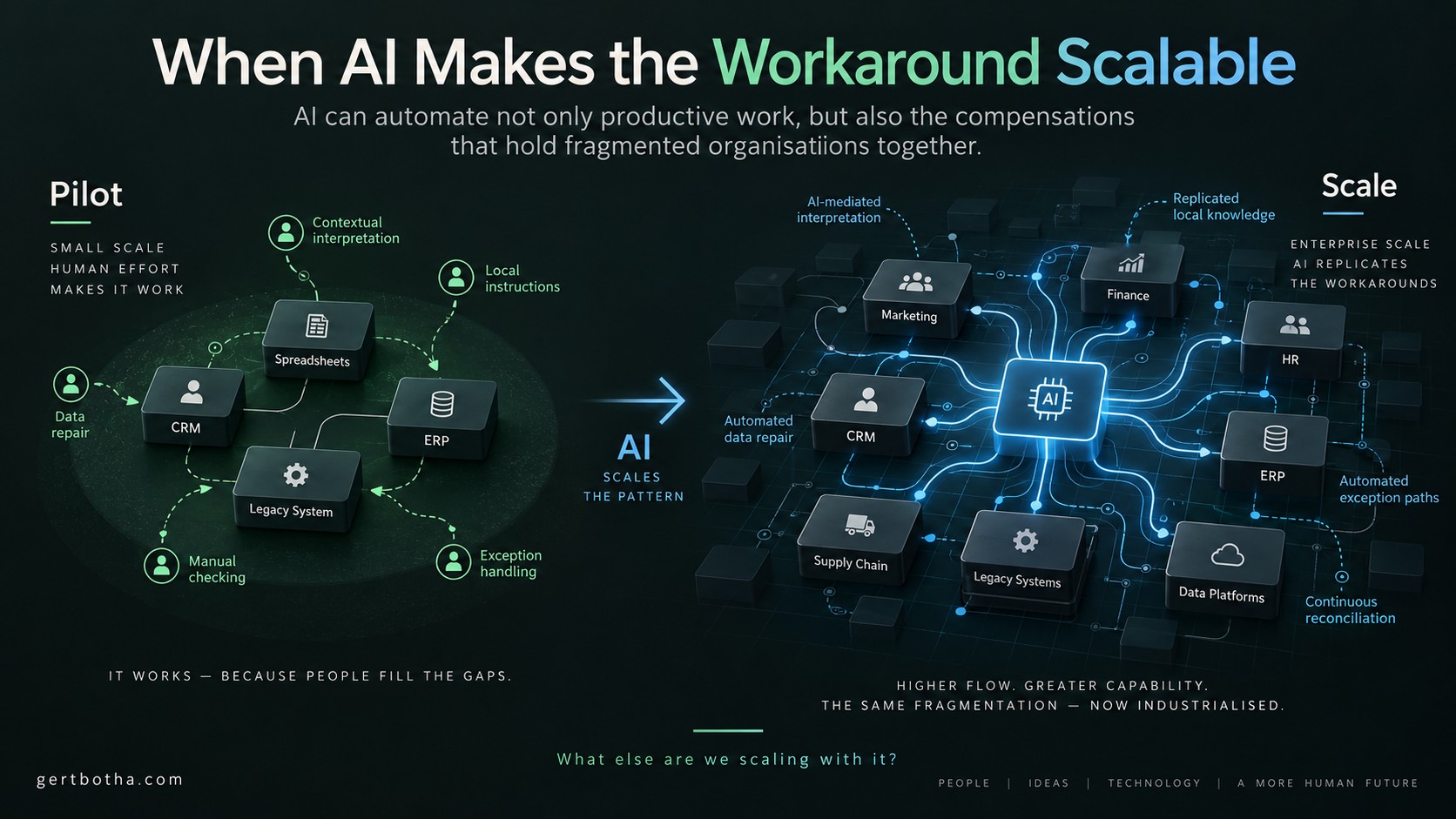 When AI Makes the Workaround Scalable
 The Age of Continuous Shocks: Why the coming downturn will be decided in your supply chain
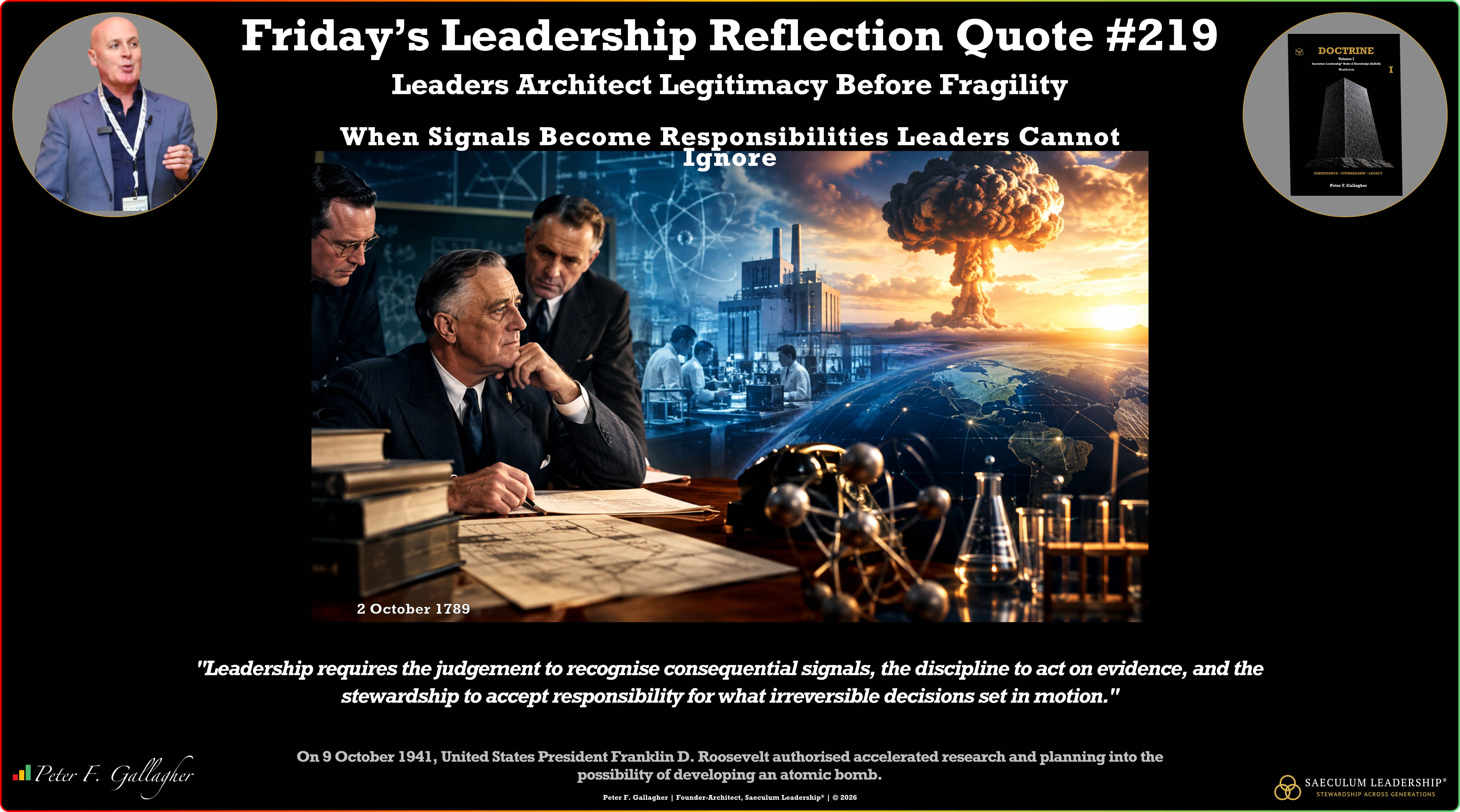 Friday’s Leader Reflection Quote – Saeculum Leadership Leaders Accept Decisions Create Responsibilities