Apr20
There’s a moment most leaders recognize, even if they don’t talk about it.
The meeting looks right.
The people are capable.
The strategy is sound.
And yet… something doesn’t move.
Decisions circle.
Energy drains.
Execution slows just enough to miss the mark.
Nothing is obviously broken.
But the system won’t stabilize.
For years, I watched this happen across industries—from aerospace operations to education to nonprofit leadership. Brilliant people. Solid plans. Underwhelming results.
It took me a long time to see it clearly:
The problem wasn’t intelligence.
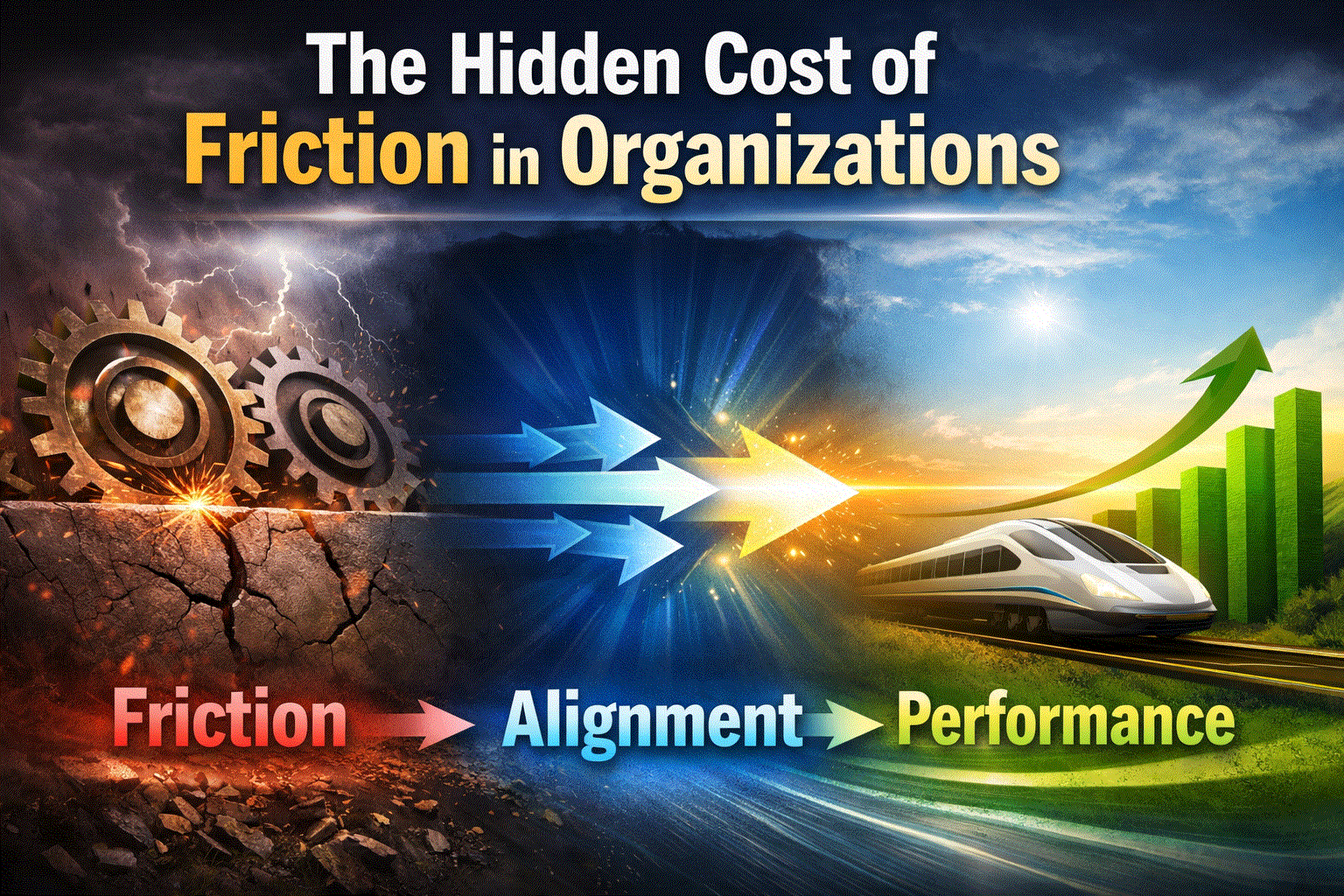
It was friction.
We tend to explain underperformance in familiar ways:
Sometimes those are true.
But more often, they’re symptoms—not causes.
What’s really happening is quieter and more systemic:
Individually, these don’t seem catastrophic.
Collectively, they create drag.
And drag compounds.
Just like in physics, friction doesn’t stop movement immediately—it dissipates energy over time until performance degrades.
One of the most persistent myths in leadership is this:
If you put smart people together, performance will follow.
In reality, the opposite often happens.
Highly capable teams can produce mediocre outcomes when alignment is weak.
Less experienced teams can outperform expectations when alignment is strong.
That’s not motivational theory.
It’s systems behavior.
In Coherence: From Hydrogen to Humanity, I explored this pattern across disciplines—from molecular bonding to neural integration to organizational dynamics:
Structure does not generate intelligence. Alignment does.
You can have all the right pieces in place.
If they’re not aligned, the system resists itself.
Here’s what makes friction dangerous:
You can’t see it in a dashboard.
It doesn’t appear in quarterly reports.
It hides in the space between people, teams, and decisions.
It shows up as:
Over time, organizations normalize this.
They adapt to dysfunction instead of resolving it.
And then they wonder why growth plateaus—or why pressure has to keep increasing just to maintain momentum.
Most leadership models are built around control:
Set direction.
Drive execution.
Hold people accountable.
That works—up to a point.
But in complex, fast-moving environments, control doesn’t scale.
What does scale is alignment.
The real gap isn’t leadership capability.
It’s the ability to see and resolve friction across the system before it compounds.
That requires a different lens.
Not “Who’s not performing?”
But:
“Where is the system misaligned?”
This is where the shift begins.
Friction isn’t the enemy.
It’s information.
When things slow down, loop, or break down, the system is telling you something:
In other words:
The system isn’t aligned enough to move coherently.
Most organizations try to push through that.
Better leaders learn to diagnose it.
We’re operating in a compressed world.
Time to decide is shorter.
Margin for error is thinner.
Complexity is higher than ever.
What used to be minor misalignment is now amplified.
What used to be manageable friction is now systemic drag.
And traditional approaches—more pressure, more oversight, more meetings—don’t fix it.
They often make it worse.
The organizations that are starting to break through aren’t necessarily smarter.
They’re more aligned.
They’ve made a subtle but powerful shift:
From managing people…
to stewarding conditions.
From pushing performance…
to reducing friction.
From reacting to problems…
to seeing misalignment early.
That’s where the next evolution of leadership is heading.
If friction is the hidden cost inside organizations…
Then the next question becomes:
How do you actually see it—before it impacts performance?
Because once you can see it…
You can simulate it.
You can resolve it.
You can prevent it from compounding.
That’s where a new layer of thinking—and a new class of tools—is beginning to emerge.
We’ll explore that next.
Most organizations don’t struggle because they lack strategy.
They struggle because friction is silently eroding execution.
Reduce the friction…
And performance doesn’t need to be forced.
It begins to flow.
By Zen Benefiel
Keywords: Digital Transformation, Leadership, Management
 "The AI may in fact be conscious." Really?
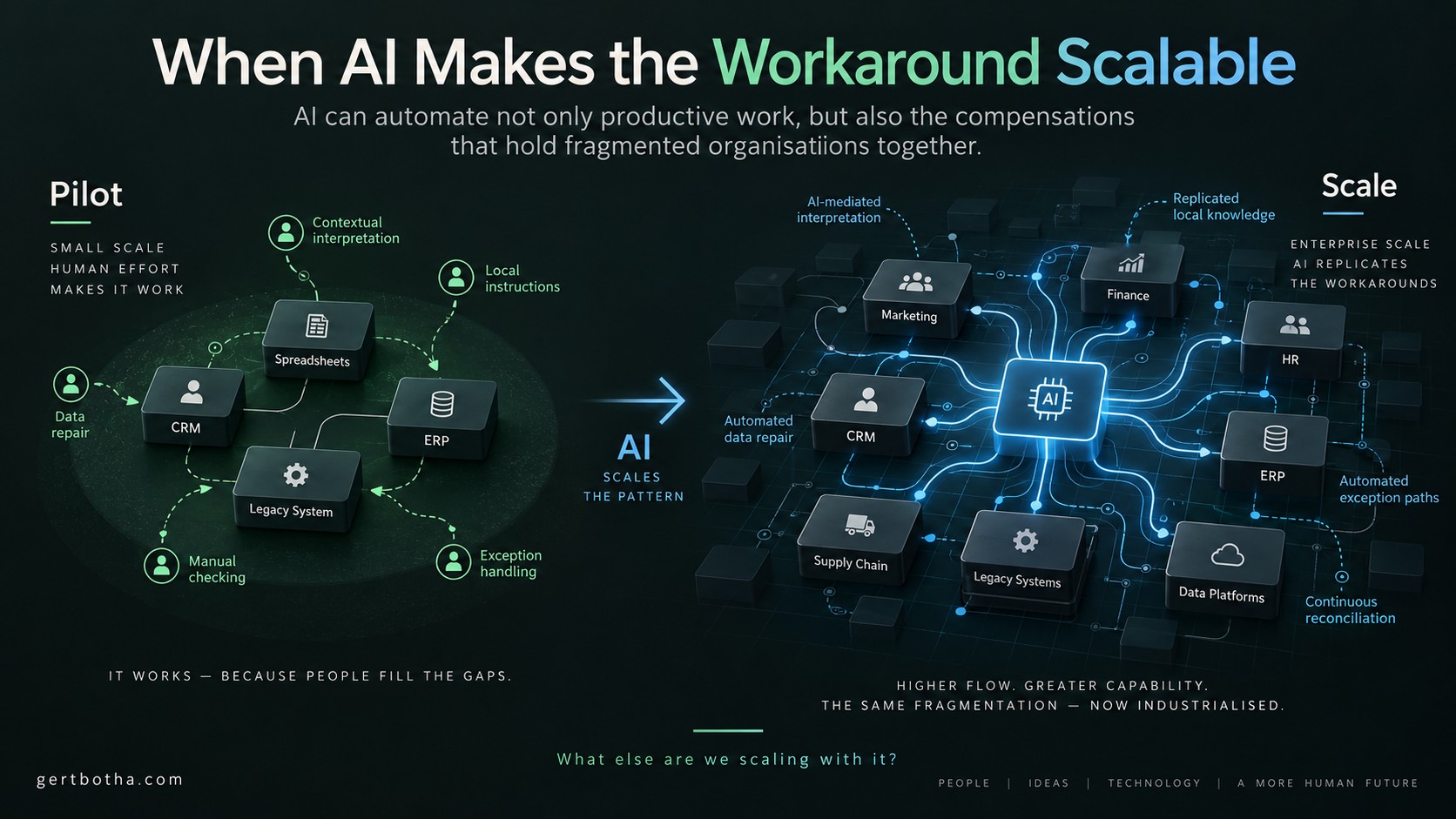 When AI Makes the Workaround Scalable
 The Age of Continuous Shocks: Why the coming downturn will be decided in your supply chain
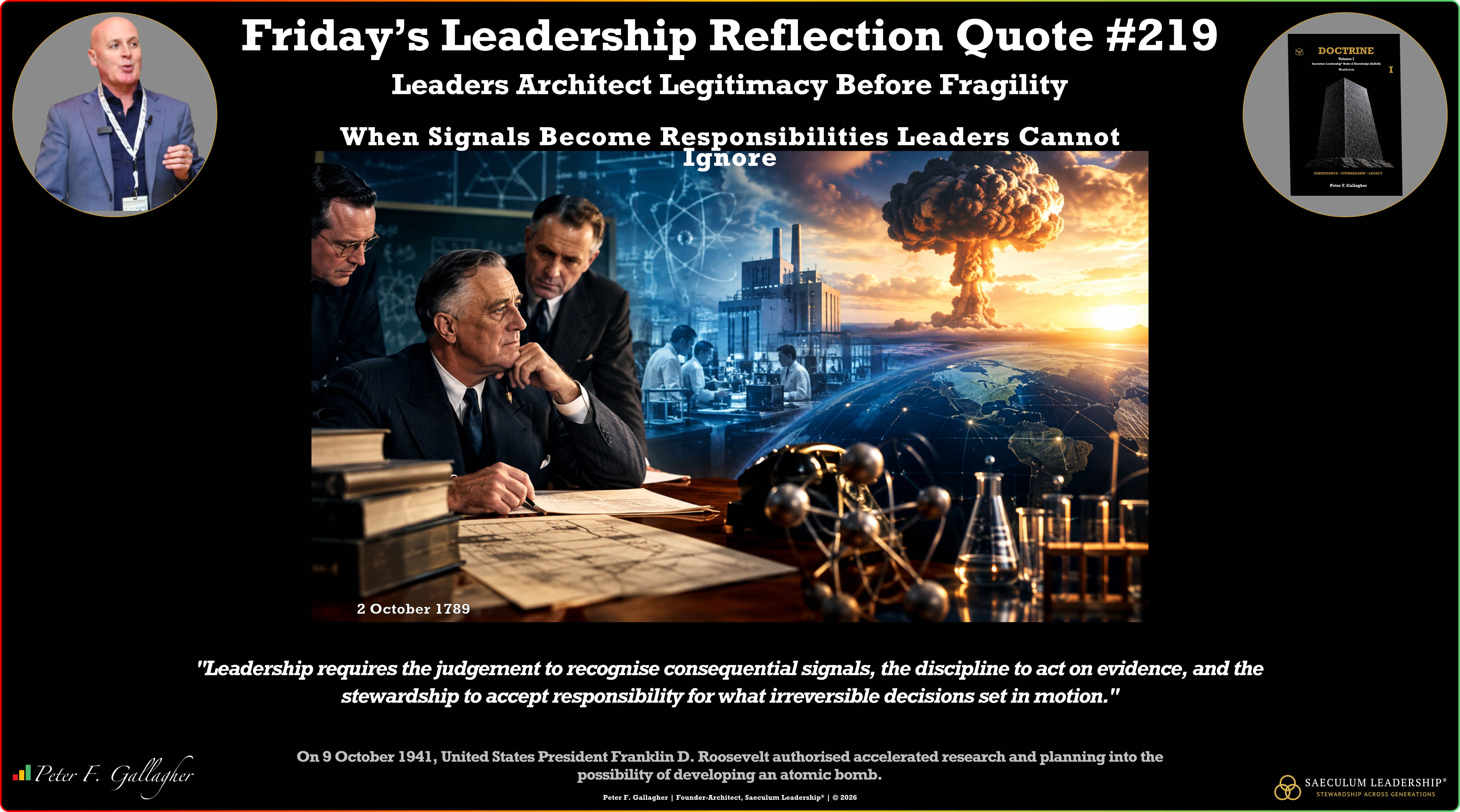 Friday’s Leader Reflection Quote – Saeculum Leadership Leaders Accept Decisions Create Responsibilities
 The Corix Partners Friday Reading List - October 9, 2026