
Sep15

Sometimes a reorganisation cannot be prevented. Budgets shift. Markets change. Leaders make hard calls. I understand that pressure. But after watching what happens to the people left behind, I want to share a clear opinion.
Most reorgs do not fail because of the new structure. They fail because leaders skip the human part.
By the end of this article, you will know what gets missed after a reorg and how to do better for the team members who stay. The fixes are practical. You can start using them this week.
A new org chart looks tidy.
Boxes move.
Reporting lines change.
On paper, it all makes sense.
But teams are not boxes. They are people. People who need to understand what is happening and why. When you miss that part, even a smart plan falls apart.
I have seen strong structures collapse because nobody spoke to the people inside them. And I have seen messy structures work because leaders took the time to bring their teams along. The difference is rarely the design. It is the human work that comes after.
Last year, I watched this play out.
A leadership team announced a new way of working on a Friday. They sent one email, then moved on. No conversation. No follow-up. Just silence.
By Monday, people had filled that silence with their own stories.
And here is the part many leaders miss. Silence does not stay neutral. It creates space for unconscious bias to take over. When people lack facts, their brains reach for the quickest story, and that story is shaped by fear and old assumptions.
"They are cutting roles next."
"My manager did not want me."
None of it was true. But it spread fast. Within weeks, trust dropped across the team.
The key point: when you do not explain a change, people explain it for you. Their version is usually worse than the truth, and it lands hardest on those who already feel less certain of their place.
The problem is rarely the plan. It is what happens next. Three things get missed again and again.
People know their old targets. After a reorg, those targets often change, but no one says so.
So teams keep chasing goals that no longer matter. Or they freeze, unsure what matters now. Either way, effort gets wasted, and frustration grows.
Leaders assume the reason is obvious. It is not.
If you do not explain the "why" in plain words, people guess. And guesses breed fear. The gap between what you know and what your team knows is where distrust grows.
A reorg shakes people. Some feel overlooked. Some feel judged. Some quietly wonder if they were the ones nobody fought to keep.
If you do not address this, people hold back. They stop sharing ideas. They stop flagging problems. Collaboration slows and quietly gets worse.
Mini takeaway: skip this work, and you pay for it later. Broken connection. Slower delivery. A team that looks fine on the surface but no longer pulls together.
I know your position as a leader is hard. You did not choose every part of this change. You have your own targets, your own worries, and often very little time.
But you can still do better for the team members who remain. Here is how.
One email is not communication. Hold a meeting. Talk to people face to face where you can.
Give them room to ask questions and say what they think. When people speak openly, there is less space for private fears to grow.
Drop the jargon. Say what changed, why it changed, and what it means for each person.
Be honest about what you know and what you do not know yet. "I don't have that answer, but I will find out" builds more trust than a vague promise.
Do not ask just to look caring. Ask, listen, and follow through.
When people see you act on their words, trust starts to return. Small actions, done quickly, matter more than big promises made slowly.
Make sure every person knows what the team is aiming for now. Line up individual work with the new direction so no one is left guessing.
This also protects fairness. When goals are clear, opportunity does not quietly flow only to the people leaders already know best.
People need to feel safe speaking up, admitting mistakes, and disagreeing.
Show them it is safe by how you respond. Reward honesty. Never punish the person who raises a hard truth. Watch closely for anyone who has gone quiet, and check in directly.
The structure is the easy bit. You can draw a new chart in an afternoon. Rebuilding trust takes longer, and it takes real effort.
But it pays off. When your team feels understood and safe, they recover faster. They work together better. They grow stronger through the change instead of being weakened by it.
That is the difference between a reorg that fails and one that works. Not the boxes. The people inside them.
If your team is still finding its feet after a reorg, you do not have to fix it alone. Take these three steps this week: open one honest conversation, explain the "why" in plain words, and ask each person what they need.
Then keep going. Reach out, and let's work through it together and rebuild the trust your team needs to move forward.
Keywords: Change Management, Culture, Leadership
 Consumer vs. enterprise AI agents
 Best Supply Chain AI Tools in 2026: SCM SENSEI AI and Ask Lora Compared
 Making Silos Permeable
 The Corix Partners Friday Reading List - October 2, 2026
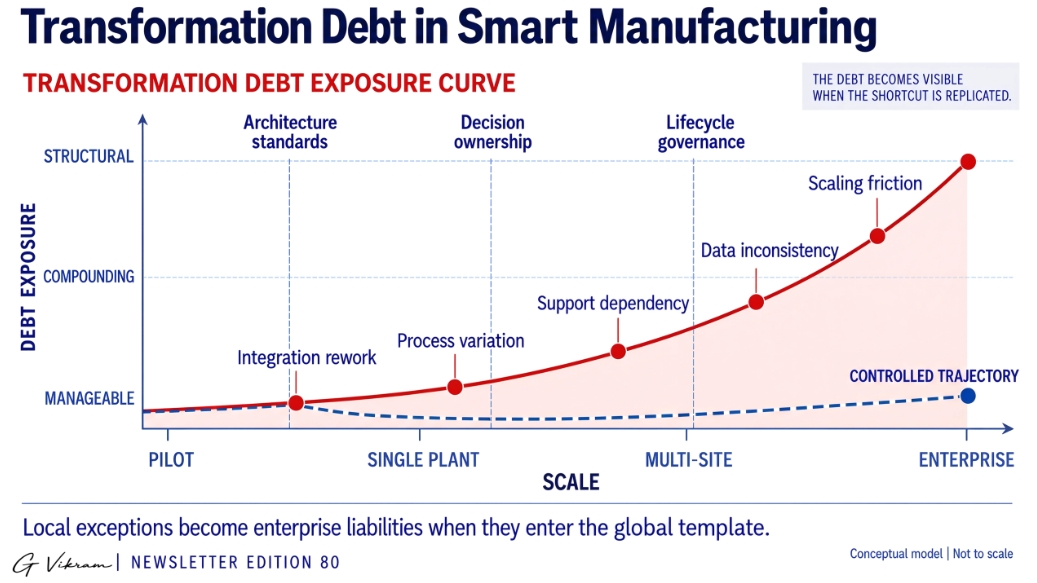 The most dangerous debt in a smart factory isn’t financial.