

Are you leading a team that feels stuck; despite having all the right talent?
You’ve hired skilled professionals, invested in training, and set ambitious goals. Yet, something isn’t clicking.
Miscommunication, disengagement, or a lack of innovation might be holding your team back.
Maybe you’ve noticed unspoken tensions or cultural blind spots that create barriers to true collaboration.
You’re committed to building a high-performing team, but the path forward feels unclear.
What if your team could thrive in a culture of inclusion, trust, and effective collaboration?
Higher engagement, better performance, and a culture that attracts and retains top talent.
That’s where I come in.
As a certified inclusion strategist, CQ (Cultural Intelligence) facilitator, and workshop designer, I specialise in supporting leaders like you to dismantle the barriers that prevent teams from reaching their full potential.
I understand the challenges leaders face when trying to foster inclusion and high performance in today’s complex workplace.
That’s why I’ve developed proven frameworks and strategies to help you create a team culture where diversity is celebrated, inclusion is intentional, and performance soars.
Through workshops, coaching, and strategies, I help leaders remove obstacles that hinder collaboration and innovation.
From tackling barriers to improving communication and boosting psychological safety, I offer tools and insights to help you lead with confidence and clarity.
Here’s how we can work together:
*Workshops & Training: Equip your team with the skills and mindset to boost cultural intelligence and effective collaboration.
*Leadership Coaching: Gain personalised guidance to navigate complex team dynamics and lead with cultural intelligence.
*Strategic Consulting: Develop and implement actionable strategies to create a culture of inclusion and high performance.
Ready to level up with your team?
Let’s connect. Schedule a call today to explore how we can work together: bit.ly/LevelUpYRTeam.
Available For: Advising, Authoring, Consulting, Influencing, Speaking
Travels From: Amsterdam
Speaking Topics: Leading Global Teams Without CQ is a Setup for Failure, Boost Effective Collaboration with Inclusive Leadership, Rising above Unconscious Bias
| Vivian Acquah CDE® | Points |
|---|---|
| Academic | 0 |
| Author | 580 |
| Influencer | 185 |
| Speaker | 0 |
| Entrepreneur | 20 |
| Analyst | 0 |
| Total | 785 |
Points based upon Thinkers360 patent-pending algorithm.

 Why Connection Drives Better Team Collaboration
Tags: Culture, Future of Work, Leadership
 A Five-Course Menu for Inclusion: Lessons from the EU European Diversity Month event
Tags: Diversity and Inclusion, Future of Work, Leadership
 Feeling Drained After Meetings? You Might Have a "Meeting Hangover"
Tags: Culture, Future of Work, Leadership
 Building a Competitive Advantage Through Daring Leadership
Tags: Future of Work, Leadership, Management
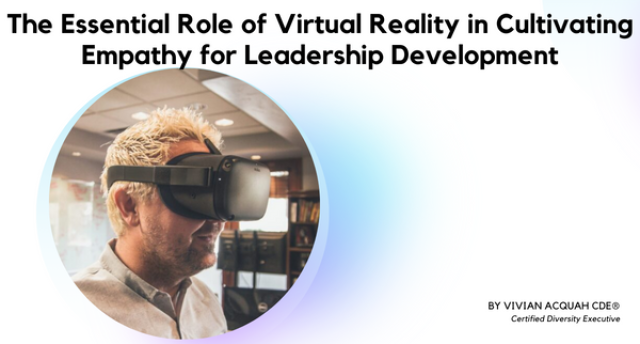 The Essential Role of Virtual Reality in Cultivating Empathy for Leadership Development
Tags: Diversity and Inclusion, HR, Leadership
 The Pitfalls of a Chief Diversity Officer
Tags: Culture, Diversity and Inclusion, Leadership
 Exploring Empathy through the Power of Virtual Reality
Tags: Culture, Diversity and Inclusion, Leadership
 The Role of Male Allies: A Conversation on Inclusive Leadership and Cultural Intelligence
Tags: Change Management, Diversity and Inclusion, Leadership
 Because He Had a Dream, I Have a Dream
Tags: Culture, Diversity and Inclusion, Leadership
 Powerful Employee Resource Groups (ERGs): Driving Organizational Success
Tags: Change Management, Diversity and Inclusion, Leadership
 Stripe’s Best Practices for Employee Layoff: A Blueprint for Psychological Safety
Tags: Change Management, Diversity and Inclusion, Leadership
 Amplifying People Planet Profit Now!
Tags: Change Management, Diversity and Inclusion, Leadership
 Best DEI Coaching: Supporting Leaders in Activating Their DEI Muscle
Tags: Change Management, Diversity and Inclusion, Leadership
 Boosting Female Leadership
Tags: Change Management, Diversity and Inclusion, Leadership
 How to Break the Bias
Tags: Change Management, Diversity and Inclusion, Leadership
Tags: Change Management, Diversity and Inclusion, Leadership
 Empowering Black Women During Black History Month
Tags: Change Management, Diversity and Inclusion, Leadership
 My Corporate Hot Sauce: What I Bring to Every Team Session
Tags: Culture, Diversity and Inclusion, Leadership
 When Smart Glasses Remove Your Consent
Tags: Culture, Diversity and Inclusion, Leadership
 What Dolly Parton Teaches Us About Leadership
Tags: Culture, Diversity and Inclusion, Leadership
 Whose Voice Shapes the Way You Lead?
Tags: Culture, Diversity and Inclusion, Leadership
 Reality Check: Is Your Company Culture as Damaging as ANTM?
Tags: Culture, Diversity and Inclusion, Leadership
 Leadership Lessons from Bad Bunny's Super Bowl Show
Tags: Culture, Diversity and Inclusion, Leadership
 Cultural Intelligence: The Leadership Advantage in Tech Times
Tags: Culture, Diversity and Inclusion, Leadership
 The Real Storm: Is Your Leadership Failing the Weather Test?
Tags: Culture, Diversity and Inclusion, Leadership
 Don't Waste It: Why Your Unused Training Budget Is a Red Flag
Tags: Culture, Diversity and Inclusion, Leadership
 Facilitating Breakthroughs: How Collaboration Fuels Inclusive Hiring Recipes
Tags: Culture, Diversity and Inclusion, Leadership
 The Civility Paradox: Balancing Directness in AI and Human Interactions
Tags: AI, Diversity and Inclusion, Leadership
 Dear Netflix
Tags: Culture, Diversity and Inclusion, Leadership
 Maximise Team Performance While Mitigating Organisational Risks
Tags: Culture, Diversity and Inclusion, Leadership
 Why Dolly Parton's "9 to 5" Still Calls for Action Today
Tags: Culture, Diversity and Inclusion, Leadership
 Deactivating DEI Initiatives Is a Business Risk – Here’s Why
Tags: Culture, Diversity and Inclusion, Leadership
 Cultural Values or Coded Bias? The Dangerous Message Behind Recent Dutch Politics Motion
Tags: Culture, Diversity and Inclusion, Leadership
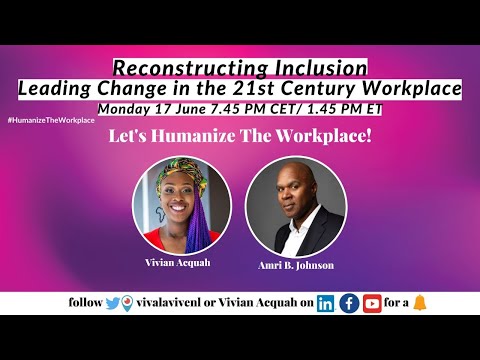
 Reconstructing Inclusion: Leading Change in the 21st Century Workplace
Tags: Culture, Diversity and Inclusion, Leadership
 My Heart Plea for Empathy and Inclusion in the Netherlands
Tags: Culture, Diversity and Inclusion, Leadership
 Unlocking Team Potential: Insights from "Team: Getting Things Done with Others"
Tags: Culture, Diversity and Inclusion, Leadership
 7 Reasons Why Mastering Courageous Conversations in the Workplace is Essential
Tags: Culture, Diversity and Inclusion, Leadership
 Activating Courageous Conversations to Maximize Business Impact
Tags: Culture, Diversity and Inclusion, Leadership
 The Omek Experience: A Journey of Community and Connection
Tags: Culture, Diversity and Inclusion, Leadership
 Martin Bosma at Keti Koti: A Step Too Far
Tags: Culture, Digital Transformation, Leadership
 The Future of HR Tech Exploring Strategies for a Humanized Workplace
Tags: Culture, Diversity and Inclusion, Leadership
 Leveraging Virtual Reality to Mitigate Risks in the Workplace
Tags: Culture, Diversity and Inclusion, Leadership
 Cultivate Skills Through Podcasting
Tags: Culture, Diversity and Inclusion, Leadership
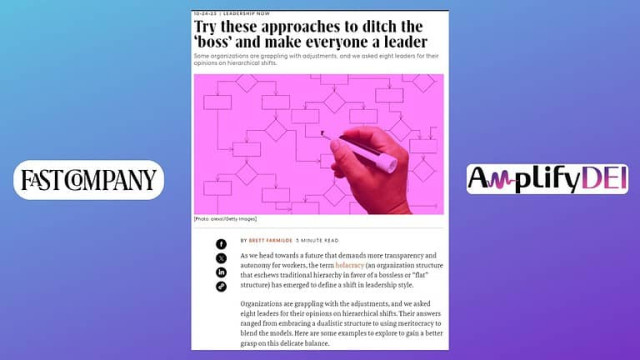 Set Up Inclusive Structures
Tags: Culture, Diversity and Inclusion, Leadership
 Certified Diversity Executive /DEI Coach/Trainer/ Consultant (CDE), Founder
Tags: Culture, Diversity and Inclusion, HR
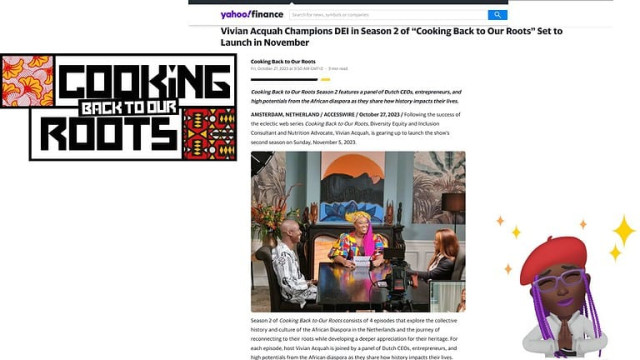 Vivian Acquah Champions DEI in Season 2 of “Cooking Back to Our Roots” Set to Launch in November
Tags: Culture, Diversity and Inclusion, Leadership
 Implement Active Listening Circles
Tags: Culture, Diversity and Inclusion, Leadership
 How To Utilize Employees To Improve Your Employer Brand
Tags: Culture, Diversity and Inclusion, Leadership
 ow Can You Add Empathy to Your Recruitment Strategy?
Tags: Culture, Diversity and Inclusion, Leadership
 6 Crucial steps to create and activate your DEI roadmap
Tags: Culture, Diversity and Inclusion, Leadership
Tags: Change Management, Diversity and Inclusion
Tags: Change Management, Diversity and Inclusion
Tags: Change Management, Diversity and Inclusion

Tags: Change Management, Diversity and Inclusion
Tags: Culture, Diversity and Inclusion, Leadership
Tags: Culture, Diversity and Inclusion, Leadership
Tags: Culture, Diversity and Inclusion, Leadership
Tags: Culture, Diversity and Inclusion, Leadership
Tags: Change Management, Diversity and Inclusion

Tags: Change Management, Diversity and Inclusion
Tags: Change Management, Diversity and Inclusion
Tags: Change Management, Diversity and Inclusion, Leadership
Tags: Culture, Diversity and Inclusion, Leadership

Tags: Change Management, Diversity and Inclusion

Tags: Change Management, Diversity and Inclusion, Leadership
Tags: Culture, Diversity and Inclusion, Leadership
Tags: Culture, Diversity and Inclusion, Leadership
Tags: Change Management, Diversity and Inclusion
Tags: Change Management, Diversity and Inclusion

Tags: Change Management, Diversity and Inclusion
Tags: Culture, Diversity and Inclusion, Leadership
Tags: Culture, Diversity and Inclusion, Leadership

Tags: Change Management, Diversity and Inclusion
Tags: Culture, Diversity and Inclusion, Leadership
Tags: Culture, Diversity and Inclusion, Leadership
Tags: Culture, Diversity and Inclusion, Leadership
 Reorgs Do Not Fail on Paper. They Fail in People.
Sometimes a reorganisation cannot be prevented. Budgets shift. Markets change. Leaders make hard calls. I understand that pressure. But after watching what happens to the people left behind, I want to share a clear opinion.
Most reorgs do not fail because of the new structure. They fail because leaders skip the human part.
By the end of this article, you will know what gets missed after a reorg and how to do better for the team members who stay. The fixes are practical. You can start using them this week.
A new org chart looks tidy.
Boxes move.
Reporting lines change.
On paper, it all makes sense.
But teams are not boxes. They are people. People who need to understand what is happening and why. When you miss that part, even a smart plan falls apart.
I have seen strong structures collapse because nobody spoke to the people inside them. And I have seen messy structures work because leaders took the time to bring their teams along. The difference is rarely the design. It is the human work that comes after.
Last year, I watched this play out.
A leadership team announced a new way of working on a Friday. They sent one email, then moved on. No conversation. No follow-up. Just silence.
By Monday, people had filled that silence with their own stories.
And here is the part many leaders miss. Silence does not stay neutral. It creates space for unconscious bias to take over. When people lack facts, their brains reach for the quickest story, and that story is shaped by fear and old assumptions.
"They are cutting roles next."
"My manager did not want me."
None of it was true. But it spread fast. Within weeks, trust dropped across the team.
The key point: when you do not explain a change, people explain it for you. Their version is usually worse than the truth, and it lands hardest on those who already feel less certain of their place.
The problem is rarely the plan. It is what happens next. Three things get missed again and again.
People know their old targets. After a reorg, those targets often change, but no one says so.
So teams keep chasing goals that no longer matter. Or they freeze, unsure what matters now. Either way, effort gets wasted, and frustration grows.
Leaders assume the reason is obvious. It is not.
If you do not explain the "why" in plain words, people guess. And guesses breed fear. The gap between what you know and what your team knows is where distrust grows.
A reorg shakes people. Some feel overlooked. Some feel judged. Some quietly wonder if they were the ones nobody fought to keep.
If you do not address this, people hold back. They stop sharing ideas. They stop flagging problems. Collaboration slows and quietly gets worse.
Mini takeaway: skip this work, and you pay for it later. Broken connection. Slower delivery. A team that looks fine on the surface but no longer pulls together.
I know your position as a leader is hard. You did not choose every part of this change. You have your own targets, your own worries, and often very little time.
But you can still do better for the team members who remain. Here is how.
One email is not communication. Hold a meeting. Talk to people face to face where you can.
Give them room to ask questions and say what they think. When people speak openly, there is less space for private fears to grow.
Drop the jargon. Say what changed, why it changed, and what it means for each person.
Be honest about what you know and what you do not know yet. "I don't have that answer, but I will find out" builds more trust than a vague promise.
Do not ask just to look caring. Ask, listen, and follow through.
When people see you act on their words, trust starts to return. Small actions, done quickly, matter more than big promises made slowly.
Make sure every person knows what the team is aiming for now. Line up individual work with the new direction so no one is left guessing.
This also protects fairness. When goals are clear, opportunity does not quietly flow only to the people leaders already know best.
People need to feel safe speaking up, admitting mistakes, and disagreeing.
Show them it is safe by how you respond. Reward honesty. Never punish the person who raises a hard truth. Watch closely for anyone who has gone quiet, and check in directly.
The structure is the easy bit. You can draw a new chart in an afternoon. Rebuilding trust takes longer, and it takes real effort.
But it pays off. When your team feels understood and safe, they recover faster. They work together better. They grow stronger through the change instead of being weakened by it.
That is the difference between a reorg that fails and one that works. Not the boxes. The people inside them.
If your team is still finding its feet after a reorg, you do not have to fix it alone. Take these three steps this week: open one honest conversation, explain the "why" in plain words, and ask each person what they need.
Then keep going. Reach out, and let's work through it together and rebuild the trust your team needs to move forward.
Tags: Change Management, Culture, Leadership
 Why the EU Pay Transparency Should Be a Global Standard
Picture two job adverts for the same role. One says “competitive salary.” The other shows a clear pay range, the benefits, the parental leave, the flexible hours, and how the team supports people with disabilities. Which one would you trust when it comes to your ambition?
The rules are changing fast. In the UK, new plans to rewrite anti-discrimination laws will make employers share salary information in job adverts or in writing before an interview. Across the EU, the Pay Transparency Directive is now taking effect. Together, they push companies to be open about pay and to close the gap between women and men.
This is a strong start. But for leaders building fast-growing teams, the real win is to go further than the law asks. In this article, you'll learn what the new EU rules mean, why transparency should cover far more than pay, and how to lead with equity without slowing down your hiring.
The EU rules do more than nudge. They set clear duties and give real teeth to equal pay. Here's what employers now need to do:
The rules also improve access to justice. Workers who face gender pay discrimination can claim compensation. If an employer breaks its transparency duties, the burden of proof shifts to them: they must show there was no discrimination. EU countries should set penalties for breaking equal pay rules. And equality bodies or worker representatives can support people through legal or administrative claims.
This is the point many leaders miss. Transparency is no longer a nice gesture. It is a duty with consequences.
Right now, too many people are dropped into an arena. They must guess the salary. They must decode the culture. Furthermore, they must work out, alone, whether they will truly belong. And often they are pushed to name a number first, which invites lowballing and locks in old pay gaps.
That is not a fair contest. It rewards whoever games the system best, not who does the best work.
And it hurts some people more than others. The UK Cabinet Office said it plainly: when pay is hidden, salary decisions “can be influenced by stereotypes, such as stereotypes of women, people with a culturally diverse background, or people with disabilities.” Silence is not neutral. It quietly protects bias.
For startup leaders, this matters even more. You compete against bigger budgets and bigger brands. Clarity is one advantage you can offer that costs nothing and shows real confidence.
Sharing a range is progress. But it is easy to do badly. The CIPD has warned that some employers post ranges wider than £10,000. A range that vague tells a candidate almost nothing. It is opacity with extra steps.
And pay is only one part of the choice. People weigh up the whole experience. How will they be paid? How will they be supported? Will they be respected for who they are?
If you want transparency to build trust, show the full picture. Here is what that looks like in practice:
None of this needs a huge HR department. It requires honesty about what you already offer and the courage to write it down.
Many conditions never show up in an interview room. Chronic illness, ADHD, autism, anxiety, and dyslexia all shape how people work. Yet they often stay hidden, because saying them out loud feels risky.
When your advert says nothing about support, a candidate has to gamble. Do they ask and risk being judged? Or stay quiet and struggle later? That is an unfair choice to hand someone before they have even joined.
So state your commitment openly. One line can do a lot: “We offer reasonable adjustments and welcome a conversation about how we can support you.” It tells people they can bring their full selves to work. And that is where real performance begins.
Quick takeaway: Naming support for invisible disabilities turns a private worry into an open, workable chat. It also widens your talent pool.
It is tempting to treat these rules as admin. That is the wrong frame. Done well, transparency drives the outcomes you care about most: retention, faster hiring, and a stronger employer brand.
Think about the practical wins:
For founders scaling between Seed and Series B, this is culture and unit economics at once. Fair, open hiring is one of the most cost-effective retention tools you have.
Imagine a Series A startup rewriting an engineering advert. They swap “competitive salary” for a £5,000 pay range. They list equity and remote options. Furthermore, they add a line about adjustments for applicants with disabilities.
The result many teams report: fewer applications, but far stronger ones. Interviews focus on the work, not on salary fencing. Candidates arrive already excited about the culture because they could see it before they applied. That is less waste and better hires from one honest rewrite.
The UK and EU are setting a direction the rest of the world will follow. It happened with GDPR, which reshaped data privacy far beyond Europe. Pay transparency will do the same.
Talent is global now. Remote work is normal. Candidates compare employers across countries with a few clicks. If you are transparent in Berlin but vague in Bangalore, you lose trust everywhere. One high standard is simpler to run and fairer for everyone.
Leaders who adopt this now will not scramble to comply later. They will already have the culture, the templates, and the reputation. When the law arrives, it will simply confirm what they have been doing all along.
You do not need a full policy overhaul to begin. Take your next open role and apply this:
The new pay transparency laws in the UK and Europe are the floor, not the ceiling. The EU rules give workers real rights: clear pay upfront, no more questions about pay history, honest reporting on the gender gap, and a fair route to justice when things go wrong. The real chance is to go further and be honest about everything that matters: pay, benefits, flexibility, parenthood, and disability inclusion, both visible and invisible.
Stop asking candidates to compete blindfolded in a corporate Hunger Games. Show them who you are, and let the right people choose you with confidence. That is how you build a team aligned from the first click and a culture that scales.
Start with your next job advert. Rewrite it in the open, and let your values do the recruiting.
Tags: Diversity and Inclusion, Leadership, Recruiting
 How to Go From Culture Clash to Culture Match
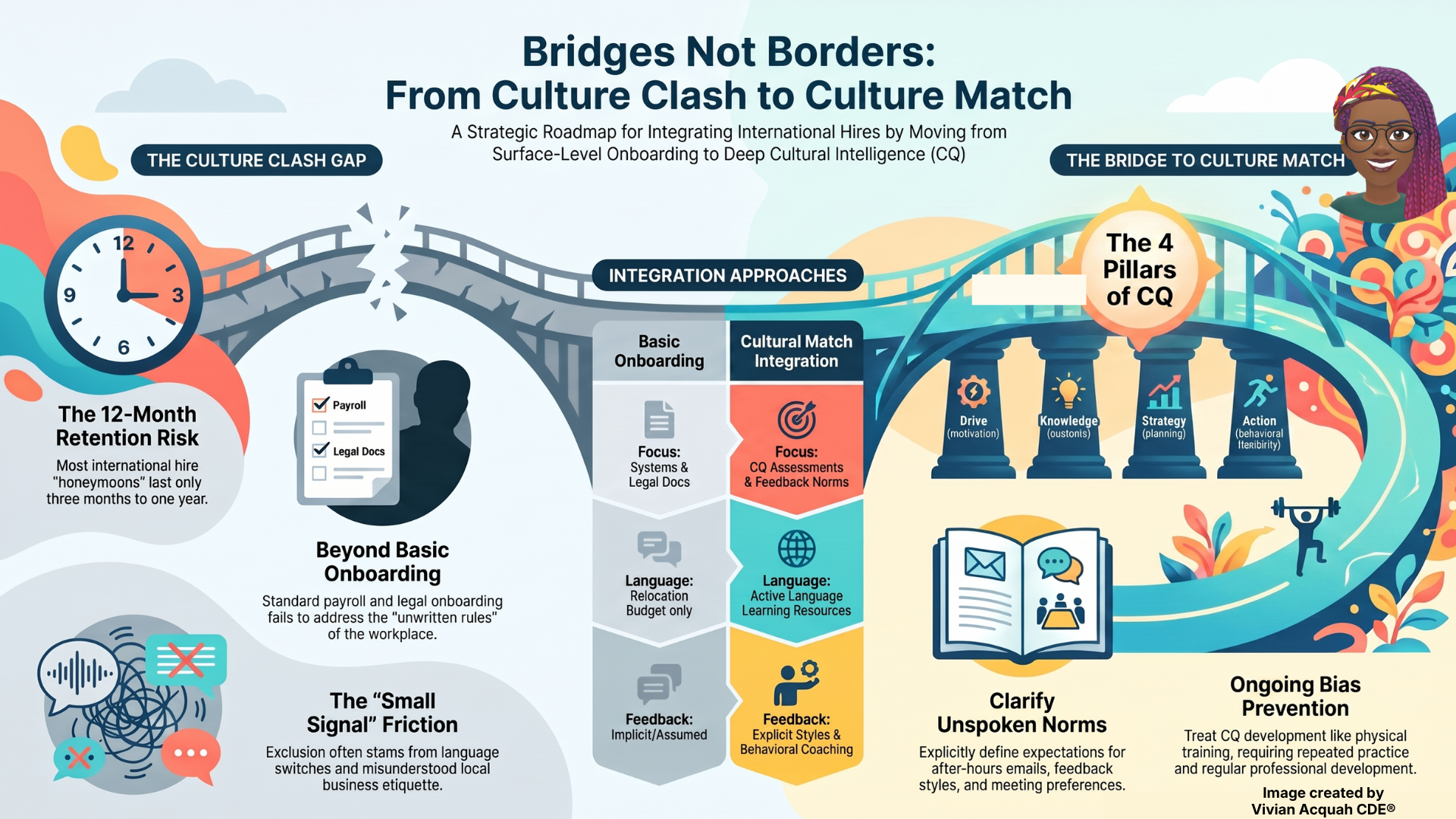
Hiring internationally is a common practice, but many companies struggle to retain global talent. People often leave before their potential is reached. This is costly and leads to teams breaking up. To meet this challenge requires a look beyond simply finding the right skills. It's about getting ready to support international colleagues as they adjust, relate and thrive at work. It is important to understand culture and practical support.
For many European companies, local skilled workers are in short supply. They bring in people from abroad. This opens new perspectives, but also new challenges. There are costs in recruitment, relocation and onboarding. If a new hire leaves within the first year, these resources are wasted. Job “honeymoons” and the excitement of a new job typically only last three months to one year. The problem with early departures of an employee is often a mismatch of expectations, lack of proper integration or cultural challenges.
To keep new talent and avoid the expense of a revolving door, recruiters and managers need to build stronger bridges between new hires and the company.
Workplace culture issues are often found in everyday stories. Ted Lasso and Emily in Paris are two popular TV series.
Ted Lasso is an American football coach who has been asked to coach a top UK soccer team. He knows next to nothing about the sport or the rich traditions in British football. He’s getting pushback. The local team challenges his authority. The media and the public are sceptical. Ted’s language and approach at work do not resonate with his UK colleagues. Trust is built slowly.
The scenario highlights common workplace problems: misreading local business etiquette, missing subtle signals that shape relationships and not appreciating the differences in media coverage from country to country. If Ted had been given an onboarding guide on UK culture and the unwritten rules of football, he’d be in a better starting place.
Emily in Paris is about an American marketing executive who gets tossed into the Paris scene. She is instantly plunged into culture shock. French is used at work. Longer lunches or direct feedback are not part of the daily routine. Emily is left out of important informal discussions due to her lack of French language skills. She misses nuances, she feels left out. Her American style is judged as loud or brash by local colleagues. Still, her different way of thinking brings fresh ideas to the team.
Both scenario's show what can go wrong without preparation, what it is like to stand out and also the growth possible when different backgrounds meet.
Most employers provide basic onboarding on payroll, systems or legal documents. Few offer any sort of structured cultural onboarding. Often employees are allocated a small budget for relocation and then they have to figure out the rest themselves. There is no standard language training or guidance on common behavioural expectations;
This can create confusion for people, failure or exclusion. For example, small groups of coworkers may switch to their native language to conduct side conversations, leaving new employees out of the loop. This can happen even if the official language of the company is English. “Over time, these moments create separation instead of closeness.
If you are recruiting internationally, consider the following questions:
Cultural Intelligence or CQ helps team members to be successful and to adapt to multicultural settings. CQ’s four core competencies are:
People think they know how things work when they travel or go to a country. In fact, real CQ is developed through deeper, sustained engagement. To develop any real skill it takes a minimum of a year of active learning and practice.
You can create CQ in these ways:
Misunderstandings often result from implicit assumptions and different ways of communicating. Some leaders and team members expect immediate responses to emails they send after hours. Others consider private time sacred. The way feedback is given, whether gently or directly, formally or informally, can also vary widely.
Everyone knows what is expected and there is less confusion.
You may explain:
The search for a “culture match” risks being a code for turning your back on the different. Some interviewers like to hire people who are most like them. This results in missed opportunities and can stunt the growth of the team.
To counteract this, use a clear, ongoing approach:
Use the following checklist for practical purposes.
For leaders, teams and employers:
For global hires:
There are strengths and challenges inherent in global teams. Early preparation and honest communication helps retain talent and prevent early exits. Ongoing collaboration is grounded in a structured plan to improve cultural intelligence. Trust is built as employees have ongoing conversations about their feedback and work habits. Training regularly develops new skills over time. Companies that follow these steps have better retention and productivity.
Incorporating cultural onboarding and CQ development into your process on a regular basis sets your team up for greater success. Hold curiosity and respect at the center. Encourage open dialogue. This is how you make culture clashes into culture matches, through consistent action, not just good intentions.
Tags: Leadership, Culture, Diversity and Inclusion
 Built to Last: Leadership in Times of Change
Location: Offline or Virtual Fees: 5000-10000
Service Type: Service Offered
Location: Offline and Online Fees: TBD
Service Type: Service Offered
 Amplify Empathy Training
Location: The Netherlands Date : May 01, 2023 - May 01, 2023 Organizer: private
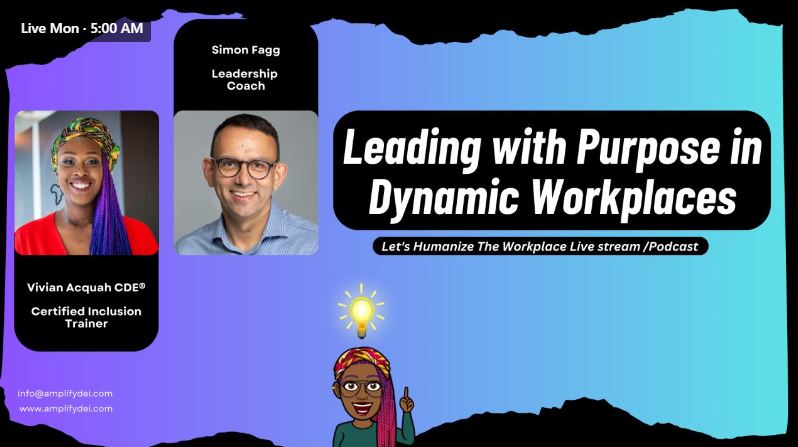 Leading with Purpose in Dynamic Workplaces
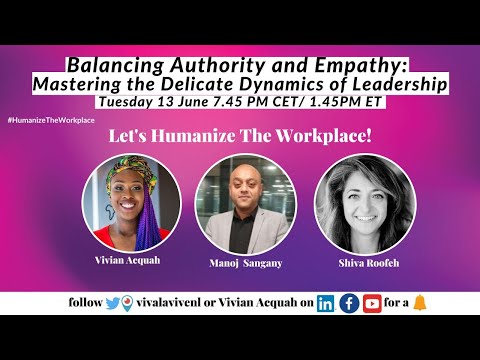
Location: linkedin Date : February 03, 2025 - January 03, 2025 Organizer: Let's Humanize The Workplace
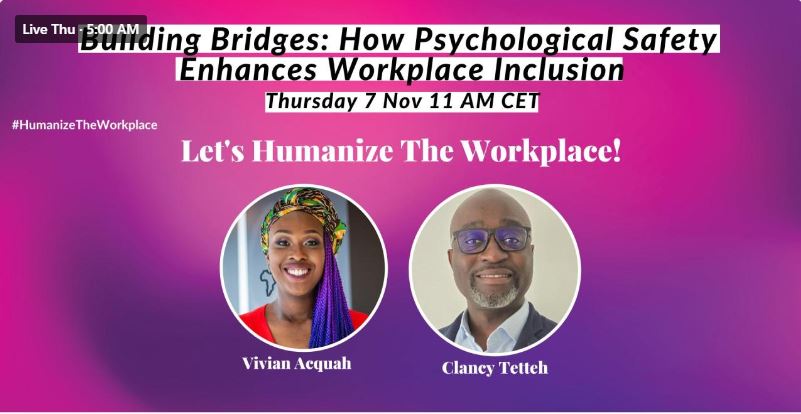 Building Bridges: How Psychological Safety Enhances Workplace Inclusion
Location: virtual Date : November 07, 2024 - November 07, 2024 Organizer: Vivian Acquah
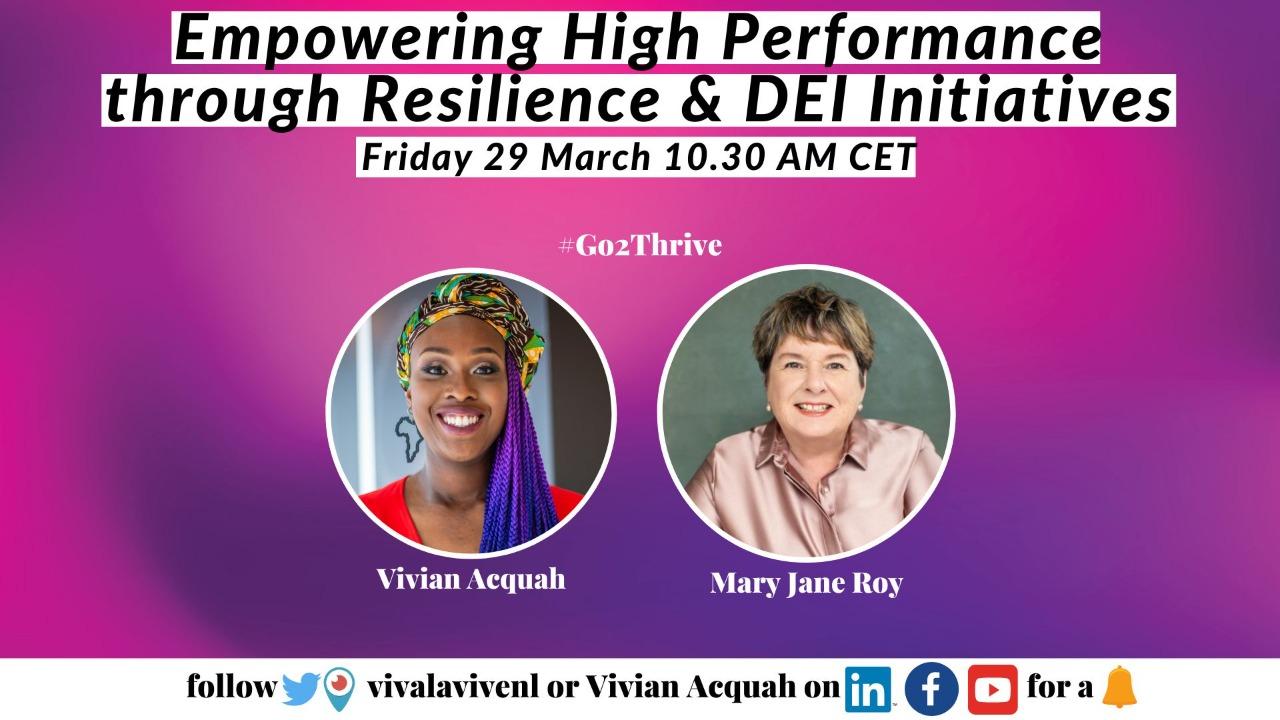 Empowering High Performance through Resilience and DEI Initiatives
Location: virtual Date : March 29, 2024 - March 29, 2024 Organizer: Vivian Acquah
 Racial Justice at Work Summit
Location: Online Date : April 23, 2024 - April 25, 2024 Organizer: The Winters Group
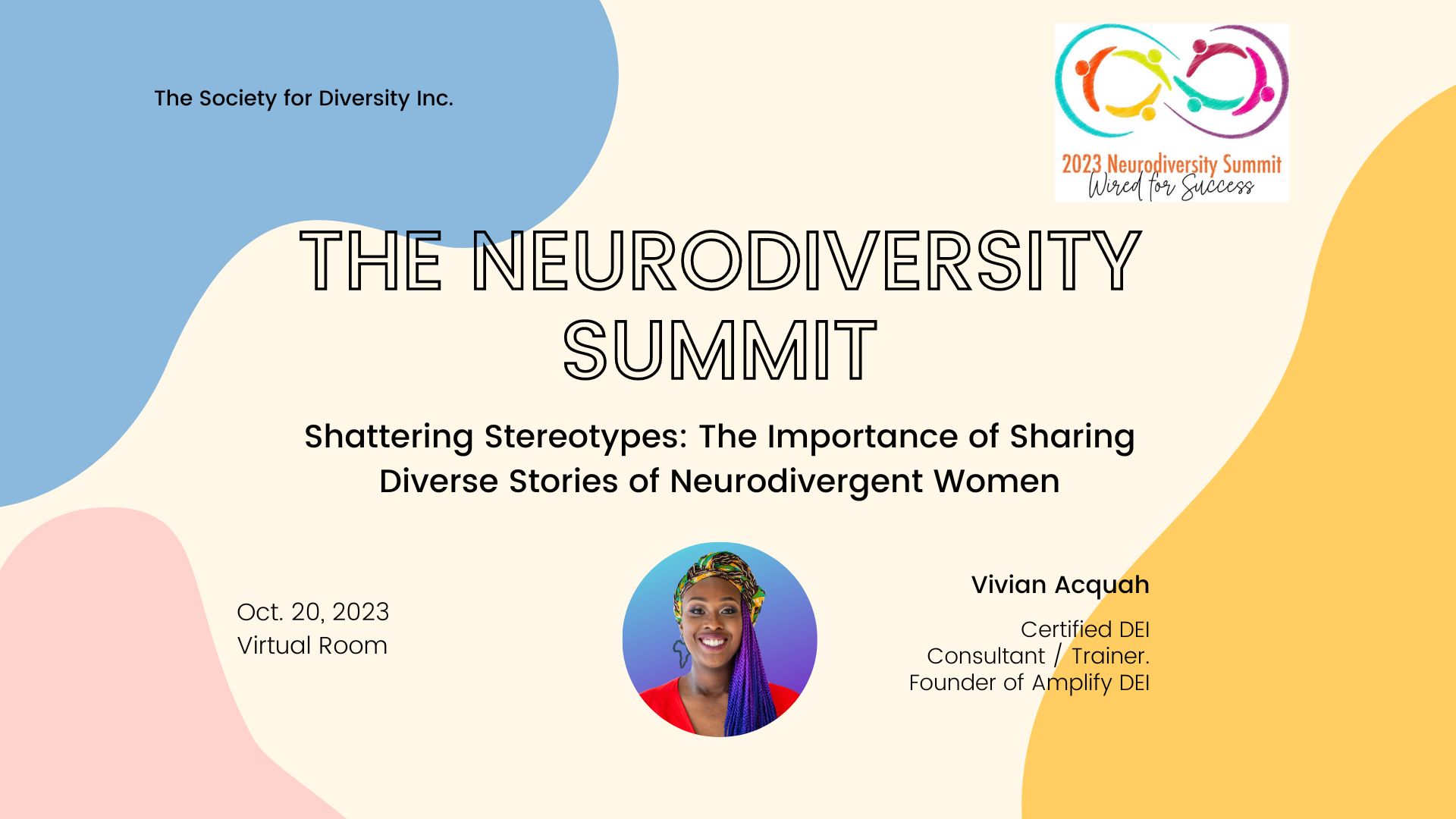 Shattering Stereotypes: The Importance of Sharing Diverse Stories of Neurodivergent Women
Location: Onlne Neurodiversity Summit 2023 Date : October 20, 2023 - October 20, 2023 Organizer: Society for Diversity
 My Corporate Hot Sauce: What I Bring to Every Team SessionWhen Smart Glasses Remove Your ConsentWhat Dolly Parton Teaches Us About LeadershipReorgs Do Not Fail on Paper. They Fail in People.Why the EU Pay Transparency Should Be a Global StandardHow to Go From Culture Clash to Culture Match