Apr12
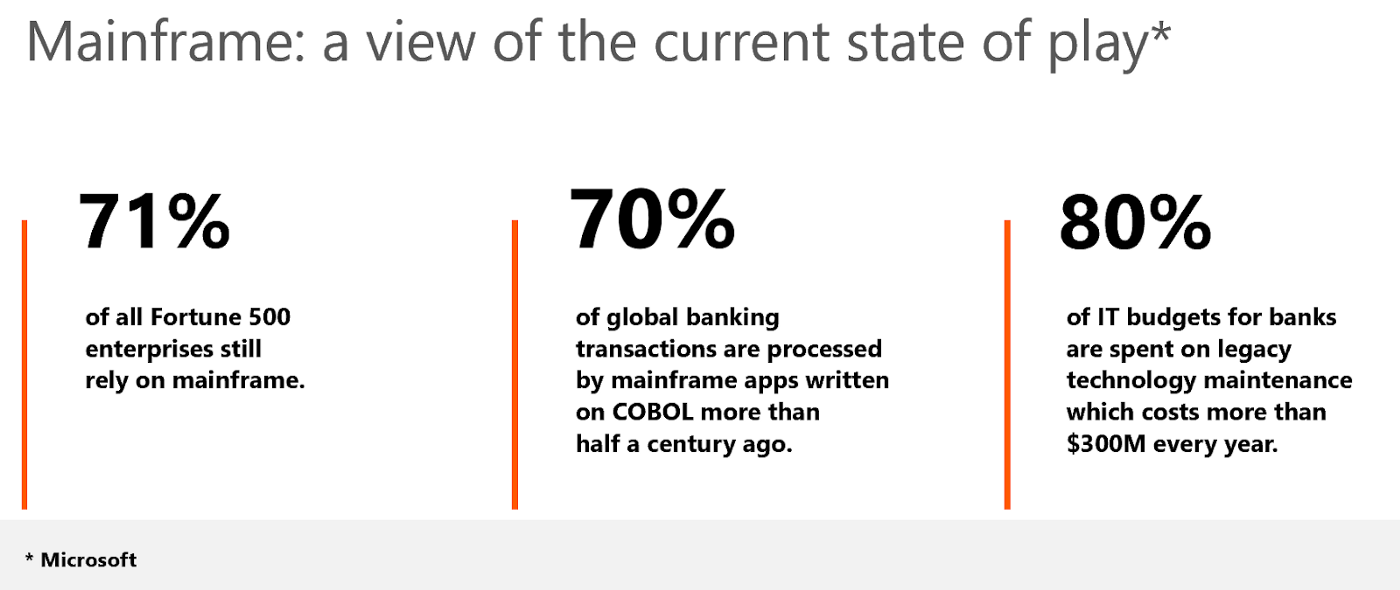
Despite the efficacy and benefits of Cloud-native development, the Mainframe remains a core and valuable enterprise technology for large enterprise customers (especially in finance, insurance, manufacturing, retail, and the public sector). Maybe because Mainframe offers resiliency, reliability, and trusted security. But it isn’t enough to sustain in today’s disruptive business environment.
Faster time to market, employee, and customer experience has become a business imperative, and the Mainframe systems are a significant barrier in achieving the same. The flexibility and versatility of Cloud DevOps are overshadowing the Mainframe’s ability to innovate in the current business environment. Cost considerations and changes in the workforce also impact Mainframe’s viability as a long-term technology solution.
Public Cloud platforms like Microsoft Azure offer Mainframe alternatives capable of delivering equivalent functionality and features, thus eliminating the problems and costs incurred from utilizing a legacy Mainframe system.
Read through this article to know more about the challenges and benefits of Mainframe Modernization to cloud and understand the correct Mainframe Modernization approach to kickstart your migration journey.
Mainframe Modernization entails the process of migrating or improving the IT operations to reduce IT spending efficiently.
In the realm of improving, we can define Mainframe Modernization as the process of enhancing legacy infrastructure by incorporating modern interfaces, code modernization, and performance modernization. In terms of migration, it is the process of shifting the enterprise’s code and functionality to a newer platform technology like cloud systems. The strategy employed to modernize Mainframe structures relies on factors like business/customer objectives, IT budgets, and costs of running new technology vs. costs incurred from not modernizing.
Mainframe disadvantages result in high costs that are increasingly difficult to justify. Common challenges that business faces with Mainframe Legacy systems are:
Due to the challenges mentioned above, most customers are stuck with Mainframes’ legacy, with Technology Debt increasing every year.
While mainframe modernization delivers significant benefits, it can have far-reaching consequences that affect your technology, workforce, customer experience, and other related activities.
Cloud can offer economies of scale and new functions that are not available through mainframe computing. The benefits of cloud technologies and the law of diminishing returns in the Mainframe are calling for an increased demand for migration strategies. By taking a thoughtful, phased approach to modernizing your mainframe environment, you can overcome common obstacles and enjoy some of the advantages of cloud computing without putting core functionality at risk.
The prerequisites in strategizing for Mainframe Modernization to Cloud or a co-existence journey should be based on a holistic and strategic view. According to a study published by Accenture, enterprises’ primary motivation to move to the cloud is the cost-efficiency benefit. Hence, to truly reap the benefits of cost-efficiency, businesses must consider the following steps laid down by the study to assess their mainframe-to-cloud cost business case:
It’s clear that organizations should at least take steps to modernize their mainframe environment to meet current market conditions and customer expectations. The question is, how to do it and what might be getting in the way? This approach should consist of a planned strategy wherein you analyze all your applications and chalk out a systemic application strategy.
This approach should be navigated using the 7R approach to ease your modernization process:
During the Modernization journey, pay additional attention to address the following aspects:
1.Begin with use cases that increase business value through improved agility and flexibility. Your efforts should gain credibility based on smaller, successful initiatives.
2.Perception of no need for near real-time business continuity and DR.
3.There is zero room for error. Any outage during migration could have devastating consequences in terms of disrupting mission-critical operations.
4.Perception of Mainframe is secure.
5.Resistance to change: In a recent survey, 56% of the respondents reported their organizations resisted legacy systems’ modernization. This stems from being very comfortable in their existing systems. Also, owing to specific mission-critical applications being much more difficult to modernize, they choose to leave them in their legacy systems because of their interdependencies and complexities.
6.Risk-averse nature of business stakeholders.
7.Going against the proven functionality and the “It works” effect of Mainframe- Mainframes have proven functionality. Businesses that use Mainframes are in a “comfort zone” owing to their “It works” attitude. This attitude of “They’ve always been there, and they’ve always worked” can essentially make businesses complacent.
8.Executive sponsor beyond IT and availability of funds.
The process for migration/modernization should entail these steps:
1.Avoid big-bang approach.
2.Perform detailed Analysis and Assessment.
3.Map the migration/modernization approach with the right partner with deep expertise on Mainframe systems, target Cloud platform, and healthy relationship with Mainframe modernization ecosystem partners like Raincode, ModernSystems, LzLabs, MicroFocus, BluAge, TMaxSoft, etc.
4.Identify the right use case to gain critical momentum and credibility by identifying use cases that improve agility and flexibility.
To summarize, there is no ‘one-size-fits-all’ strategy when it comes to Mainframe Modernization. Each business case is unique, and they must consider a well-thought and thorough approach to modernizing their legacy Mainframe systems.
While many large and well-tenured enterprises are still using Mainframe, it becomes essential to note that modernizing remains a business-critical strategic imperative in today’s technological environment. It helps them keep abreast with the ever-changing customer expectations and attain a more agile and straightforward architectural framework.
Public Cloud, as noted, is the way to modernize your legacy Mainframe environment as cloud computing offers 70% cost saving, agility, resilience to accelerate Digital Transformation. Yes, there is no magical ‘lift-and-shift’ approach or a silver bullet to modernize your Mainframe systems or applications. But it can be done by employing and leveraging a well-planned and researched cloud migration strategy.
I say the time to modernize is NOW and that the cloud benefits should warrant a re-think for companies that are still on the fence.
Keywords: Cloud, COVID19, Digital Twins
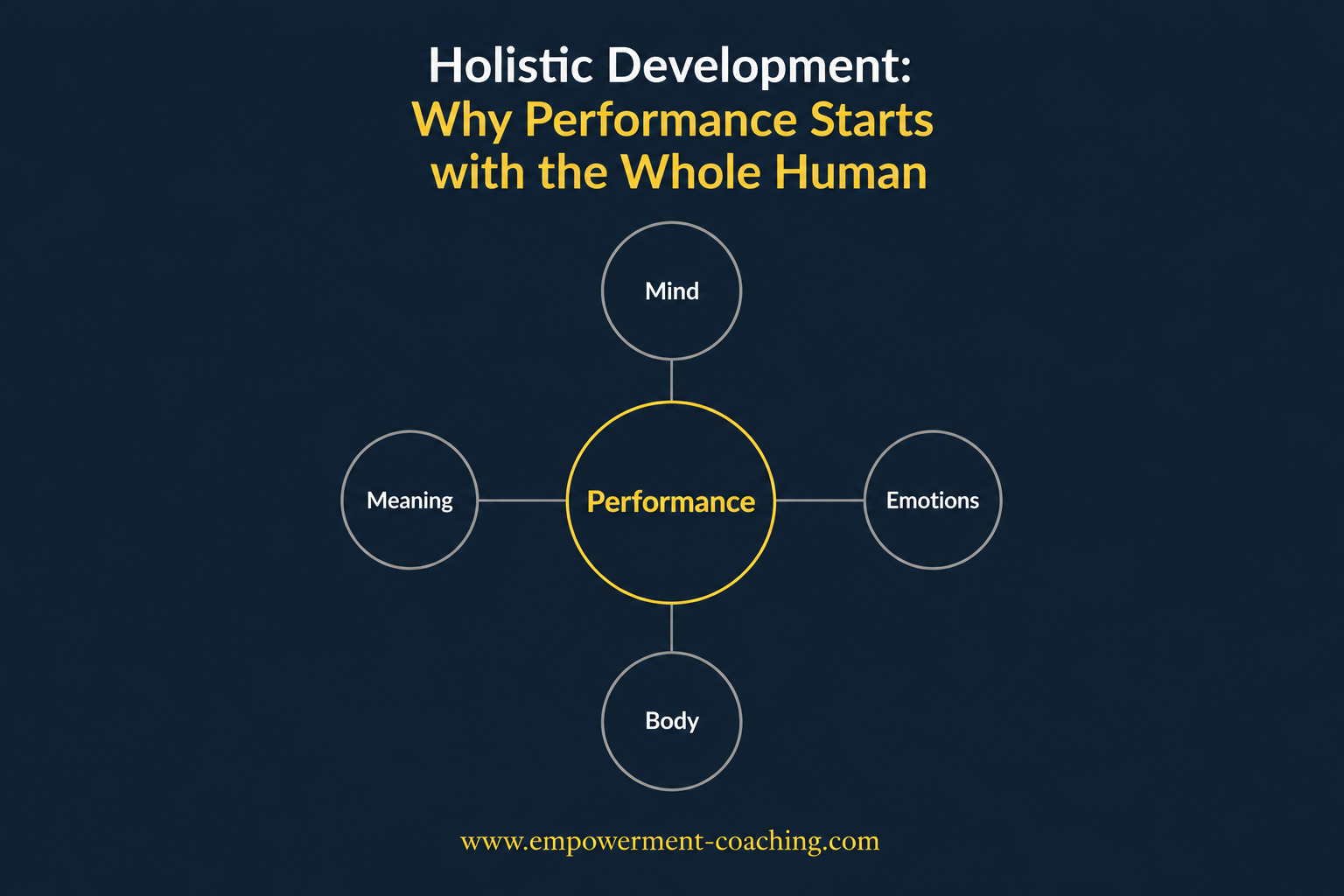 Holistic Development: Why Performance Starts with the Whole Human
 The Most Dangerous Leader in the Room May Be the One Everyone Depends On
 What is that Analytical AI?
 Friday’s Leadership Reflection Quote – Saeculum Leadership Leaders Intervene Before Options Narrow
 The Corix Partners Friday Reading List - October 23, 2026