Dec16

As we draw to the end of 2025, I find myself reflecting on what has been one of the most consequential years I have seen in supply chain planning. After more than three decades in this profession, I am still surprised by how often the fundamentals are tested by new technology, new language, and new expectations. Looking back, there are several things I genuinely wish I had known at the beginning of 2025 that I now know with clarity, experience, and a little humility.
I underestimated how quickly “AI-enabled planning” would move from an interesting experiment to an assumed capability. At the start of the year, many organisations were still talking about pilots, proofs of concept, and innovation labs. By the end of the year, the conversation had shifted decisively to value realisation, governance, and accountability. What we needed to appreciate sooner is that the technology itself was never going to be the hard part. The real challenge has been decision ownership. Algorithms can propose, simulate, and optimise at speed, but organisations still struggle to define who is accountable for the decisions taken, overridden, or ignored. Without clear ownership, AI simply accelerates confusion rather than improving outcomes.
I did not fully anticipate how exposed planning teams would feel as transparency increased. Advanced planning tools now surface bias, poor assumptions, and inconsistent behaviours far more clearly than legacy processes ever did. Forecast error is no longer something that can be hidden in spreadsheets or explained away months later. What I have learned is that this level of transparency requires a different kind of leadership. Planners need psychological safety as much as technical training. When people feel threatened by the insights, they will resist the system, no matter how sophisticated it is.
I wish I had recognised earlier just how misaligned incentives remain across many supply chains. In 2025, I have seen organisations invest heavily in integrated business planning, only to undermine it with functional targets that reward local optimisation. Sales teams are still incentivised to over-promise, operations to maximise utilisation, and finance to minimise working capital, often without a shared view of risk. Technology exposes these tensions, but it does not resolve them. What I now know is that incentive alignment is not a “nice to have”; it is foundational. Without it, planning maturity plateaus very quickly.
Some basic lessons have been the renewed importance of basic data discipline. For all the talk of AI and advanced analytics, many initiatives have stalled because of master data quality issues, inconsistent hierarchies, or unclear definitions. I will continue to push hard, earlier, on data ownership and stewardship. Clean data is not glamorous, but it is the quiet enabler of every successful planning transformation I have seen this year.
I have also learned that the role of the supply chain planner is changing faster than job descriptions suggest. The best planners I have worked with in 2025 are not just analysts; they are translators, orchestrators and influencers. They understand how to turn probabilistic outputs into clear recommendations that senior leaders can act on. I have spent more time this year helping teams develop these narratives and communication skills, rather than focusing predominantly on system capability.
Finally, I have been reminded that resilience is as much about mindset as it is about network design. Scenario planning, stress testing, and digital twins are powerful, but only if leaders are willing to engage with uncomfortable futures and make pre-emptive trade-offs. What I now know is that resilience is built in calm moments, not during disruption, and it requires deliberate habits and practices.
As I look ahead, there are some clear actions that follow from these lessons. Help clarify decision rights and accountability for AI-supported planning. Enable intentional investment in change leadership and psychological safety for planning teams. Assist customers, partners and collaborators to align incentives across functions to support end-to-end outcomes. Ensure all those I work with treat data governance as a strategic capability, not an IT task. Continue to train and develop planners as communicators and business partners, not just system users. And above all, make resilience a standing agenda item for all I work with, not a reactive response. If we act on these now, we will enter the next year better prepared than we were at the start of this one.
By David Food
Keywords: Supply Chain
 "The AI may in fact be conscious." Really?
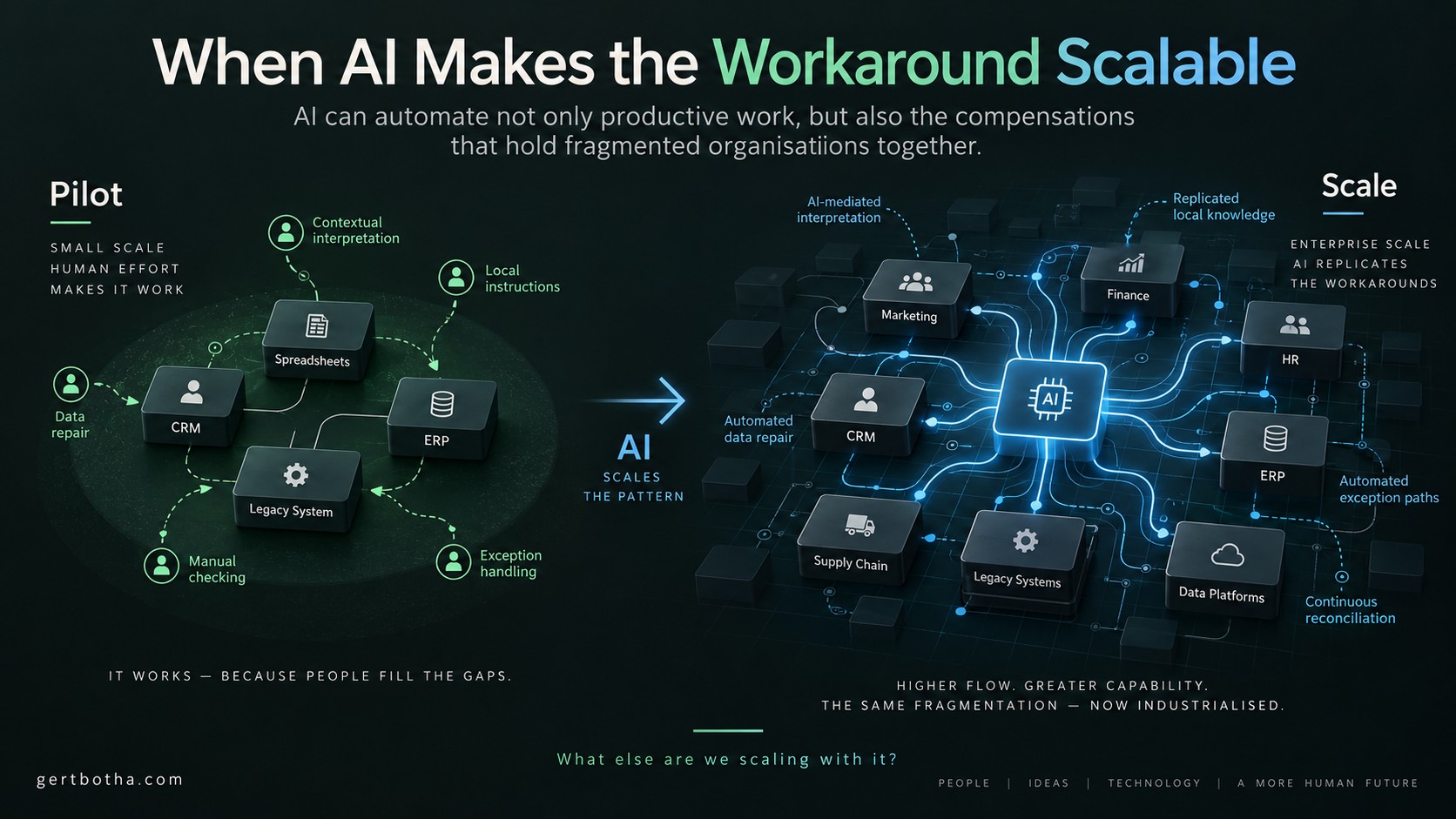 When AI Makes the Workaround Scalable
 The Age of Continuous Shocks: Why the coming downturn will be decided in your supply chain
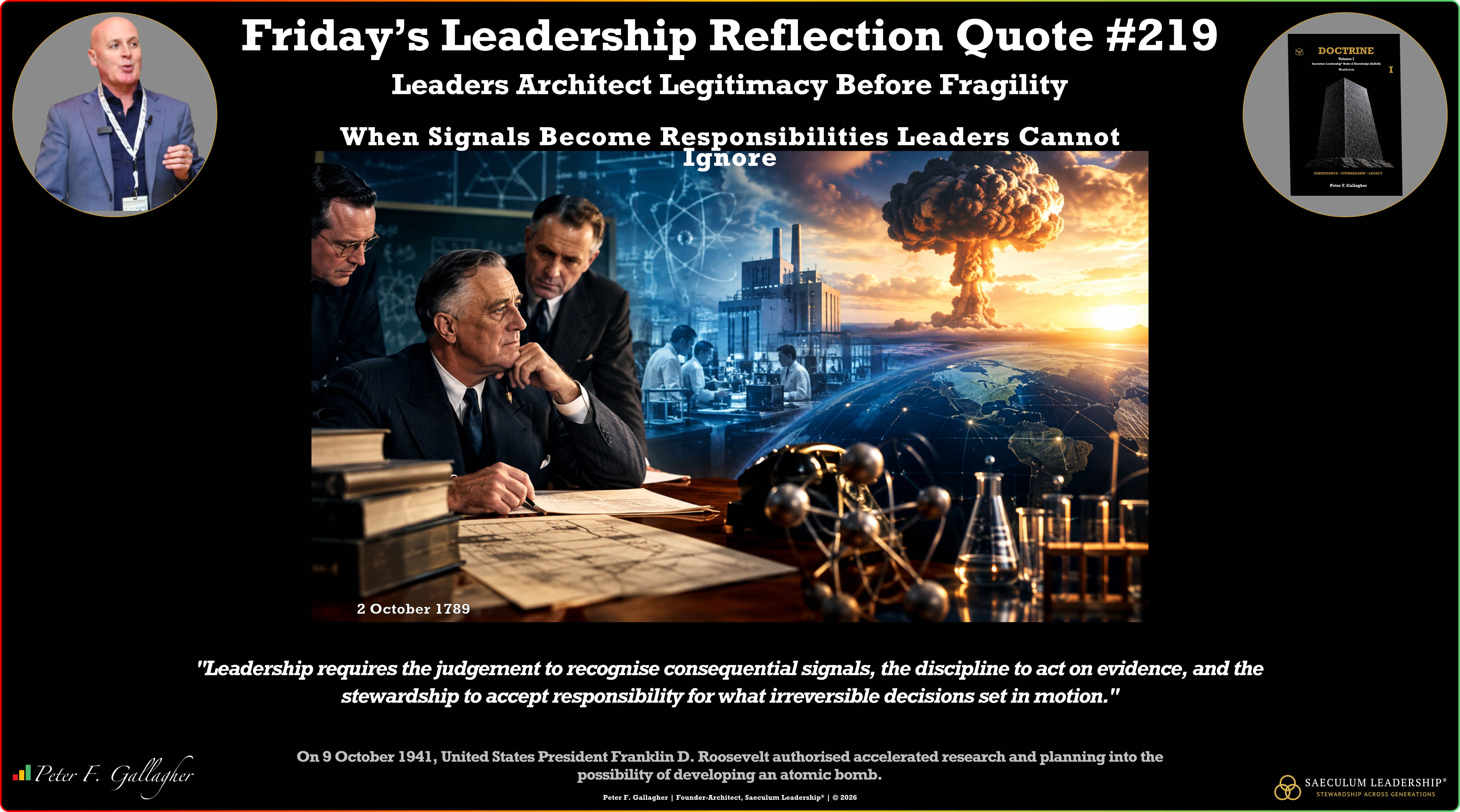 Friday’s Leader Reflection Quote – Saeculum Leadership Leaders Accept Decisions Create Responsibilities
 The Corix Partners Friday Reading List - October 9, 2026