Dec17
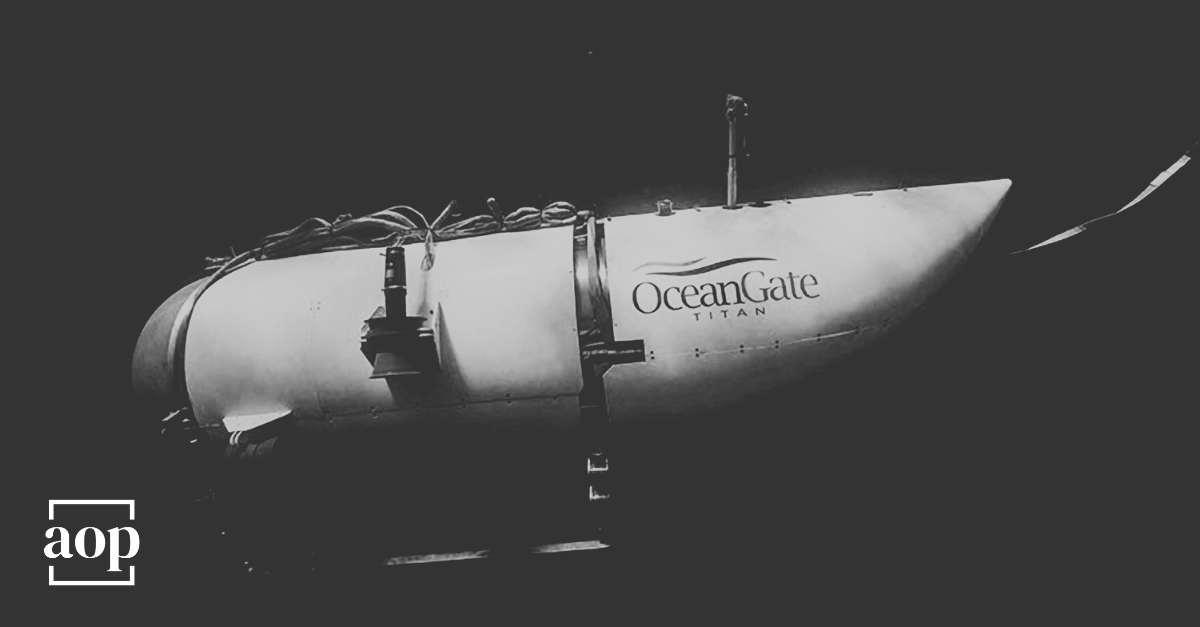
On June 18, 2023, the OceanGate TITAN imploded on the way to the Titanic wreck site, killing all five passengers, including OceanGate CEO Stockton Rush.
OceanGate never planned to design and construct their own submersible, but they found that no other company could build exactly what they needed. That left them with no other option but to create their own, and they started by buying and modifying existing craft.
The ANTIPODES, used from 2009-2013, was a purchased, steel hulled submersible that OceanGate quickly discovered was never going to be able to reach the Titanic.
The CYCLOPS 1, another purchased steel hulled craft formerly known as the LULA’500, was more expensive, but it still wasn’t fit for the company’s purpose.
The CYCLOPS 2, which would eventually become known as the TITAN, was the first submersible that OceanGate took the lead on. It had 2 hulls, and each hull had a different supply base. Both hulls failed in the end.
Hull 1 was used from 2018 to 2019 when it had to be retired from service because it cracked. OceanGate worked with Spencer Composites, to build the submersible’s carbon-composite cylinder. They were the only company in the world that had already made a carbon fiber hull for a manned submersible.
When that hull failed, OceanGate began working on a second hull for the TITAN and built a new supply network of less experienced suppliers to do so. Hull 2 was in service from 2021 until the end in 2023.
All innovation has to be counterbalanced with ethics - and, ideally, transparency.
Did OceanGate’s suppliers know that the manufacturing challenges they were struggling to overcome would ultimately lead to the fatal dive? In retrospect, OceanGate was clearly pushing past the warning signs, but did the suppliers do the same?
The mere mention of ‘governance’ often makes people roll their eyes in boredom, but in this case, due diligence might have saved lives. Sometimes the most important thing a supplier can do, the most valuable contribution they can make, is to slow things down. Even if they do so for the sake of self-preservation, others can benefit.
Many members of the OceanGate leadership team walked away once they could no longer stand by the company’s choices. They were drawn to the team by the opportunity to do something new and push boundaries - but within certain limits, such as reverence for safety.
Innovation is not just about who moves first. It is about who operates safely, sustainably, and with integrity.
OceanGate’s suppliers didn’t go down with the TITAN, but their work did. Five human beings were lost along with years’ worth of work and investment. The implosion of the submersible wasn’t just physical; it was a collapse of oversight, communication, and shared accountability.
No innovation is worth pursuing if the supply base can’t safely support it, or if decision makers have to look the other way in order to achieve their objectives.
Listen to the full episode of Art of Supply here: https://artofprocurement.com/blog/supply-oceangate-and-the-limits-of-supply-base-innovation
By Kelly Barner
Keywords: Procurement, Risk Management, Supply Chain
 You are not your diagnosis
 Is GenAI good for anything?
 “I didn’t write an award acceptance speech because I didn’t expect to win.”
 AI Is Exposing the Data Problems Humans Used to Hide
 "The AI may in fact be conscious." Really?