Apr02

10 Questions I Get the Most About Succession Planning (With Answers)
After years of advising privately held companies, I’ve noticed something interesting:
The questions don’t really change.
Different industries. Different sizes. Different personalities.
But the same concerns come up again and again.
If you’re wondering where to start—or whether you’re doing this “right”—you’re not alone.
Here are the 10 questions I get most often, and the answers leaders actually need.
1. Where do we even start?
Start with data—not diagrams.
Before you build anything, you need to understand:
Most companies skip this and jump straight to filling in roles and names on a chart. That generally leads to a lot of mis-starts.
Longer than you want (or thought it would).
Developing a true successor takes years—not months.
If your timeline is 12–18 months, you’re not building organizational capability and leadership readiness—you’re plugging leaks.
A reasonable time-horizon is 3 years, a better timeline is 5–10 years in order to build real depth across the organization.
That’s more common than you think.
But now you’ve identified the risk—which is progress.
From there, you have two options:
What you don’t want to do is set someone up to fail by pretending their ready when they’re not.
No.
HR can drive the process, organize the data, and keep things moving.
But succession planning is a leadership responsibility.
If the CEO and executive team don’t own it and champion it, it won’t stick.
Carefully.
High performance ≠ high potential.
Look for:
And most importantly—interest. Believe it or not, not everyone aspires to lead at the highest levels.
Sometimes you have to.
External hires can bring new capabilities—especially in areas like technology or scaling operations.
But they also introduce risk:
If you go external, be very clear about what you need in terms of skill and personality—and what you can’t afford to compromise.
CEO succession matters. But so do the roles that keep the business running day-to-day.
Ask yourself:
That’s where you start.
Have you been purposefully building their knowledge, skills and capabilities?
Readiness comes from exposure to:
If they haven’t had those experiences, they’re not ready yet.
Through experience—not just training.
Courses, coaching, and mentoring help. But they don’t replace real responsibility.
The fastest way to grow leaders is through:
Development happens in the work—not outside of it. quote card goes here
Treating succession planning like a one-time event.
It’s not something you “do” once and check off the list.
It’s a system.
The companies that do this well are constantly:
They don’t wait for a retirement or resignation to start paying attention.
One Final Thought
Succession planning isn’t about having all the answers.
It’s about asking better questions—and being honest about what you find.
Because the goal isn’t to create a perfect plan.
It’s to build a business that can keep moving forward… no matter who’s in the role.
Keywords: Entrepreneurship, HR, Leadership
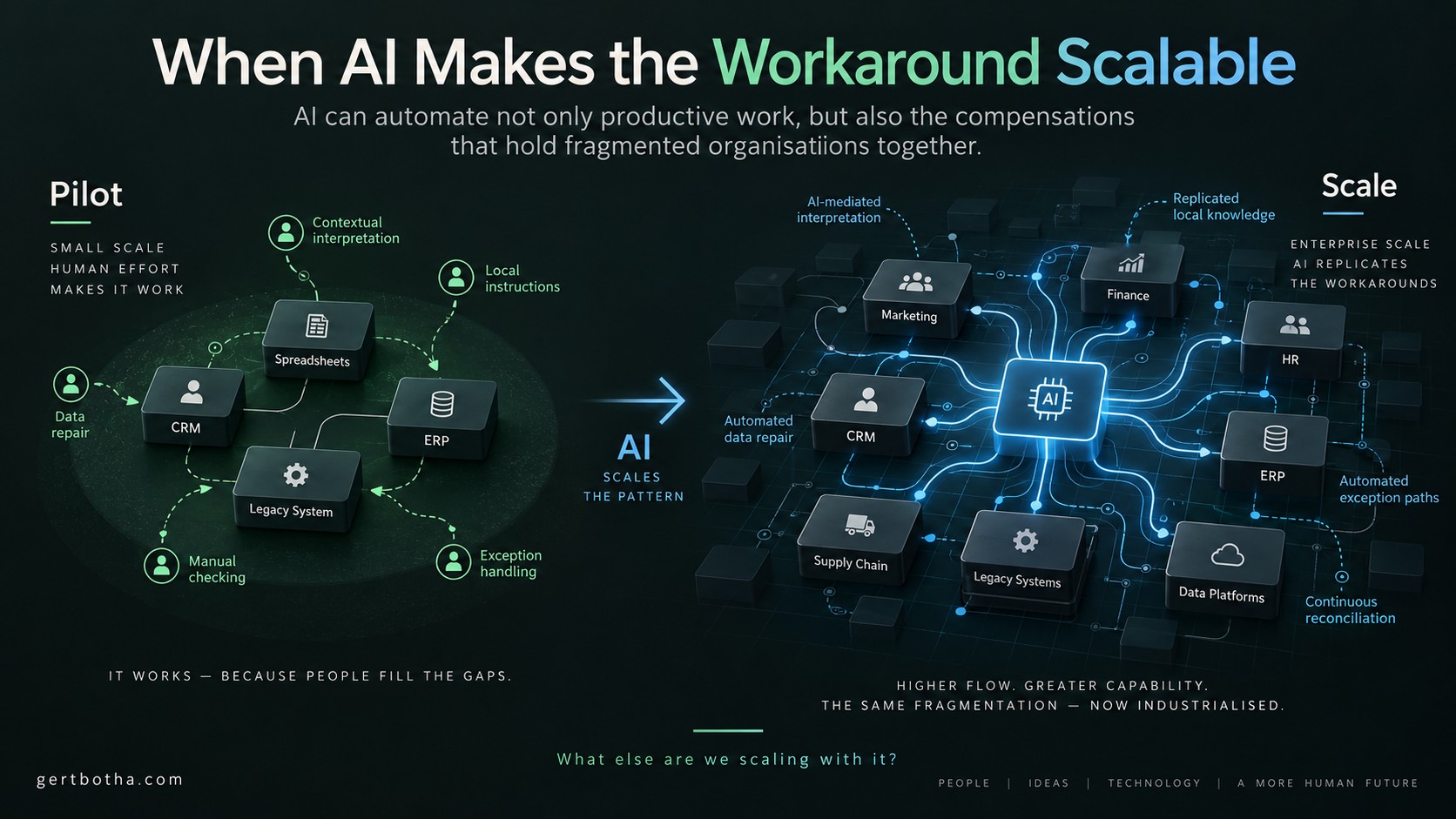 When AI Makes the Workaround Scalable
 The Age of Continuous Shocks: Why the coming downturn will be decided in your supply chain
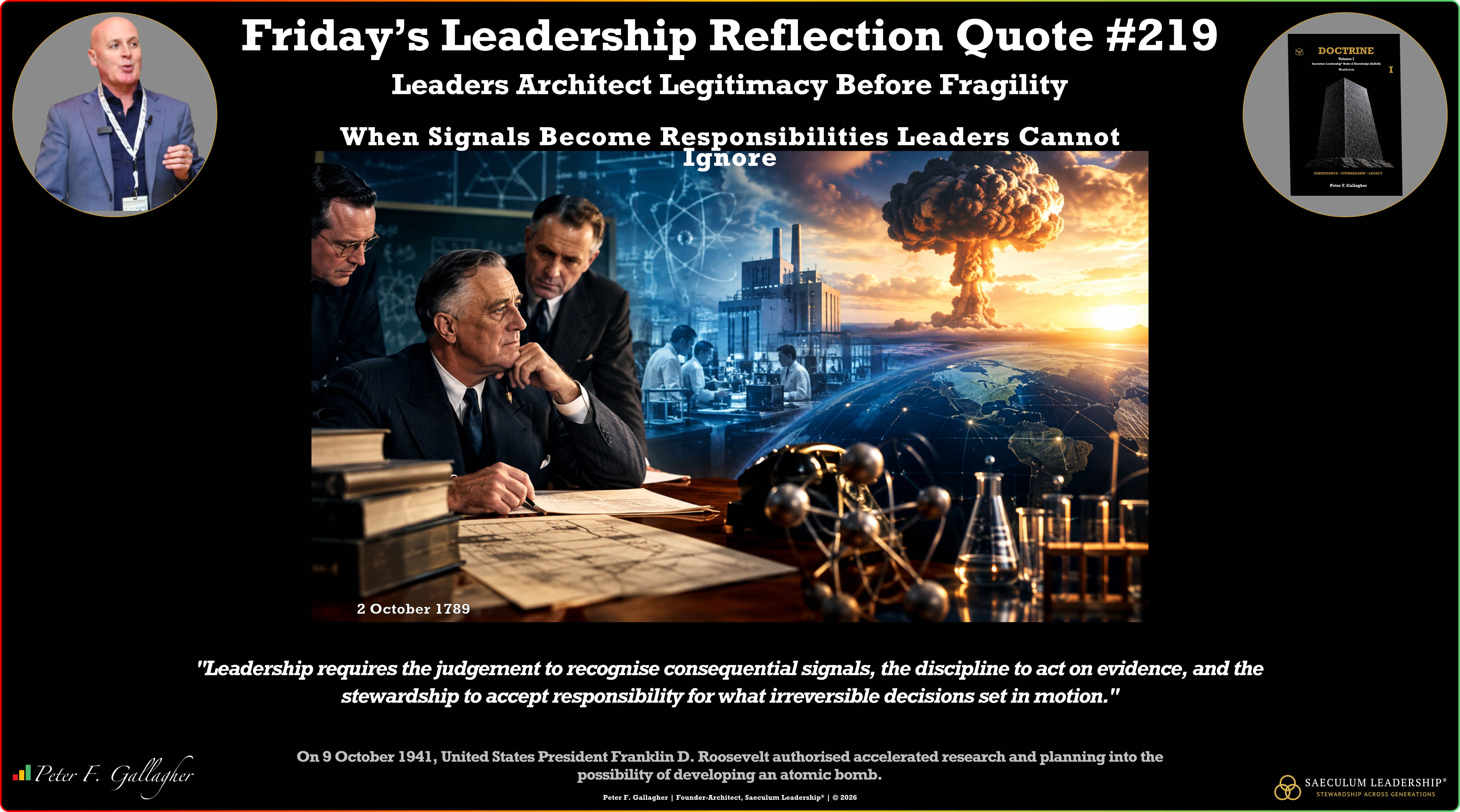 Friday’s Leader Reflection Quote – Saeculum Leadership Leaders Accept Decisions Create Responsibilities
 The Corix Partners Friday Reading List - October 9, 2026
 Consumer vs. enterprise AI agents