

Thinkers360
Interested in getting your own thought leader profile? Get Started Today.

Venkatesh Rajamani

Founder at tryScrum

Chennai, India

Venkatesh Rajamani has several years of experience delivering working software in short, feedback-driven cycles. He has helped organizations adopt agile software delivery practices, including large banking, payments, telecom, and product organisations. He started his career as a Software Engineer and spent several years as a hard-core Programmer. He has worked with large software delivery organisations like HP, IBM, Logica, Paypal, Ericsson, and RBS. He founded tryScrum.com in 2018 to execute his mission of Humanizing Organizations. Venkatesh is fluent in 4 languages. He is based in Chennai, India and sets the overall direction for tryScrum. He is the world's first to hold together CST, CEC, CTC, PST, PKT, Path to CSP Educator, CAL-Educator and ACS-Educator. He loves reading books, travelling and public speaking. Venkatesh received his B.E. from Anna University in Chennai and his MBA from the University of Madras. He is a PhD scholar at the Girne American University.

Available For: Advising, Consulting, Influencing, Speaking
Travels From: Chennai
Speaking Topics: Design thinking, Business Agility and Organizational Leadership

Speaking Fee $800 (In-Person)

Venkatesh Rajamani Points
Academic 12
Author 26
Influencer 252
Speaker 0
Entrepreneur 40
Total 330

Points based upon Thinkers360 patent-pending algorithm.

Thought Leader Profile

Portfolio Mix

Company Information

Company Type: Company
Minimum Project Size: $5,000+
Average Hourly Rate: $100-$149
Number of Employees: 11-50
Company Founded Date: Undisclosed

Areas of Expertise

Agile 32.12
AI 30.06
AI Ethics 30.39
Business Strategy 30.17
Careers 30.47
Coaching 31.63
Customer Experience 30.26
Design 30.51
Design Thinking 30.08
Digital Disruption 30.24
Digital Transformation 30.28
Entrepreneurship 30.32
Leadership 30.12

Industry Experience

Automotive
Higher Education & Research
Professional Services
Telecommunications

Exclusive Content    Join Venkatesh Rajamani's VIP Club

Publications & Experience

2 Academic Courses
Certified Design Thinking Professional
tryBusinessAgility
November 25, 2024
This one-day professional education program will build the skills needed to approach challenges with empathy, collaboration, and a focus on human needs. In an increasingly complex world, Design Thinking empowers individuals and organizations to drive innovation and solve complex organizational challenges. This course will introduce the tools and techniques necessary for smarter collaboration and problem-solving.

See publication

Tags: Customer Experience, Design Thinking, Digital Transformation

Certified Scrum Master [CSM] Training Course
tryScrum
November 25, 2024
This two-day Certified ScrumMaster course provides Scrum practices and Agile thinking foundations for your team, including the ScrumMasters, Product Owners, Developers(meaning Including coders, testers, business analysts, designers, deployers, and anyone contributing to the product increment), and Management (Project Managers and other Management members). Upon completing the course and completing a post-course online evaluation at Scrum Alliance, you will be registered as Certified ScrumMaster (CSM) with a two-year membership in the Scrum Alliance

See publication

Tags: Agile, Customer Experience, Digital Transformation

17 Article/Blogs
5 New Business Models Empowered by (AI)
tryBusinessAgility
January 29, 2024
As we step into the era of Industry 5.0, the impact of artificial intelligence (AI) on industries and businesses is undeniable. AI is not just reshaping business models; it’s reshaping lives. From enhancing how customers experience products and services to streamlining operations behind the scenes, AI is at the forefront of innovation across various sectors. In this blog post, we aim to explore five emerging business models empowered by AI, backed by evidence and promising future trends.

See publication

Tags: Agile, AI

Industry 4.0: Reimagining the World of Work
tryBusinessAgility
January 16, 2024
industries worldwide. This blog takes inspiration from research institutions. Provides an in-depth exploration of the transformative power of Industry 4.0 and practical examples of how companies can embrace this revolution. My previous post discussed how Digital Transformation is Fueling Business Agility.

See publication

Tags: Agile

The Lost Essence of User Story Estimation in Agile
tryScrum
September 19, 2023
In the dynamic world of Agile software development, the concept of user story estimation was initially crafted as a compass, guiding teams in expressing the effort required to transform a Product Backlog item into tangible value. However, as time has passed, certain practices within the Agile industry have caused this compass to lose its true north. Let’s explore three common pitfalls in user story estimation using analogies that resonate with software teams.

See publication

Tags: Agile

Mastering Corporate Finance: Strategies for Sustainable Growth
tryBusinessAgility
May 22, 2023
Corporate finance is a vital aspect of any business. It involves financial planning, management, and investment decision-making to maximise shareholder value and ensure long-term growth. This blog aims to provide practical insights into mastering corporate finance strategies for sustainable development.

See publication

Tags: Agile

The Art of Strategic Leadership: Key Principles and Best Practices for Driving Organizational Success
tryBusinessAgility
April 25, 2023
Strategic leadership is crucial for leaders who aspire to drive organisational success. According to the Stanford Graduate School of Business, strategic leadership involves developing and communicating a clear and compelling vision, building strong relationships with stakeholders, and creating a culture of innovation that enables the organisation to adapt and thrive in a rapidly changing business environment

See publication

Tags: Agile

The Future of Corporate Finance: How Agile Will Shape the Financial Landscape.
tryBusinessAgility
April 20, 2023
In recent years, Agile working methods have gained popularity in various industries, including software development, project management, and marketing. However, Agile is now making its way into corporate finance, promising to revolutionise traditional financial planning and analysis practices.

See publication

Tags: Agile, Customer Experience, Digital Transformation

Transformation in the Post-Pandemic Era: What Businesses Need to Know
tryBusinessAgility
April 17, 2023
The COVID-19 pandemic has had a significant impact on businesses around the world. According to a survey conducted by McKinsey, 85% of companies have reported moderate-to-large adverse effects due to the pandemic. Many companies have had to adapt their operations to meet new customer needs and navigate an uncertain economic landscape. As a result, businesses must continue to evolve and transform to stay competitive and thrive.

See publication

Tags: AI, Customer Experience, Digital Transformation

What is Digital Transformation?
tryBusinessAgility
March 23, 2023
Digital transformation is a term that has been widely used in recent years to describe the integration of digital technologies into various aspects of business and society. It refers to the process of utilising digital technologies to change how organisations operate fundamentally, deliver value to customers, and compete in the marketplace. In this article, we will explore the concept of digital transformation, its benefits, and how it is changing how organisations operate in today’s digital age.

See publication

Tags: AI, Customer Experience, Digital Transformation

Where is the Manager in Scrum?
LinkedIn
July 30, 2021
There is one frequent question that I encounter in my workshops. There is a piece of information that is missing in the Scrum Guide. Interestingly, It is regarding the managers. Where is the role of Manager in Scrum? The missed-out information makes many organisations confused if they have a similar place and adopts Scrum or present an Agile transformation.

See publication

Tags: Agile, Customer Experience, Digital Transformation

5 Scrum Myths – Busted
LinkedIn
July 30, 2021
MethodologyFrameworkA specific methodology is a well-defined set of principles, concepts, tools, and associated practices that guide processes to meet a focused goal. Thus, the methodology is fundamentally more prescriptive. On the other hand, a framework is a flexible yet incomplete structure that leaves space for different practices and related tools requisite for the overall process. Thus, a framework is, practically, less prescriptive.

See publication

Tags: Agile, Customer Experience, Digital Transformation

Do you need a Scrum Master forever?
LinkedIn
July 30, 2021
Does the role of the Scrum Master go away with time? For addressing the doubt, first, understand the role of a Scrum Master clearly.

See publication

Tags: Agile, Customer Experience, Digital Transformation

Scrum Guide 2020: Scrum Masters are the True Leaders
LinkedIn
January 01, 2021
Just take a second to imagine a professional environment where every individual connects and donates their intellectual capacity to the fullest. It’s a place where each person experiences contentment. It’s a workplace that bestows fulfilment too. Then again, the description here seems somewhat booking and way too ideal. Is it possible to create such a working environment? Indeed, it is! If so, then how? With all my experience, I can say that the present leadership archetype can’t do it, even if everything else falls into place. Scrum is a prevalent framework, and it tried to fix the problem by returning it unsolved.

See publication

Tags: Agile, Customer Experience, Digital Transformation

The Stages of Scrum Mastery
LinkedIn
May 14, 2020
Noel Burch, a psychologist created a learning model to describe how humans go through four stages of learning when introduced to a new skill. When it’s about learning new skills, we go through different emotions during the overall learning process. When it starts, we can’t realize the importance of learning and how much to learn. We tend to feel disheartened, and we even give up when we realize that we don’t possess sufficient knowledge to learn the subject. When we realize our feelings at every step of the learning process, we stick with it while managing and controlling the emotional turmoil that bubbles inside our hearts and minds. 1 In this whitepaper, I am going to share my own journey as a Scrum Master from Information Dispenser to servant-leader.

See publication

Tags: Agile, Customer Experience, Digital Transformation

Entering Scrum Master Studio!! System thinking Series- Frame # 1- Action!!
LinkedIn
March 14, 2018
In this series, I want to Introduce some helpful tips for Scrum Masters on “Systems Thinking” - a diagnostic Tool and a disciplined approach for examining problems more completely and accurately before acting. Lights on! Camera !

See publication

Tags: Agile, Customer Experience, Digital Transformation

Myth: Velocity is Productivity
LinkedIn
February 23, 2018
Have you heard Marc Andreessen’s Adage that “Software is eating the world”, this is becoming the differentiator for Industries that were previously thought to be more manual.

See publication

Tags: Agile, Customer Experience, Digital Transformation
1 year Of My Freelancing Journey
LinkedIn
February 17, 2018
It was back in 2012 when I discovered that I have been doing work which I was not so passionate about. One fine day one of the Managers asked me if I would like to do "Scrum Master" role, I remember the famous saying if you are not sure about what to decide when challenges approach you, Say yes you will learn. I said yes and started my Scrum Master journey in 2012. Like everyone else I was very ambitious to learn and grow. I worked as a Scrum Coach for almost 4 years. Then I got an opportunity from a Startup to join as a Coach for their R& D Centre. I continue to work, but could not give my mind to peace. Whats my journey? Am I heading my journey in a right path.

See publication

Tags: AI, Customer Experience, Digital Transformation

Scrum seems to be theoretical, will not work for us!!!
LinkedIn
August 24, 2017
I recollect one my friends experience, Peter. He is working in an IT company for almost 4 years. After 4 years of his service he started taking a lot of sick leaves. It affected his productivity, his manager set up one on one discussion with him and it went for about 30 mins

See publication

Tags: Agile, Customer Experience, Digital Transformation

2 Founders
tryBusinessAgility
tryBusinessAgility
November 01, 2022
tryBusinessAgility, a flagship of tryScrum. Our mission is to discover, preserve and distribute knowledge and capabilities to enable the next generation of organisations to be capable and resilient.

See publication

Tags: Agile

tryScrum
tryScrum
March 01, 2018
Our mission is to humanize Organisations by helping them become fully
capable and resilient. We bring the right people together to build capabilities that enable organisations to achieve sustainable transformation. tryscrum.com brings great value to clients by building capabilities through our training, coaching and consulting services

See publication

Tags: Agile, Coaching

2 Journal Publications
Adapreneurial Leadership: A Strategic Evolution of Navigating Uncertainties in Emerging Economies
Emerald
September 08, 2025

See publication

Tags: Digital Disruption, Digital Transformation, Entrepreneurship

Leadership Behaviors and Scrum Master Empowerment in Agile Success: A Cross-Cultural Comparison in India, China, and the West
International Journal of Asian Business and Information Management (IJABIM)
January 21, 2025
This study seeks to understand the reasons behind the resistance to the agile leadership ways of working primarily in Indian bureaucratic organizations, examining leadership attributes including team, situational, and super leadership. It reveals that for agile leadership to be practical, the significance of team and situational leadership cannot be dispensed with, while downplaying the role of scrum master slows down the progress. A survey of 250 Indian information-technology leaders indicates that team leadership development and the turning of scrum masters into champions yield better agile performance. The study concludes with the need for the development of leaders in hierarchical cultures and proposes limitations of this study as a focus for further investigation.

See publication

Tags: Agile, Business Strategy, Leadership

2 Whitepapers
Building blocks of the next generation of Organisations
tryScrum
June 03, 2022
Whatever the future brings, building a capable and resilient organisation is the need of the hour. At tryScrum, our mission is to help organisations become capable and resilient. We will share our experience of some tenets that helped organisations. This model aims to show you what to strive for and how to get started to become a high-performing organisation

We hope the Next Generation Organisation is built on building blocks that allow companies to embrace business agility, innovate faster, and respond quickly to changing market conditions.

See publication

Tags: Customer Experience, Digital Transformation, Leadership
The Stages of Scrum Mastery
trySscrum
November 01, 2020

See publication

Tags: Agile, Careers

Thinkers360 Credentials

5 Badges

Radar

Blog

3 Article/Blogs
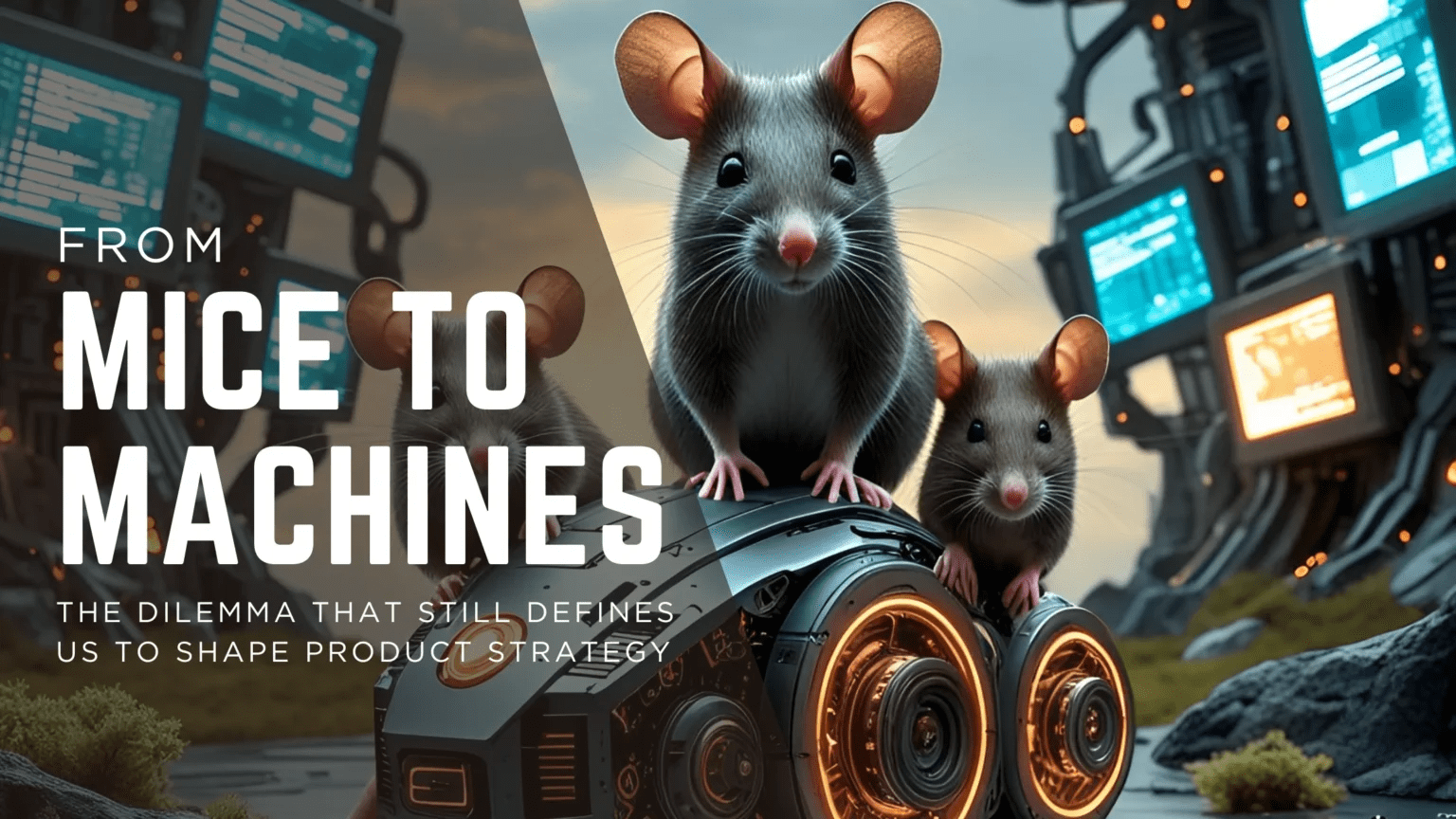
From Mice to Machines: The Dilemma That Still Defines Us to shape Product Strategy
Thinkers360
August 02, 2025

Now, fast forward to today’s product managers navigating the maze of user needs, feature releases, and business KPIs. We are no longer mice—but in the age of AI and relentless change, we face a similar question every day: Should we stick with what we know works—or take a risk on something new that might work even better?

This is known in decision science as the exploration vs. exploitation dilemma. And with machine learning, data overload, and rapidly shifting markets, the cost of choosing wrong—or not choosing at all—is higher than ever.
Bandit algorithms—once reserved for high-stakes applications in AI—now offer product leaders a way to make smarter, adaptive decisions without relying on guesswork. In this blog, I’ll share five powerful ways product managers can apply these algorithms to navigate uncertainty, optimize learning, and thrive in today’s digital maze.
Because in a world where algorithms learn from every click, shouldn’t our product strategies do the same?
In the contemporary digital marketplace, the role of a product manager comes with great responsibility as they need to make critical decisions on a daily basis—each decision with little to no data and in an ever-evolving environment. The pressure to select a feature, message, channel, design, or even a combination of all is at an all time high. But what if there exists a far smarter approach to adaptively test and learn?

This is precisely the point where product management can benefit from Bandit Algorithms, which are based on machine learning and decision science. Following the foundational principles laid out by Lattimore and Szepesvári, Bandit Algorithms provide a structured, balanced, and data driven approach to experimentation and performance.

tryBusinessAgility believes that with the proper tools and technologies, an organization can equip the PMs with the essential tools and adapt to changing environments, proving to be critical by Bandit Algorithms equipping wit five decisive ways product leaders can use them to embrace uncertainty.

1. Accept Dilemma of Exploitation and Exploration

With every product manager, the following options exist:

Unlike static A/B tests, bandit algorithms let you iteratively adjust your model as new data arrives. This ensures that you maximize value without missing out on breakthrough opportunities.

At tryBusinessAgility, we teach PMs to frame product hypotheses through this lens. It centers around intelligent risk-taking, not random risk; it focuses on structured discovery.

2. Move on from A/B Testing

Most A/B tests are time-consuming and user-split based. Techniques like Upper Confidence Bound (UCB) and Thompson Sampling can use all information available to optimize features in real time.

UCB focuses on options with great potential but low certainty.
Thompson Sampling blends probability with past performance to sample the most promising variants.
These methods enhance user traffic allocation toward winning features while still exploring other options. These improvements result in faster insights and better ROI while reducing user loss.

3. Achieve Hyper-Personalization Through Contextual Bandits

User behavior is not universal, so modern applications from content feeds to pricing engines use contextual bandits.

Decisions are made on user attributes like device type and location. Instead of testing features on everyone, users are optimized on each segment or even down to the individual level.

At tryBusinessAgility, our agile programs motivate PMs to construct context-adaptive experiments because customization isn’t merely a catchphrase; it’s a tactical approach.

4. Keep Changing Markets Agile Using Non-Stationary Models

User preferences evolve, and markets shift. What worked yesterday doesn’t always work today.

Bandit algorithms can accommodate non-stationarity, which is environments that change over time. Your experiments can forget outdated data and account for new realities using decay functions or windowed learning.

This supports Agile principles of reacting to change over following a set plan.

5. Instill a Culture of Learning at All Levels

Finally, the true power of Bandit Algorithms isn’t in the math—it’s in the mindset.

These models foster:
At tryBusinessAgility, we embed adaptive experimentation with product teams to make it habitual.

Concluding Thoughts

Bandit Algorithms provide more than optimization; they give a methodical approach to agility. With precision and clarity, they become a tactical asset for today’s product managers navigating through multilayered complexities.

Reach out if you are prepared to go past rigid choices and step into your product’s path of dynamic learning. Our workshops and courses are crafted to equip learners with the skills necessary to become adaptive leaders.

Our focus is not simply product creation; rather, our goal is the construction of intelligent, learning-oriented ecosystems.

See blog

Tags: AI, AI Ethics

Six Principles of Human-Centered Design: A Personal Perspective
Thinkers360
January 20, 2025

1. People First, Problem Next Approach

Empathy starts the design process. Usually, we are tempted to think first about the problem by
using tools and frameworks that dissect it. On the other hand, HCD flips this order around –
meaning that people affected by the issue should be given priority before delving into the
question itself. By knowing their wants, dreams, and frustrations, we move from creating
abstract ideas to creating experiences that deeply matter to them. Solutions derived from deep
human interactions often become possible and revolutionary.

2. Think about the Systems

There’s no issue in isolation; it is part of a broader ecosystem of interconnected problems and
players. When we apply systems thinking, we can see the bigger picture regarding our design
choices by knowing their ripple effects. We can create sustainable solutions that scale by
understanding how various components interact within a system. This principle applies
especially to Agile transformations and digital ecosystems where every decision affects the
whole.

3. Eliminate Bias through Real Human Testing

Even with good intentions, designs may fail due to biases that creep in – cultural, cognitive, or
personal. This calls for early and frequent involvement of real users throughout the design
process. Testing our ideas with different groups allows us to identify blind spots and iterate them
more effectively. Human testing is about validating and revealing insights guiding our designs
toward what users require and want most accurately.

4. Focus on the Ecosystem.

A great design does not just solve one problem, but it positively contributes to the whole
ecosystem in which it operates. Whatever we are designing – be it a product or a service,
whether it’s an app or a website- thinking about the bigger picture helps us make flexible
solutions that have an impact. For example, a product that seamlessly blends with existing
workflows or cultures would likely fare better than one that disrupts things without clear benefits.

5. Solve the Root Cause, Not the Symptom

One of the most common mistakes made in design is treating symptoms rather than causes.
Although quick fixes may offer immediate relief, they rarely lead to long-term success. By
digging deeper (for example, through 5 whys), one can comprehend what underlies the
situation: why did this issue occur? Thus, we can create ways out of them to fix immediate
problems and prevent future ones.

6. Stay Ethical

Designers have immense power over our behaviors and results. But this shouldn’t go
unchecked; with great power comes great responsibility! Designing ethically means displaying
personal integrity and being transparent and caring about user privacy and wellbeing while
asking ourselves hard questions like: Is what we are creating good for society? Are we
exploiting weaknesses? Henceforth, ethics should never be compromised in any design process
whatsoever!

Wrap Up

Human-centered design is not just a method but a way of thinking. We can design long-lasting
solutions by focusing on people, adopting a systems perspective, and upholding ethical codes.
In my work, these principles are my guiding light that leads to more than utility designs but
life-changing experiences. Which principles underpin your design journey? Join us so we can
discover what Human-Centered Design can do together.

About tryBusinessAgility

Our mission is to discover, preserve and distribute knowledge and capabilities to enable the next generation of organizations to be capable and resilient.

See blog

Tags: Customer Experience, Design, Design Thinking

How to Deal with Estimation Problems in Agile Teams
Thinkers360
December 01, 2024

Agile development is all about building a collaborative, empowered team that delivers value to the customer. However, upper management may prioritize traditional metrics like deadlines and budgets over team dynamics in some organizations. As a Scrum Master, balancing these priorities and ensuring the team remains psychologically safe while meeting management’s expectations around estimation is essential.

Here are some tips on how Scrum Masters can balance team psychology safety with management pressure on estimation:

See blog

Tags: Agile

Opportunities

1 Business Advisory
Business and Strategic Advisor

Location: Chennai    Fees: 2000

Service Type: Service Offered
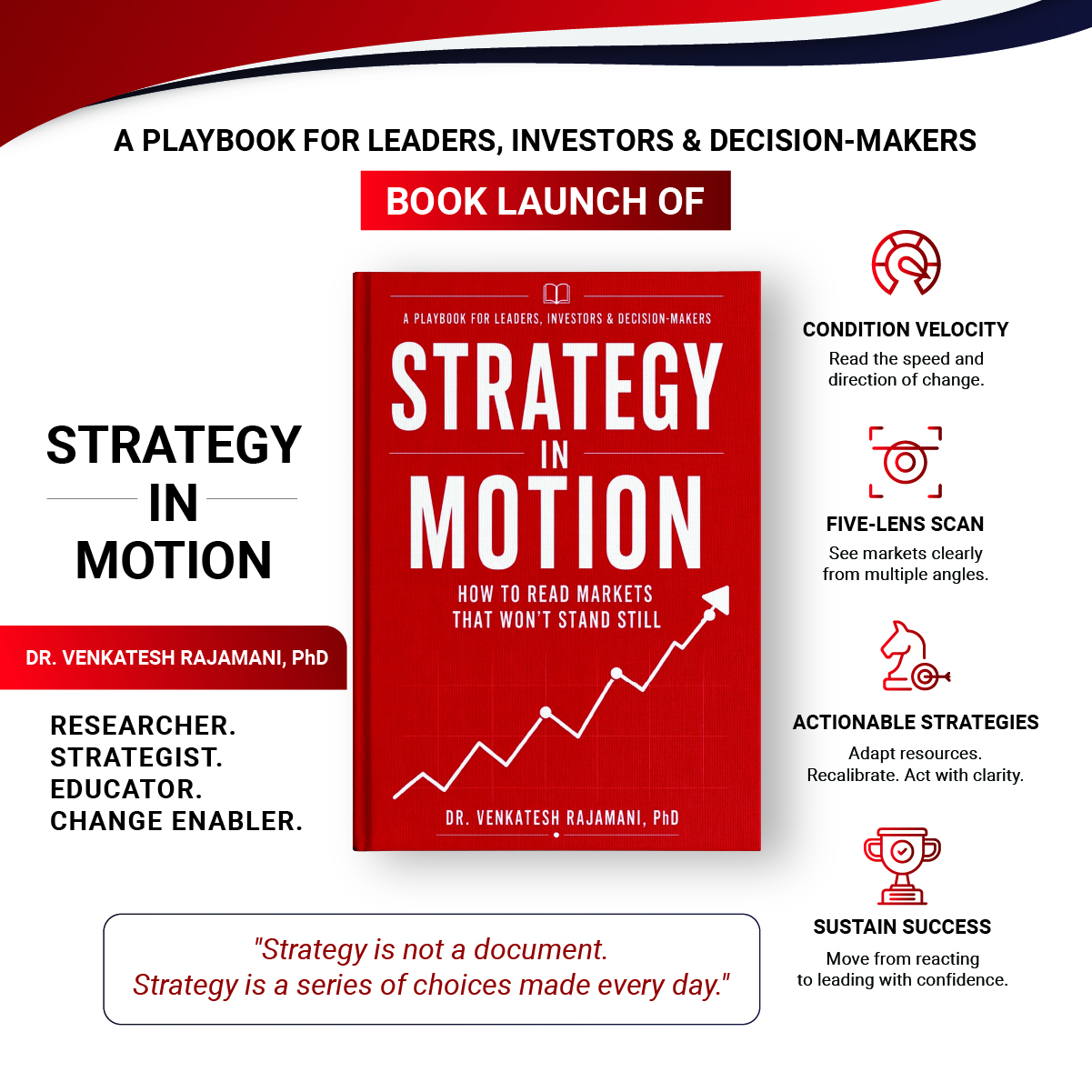
Through tryBusinessAgility, I offer Business and Strategic Advise to companies to create capable and resilient strategy and execution.

Respond to this opportunity

Events

1 Physical Event
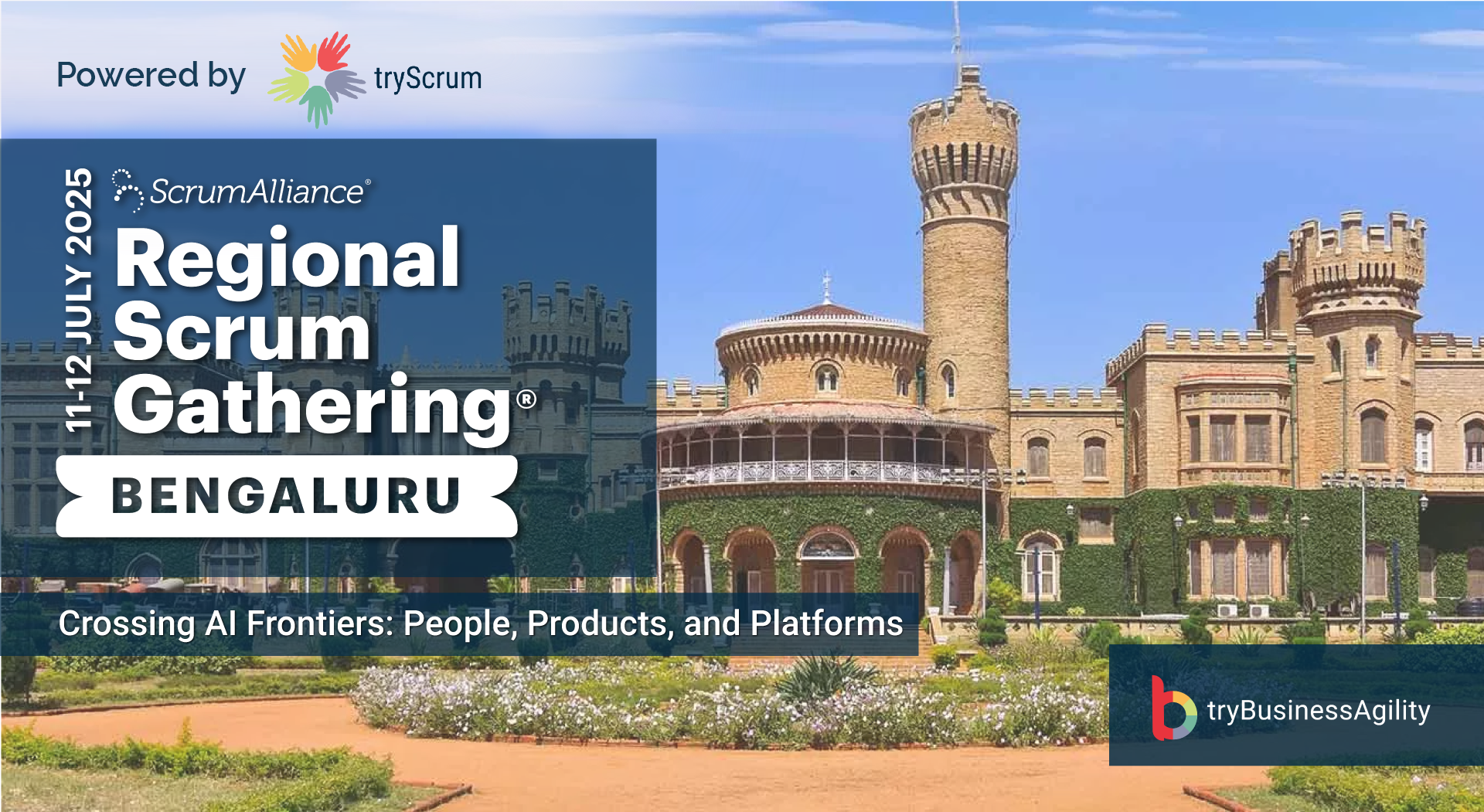
Regional Scrum Gathering

Location: Bengaluru    Date : July 11, 2025 - July 12, 2025     Organizer: tryScrum

n collaboration with Scrum Alliance, tryBusinessAgility—a flagship initiative of tryScrum—is thrilled to bring back the much-anticipated Regional Scrum Gathering for a second time, following its successful debut in Bengaluru in 2024.

Yes, Regional Scrum Gathering 2025 – Bengaluru is the flagship conference by tryScrum, with previous successes in Chennai and Bengaluru, gathering groundbreaking insights on “Crossing AI Frontiers: People, Products, and Platforms.” This year, we’re uniting influential global thought leaders and change agents who are driving agility in their organizations to tackle Industry 5.0 challenges and pave the way for a responsive, future-ready workforce.

See Event

Contact Venkatesh Rajamani

Book Venkatesh Rajamani for Speaking

Book a Video Meeting

Join Venkatesh Rajamani's VIP Club

Media Kit

Share Profile

Contact Info

  Profile

Venkatesh Rajamani


Latest Activity

Latest Opportunities

Latest Member Blogs

Search
How do I climb the Thinkers360 thought leadership leaderboards?
What enterprise services are offered by Thinkers360?
How can I run a B2B Influencer Marketing campaign on Thinkers360?