

360° expert in IT Strategy and Project Management with wide experience from different perspectives as a Portfolio Manager and setting up PMOs for individual projects and for whole organizations.
Available For: Authoring, Influencing, Speaking
Travels From: Switzerland
Speaking Topics: IT Strategy, AI Governance, Project success, Digital Transformation
| Fabio Turel | Points |
|---|---|
| Academic | 25 |
| Author | 153 |
| Influencer | 23 |
| Speaker | 109 |
| Entrepreneur | 85 |
| Total | 395 |
Points based upon Thinkers360 patent-pending algorithm.

Credential ID FHRU56ZKT9G8
Tags: Agile, IT Strategy, Project Management
 Introduction to Infographics and Data Visualization
Tags: Analytics, Culture, IT Strategy
Tags: Culture, IT Strategy, Project Management
 The Fear Dividend
Tags: AI Governance, IT Strategy, Risk Management
 AI’s Kayfabe Problem
Tags: AI Governance, IT Strategy, Project Management
 The Strategy Nobody Voted Against
Tags: Culture, IT Strategy, Project Management
 Build for the Frontier or for Delivery? Part 4 of “The IT Strategy Playground” series
Tags: Culture, IT Strategy, Project Management
Tags: Culture, IT Strategy, Project Management
 Build for Quick Delivery or for the Enterprise Commons?
Tags: Culture, IT Strategy, Project Management
 “Just Align With the Business” Is Not an IT Strategy
Tags: Culture, IT Strategy, Project Management
Tags: AGI, AI Governance, IT Strategy
Tags: AI Governance, Culture, IT Strategy
 The Solaris Trap: is AI solving your problems or just validating your bias?
Tags: AGI, AI Governance, IT Strategy
 The Singularity as a Race to the Bottom
Tags: AI Governance, Culture, IT Strategy
 The Illusion of Thought
Tags: AGI, AI Governance, IT Strategy
 There Are 3 r’s in “Strawbery”
Tags: AGI, AI Governance, IT Strategy
 Europe’s Sputnik Moment for AI
Tags: AI Governance, IT Strategy, Risk Management
Tags: Ecosystems, IT Strategy, Privacy
 Don’t Wait for Digital Sovereignty. Create It.
Tags: Culture, IT Strategy, Risk Management
 The Price of a Brain
Tags: AI Governance, IT Strategy, Project Management
 Cultural Change Isn’t Commanded
Tags: Culture, Diversity and Inclusion, IT Strategy
Tags: AI Governance, Culture, IT Strategy
 Switzerland’s Open-Source AI Breakthrough
Tags: AI Governance, Culture, IT Strategy
 Strategy Without Illusion
Tags: Business Strategy, Culture, IT Strategy
 AI in Wonderland - a modern-day caucus race
Tags: AI Governance, Culture, IT Strategy
 Reclaiming Reality
Tags: Culture, IT Strategy, Project Management
 The Fragility of Facts
Tags: Culture, IT Strategy, Metaverse
 Grinning Without a Head: the Cheshire cat fallacy in agile methods
Tags: Agile, Digital Transformation, IT Strategy
 The IT Strategy Playground - Part 2
Tags: IT Strategy, Project Management, Risk Management
Tags: AI Governance, Culture, IT Strategy
 The Irrelevance of Projects
Tags: Culture, IT Strategy, Project Management
 Time to Grow Up?
Tags: Culture, Project Management, Risk Management
 Rising Temperatures, Rising Tensions
Tags: Culture, Project Management, Risk Management
 The Concrete Advantages of Inefficiency
Tags: Agile, Culture, Project Management
 The Role of Readiness
Tags: Agile, IT Strategy, Project Management
 Tools for simplification
Tags: Agile, IT Strategy, Project Management
Tags: Agile, IT Strategy, Project Management
Tags: Business Strategy, Culture, Project Management
 Will my project survive the pandemic?
Tags: Business Continuity, Project Management, Risk Management
Tags: Agile, IT Strategy, Project Management
Tags: Culture, Leadership, Project Management
Tags: IT Strategy, Project Management, Smart Cities
 Conquering Projects: Sun Tzu's Strategies for Project Management
Tags: Culture, IT Strategy, Project Management
 Demystifying Project Risks
Tags: Agile, Project Management, Risk Management
 Demystifying Projects
Tags: Agile, Project Management, Risk Management
Tags: IT Strategy, Metaverse, Project Management
 Digital Sovereignty Is More Than the Choice of a Provider
Tags: Culture, IT Strategy, Risk Management
Tags: AI Governance, IT Strategy, Project Management
Tags: Business Strategy, IT Strategy, Project Management
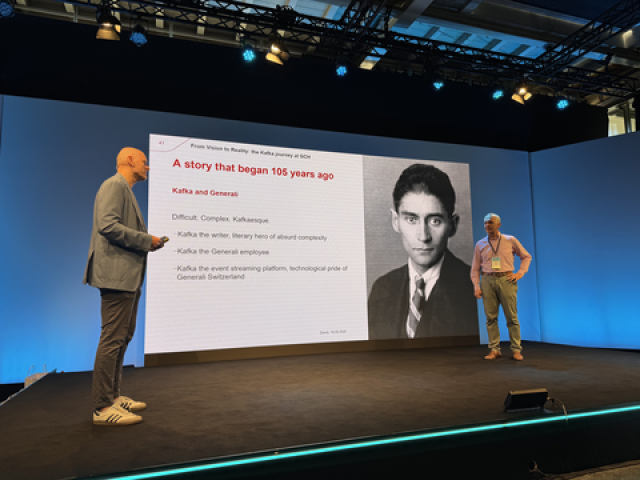 Data Streaming World Tour 2025
Tags: Culture, IT Strategy, Project Management
 Leading the Way Forward
Tags: Agile, IT Strategy, Project Management
Tags: Agile, Project Management, Risk Management
Tags: Digital Transformation, Project Management, Risk Management
Tags: Digital Transformation, IT Strategy, Project Management
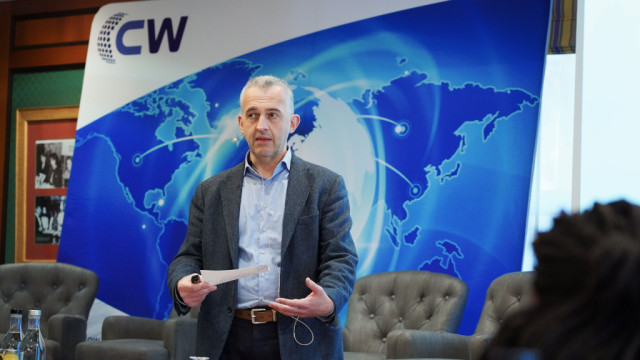 Finance 4.0 and Finance Transformation Summit
Tags: Agile, Digital Transformation, Project Management

Tags: Agile, IT Strategy, Project Management
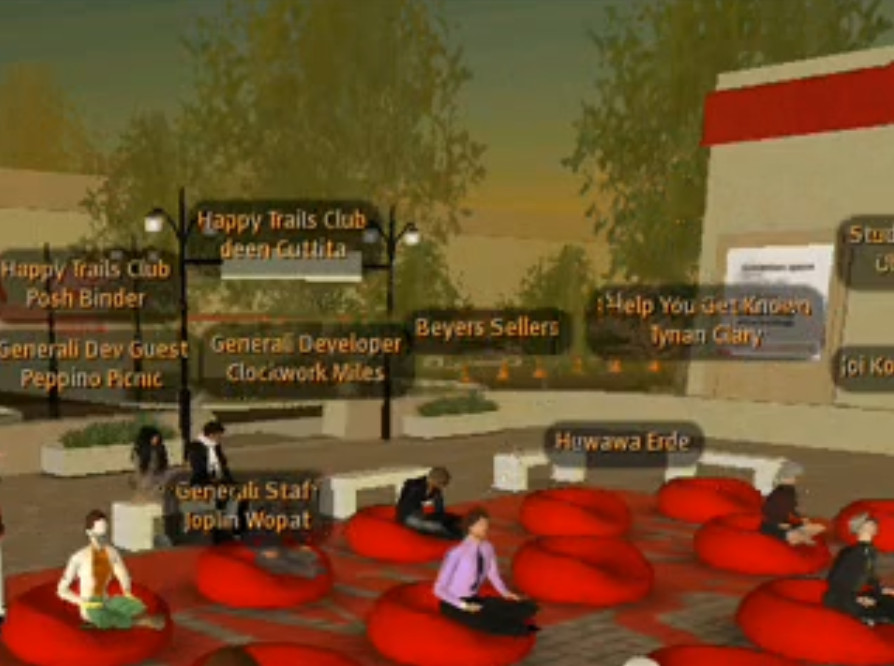 Generali su Second Life
Tags: Metaverse, Project Management, Risk Management
Tags: Metaverse, Project Management, Risk Management
Tags: Agile, Digital Transformation, IT Strategy
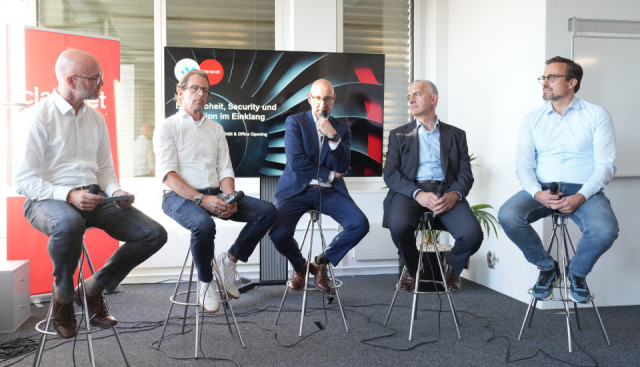 3 Perspectives on Digital Sovereignty
Tags: AI Governance, IT Strategy, Project Management
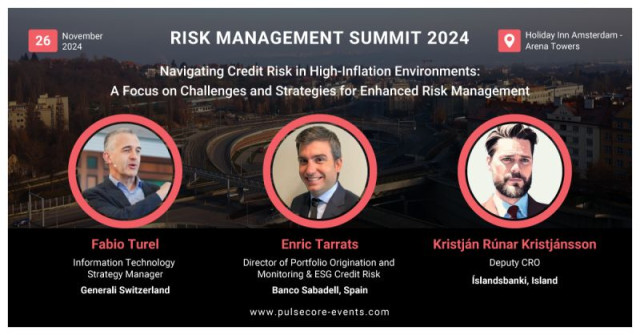 Challenges and Strategies for Enhanced Risk Management
Tags: IT Strategy, Project Management, Risk Management
 Building resilience in efficacy operations
Tags: Agile, Project Management, Risk Management
 Challenges for Implementing Industry 4.0
Tags: Agile, IT Strategy, Project Management
Tags: Culture, Project Management, Risk Management
Tags: Culture, Digital Transformation, Risk Management
Tags: Culture, IT Strategy, Project Management
Tags: IT Strategy
Tags: Project Management
Tags: Project Management
Tags: Culture
Tags: Culture, IT Strategy, Project Management
Tags: Culture, IT Strategy, Project Management
 IT Strategy and DORA Converging for Digital Transformation
Tags: IT Strategy, Project Management, Risk Management
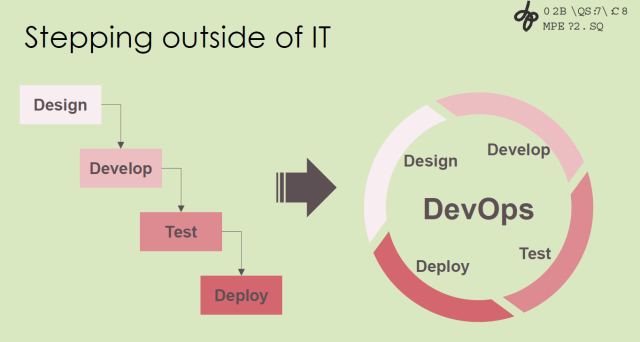 Integrating Agile Project Management for Talent Development and Workforce Transformation in Finance
Tags: Agile, IT Strategy, Project Management
Tags: Agile, IT Strategy, Project Management
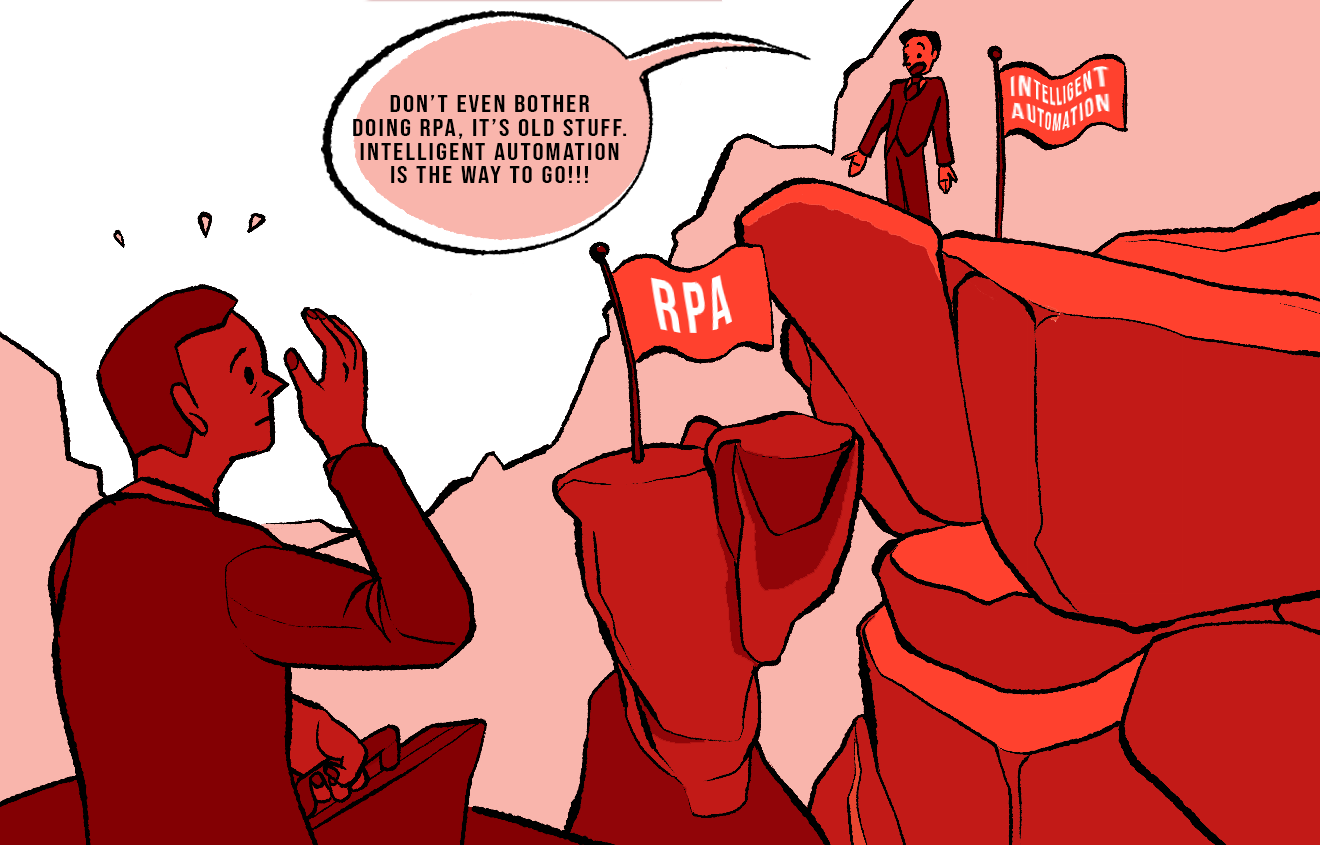 RPA: a Bottom-Up Innovation Story
Tags: Agile, IT Strategy, Project Management
Tags: Agile, IT Strategy, Project Management
Tags: Agile, Culture, Risk Management
Tags: Innovation, Project Management, Risk Management
Tags: IT Strategy, Metaverse, Project Management
Tags: Metaverse, Project Management, Risk Management
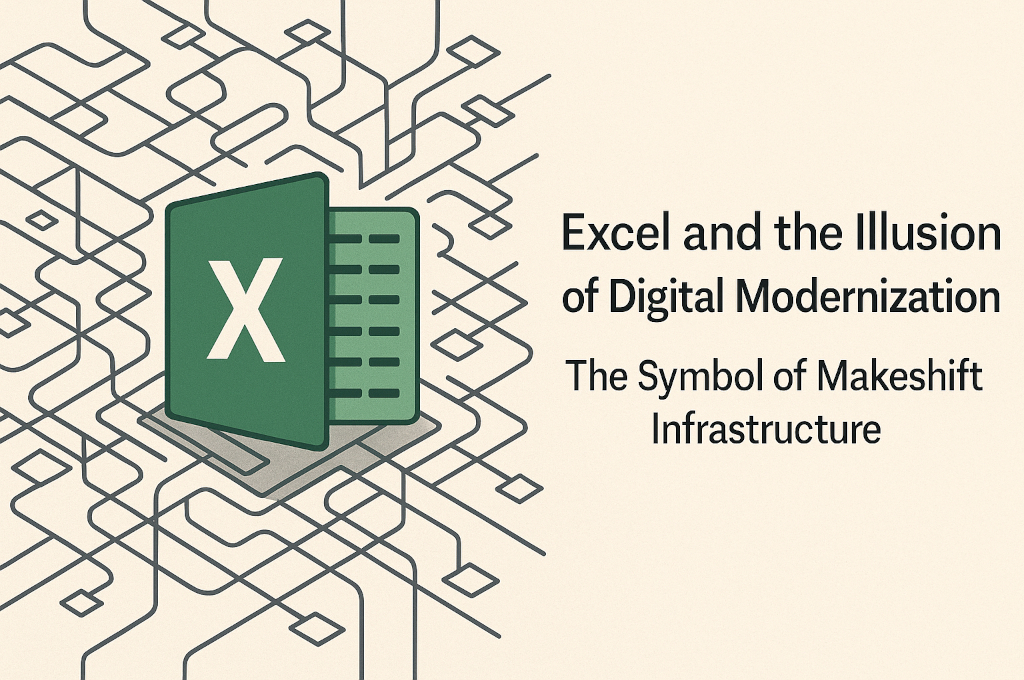 The Excel Trap
For decades, Excel has been a cornerstone of business productivity. Ubiquitous, flexible, and accessible, it has enabled professionals across functions to model data, track activities, and manage operations with minimal technical support.
But over time, this strength has become a structural vulnerability.
Across industries, core business processes now depend on increasingly complex Excel files, often containing critical logic, embedded macros, and hidden interdependencies that were never designed to scale. These files are frequently managed by a handful of individuals with undocumented knowledge. In many cases, they have grown into de facto business systems.
This is not a rare exception, it’s a widespread condition.
Excel was never intended to operate as a workflow engine, reporting platform, or database. Yet due to resource constraints, evolving business needs, and the pressure to move quickly, organizations have often adopted it as a makeshift solution. Purpose-built systems were delayed, deprioritized, or deemed too costly. As a result, spreadsheets became a default platform, a workaround turned long-term architecture.
The challenge is not that Excel is flawed. It excels at what it was designed to do. The issue arises when tactical tools become permanent foundations. Over time, these files become brittle, opaque, and difficult to replace, yet remain essential to day-to-day operations.
Robotic Process Automation (RPA) has often been deployed to reduce manual effort associated with these spreadsheet-driven processes. In many cases, it delivered quick wins by automating repetitive tasks such as copy-pasting, data entry, or file manipulation.
However, RPA has also contributed to entrenching legacy workarounds. Rather than redesigning workflows or rethinking data structures, automation was applied directly on top of fragile logic. As a result, some organizations unintentionally scaled improvisation, creating new layers of dependency on tools and processes that were never intended to be scaled.
This isn’t a failure of the technology itself. It’s a reflection of how automation was used: as a short-term fix rather than a step toward long-term improvement.
The recent evolution of AI — and large language models in particular — introduces a new dynamic.
ChatGPT, for instance, has moved beyond suggesting Excel formulas. It can now open, interpret, and generate Excel files, identify underlying logic, and suggest alternative implementations. When applied correctly, these capabilities open a path to understanding and eventually replacing embedded spreadsheet infrastructure.
Key advantages include:
Reverse-engineering business logic hidden in formulas and macros
Translating informal workflows into documented, maintainable processes
Recommending appropriate replacements where standard tools or automation platforms are more suitable
Reducing reliance on individuals with undocumented spreadsheet knowledge
This marks a shift from tactical enhancement to strategic redesign.
Used together, RPA and AI can support a structured transition away from makeshift infrastructure. RPA may still have a temporary role in bridging systems or reducing manual overhead during migration. But the long-term value lies in pairing RPA’s task execution with AI’s analytical and transformation capabilities.
This is most effective when:
The goal is gradual replacement, not indefinite automation of legacy tools
Process owners understand the technical debt embedded in spreadsheet-based operations
Organizations treat RPA as a transition mechanism, not a permanent layer
The combination of AI and RPA presents a unique opportunity to reevaluate business workflows. Rather than replicating existing inefficiencies with new tools, organizations can take a step back and ask:
What is the purpose of this process?
Why was it built in Excel originally?
What would be a more resilient, scalable approach today?
This is not just an efficiency play. It’s an opportunity to modernize with intent, replacing improvised solutions with thoughtful, sustainable design.
Tags: Agentic AI, Digital Transformation, IT Strategy
 5 Deadly Myths About Strategy: 1. IT Strategy Is Only for Tech Companies
It’s easy to assume that since IT exists to support the business, the IT strategy should simply mirror or follow the business strategy.
This belief is not only misguided but can lead to operational inefficiencies, missed opportunities, and increased risk. In today’s digital-first world, every business, regardless of industry, needs a well-defined IT strategy that aligns with, but is not simply an accessory to, its business strategy.
While business strategy does dictate the overarching direction and objectives that IT must support, an IT strategy is not something that can be derived purely from business goals.
Why?
Because IT operates under its own unique constraints and influences.
The role of IT strategy is not to duplicate or simply support the business strategy, but to reconcile the differences between the two. While business strategy might focus on growing market share, entering new markets, or enhancing customer experience, IT must deal with the technical reality of the need to regularly update systems, perform ongoing maintenance, address cybersecurity risks, and keep track of evolving technologies.
A well-crafted IT strategy acknowledges the limitations imposed by past decisions while also creating a roadmap for future flexibility. It allows companies to navigate technological debt, regulatory changes, and innovation cycles—all while supporting the company’s broader business goals.
IT operates within its own set of constraints that may not always align perfectly with business strategy. These include:
The IT strategy serves as a crucial bridge, reconciling any divergences between business needs and technological realities. It helps navigate the complex landscape of technological change while maintaining focus on business objectives.
A well-crafted IT strategy allows organizations to proactively plan for technological advancements, rather than reactively responding to changes. This approach can lead to competitive advantages and improved operational efficiency.
By addressing IT-specific challenges and opportunities, a dedicated IT strategy helps mitigate risks associated with technology investments, cybersecurity threats, and digital transformation initiatives.
When businesses assume that they don't need an IT strategy because they aren't a technology company, they expose themselves to serious risks. Without an IT strategy, the organization may find itself trapped in a cycle of reactive problem-solving, leading to ballooning technical debt, inefficient processes, and missed opportunities for innovation.
Moreover, the absence of a structured IT strategy increases the likelihood of compliance issues as regulatory requirements become more complex and technology-driven. Today, even traditionally non-tech sectors like finance, healthcare, and manufacturing are deeply reliant on technology. Regulatory frameworks, such as the upcoming EU Digital Operational Resilience Act (DORA), emphasize the importance of operational resilience in technology, further highlighting why a strong IT strategy is crucial for long-term success.
In an era where technology underpins almost every aspect of business operations, saying, "We don’t need an IT strategy because we’re not a tech company," is akin to saying, "We don’t need a business strategy because we’re not a Fortune 500 company."
Regardless of industry, your business depends on technology to operate, and that requires a clear, cohesive IT strategy.
Tags: Business Strategy, Digital Transformation, IT Strategy
 AI's Sustainability Dilemma: A Guide for IT Strategy Leaders
As artificial intelligence (AI) revolutionizes industries and daily life, its environmental footprint has become a pressing concern.
While AI holds promise for addressing environmental challenges, it simultaneously poses a significant threat due to its massive energy consumption and the acceleration in generating e-waste. This paradox presents a complex challenge for companies integrating AI into their IT strategies.
Similarly, MIT's AI Risk Repository identifies “Environmental Harm” as one of the major risks posed by AI, warning that unchecked growth in AI technologies could exacerbate existing environmental issues, such as climate change and resource depletion.
AI's energy demands are particularly alarming. Training and maintaining large AI models require vast amounts of computational power, which in turn draws heavily on electricity. The usage of ChatGPT, answering hundreds of millions of daily queries, can cost around 1 GWh each day, which is the equivalent of the daily energy consumption for about 33000 U.S. households.
Furthermore, the upkeep of AI systems, which requires frequent updates and new hardware, leads to the generation of significant amounts of e-waste. Without proper disposal or recycling, this e-waste can release toxic chemicals into the environment, harming ecosystems and human health.
Last but not least, the increasing demand for AI-related computing power puts additional strain on global energy infrastructure.
For IT strategy managers, addressing these challenges is crucial but complex. The lack of transparency from major AI companies regarding their emissions complicates immediate action: this opacity makes it difficult for organizations to quantify and address their environmental impact.
However, IT strategy is inherently forward-looking, requiring a long-term vision to guide present decisions. By formulating clear objectives and roadmaps, organizations can begin to manage AI's environmental footprint while aligning with sustainability goals.
Begin with a comprehensive evaluation of how AI adoption affects your organization's environmental footprint. Understanding current and future energy consumption and e-waste generation can help identify areas for improvement and sustainability optimization.
Embed environmental considerations into all strategic decisions related to AI. Whether it's evaluating new AI investments or planning deployments, every initiative should be scrutinized for its potential environmental impact. Engage stakeholders across departments to raise awareness and promote sustainability in AI development, deployment, and maintenance.
Define Key Performance Indicators (KPIs) that measure environmental performance across the organization at the level of the IT strategy, not limited to single initiatives. By regularly measuring the evolution of these KPIs, organizations can track the overall environmental impact of AI integration, aligning with broader sustainability goals.
In addition to responsible e-waste management, IT strategy managers should adopt a lifecycle perspective for AI technologies. This means considering the environmental impact at every stage—from development and deployment to maintenance and disposal. By assessing the full lifecycle of AI systems, organizations can make more sustainable choices that align with both technological needs and environmental goals.
AI has the potential to play a positive role in addressing the environmental crisis, but only if its own environmental risks are managed effectively. As energy consumption and e-waste from AI technologies continue to rise, organizations cannot afford to ignore these issues.
While transparency from AI providers is still lacking, IT strategy managers can start laying the groundwork for long-term sustainability. By integrating environmental considerations into their strategic frameworks, organizations can turn the challenge of AI's environmental impact into an opportunity for innovation.
IT strategy is a marathon, not a sprint, and the road ahead requires developing a clear vision for sustainability that accounts for the unseen risks of today's technologies.
This proactive stance not only mitigates risks but positions companies as leaders in sustainable technology adoption. As the AI landscape evolves, so too must our strategies.
Tags: Sustainability, Project Management, IT Strategy
 The Project Process
Project management fundamentally aims to achieve specific goals, but it inherently involves following a structured process to reach those goals effectively and efficiently.
This dual focus highlights the different skill sets that a project manager must possess, as the relationship between achieving a goal and following a process is complementary.
The primary purpose of project management is to complete projects with specific objectives. These goals can vary widely, including launching a new product, constructing a building, implementing a new business service, or organizing a major event. A project's success is often measured by how well it meets these goals, delivers value to stakeholders, and adheres to constraints of time, budget, and quality.
Project management methodologies provide a structured process that guides the project manager through various stages of the project. This encapsulation of project work (which, due to the one-time nature of projects, does not belong to ongoing operational processes) is organized into distinct phases and knowledge areas, such as financial management and risk management.
The interplay between these two aspects can be summarized as follows:
The structured process in project management is not a goal in itself but a means to achieve project goals. Without following a disciplined process, projects are more likely to exceed budgets, overrun timelines, fall short of quality standards, or fail altogether.
Effective project management also involves adapting the process to better meet project goals as necessary. While the process provides a guide, it must remain flexible to accommodate changes and unexpected developments that can impact project outcomes.
Following a process facilitates continuous improvement. Lessons learned from the monitoring and controlling phases can be applied to future projects, enhancing the process itself and increasing the chances of success in achieving project goals.
Effective project management requires adapting the methodology to align with the unique culture, operational practices, and strategic goals of the organization. Organizations may prioritize different aspects such as speed, quality, cost-efficiency, or innovation. Therefore, project management methodologies should be customized to fit the specific context of the project and the organizational environment. This customization ensures that the process not only supports achieving the project goals but also complements the existing workflows, resource capabilities, and risk tolerance of the organization.
Agile project management introduces a distinct approach to achieving project goals through a repetitive, iterative process. Each iteration or "sprint" typically lasts a few weeks and aims to deliver a functional, incremental result. This methodology is characterized by its emphasis on adaptability, customer collaboration, and responsiveness to change. Unlike traditional project management, which follows a linear and sequential approach, Agile breaks down the project into manageable units allowing for frequent reassessment and adaptation of plans.
While project management is ultimately about achieving specific, targeted outcomes, the processes used are crucial for organizing efforts, minimizing risks, maximizing efficiency, and ensuring that the goals are met effectively. Thus, project management can be seen as goal-oriented but facilitated by a rigorous and adaptable process.
Tags: Agile, Project Management, IT Strategy
 Unmasking the Myth: The True Tale of Waterfall vs. Agile
In order to shine, a hero needs a dragon to slay.
Similarly, Agile methodology is often explained by contrasting it with the rigidity of the Waterfall model.
The Waterfall model is a process for Systems Development Life Cycle, focused on project management and solution design. It is characterized by highly planned, specification-driven development.
As possibly the first formalized model of this kind, Waterfall significantly influenced subsequent software development methodologies.
Waterfall is conventionally portrayed as a rigid, linear process with isolated phases. It is typically criticized for minimal or no involvement of stakeholders after the requirements phase, and a lack of flexibility in adapting to changing requirements.
Several historical factors contributed to shaping "Waterfall" into what it was.
Early computing limitations: during the 1950s and 1960s, computing was limited to mainframes with capabilities far below today's standards.
Lack of modern development tools: functionalities such as code-highlighting, IDEs, and version control systems were not even thinkable at a time when input and output happened on a paper-based interface.
Cost of computing resources: in the mid-20th century, computing resources were exceedingly expensive compared to labour costs, leading to a preference for manual analysis and testing, and minimized computing time.
Complexity of projects: computing resources were uncommon, and therefore reserved to large projects, colossal in scale and complexity, and therefore necessitating meticulous coordination.
Considering these factors, it is clearly important for a development model to have maximum consideration for the use of computing resources, and anticipate the resolution of errors as much as possible.
The Waterfall model is commonly attributed to Herbert D. Bennington's 1956 paper and Winston W. Royce's 1970 paper. The adoption of a Waterfall-like methodology by the US Department of Defense in 1985 (DOD Standard 2167) is often blamed for popularizing a rigid version of Waterfall.
However, neither Bennington nor Royce used the term Waterfall in their papers, nor did they advocate a rigid process, and the same can be said for the DOD.
Royce's paper actually presented a nuanced view. He endorsed a basic model with iterative relationships between development phases. Furthermore, Royce proposed five enhancements to this basic model, one of which was continuous customer involvement - a key aspect that Agile methodologies are known for promoting.
Already in the early 1980s, anecdotal evidence began to emerge about sales practices dismissing the outdated waterfall model as something no organization should ever use. This was according to Professor David Dischave, who, despite having spent 20 years in IT application development across five major corporations, had never heard of such a model before.
Myth: each phase must be completed to 100% and its results frozen before moving to the next one.
Reality: iterative features were part of the model from its inception, as shown in Royce's original diagrams, portraying an iterative relationship between development phases.
Myth: end-user involvement is ignored outside of requirements specification.
Reality: the Waterfall model does not exclude customer involvement after the requirements phase. In fact, the model, as originally described by Royce, includes provisions for iteration and continuous customer input, and advocates the introduction of a prototyping stage.
Myth: waterfall means setting impossible deadlines, that are decided before really knowing what the project is about.
Reality: all three main sources indicate that there will be changes needed even after a software program goes into operations. All three state that there is significant unpredictability in developing software. Benington, in particular, reflects on lessons learned and advocates an iterative approach, estimating a potential reduction of overall time by 50%.
Myth: too much time passes between the collection of requirements and the receipt of feedback from end users, often resulting in requirements that are no longer relevant at the time of delivery.
Reality: this is an issue of scope, rather than methodology. Nothing in the Waterfall concept prevents chunking the business needs into smaller pieces, and delivering those smaller chunks rapidly as multiple, iterative efforts.
The rigid version of Waterfall that is commonly criticized today seems to be a misinterpretation of the original papers. This version lacks a clear origin, but it has become ubiquitous and conveniently supports the narrative of big-"A"-agile. It suggests the notion that transitioning to Agile is a monumental effort, necessitating a dramatic shift in corporate culture. And, of course, a hero.
Dragon stories, while fascinating and inspiring, do not provide a practical foundation for developing wildlife management practices. Similarly, organizational change should not rely on misinterpretations of the significance of the 'fossils' retrieved from an old methodology.
This article owes most of its content to the analysis done by David Olson in his article THE MYTH OF THE 'WATERFALL' SLDC
Further sources (also quoted in Olson's article):
Research Paper - Production of Large Computer Programs, by Herbert D. Bennington. From a presentation at a symposium on advanced programming methods for digital computers sponsored by the Navy Mathematical Computing Advisory Panel and the Office of Naval Research in June 1956
Research Paper: Managing the Development of Large Software Systems, by Dr. Winston W. Royce, 1970
The waterfall – A Historical View to Organizing Software Development. By Patrik Malmquist. 5 September 2011
Research Paper: Toxic Concepts in Systems Analysis and Design: The Systems Development Lifecycle. By Paul Ralph. May 2010
Research Paper: A Review of Risk Management in Different Software Development Methodologies. By Hijazi, Khdour, and Alarabeyyat. May 2012
Article: A Waterfall Systems Development Methodology … Seriously? By David Dischave. On the Global Enterprise Technology web site. 17 September 2012.
Tags: Agile, Project Management, IT Strategy
 Agile Beyond IT
The road to agile transformation is more treacherous than many anticipate. A recent study highlights a sobering reality: nearly half of all attempts to implement agile practices across businesses fail, with two-thirds of these failures being irrevocable.
Despite these alarming statistics, every example of successful implementation of agile in IT could be a model for other business areas. It's not just about adopting new processes; it's about nurturing a mindset geared towards delivering consistent value and being agile enough to change course when needed.
It’s a fascinating concept, really, because what’s at the heart of agile isn’t just a set of practices or tools — it’s a mindset focused on delivering consistent value and being ready to pivot when you realize your current path isn’t hitting the mark.
Here’s the kicker: it’s less about the agile ceremonies and rituals we’ve come to know, and more about a few critical elements
This is all about understanding what you’re creating and how it can be improved and expanded, piece by piece, in manageable, short bursts. Think of it like building a puzzle — one piece at a time, but with a clear picture of the end goal.
Every project needs a captain of the ship, someone who’s not just keeping an eye on things but is actively steering the course. This person shoulders the responsibility for the project’s outcome. They’re the go-to person, the one making the tough calls.
The title — be it product owner, sponsor, business owner, principal, or any other — doesn’t matter as much as the authority that comes with it. This individual needs the power to make decisions, right then and there, without having to wait for another meeting with the ‘real’ decision-makers.
These three factors are the pillars of what I call small-”a”-agile: an adjective, not a noun; a set of capabilities to be cultivated, not a one-size-fits-all recipe to achieve them.
The second point about ownership and responsibility, in particular, resonates with the traditional role of a project manager. It’s about translating the big picture — the investment logic — into actionable, value-driven steps. And the other way around: help the individual teams see their contribution to the big picture (the “project product”), while staying true to the core mission of their function (their “team product”).
Incremental delivery is the name of the game, where each step brings tangible value.
In short, agility in business, much like in IT, is about adapting, delivering, and evolving effectively. It’s a journey of continuous improvement, not just in what we deliver but in how we think about and approach our work.
Tags: Agile, Project Management, IT Strategy
 The Strategic Edge: Mastering Trends and Transformations
Location: Worldwide, Virtual Fees: Depends on event nature and scope
Service Type: Service Offered
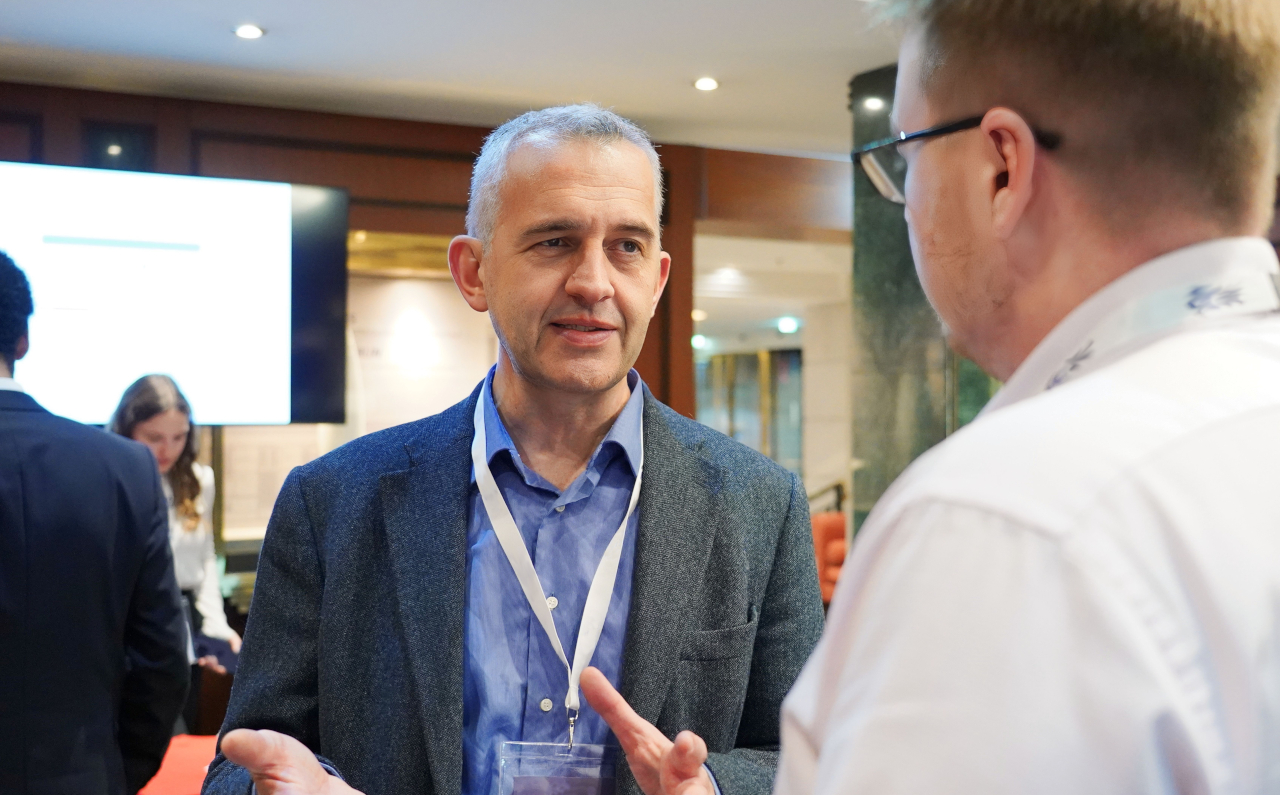 Navigating the Future: Expert Insights in Project Management & Digital Transformation
Location: Switzerland Fees: Depends on scope and publication.
Service Type: Service Offered
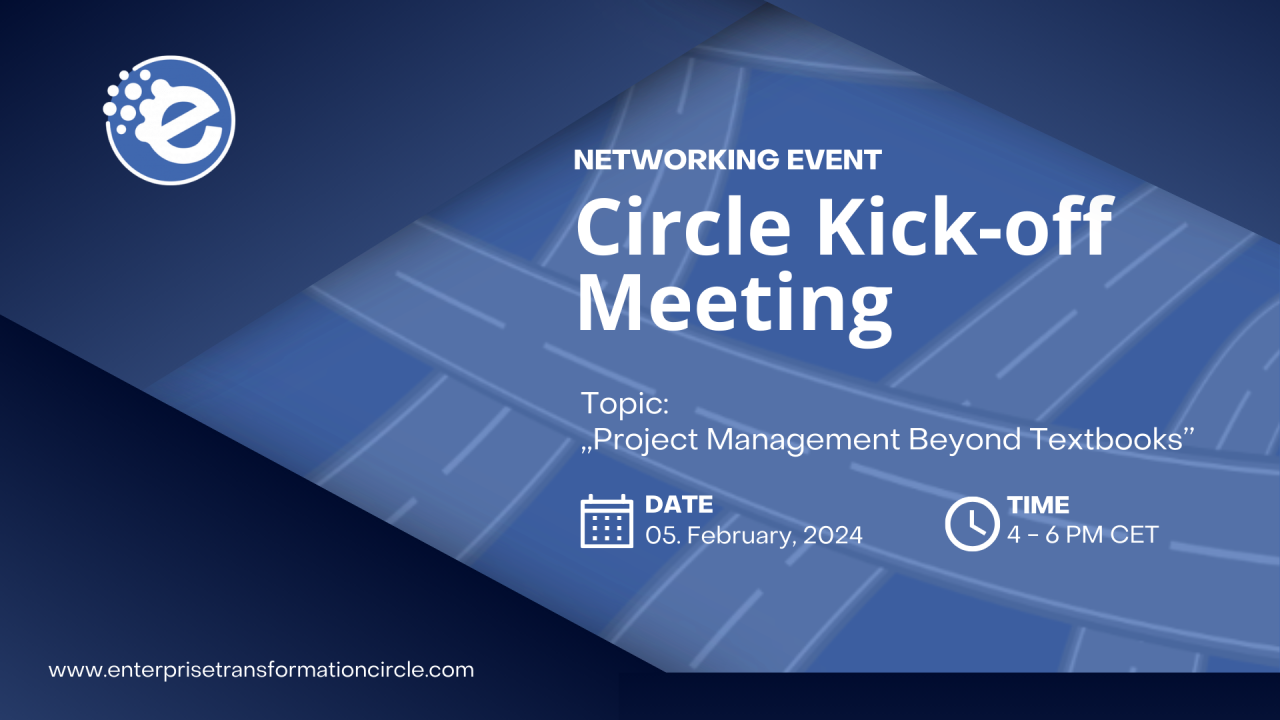 Project Management Beyond Textbooks
Location: https://enterprisetransformationcircle.com/ Date : February 05, 2024 - February 05, 2024 Organizer: Enterprise Transformation Circle - EnTranCe
3 Perspectives on Digital SovereigntyDigital Sovereignty Is More Than the Choice of a ProviderThe Fear Dividend

 Top Project Management Voice