


Dr. Jonathan H. Westover is a best-selling and award-winning author and podcaster, a TopVoice in HR, Innovation, Leadership, Culture, Future of Work, Diversity and Inclusion, Change Management, and Education (Thinkers360), ranked Top 30 in Organizational Culture and Management (Global Gurus), in the Top 200 Biggest Voices in Leadership (LeadersHum), and ScholarGPS ranks him the #16 scholar in the world for job satisfaction research. Jonathan is an educational evangelist, a philanthropist, an angel investor, and an entrepreneur. He is founder and CEO of Human Capital Innovations, the host/producer of multiple shows on the HCI Podcast Network, Chief Academic and Learning Officer of the HCI Academy, and Managing Editor of the Human Capital Leadership Review. As an OD/HR/Leadership consultant, he has worked with organizations across the globe.
Current Professional Roles
Academic: Jonathan is Associate Dean and Director of HR undergrad and graduate academic programs at WGU. Additionally, he is a doctoral faculty at the University of Arizona Global Campus and part of the Interdisciplinary Leadership Studies graduate program at Creighton University. Previously, he was Chair and Professor of Organizational Leadership and Change at UVU, Academic Director of the Center for Social Impact, Director of Academic Service-Learning in the Innovation Academy, and Industry Impact Fellow in the Women in Business Impact Lab. Dr. Westover has been published widely in academic journals, books, and practitioner publications. He is an affiliate faculty member in the MBA, MPA, and Integrated Studies programs at UVU and he is a regular visiting faculty member in other international graduate business programs.
Consulting: Jonathan is an experienced organizational leadership, people management, and organizational development consultant (Founder and CEO at Human Capital Innovations). For two decades, he has worked to help transform organizations across the globe. He is also the producer and host of the Human Capital Innovations (HCI) Podcast and Managing Editor of Human Capital Leadership Magazine. Previously, Jonathan was an external consultant with the firm Targeted Learning, and an internal consultant in the Human Resource Development office at Brigham Young University, in the corporate Organizational Development office at InterContinental Hotels, and in the corporate Organizational Development office at LG Electronics in Gumi, South Korea.
Thought Leadership: Jonathan is a member of the Harvard Business Review Advusory Council, the Forbes Coaches Council, a Non-Resident Fellow in Social and Development Policy with the Nkafu Policy Institute (part of the Denis & Lenora Foretia Foundation), member of the HR Certification Institute CEO Advisory Council and past member of the board of directors, member of the Humantelligence Scientific Advisory, Board Chair and Director of the Corporate Division of the Global Listening Centre, a CIPD Academic Fellow, and an Advance HE Senior Fellow. Jonathan has been published widely and quoted as a management expert in popular and professional media locally, nationally, and abroad (such as Forbes, The Economist, U.S. News and World Report, The Wall Street Journal, MSNBC, PBS, NBC, CBS, ABC, FOX, MarketWatch, HR.com, SHRM.org, HRCI.org, The Washington Post, and USA Today).
Highlights of Past Academic and Professional Roles and Distinctions
• Visiting Academic at Harris Manchester College at the University of Oxford (2019)
• Fulbright Scholar and AMINEF Senior Scholar at Atma Jaya Catholic University in Jakarta, Indonesia (2018)
• Educational Development Visiting Fellow at the Centre for Teaching and Learning at the University of Windsor in Ontario, Canada (2018)
• Learning Innovation Research Fellow at the Institute of Teaching and Learning Innovation at the University of Queensland in Brisbane, Australia (2017)
• Visiting Scholar at the East-West Center in Washington (2017)
• POSCO Fellow at the East-West Center in Honolulu, Hawaii (2016)
• Visiting Scholar in the Kennan Institute at the Wilson Center in Washington, D.C. (2015)
• Fulbright Scholar at Belarusian State University in Minsk, Belarus (2012)
Education
Jonathan received his Bachelor of Science degree in Sociology: Research and Analysis (with minors in management and Korean) from the College of Family, Home, and Social Sciences and his Master of Public Administration degree (emphases in Organizational Behavior and Human Resource Management) from the Marriott School of Management at Brigham Young University. He received his Ph.D. in Sociology (emphases in International Political Economy and Work and Organizations) from the College of Social and Behavioral Science at the University of Utah. He has also received graduate certificates in demography and higher education teaching from the University of Utah.
Available For: Advising, Authoring, Consulting, Influencing, Speaking
Travels From: Orem, Utah
Speaking Topics: Leadership, Organizational Culture, HR
| Jonathan H. Westover, PhD | Points |
|---|---|
| Academic | 195 |
| Author | 5724 |
| Influencer | 363 |
| Speaker | 165 |
| Entrepreneur | 205 |
| Total | 6652 |
Points based upon Thinkers360 patent-pending algorithm.

Tags: Change Management, Diversity and Inclusion, Leadership
Tags: HR, Innovation, Leadership
Tags: HR, Innovation, Leadership
Tags: HR, Innovation, Leadership
Tags: HR, Innovation, Leadership
Tags: HR, Innovation, Leadership
Tags: HR, Innovation, Leadership
Tags: HR, Innovation, Leadership
Tags: Change Management
Tags: Change Management
Tags: Change Management
Tags: Change Management
 Vol. 3 Issue 32: Trust In Leadership: Adopting The Informed Trust Model
Tags: Culture, Future of Work, Leadership
 Vol. 3 Issue 31: Shifting Your Mindset for Career Success
Tags: Culture, Future of Work, Leadership
 Vol. 3 Issue 29: The Future Of Employee Experience
Tags: Culture, Future of Work, Leadership
 Vol. 3 Issue 28: Accessing the Unused Human Capacity in Your Organization
Tags: Culture, Future of Work, Leadership
 Vol. 3 Issue 26: Reverse-Engineering Culture
Tags: Culture, Future of Work, Leadership
 Improving Your Listening to Develop Stronger Relationships at Work
Tags: Culture, Future of Work, Leadership
 HiBob Study Reveals 44% of Job Seekers Hesitate to Join Companies with Different Political Views
Tags: Culture, Future of Work, Leadership
 How AI and Algorithms are Reshaping Organizations and Transforming the Way We Work
Tags: Culture, Future of Work, Leadership
 How To Avoid And Counteract Gaslighting As A Leader
Tags: Culture, Future of Work, Leadership
 20 Essential Steps For New Entrepreneurs Preparing A Funding Pitch
Tags: Leadership, HR
 Speed Of Recovery: Power To Bounce Forward Faster Toward Your Goals
Tags: Leadership, HR
 Leadership And The Ethical Imperative: The Intersection With 'Do No Harm'
Tags: Leadership, HR
 Five Questions To Ask Before Assuming Leadership Of An Organization In Crisis
Tags: Leadership, HR
 3 Ways Executive Presence Can Impact Leadership Performance
Tags: Leadership, HR
 Four Ways To Turn A Speech Into A Gift
Tags: Leadership, HR
 How To Get Employees On Board With New Workplace Policies
Tags: Leadership, HR
 Maximizing Organization Success Through Team Effectiveness
Tags: Leadership, HR
 How To Deal With The ‘Sunday Scaries’
Tags: Leadership, HR
 New Year, New You: Keys To Transformative Leadership
Tags: Leadership, HR
 Harnessing Teamwork For Greater Productivity
Tags: Leadership, HR
 Why 2024 Is The Year To Build Your Personal Brand
Tags: Leadership, HR
 The Wisdom Gap: Elevating Leadership Beyond Intelligence
Tags: Leadership, HR
 20 Ways Cultivating A Personal Brand Helps Successful Senior Leaders
Tags: Leadership, HR
 The Missing Link Between Where You Are And Where You Want To Go
Tags: Leadership, HR
 Seven Steps For Meaningful Feedback To Get The Results You Want
Tags: Leadership, HR
 Vol. 4 Issue 26: Developing Leaders from Within
Tags: Culture, Future of Work, Leadership
 Vol. 4 Issue 23: Workplace Solutions - Actionable Strategies for Today's Business Challenges
Tags: Culture, Future of Work, Leadership
 Vol. 4 Issue 22: Transforming Work: Navigating AI, Diversity, and Burnout in Today's Evolving Workplace
Tags: Culture, Future of Work, Leadership
 Vol. 4 Issue 1: Maximizing Human Capital in the New Year
Tags: Culture, Future of Work, Leadership
 Vol. 3 Issue 51: Transformative Leadership - Navigating the Evolving Landscape of Work
Tags: Culture, Future of Work, Leadership
 Vol. 3 Issue 50: Elevating the Workplace: Strategies for Cultivating Purposeful, Inclusive, and High-Performing Organizations
Tags: Culture, Future of Work, Leadership
 Vol. 3 Issue 49: Cultivating Community And Connection for the Hybrid Workforce
Tags: Culture, Future of Work, Leadership
 Vol. 3 Issue 47: Inspiring Purpose: Leading People and Unlocking Human Capacity in the Workplace
Tags: Culture, Future of Work, Leadership
 Vol. 3 Issue 43: Workforce Evolution - Strategies for Adapting to Changing Human Capital Needs
Tags: Culture, Future of Work, Leadership
 Vol. 3 Issue 38: Connecting And Empathizing: A Leader's Secret Strengths
Tags: Culture, Future of Work, Leadership
 Vol. 3 Issue 37: Future-Proofing Your Leadership With Kindness and Empathy
Tags: Culture, Future of Work, Leadership
 Vol. 3 Issue 35: The Art and Science of Organizational Leadership
Tags: Culture, Future of Work, Leadership
 Vol. 3 Issue 34: Becoming Exceptional People-Centered Leaders
Tags: Culture, Future of Work, Leadership
 Vol. 3 Issue 24: Leveraging Technology in the Modern World of Work
Tags: Culture, Future of Work, Leadership
 Vol. 3 Issue 17: Bridging the Generational Divide in the Workforce
Tags: Culture, Future of Work, Leadership
 Vol. 3 Issue 15: Human-Centered Leadership
Tags: Culture, Future of Work, Leadership
 Vol. 3 Issue 14: Living a Healthy and Productive Life
Tags: Culture, Future of Work, Leadership
 Vol. 3 Issue 13: Leading with Compassion and Empathy
Tags: Culture, Future of Work, Leadership
 Vol. 3 Issue 12: Leading In Real Time
Tags: Culture, Future of Work, Leadership
 Vol. 3 Issue 11: Operationalizing Workplace Culture
Tags: Culture, Future of Work, Leadership
 Vol. 3 Issue 10: How To Create Psychological Safety and Inspire High-Performing Teams
Tags: Culture, Future of Work, Leadership
 Vol. 3 Issue 9: Leader As Healer
Tags: Culture, Future of Work, Leadership
 Vol. 3 Issue 8: Depoliticizing Diversity, Equity, Inclusion And Belonging Efforts In Organizations To Drive Greater Success
Tags: Culture, Future of Work, Leadership
 Vol. 3 Issue 7: Creating and Sustaining a High-Performance Work Culture
Tags: Culture, Future of Work, Leadership
 Vol. 3 Issue 5: Prioritizing A Culture for Employee Engagement
Tags: Culture, Future of Work, Leadership
Tags: Change Management
Tags: Change Management
 Navigating Change: Keys to Organizational Agility, Innovation, and Impact
Tags: Business Strategy, Change Management, Diversity and Inclusion
 Achieving Your Full Potential: A Multi-Dimensional Approach to Flourishing in Your Career and at Work
Tags: Business Strategy, Change Management, Diversity and Inclusion
 Championing Performance: Aligning Organizational and Employee Trust, Purpose, and Well-Being
Tags: Change Management, Diversity and Inclusion, Innovation
 Cultivating Engagement: Mastering Inclusive Leadership, Culture Change, and Data-Informed Decision Making
Tags: Change Management, Diversity and Inclusion, Innovation
Tags: Change Management, Diversity and Inclusion, Innovation
Tags: Change Management, Diversity and Inclusion, Innovation
Tags: Change Management, Diversity and Inclusion, Innovation
 The Art and Science of Organizational Leadership : Building High-Performing Cultures Through People and Innovation
Tags: Education, Future of Work, Innovation
 Vol. 3 Issue 18: Discovering Who You Are As A Leader
Tags: Culture, Future of Work, Leadership
Tags: Change Management, Diversity and Inclusion, Innovation
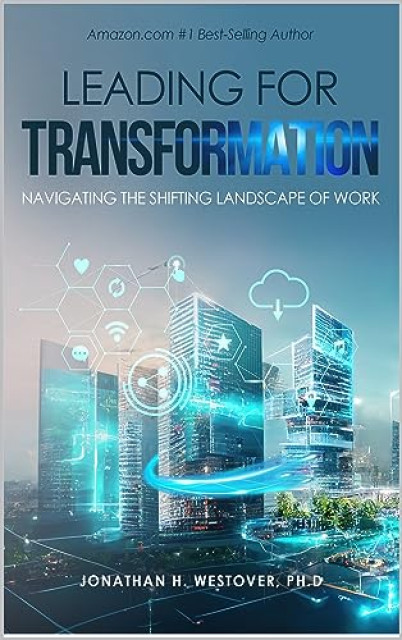 Leading for Transformation: Navigating the Shifting Landscape of Work
Tags: Management, Change Management, Diversity and Inclusion
 'Bluer than Indigo' Leadership: The Journey of Becoming a Truly Remarkable Leader
Tags: Innovation, Leadership, HR
 The Alchemy of Truly Remarkable Leadership: Ordinary, Everyday Actions that Produce Extraordinary Results
Tags: Innovation, Leadership, HR
Tags: Future of Work, HR, Innovation
Tags: Future of Work, HR, Innovation
Tags: Future of Work, HR, Innovation
Tags: HR, Innovation, Leadership
Tags: HR, Innovation, Leadership
Tags: Future of Work, HR, Innovation
Tags: HR, Innovation, Leadership
Tags: HR, Innovation, Leadership
Tags: Future of Work, HR, Innovation
Tags: HR, Innovation, Leadership
Tags: HR, Innovation, Leadership
Tags: Future of Work, HR, Innovation
Tags: Change Management
Tags: Change Management, Education
Tags: Change Management, Culture
Tags: Change Management
Tags: Change Management
Tags: Change Management
 Thinkers360 Top 5 North America Overall Thought Leader
Tags: Change Management
 Thinkers360 Top 50 Diversity and Inclusion
Tags: Diversity and Inclusion
 Thinkers360 Top 20 Change Management
Tags: Change Management
Tags: Change Management
Tags: Diversity and Inclusion
Tags: Culture
Tags: Education
Tags: Change Management
Tags: Change Management
Tags: Diversity and Inclusion
Tags: Diversity and Inclusion
Tags: Change Management
Tags: Diversity and Inclusion
 Vol. 2 Issue 7: Transformational Change and the Future Focused Leader
Tags: Innovation, HR, Change Management
 Vol. 2 Issue 6: Attracting, Retaining And Supporting Employees In The Modern World Of Work
Tags: Innovation, HR, Future of Work
 Vol. 2 Issue 5: Leveraging Mindfulness to Improve Employee Morale and Productivity
Tags: Culture, HR, Change Management
 Vol. 2 Issue 4: Investing in Worker Wellness to Drive Organizational Success
Tags: Culture, HR, Change Management
 Vol. 2 Issue 3: Leading with Consistency to Maximize Your Impact
Tags: Culture, HR, Change Management
 Vol. 2 Issue 2: Strategic People Management in the New Year
Tags: Culture, HR, Change Management
 Vol. 2 Issue 1: Supporting Holistic Worker Well-Being In Your Organization
Tags: Culture, HR, Change Management
 Vol. 1 Issue 52: HCI Best of 2022 Recap
Tags: Culture, HR, Change Management
 Vol. 1 Issue 51: The Shifting Global Landscape of HR and People Leadership
Tags: Culture, HR, Change Management
 Vol. 1 Issue 50: How Leaders Can Adapt to the Shifting Psychological Contract To Improve The Employee Experience
Tags: Culture, HR, Change Management
 Vol. 1 Issue 49: Creating and Sustaining High Performance Teams
Tags: Culture, HR, Change Management
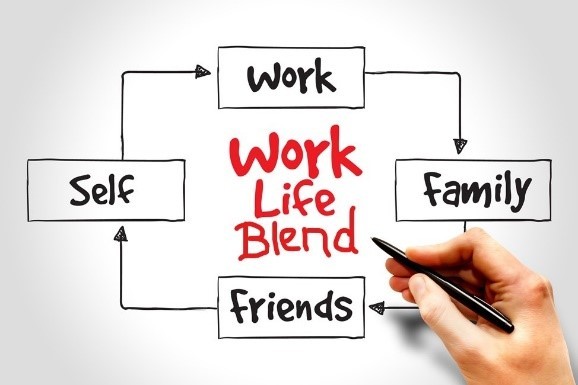 Vol. 1 Issue 48: Seeking Better Work-Life Blend in the Future of Work
Tags: Culture, HR, Change Management
 Vol. 1 Issue 47: The Future of Human Capital Management
Tags: Culture, HR, Change Management
 Vol. 1 Issue 46: Considerations for the Future of Business, Society, and The Planet
Tags: Culture, HR, Change Management
 Vol 1. Issue 45: How Leaders Can Respond In The Face Of An Economic Downturn
Tags: Culture, HR, Change Management
 Vol. 1 Issue 44: The Shifting Psychological Contract at Work and the Impacts on Employee Engagement
Tags: Culture, HR, Change Management
 Vol. Issue 43: Staying Curious to Continually Reskill and Upskill Your Workforce
Tags: Culture, HR, Change Management
 Vol. 1 Issue 42: Modeling Continual Learning and Improvement as a Leader
Tags: Culture, HR, Change Management
Vol. Issue 41: Attracting, Retaining, and Supporting Employees in the Modern World of Work
Tags: Culture, HR, Change Management
 Vol. 1 Issue 40: Leadership Strategies to Encourage Team Development and Engagement
Tags: Culture, HR, Change Management
 Vol. 1 Issue 39: Embracing the Human Connection and Leading with Meaning
Tags: Innovation, HR, Future of Work
 Vol. 1 Issue 38: Unleashing the Human Element at Work
Tags: Culture, HR, Change Management
 Vol. 1 Issue 37: Building Innovation Teams for the Future of Work
Tags: Culture, HR, Change Management
 Vol 1 Issue 36: Adaptive Organization Design and the Future of Work
Tags: Culture, HR, Change Management
 Vol. 1 Issue 35: Nurturing the Next Generation of Leaders
Tags: Culture, HR, Change Management
 The Perceived Value of Using a Team Charter in Business Education
Tags: Management, Leadership, Business Strategy
 18 Coaches Share Their Special Q1 Goals And Projects
Tags: Innovation, Leadership, HR
 Changes 15 Coaching Pros Plan To Make In Their Practices In 2023
Tags: Innovation, Leadership, HR
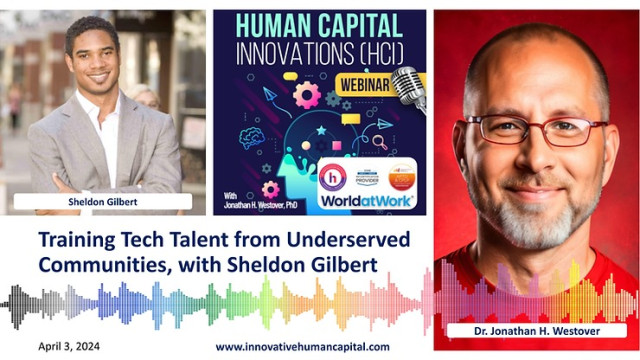 HCI Webinar: Training Tech Talent from Underserved Communities, with Sheldon Gilbert
Tags: Culture, Future of Work, Leadership
 HCI Webinar: It’s Just a Thought: Emotional Freedom through Deliberate Thinking, with Thomas M. Sterner
Tags: Culture, Future of Work, Leadership
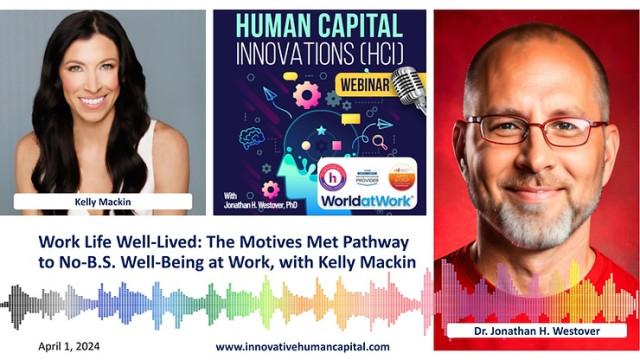 HCI Webinar: Work Life Well-Lived: The Motives Met Pathway to No-B.S. Well-Being at Work, with Kelly Mackin
Tags: Culture, Future of Work, Leadership
 S46E7 - Throwback Thursday - Creating an Organizational Culture of Openness, Safety and Transparency, T. Reneé Smith
Tags: Leadership, Culture, Future of Work
 S46E6 - The Two Rules of Leadership and the Three Secrets of High-Performing Teams, with Peter Anderton
Tags: Leadership, Culture, Future of Work
Tags: Leadership, Culture, Future of Work
Tags: Leadership, Culture, Future of Work
Tags: Leadership, Culture, Future of Work
Tags: Leadership, Culture, Future of Work
 S46E1 - How Will A.I. Technology Affect the Workplace?
Tags: Leadership, Culture, Future of Work
 S45E30 - How to Automate Your Expertise, with Stefan Debois
Tags: Leadership, Culture, Future of Work
Tags: Leadership, Culture, Future of Work
Tags: Leadership, Culture, Future of Work
Tags: Leadership, Culture, Future of Work
Tags: Leadership, Culture, Future of Work
Tags: Leadership, Culture, Future of Work
Tags: Leadership, Culture, Future of Work
Tags: Leadership, Culture, Future of Work
Tags: Leadership, Culture, Future of Work
Tags: Leadership, Culture, Future of Work
Tags: Leadership, Culture, Future of Work
Tags: Leadership, Culture, Future of Work
Tags: Leadership, Culture, Future of Work
Tags: Leadership, Culture, Future of Work
Tags: Leadership, Culture, Future of Work
Tags: HR, Innovation, Leadership
Tags: Change Management
Tags: Change Management

Tags: Leadership, Culture, Future of Work

Tags: Leadership, Culture, Future of Work
Tags: Leadership, Culture, Future of Work

Tags: Leadership, Culture, Future of Work

Tags: Leadership, Culture, Future of Work

Tags: Leadership, Culture, Future of Work

Tags: Leadership, Culture, Future of Work

Tags: Leadership, Culture, Future of Work

Tags: Leadership, Culture, Future of Work

Tags: Leadership, Culture, Future of Work

Tags: Leadership, Culture, Future of Work

Tags: Leadership, Culture, Future of Work

Tags: Leadership, Culture, Future of Work

Tags: Leadership, Culture, Future of Work

Tags: Leadership, Culture, Future of Work

Tags: Leadership, Culture, Future of Work

Tags: Leadership, Culture, Future of Work

Tags: Leadership, Culture, Future of Work

Tags: Leadership, Culture, Future of Work

Tags: Leadership, Culture, Future of Work

Tags: Leadership, Culture, Future of Work

Tags: Leadership, Culture, Future of Work

Tags: Leadership, Culture, Future of Work

Tags: Leadership, Culture, Future of Work

Tags: Leadership, Culture, Future of Work


Tags: Culture




Tags: HR, Innovation, Leadership

Tags: HR, Innovation, Leadership


Tags: Culture


 Designing Meaningful Work During COVID-19: Implications for Managers and the Future of Work
Tags: Future of Work, HR, Leadership
 Innovative Learning: Utilizing Service-Learning Projects in an Online Management Class
Tags: Future of Work, HR, Leadership

Tags: Innovation, Leadership, Retail

Tags: Innovation, Leadership, Retail

Date : March 18, 2023
Date : March 18, 2023
Date : March 18, 2023
Date : November 30, 2023
Date : February 13, 2023
Date : February 12, 2023
Date : February 12, 2023
Date : February 12, 2023
Date : November 07, 2022
Date : October 19, 2021
 Innovative Uses of Technology in HR and Workplace Culture
Innovative uses of technology in HR/workplace culture have become increasingly prevalent in recent years, as technology continues to shape and transform the modern workplace. There are several examples of technology being utilized to enhance workplace culture and improve HR practices.
One innovative use of technology in workplace culture is the use of software like CultureX, which can measure and improve workplace culture to create a less toxic environment, increase employee work-life balance, and decrease burnout levels. This type of software can help organizations to identify areas for improvement and develop strategies for addressing workplace issues.
Another way that technology is impacting workplace culture is through the definition of the employee experience. As hybrid work becomes more prevalent, traditional in-office perks are becoming less important, and technology is playing a larger role in shaping the employee experience. This means that organizations need to pay attention to the technology they provide to their employees and ensure that it supports their needs and helps them to be productive.
Technology is also being used to enhance HR practices, such as workforce management, recruiting, and productivity of remote workers. For example, organizations can use software to track employee performance, automate administrative tasks, and analyze data to make informed HR decisions.
In addition, core HR and recruitment technology solutions, including AI and machine learning, can address diversity, equity, and inclusion (DE&I) issues. AI-based software platforms can be both data-driven and taught to ignore biases, thus helping to ensure that the hiring process is fair and equitable.
Finally, technology is transforming the future of work and reshaping the workforce through innovations like 5G. As technology continues to advance, it is likely that we will see more innovative uses of technology in HR and workplace culture.
Here are five practical tips for leaders who want to implement innovative uses of technology in HR/workplace culture:
1. Start with a clear strategy: Before implementing any technology, it's important to have a clear strategy that outlines the goals, objectives, and expected outcomes of the technology. This will ensure that the technology is aligned with the organization's goals and values.
2. Involve employees in the process: Involve employees in the process of selecting and implementing technology. This will help to ensure that the technology meets their needs and that they are comfortable using it.
3. Provide training and support: It's important to provide training and support for employees who will be using the technology. This will help to ensure that they can use it effectively and that they feel confident in their ability to do so.
4 Monitor and evaluate: Monitor and evaluate the effectiveness of the technology over time. This will help to identify any areas for improvement and ensure that the technology is meeting the organization's goals.
5. Be open to feedback and adjust as needed: Be open to feedback from employees and make adjustments as needed. This will help to ensure that the technology continues to meet the needs of the organization and its employees.
By following these practical tips, leaders can successfully implement innovative uses of technology in HR/workplace culture and help to create a more productive, engaged, and inclusive workplace.
Tags: Change Management, Coaching, Management
 How Can Leaders Equip Organizations/Companies for DEI Success?
Diversity, equity, and inclusion (DEI) efforts are crucial for organizations because they offer many benefits such as improving employee morale, increasing innovation, and reducing turnover rates. DEI initiatives are also important to the values of the organization and can improve brand reputation. Here are some key points from the provided web search results:
Firstly, DEI initiatives should be infused into every part of the business and it is the responsibility of the company executives and leaders to drive these efforts. Organizations have the power to create flexible work environments, recruit diverse teams, train employees to identify and prevent internal discrimination, and offer everyone equal opportunities at work. As a result of these efforts, organizations will experience supplementary benefits.
Furthermore, organizations can take an active role in embedding DEI learning into the heart of business operations and culture by making three important shifts: from unconscious bias training to a DEI learning strategy, from DEI awareness to DEI fluency, and from individual compliance to personal action and systemic change.
In addition to these points, understanding DEI terminology is also important to organizations. Diversity is defined as the presence of differences within a given setting, which includes gender identity, race, ethnicity, religion, nationality, communities, sexual orientation, place of practice, and practice type. An organization creates a diverse workforce by recruiting employees from different backgrounds. Equity means treating everyone fairly and providing them with the resources and opportunities they need to succeed. Inclusion is the act of creating an environment where everyone feels welcomed and valued for their unique differences.
Finally, to effectively track inclusion, organizations must measure employee sentiment with a considered definition of inclusion, ensuring the organization can act fast on the results. In summary, DEI efforts are crucial to organizations because they create a fair and inclusive environment where employees can feel valued and empowered, leading to increased productivity and innovation.
What Can Leaders Do?
To equip organizations/companies for success in the area of Diversity, Equity, and Inclusion (DEI), there are several strategies that can be implemented.
One approach is to align DEI initiatives with organizational goals using metrics, benchmarks, and milestones. This helps to ensure that progress is reported, monitored, and celebrated. Additionally, requiring leaders and managers to participate in behavior-based DEI trainings can be effective, as it helps to create a culture of inclusivity and promotes understanding of diverse perspectives.
Another strategy is to make space for employee voices and actively listen to their experiences and suggestions for improving DEI within the organization. This can involve acknowledging the need for change, unlearning biases, and creating safe spaces for dialogue.
Moreover, talent management and HR can play a crucial role in promoting DEI by communicating expectations around the importance of the above strategies to managers, mentors, and sponsors. They can also provide access to DEI training, resources, and tools and analyze talent practices to identify any biases or barriers to diversity and inclusivity within the organization.
Ultimately, creating a successful DEI program requires a commitment to ongoing learning and growth, as well as a willingness to listen, adapt, and make changes as needed.
Tags: Change Management, Coaching, Management
 How Can Leaders Facilitate Continuous Learning/Development in the Workplace
Facilitating continuous learning and development in the workplace is essential for maintaining a competitive edge in today's rapidly evolving business environment. Here are some key strategies that leaders can employ to foster a culture of continuous learning and development within their organizations.
First, leaders must recognize that occupying a leadership position is not the same as leading. To truly lead, leaders must be able to connect, motivate, and inspire a sense of ownership of shared objectives among their team members. This is particularly important when it comes to promoting a culture of continuous learning, as team members must feel motivated and empowered to take on new challenges and acquire new skills.
One common obstacle to continuous learning is scope naivete, which refers to the tendency for leaders to underestimate the amount of work required to achieve transformational change within an organization. To avoid this pitfall, leaders must be realistic about the time and resources required to implement learning and development initiatives, and must communicate these requirements clearly to team members.
Another key strategy for promoting continuous learning is to take a multipronged approach. This involves providing transparent and multidimensional development opportunities, and engaging in ongoing conversations with business leaders to understand the organization's learning needs and develop paths for continuous learning.
By taking this approach, leaders can ensure that learning initiatives are aligned with the organization's goals and are tailored to meet the specific needs of individual team members.
To ensure that continuous learning initiatives remain effective over time, leaders should also seek out feedback from team members and use this feedback to refine and improve their learning programs. This could involve using surveys or other feedback mechanisms to gather input on the effectiveness of specific learning initiatives, as well as soliciting suggestions for new learning opportunities that could be implemented in the future.
Finally, it's important for leaders to recognize the power of consolidation when it comes to promoting continuous learning. This involves connecting workflows and facilitating the flow of information within the organization, in order to ensure that team members have rapid access to accurate information that can help them stay ahead of business needs.
By using technology and other tools to facilitate communication and collaboration among team members, leaders can create a culture of continuous learning that is both effective and sustainable over the long term.
Tags: Change Management, Coaching, Management
 How will ChatGPT Impact Talent Acquisition in 2023
In recent years, the use of AI and chatbots in talent acquisition has been growing. AI-powered chatbots can help streamline the recruitment process by automating repetitive tasks, such as scheduling interviews, answering candidate questions, and pre-screening applicants. This allows HR teams to focus on more strategic and high-value tasks, such as candidate engagement and relationship building.
Additionally, AI-powered language models like ChatGPT can be integrated into the recruitment process to provide personalized and informative responses to candidate queries in real-time. This can improve the candidate experience, increase the speed of the recruitment process, and provide valuable data insights for HR teams to improve their recruitment strategies.
While AI and chatbots have the potential to greatly improve the talent acquisition process, it's important to note that they should be used as a supplement, not a replacement, for human interaction. HR teams should still play a key role in the recruitment process, using AI to support and enhance their efforts, rather than relying solely on technology.
Overall, it's expected that the impact of AI and language models like ChatGPT on talent acquisition will continue to grow in 2023 and beyond, as more and more organizations adopt these technologies to improve the efficiency and effectiveness of their recruitment processes.
Recommendations for Organizational Leaders
Here are some suggestions for organizational leaders to consider:
Assess the needs of your organization: Before implementing AI and chatbots in talent acquisition, it's important to assess your organization's specific needs and goals. Determine what tasks can be automated, and which tasks still require human interaction.
Enhance, don't replace, human interaction: AI and chatbots can be powerful tools in the recruitment process, but they should be used to enhance, not replace, human interaction. HR teams should still play a crucial role in the recruitment process, using AI to support and improve their efforts.
Focus on candidate experience: AI and chatbots can help improve the candidate experience by providing personalized and informative responses in real-time. This can enhance the reputation of your organization as an employer, and improve the chances of attracting top talent.
Data-driven decision making: AI and chatbots can provide valuable data insights into the recruitment process. Use this data to make informed decisions about your recruitment strategies, and continuously improve the efficiency and effectiveness of your recruitment process.
Ensure ethical and inclusive use: AI and chatbots should be used in an ethical and inclusive manner. Ensure that your technology is free from bias and discrimination, and that all candidates are treated fairly and equitably throughout the recruitment process.
Continuously evaluate and improve: As with any technology, the use of AI and chatbots in talent acquisition should be continuously evaluated and improved. Regularly assess the impact of AI on your recruitment process, and make necessary adjustments to ensure it continues to support your organization's goals and objectives.
These are just a few recommendations for organizational leaders to consider when implementing AI and chatbots in talent acquisition. The use of AI and chatbots has the potential to greatly improve the efficiency and effectiveness of the recruitment process, but it's important to use these technologies in a responsible and strategic manner.
Tags: Change Management, Generative AI, HR
 Predictions for the use of ChatGPT in the HR Space in 2023
Based on trends and developments in the field of HR technology, it is likely that Chat GPT will continue to be adopted in HR and recruitment applications in 2023 and beyond. Some potential use cases for Chat GPT in HR include:
Chatbots for recruitment: Companies could use chatbots powered by Chat GPT to answer candidate's questions and guide them through the recruitment process, streamlining the experience for both candidates and recruiters.
Employee engagement and support: Chat GPT can be used to provide employees with instant support and answers to HR-related questions, improving their experience and helping to drive employee engagement.
Performance management: Chat GPT could assist HR teams in conducting performance reviews by providing relevant information and helping to facilitate conversations between managers and employees.
Diversity, equity and inclusion: Chat GPT could be used to provide employees with information and support related to diversity, equity and inclusion initiatives, helping companies to build more inclusive work environments.
It's important to note that the use of Chat GPT in HR will depend on the specific needs of individual companies and the adoption of HR technology more broadly. However, given the potential benefits for HR teams and employees, it's likely that Chat GPT will continue to play an important role in the HR space in 2023 and beyond.
Recommendations for Leaders
Based on the potential benefits and uses of Chat GPT in HR, I would recommend the following to organizational leaders:
Consider investing in HR technology: As HR technology continues to advance, it's important for organizations to keep up and consider investing in new tools and solutions. Chat GPT can provide organizations with a range of benefits and can help to streamline HR processes, improve employee engagement and support, and drive diversity, equity and inclusion initiatives.
Embrace AI in HR: Organizations that are not yet using AI in HR should consider how it can be integrated into their processes and strategy. AI, including Chat GPT, can help to automate HR tasks and provide employees with instant support and answers to their questions.
Take a data-driven approach: As with any new technology, it's important to measure the effectiveness of Chat GPT and HR technology more broadly. Organizations should gather data on the impact of these tools on HR processes and employee experience, and adjust their strategy accordingly.
Foster a culture of innovation: Finally, organizations should encourage a culture of innovation and embrace new ideas and technologies, including Chat GPT, to improve HR processes and drive positive outcomes for both employees and the organization.
By taking these steps, organizations can take advantage of the benefits of Chat GPT and other HR technologies, and drive positive outcomes for their employees and the organization as a whole.
Tags: HR, Change Management, Generative AI
 How ChatGPT Will Impact Learning and Development in 2023
It's likely that chatbots like ChatGPT will continue to play a significant role in learning and development in 2023 and beyond. There are a few ways in which chatbots can impact this field:
Personalized learning: Chatbots can provide personalized learning experiences by adapting to an individual's learning pace and style. For example, a chatbot can provide customized explanations, practice problems, and feedback based on a student's performance.
Accessibility: Chatbots can provide learning opportunities to individuals who may not have access to traditional education resources. For example, a chatbot can provide educational content and assessments in remote or underserved areas.
Scalability: Chatbots can scale educational resources to meet the needs of large numbers of students. For example, a chatbot can provide individualized feedback and support to thousands of students simultaneously, which would be difficult for a human teacher to do.
Continuous learning: Chatbots can support continuous learning by providing just-in-time information and resources to learners. For example, a chatbot can provide information and resources to help someone who is looking to upskill or reskill in a specific area.
However, it's important to note that chatbots like ChatGPT are not meant to replace human teachers or educators, but rather to complement and enhance their efforts in providing educational resources to students.
Recommendations for Learning and Development Professionals
Based on the impact that chatbots like ChatGPT can have on learning and development, I would recommend the following for learning and development professionals:
Embrace technology: Learning and development professionals should embrace technology and explore how chatbots can be leveraged to enhance the learning experience. This can include incorporating chatbots into existing learning programs or developing new programs specifically designed for chatbot use.
Personalize learning: Utilize chatbots to provide personalized learning experiences to students. Chatbots can help to tailor the learning experience to each student's needs and preferences.
Enhance accessibility: Use chatbots to enhance accessibility to learning resources for individuals who may not have access to traditional education resources. This can include individuals in remote or underserved areas, as well as those with disabilities or who are otherwise marginalized.
Foster continuous learning: Chatbots can help to support continuous learning by providing just-in-time information and resources to learners. Learning and development professionals should take advantage of this by developing programs that support lifelong learning and professional development.
Collaborate with technology experts: To effectively leverage chatbots, it's important for learning and development professionals to collaborate with technology experts who have expertise in artificial intelligence, natural language processing, and other related technologies.
By embracing technology and taking advantage of the benefits that chatbots can provide, learning and development professionals can help to enhance the learning experience for their students and create opportunities for continuous learning and professional development.
Tags: Change Management, Generative AI, HR
 How ChatGPT Will Impact Higher Education in 2023
While it is difficult to predict the exact impact that ChatGPT will have on higher education in 2023, it is clear that various disruptive technologies (including AI) continue to evolve rapidly and bring about changes in many industries. Here are a few ways in which ChatGPT could potentially impact higher education in 2023 and beyond:
Improved accessibility: ChatGPT and other language models could be used to create virtual tutors, providing students with 24/7 access to educational resources and support. This could be particularly useful for students in remote or underserved areas.
Personalized learning: ChatGPT can be trained on large amounts of data and fine-tuned to specific subjects, making it possible to provide personalized education to each student based on their abilities, interests, and needs.
Automated assessment and grading: ChatGPT could be used to automate the grading of assignments, freeing up teachers' time and allowing them to focus on more meaningful tasks such as providing feedback and supporting students.
Supplementing human teachers: ChatGPT could be used to augment the role of human teachers, providing additional resources and support to students outside of class time.
Research and data analysis: In fields such as science and engineering, ChatGPT could be used to assist with research and data analysis, helping students to more efficiently process and understand complex information.
It's important to note that these potential impacts are not guaranteed and that technology can have unintended consequences as well. Additionally, it will likely take some time for these technologies to be fully integrated into the education system and for their full impact to be realized.
Recommendations for Higher Ed Leaders
Given the potential impact of ChatGPT on higher education, I would recommend that organizational leaders consider the following actions:
Invest in technology: To fully realize the potential of ChatGPT and other AI technologies in education, it is important for organizations to invest in the necessary infrastructure and resources to support their implementation and integration into the education system.
Develop a strategy: Organizations should develop a comprehensive strategy for incorporating ChatGPT and other AI technologies into their education programs. This should include a clear understanding of the goals and objectives of the technology, as well as a plan for implementation and evaluation.
Foster collaboration: Implementing ChatGPT and other AI technologies in education will require collaboration between multiple stakeholders, including educators, students, technology experts, and administrators. Organizations should work to foster these relationships and ensure that everyone is on the same page regarding the goals and objectives of the technology.
Focus on ethics and transparency: The use of ChatGPT and other AI technologies raises important ethical and transparency issues, such as data privacy and algorithmic bias. Organizations should have clear policies in place to address these issues and ensure that their use of the technology is in line with ethical and legal standards.
Continuously evaluate and improve: The impact of ChatGPT and other AI technologies on higher education will likely evolve over time, and organizations should continuously evaluate their use and make improvements as necessary. This may include updating their implementation strategy, training educators, and making changes to the technology itself to better meet the needs of students and the education system.
Overall, it is important for higher ed leaders and teachers to approach the implementation of ChatGPT and other AI technologies in education with caution and to be proactive in addressing potential challenges and ethical considerations. By taking these steps, they can help to ensure that these technologies are used effectively to improve education and support students.
Tags: HR, Change Management, Generative AI
Location: Orem, Utah, USA Fees: 10000
Service Type: Service Offered













 Thinkers360 # 1 Culture
 Thinkers360 #1 Future of Work
 Thinkers360 #1 HR
 Thinkers360 Top 5 Innovation
 Thinkers360 #1 Leadership
 Thinkers360 Top 10 Payroll
 Thinkers360 Top 100 Retail
 Thinkers360 Top 100 Generative AI