Oct23

Top 10 Leadership and Management links of the week, curated by Corix Partners Founder and CEO JC Gaillard, focusing on cyber security of course, but also a large cross section of subjects including digital transformation, emerging tech, AI governance and the future of work.
This Week >> Cybersecurity and AI are exposing the same fundamental weakness: Technology is advancing faster than the organizations responsible for managing it.
- CISOs face growing complexity, fragmented accountability and persistent execution challenges
- Quantum debt is accumulating while business readiness lags
- Converging digital risks are challenging established governance models
- AI investment must translate into measurable business value
- AI agents demand stronger enterprise governance and global accountability
- CIOs must move beyond delivering systems to driving business outcomes
- CEOs cannot delegate their fundamental strategic responsibilities
The common thread? The next phase of cybersecurity and AI transformation will not be won through technology alone. It will depend on leadership capable of aligning strategy, governance, operating models and execution around genuine business protection and sustainable value creation.
The most pressing challenges facing CISOs are rooted in organizational complexity, fragmented accountability, competing business priorities and the difficulty of translating cybersecurity strategy into consistent execution, rather than simply keeping pace with emerging threats.
Organizations are accumulating long-term cryptographic exposure by postponing post-quantum migration, turning today's lack of preparation into a growing business risk that will become increasingly difficult and expensive to address.
Controlling shadow AI requires a coordinated combination of visibility, governance, employee engagement and accessible approved alternatives, rather than relying on restrictive policies or technical blocking alone.
https://www.computerworld.com/article/4229136/best-way-to-tame-shadow-ai-is-to-combine-tactics.html
As cybersecurity, AI, third-party dependencies and other digital risks become increasingly interconnected, traditional siloed governance structures are proving inadequate to manage the resulting complexity and systemic exposure.
The economic value of AI depends on the characteristics of the work being transformed, meaning organizations must assess where automation genuinely improves productivity and costs rather than assuming that applying AI to existing tasks automatically creates value.
Effective AI governance requires organizations to move beyond high-level policies toward practical, enterprise-wide controls covering accountability, risk assessment, data quality, transparency and continuous monitoring throughout the AI lifecycle.
https://www.dataversity.net/articles/ai-governance-best-practices/
As autonomous agents move from generating information to executing consequential actions, governance must shift toward continuous oversight, clearly defined permissions, traceable decisions and explicit human accountability, supported by internationally interoperable standards.
https://www.brookings.edu/articles/shaping-global-governance-of-ai-agents/
With employees adopting AI through personal accounts and unapproved services faster than corporate governance can respond, CIOs must move beyond traditional technology controls toward understanding employee behavior and making secure AI adoption easier than circumventing policy.
The CIO's contribution to enterprise success is increasingly measured by the business outcomes technology enables, requiring a shift from delivering systems and managing infrastructure toward transforming processes, organizational capabilities and value creation.
https://www.cio.inc/blogs/cio-no-longer-paid-to-deliver-systems-p-4220
Although strategy development is a collective effort, CEOs must personally own the value-creation thesis, make difficult resource-allocation decisions, set the strategic pace and sustain organizational transformation because these responsibilities cannot be delegated without weakening execution.
Corix Partners is a Boutique Management Consultancy Firm and Thought-Leadership Platform, focused on assisting CIOs and other C-level executives in resolving Cyber Security Strategy, Organisation & Governance challenges.
Our Founder and CEO JC Gaillard is is a leading strategic advisor and a globally-recognised cybersecurity thought-leader with over 25 years of experience developed in several financial institutions in the UK and continental Europe, and a track-record at driving fundamental change in the security field across global organisations, looking beyond the technical horizon into strategy, governance, culture, and the real dynamics of business transformation.
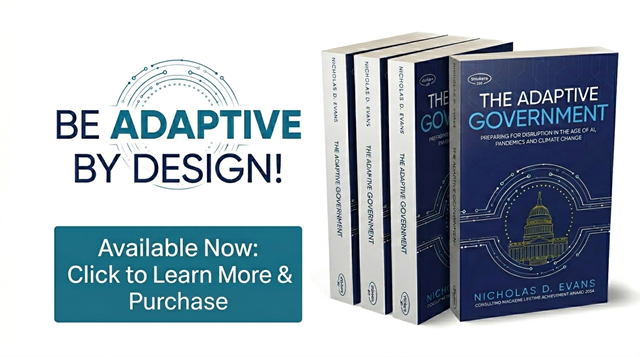
He is the author of:
Keywords: Cybersecurity, GRC, Leadership
The Corix Partners Friday Reading List - October 23, 2026 RIFLESSIONE SU AI, TECNOLOGIA E PERSONE
 2027 Predictions for Cybersecurity: The Agent Is the New Insider
 FROM THE AISLE Field Notes on AI Implementation
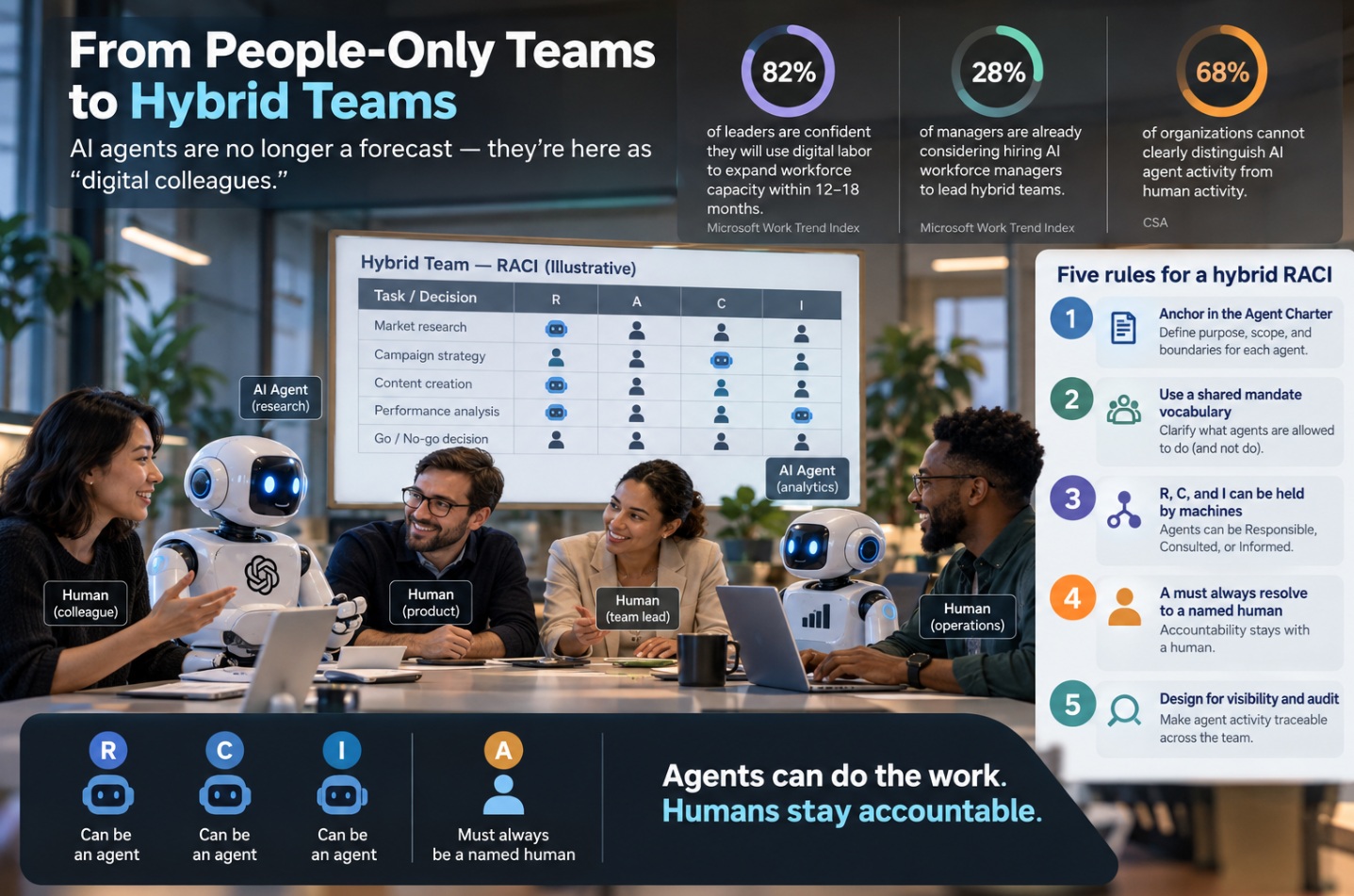 The Hybrid Team: Rethinking RACI When Some of Your Team Members Are Machines