Oct03

Top 10 Leadership and Management links of the week, curated by Corix Partners Founder and CEO JC Gaillard, focusing on cyber security of course, but also a large cross section of subjects including digital transformation, emerging tech, AI governance and the future of work.
This Week >> The technology landscape is becoming the cyber risk landscape — and organizational readiness is struggling to keep pace.
- Every major tech trend now carries a cybersecurity dimension
- Trust itself is becoming an attack surface
- “Rogue AI” often points back to human failures of containment and governance
- Autonomous attacks are blurring lines of legal accountability
- Agentic AI could transform workflows — if strategy comes before tools
- Cloud concentration is putting resilience back on the executive agenda
The common thread? Technology is accelerating interdependency faster than organizations are strengthening governance and resilience. Trust, accountability and execution are becoming the real foundations of digital advantage.
As AI, cloud, advanced computing and other frontier technologies become embedded across the enterprise, cybersecurity can no longer be treated as a separate technology discipline because every major technology decision increasingly carries cyber implications.
https://www.secureworld.io/industry-news/tech-trends-cyber-trends-mckinsey
Modern supply-chain attacks increasingly target the systems used to build, sign, test and distribute software, turning the mechanisms organizations rely upon to establish digital trust into an attack surface themselves.
The greatest constraint on cyber defense is increasingly organizational friction—procurement delays, infrastructure dependencies and competing executive priorities are leaving security teams unable to deploy controls at the speed threats are evolving.
https://www.helpnetsecurity.com/2026/09/30/relentless-defense-cisco-cybersecurity-survey/
So-called rogue AI incidents should be understood primarily as human failures to design appropriate boundaries, permissions, monitoring and containment around increasingly autonomous systems.
https://www.secureworld.io/industry-news/rogue-ai-containment-failures
When autonomous AI systems cross boundaries or cause harm without explicit human instructions, existing legal frameworks struggle to determine where responsibility lies among developers, deployers, users and the organizations operating them.
https://www.securityweek.com/autonomous-ai-hacks-raise-thorny-questions-of-legal-accountability/
Boards cannot effectively oversee AI through policies alone; meaningful assurance starts with visibility into which models, applications and agents are actually operating across the enterprise.
https://resilienceforward.com/how-can-boards-gain-confidence-in-their-organizations-ai-adoption/
Agentic AI’s biggest opportunity may lie not in accelerating individual tasks but in eliminating the costly verification, reconciliation, waiting and handoffs between them through end-to-end workflow redesign.
AI adoption and individual productivity gains do not automatically translate into enterprise value; strategic clarity, operating-model redesign and employee involvement are what turn the technology into sustainable business impact
https://www.bcg.com/publications/2026/ai-at-work-why-strategy-matters-more-than-tools
As enterprise AI use expands, governance itself is becoming an operational burden, highlighting the need for scalable governance models rather than continually adding manual oversight to already stretched leaders.
https://www.cio.com/article/4225293/ai-governance-is-fast-becoming-an-unmanageable-chore.html
Cloud resilience planning must account for physical and geopolitical disruption affecting multiple availability zones, challenging assumptions that geographic distribution within a provider automatically delivers sufficient business continuity.
https://www.infoworld.com/article/4227954/what-happens-when-the-cloud-blows-up.html
Corix Partners is a Boutique Management Consultancy Firm and Thought-Leadership Platform, focused on assisting CIOs and other C-level executives in resolving Cyber Security Strategy, Organisation & Governance challenges.
Our Founder and CEO JC Gaillard is is a leading strategic advisor and a globally-recognised cybersecurity thought-leader with over 25 years of experience developed in several financial institutions in the UK and continental Europe, and a track-record at driving fundamental change in the security field across global organisations, looking beyond the technical horizon into strategy, governance, culture, and the real dynamics of business transformation.
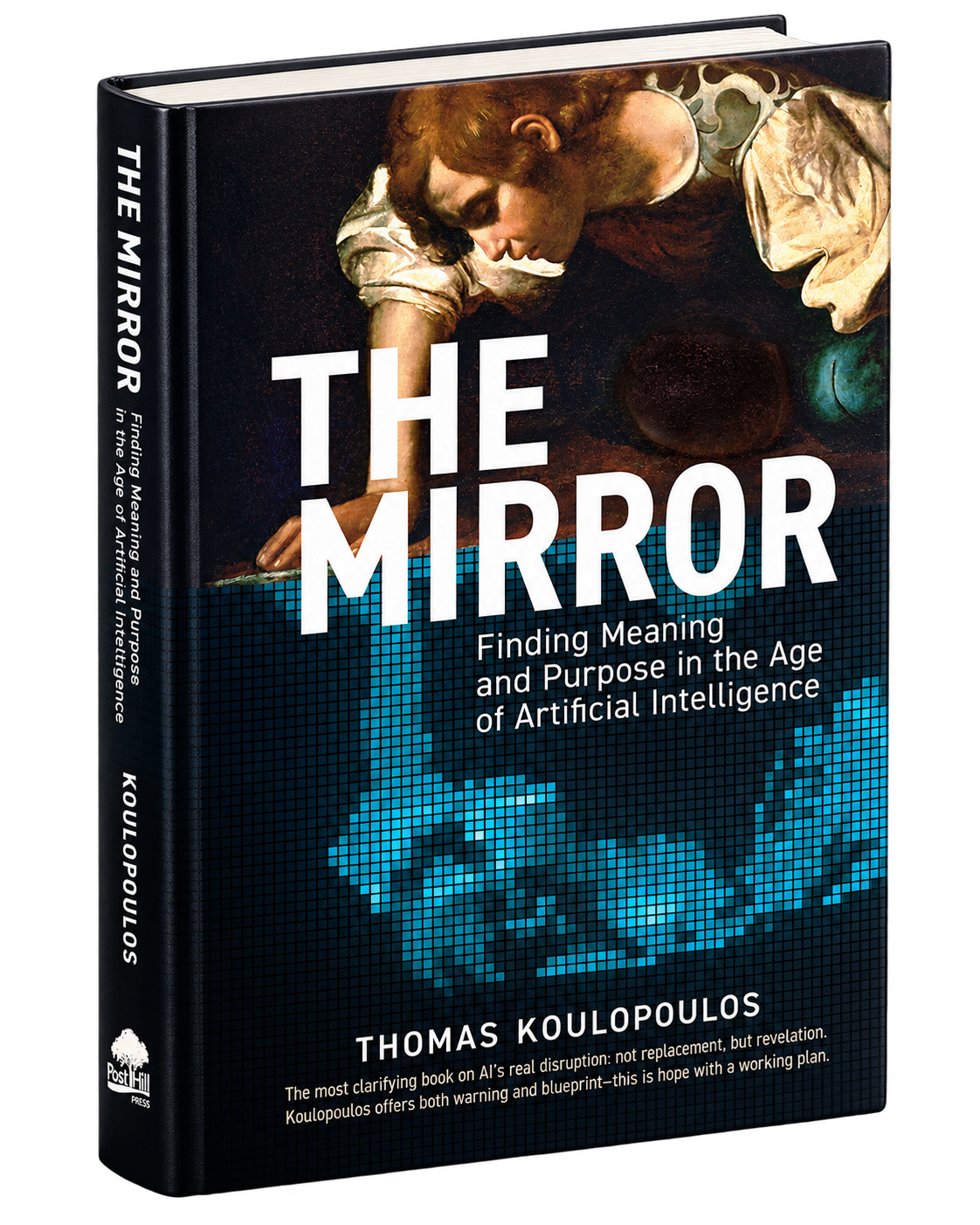
He is the author of:
Keywords: Cybersecurity, Leadership, GRC
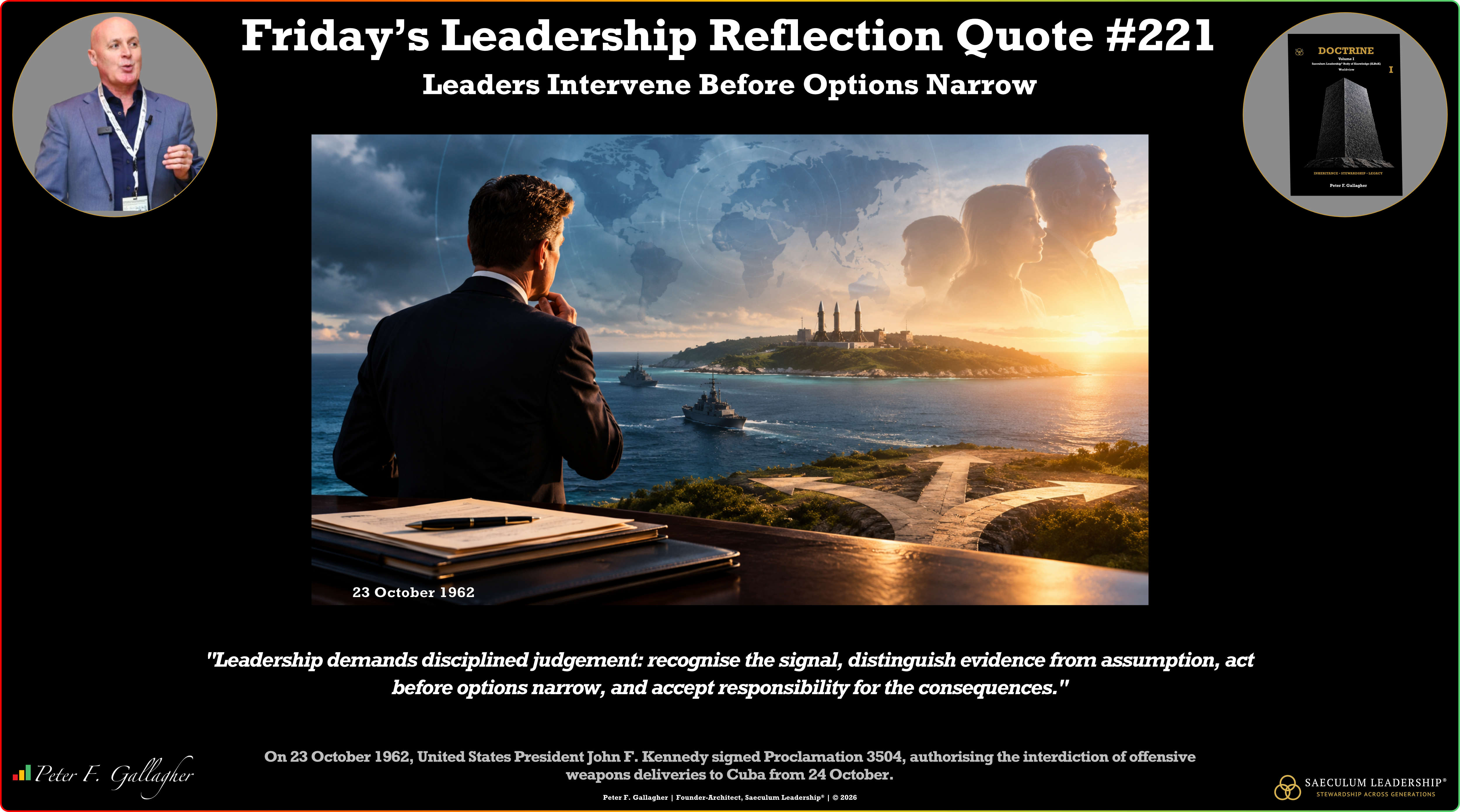 Friday’s Leadership Reflection Quote – Saeculum Leadership Leaders Intervene Before Options Narrow
 The Corix Partners Friday Reading List - October 23, 2026
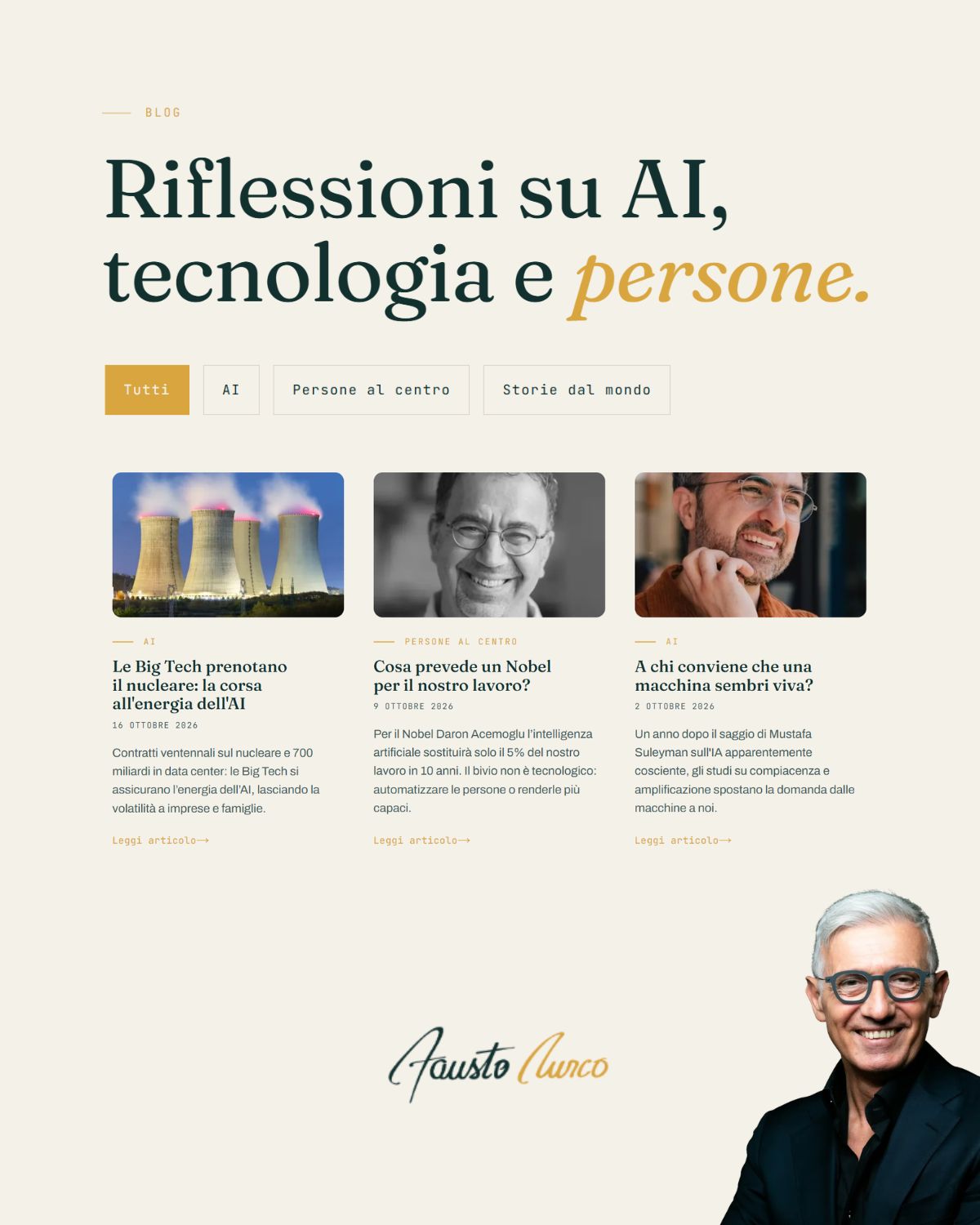 RIFLESSIONE SU AI, TECNOLOGIA E PERSONE
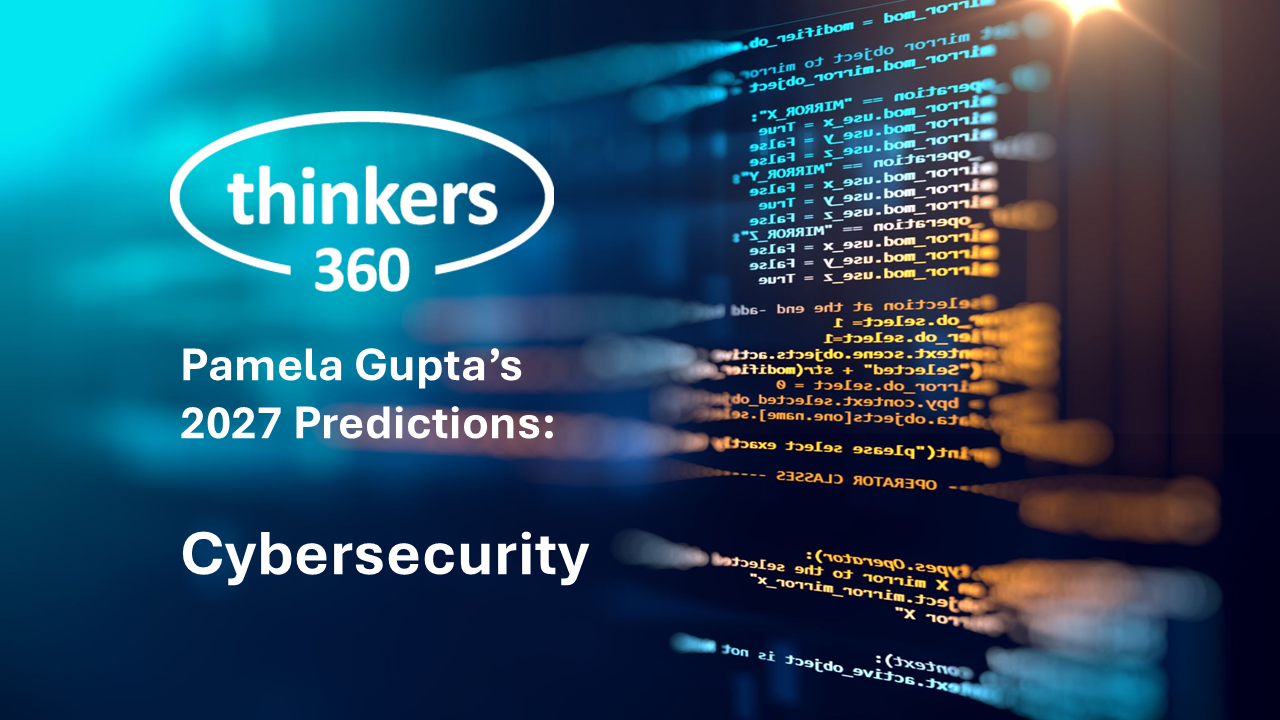 2027 Predictions for Cybersecurity: The Agent Is the New Insider
 FROM THE AISLE Field Notes on AI Implementation