Feb13
Succession planning is difficult for most business owners because it asks them to confront three things at the same time: who they are, how their business is built, and whether the organization can function without them. Most leadership challenges live in one of those lanes. Succession planning lives in all three — simultaneously.
One reason succession efforts stall is that owners underestimate the identity shift involved. As succession advisor Abby Donnelly, of The Leadership & Legacy Group, often points out, many business owners plan the transaction without preparing themselves for the personal transition. Research consistently shows that owners who exit without clarity around purpose, priorities, and what comes next are far more likely to experience regret — even when the exit itself is financially successful. This isn’t a failure of planning effort; it’s a failure of planning scope. You can’t separate the future of the business from the future of the person who built it.
For many founders, the company is not just an asset — it is proof of competence, resilience, and relevance. It has structured their days, their relationships, and often their identity in the community. Removing themselves from that role creates a vacuum. If that vacuum isn’t intentionally filled with something meaningful, owners tend to drift back into operational decisions, second-guess successors, or delay transitions indefinitely.
Identity work is not “soft.” It is foundational.
At the same time, succession planning exposes structural weaknesses that successful companies can afford to ignore — until they can’t. Chuck Cooper, Founder of Whitewater Consulting, works extensively in business transition and governance, and emphasizes that succession risk rarely shows up in struggling organizations. It shows up in growing, profitable ones. As complexity increases, financial clarity, legal agreements, decision authority, and advisor alignment often fail to evolve at the same pace. Those gaps remain invisible while the owner is present, but under stress — illness, opportunity, or unplanned exit — they surface quickly and force decisions no one wanted to make.
Questions that are "unnecessary" when the founder/owner / CEO is involved in operations become critical when considering how the company will continue to operate when that leader steps aside.
Succession doesn’t create structural problems. It reveals them.
And then there’s the systems issue which my company (The Training Doctor) addresses: leadership depth. Succession planning is often framed as a CEO replacement exercise, but that framing misses the real risk. The issue isn’t whether one role can be filled; it’s whether the organization has a pipeline of capable leaders ready to step into critical roles without disruption. In lean organizations especially, the loss of a single leader can stall decisions, unsettle customers, and erode internal trust.
Succession planning is not an event or a date on the calendar — it’s an organizational system that must be actively built and maintained.
And that’s exactly why avoiding it is far riskier than doing the work.
Keywords: Leadership, Entrepreneurship
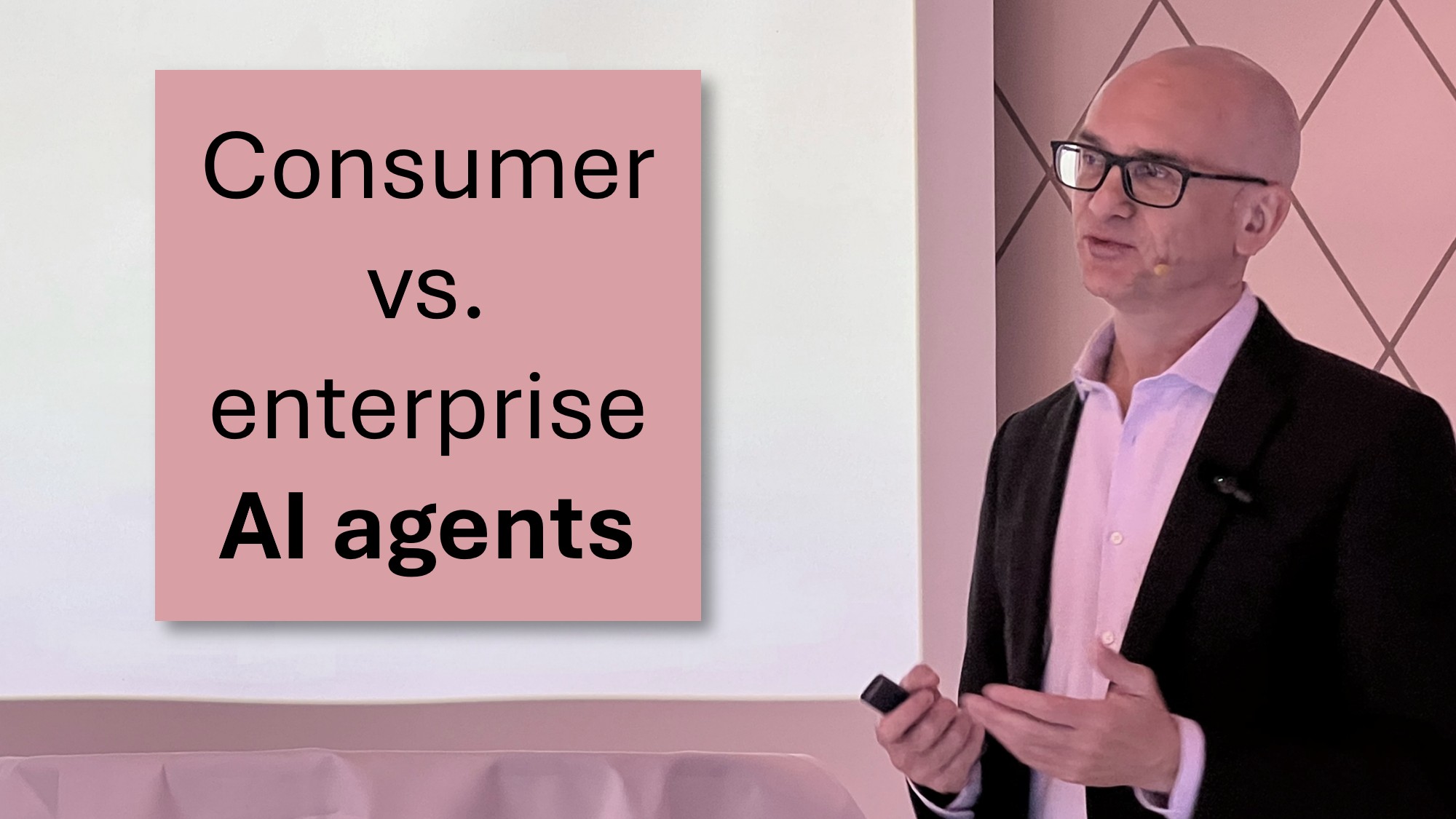 Consumer vs. enterprise AI agents
 Best Supply Chain AI Tools in 2026: SCM SENSEI AI and Ask Lora Compared
 Making Silos Permeable
 The Corix Partners Friday Reading List - October 2, 2026
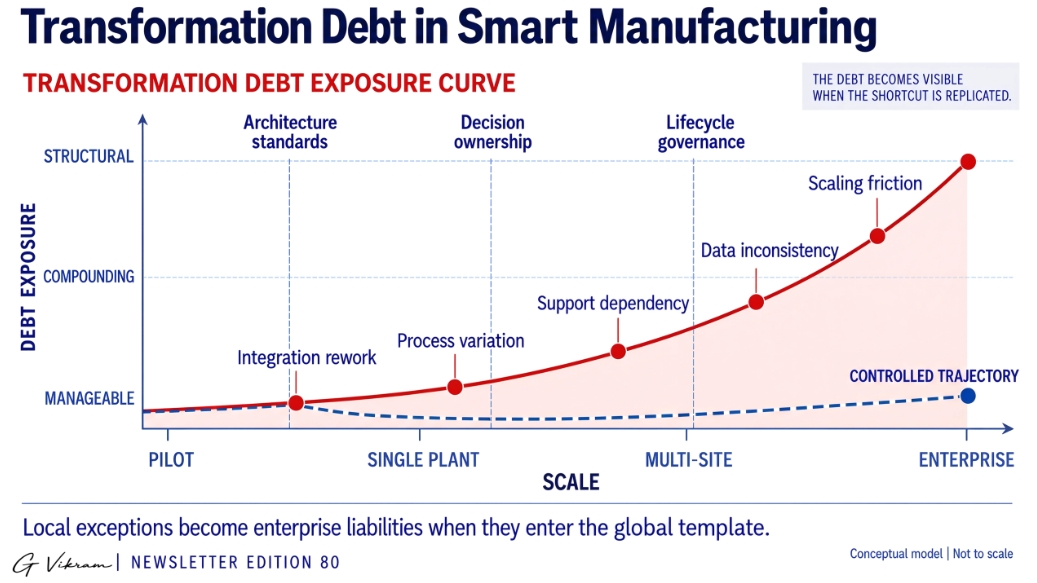 The most dangerous debt in a smart factory isn’t financial.