Dec05
Personal Branding Predictions for 2026
By 2026, personal branding for senior executives will no longer be a differentiator. It will be a strategic imperative that directly influences business positioning, audience trust, and large-scale influence. It is not just about showing up online anymore. It is about leading from the front. Digital platforms, especially LinkedIn, now home to over a billion professionals, have become the primary stage where modern leaders build relationships, amplify their vision, and reinforce their authority.
CEOs, founders, and C-level professionals are evolving into a new leadership archetype: the Social CEO. These are leaders who understand the weight of their digital voice, both internally and externally. They post with purpose, share meaningful insights, engage directly with their audiences, and show up as real, relatable humans with values and vision. The numbers back this shift. Over 80% of consumers trust companies more when their leaders are active on social media, and 75% say they are more likely to buy from them. Personal branding is now a real lever of business growth, reputation, and emotional connection.
Networking, too, has transformed. It is no longer confined to boardrooms or closed circles. Today, a single well-crafted post can open doors to a global network of investors, talent, clients, or strategic partners. This level of digital reach gives executives a unique opportunity to become the visible, human face of their organizations. The key is no longer watching from the sidelines but participating actively: sharing expertise, recognizing others, and sparking high-value conversations.
Technology plays a major role in this evolution. AI will become a powerful ally in building and amplifying executive brands, from content creation to data-driven message refinement. We will even see digital clones and AI-powered assistants representing executives in certain spaces. But here is the critical distinction. Automation should never replace authenticity. The human voice, the story, the values—that is the true core of a powerful brand. AI should support scale, not substitute presence.
Another defining shift by 2026 will be the evolution from “Me” to “We.” The most impactful leaders will not be those who spotlight themselves but those who elevate others. Celebrating team wins, mentoring peers, highlighting causes, and co-creating with colleagues will be the new markers of modern leadership. This collaborative approach builds community, trust, and organic visibility. More and more companies are encouraging this shift, understanding that when a leader grows, the brand grows with them.
None of this is sustainable without adaptability. Algorithms will shift. Platforms will evolve. Audiences will change. Executives who cling to outdated strategies will fade, while those who embrace continuous learning and real-time adaptation will stay ahead. Leaders willing to share their process, their lessons, and even their missteps will come across as more relatable and more credible. Vulnerability, when intentional and honest, will become a powerful branding tool.
In short, by 2026, personal branding will be the bridge connecting executives to their people, their purpose, and the market. It will be a tool of influence, reputation, positioning, and emotional resonance. And more than that, it will reflect a new era of leadership: more human, more visible, more collaborative, and more agile. The leaders who dare to show up with clarity, strategy, and courage will not just stand out. They will shape what is next.
Keywords: Personal Branding, Coaching, Careers
 AI Is Exposing the Data Problems Humans Used to Hide
 "The AI may in fact be conscious." Really?
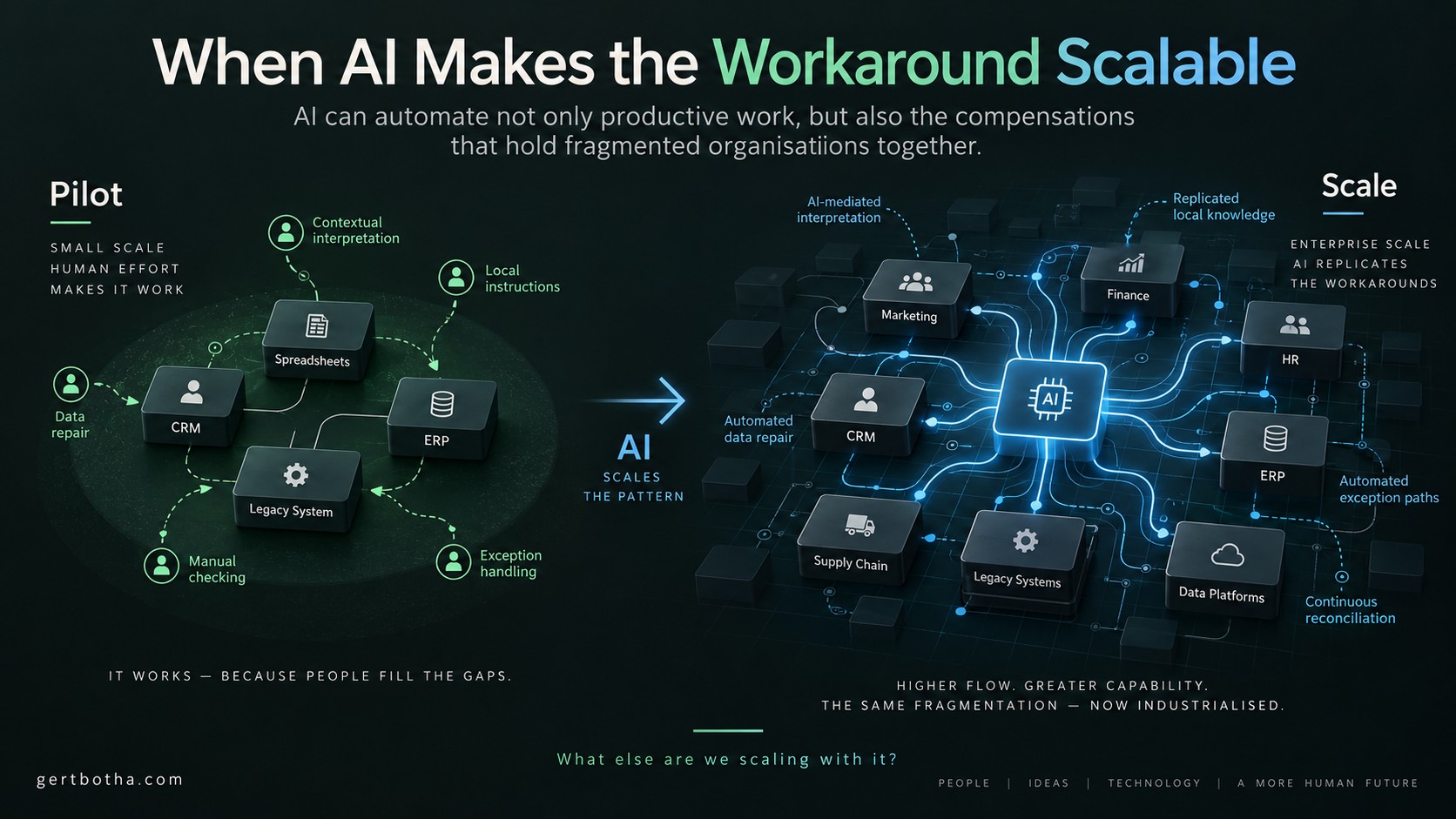 When AI Makes the Workaround Scalable
 The Age of Continuous Shocks: Why the coming downturn will be decided in your supply chain
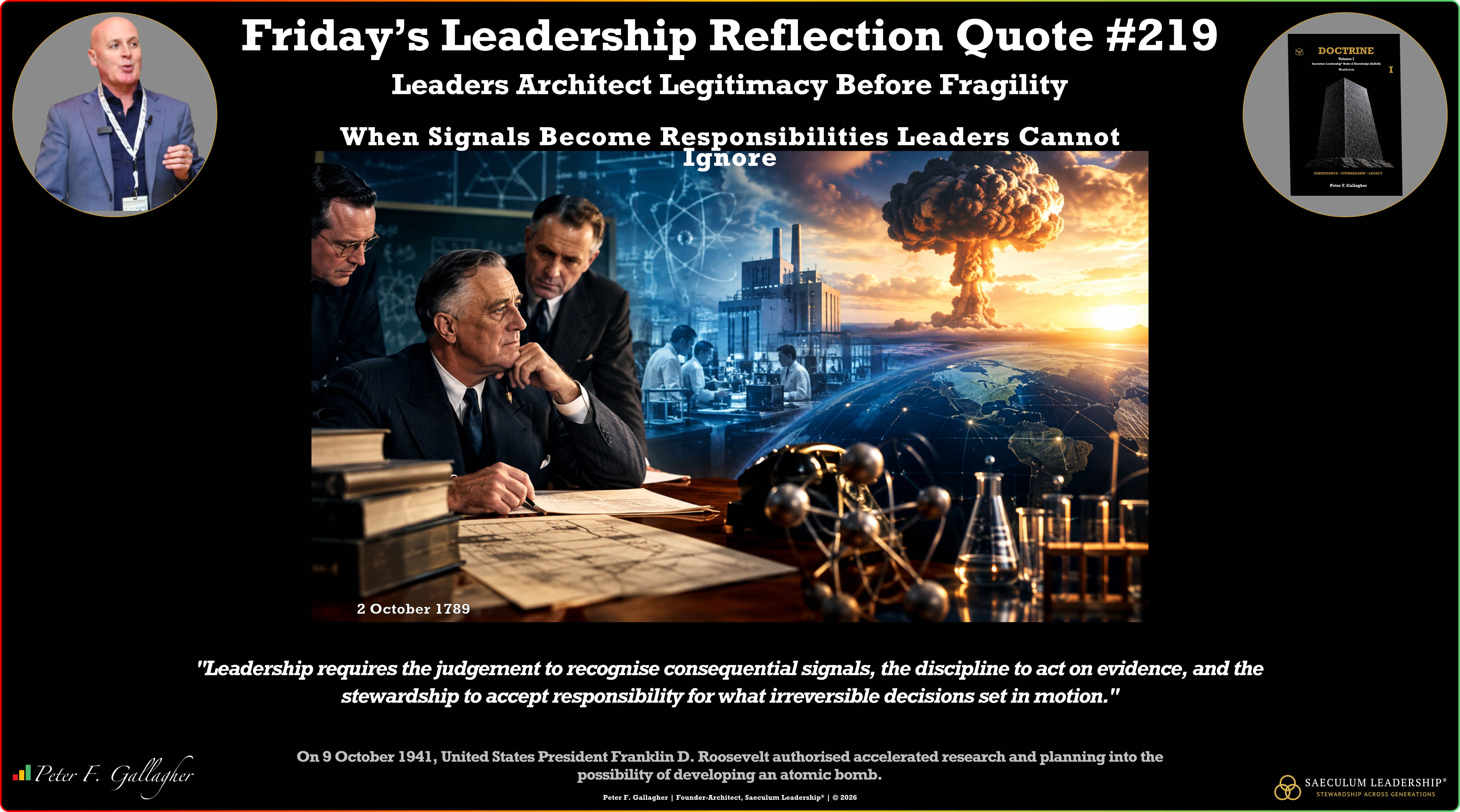 Friday’s Leader Reflection Quote – Saeculum Leadership Leaders Accept Decisions Create Responsibilities