Dec30

I recently came across this startling statistic re: turnover at the CEO level, "in the first quarter of 2025 alone, 646 CEOs exited their roles, reflecting a significant rise compared with recent years and underscoring how quickly senior roles can open unexpectedly. (Vantedge Search)
"Smaller" departures—like a department head leaving—can have just as much disruptive impact if there’s no one ready to step in. When leadership roles stay vacant or are filled by underprepared individuals, teams can stall, engagement drops and strategic initiatives slow.
The costs associated with turnover highlight the importance of having a bench of capable leaders ready to move up. Replacing an employee can cost anywhere from half to more than double their annual salary once recruitment, onboarding, lost productivity and other expenses are tallied. (Wellhub)
Strong leadership development also boosts retention and engagement across the organization. Studies show that companies investing in leadership programs often see improved retention and better business outcomes, because employees feel seen and supported on a career path. (Exec) When people trust that their organization develops talent internally, they’re more likely to stay, reducing overall turnover costs.
When you have not taken the time (and thought) to plan career paths that lead to leadership roles, eventually you'll be forced to hire leaders from outside the company. The more you have to hire, the less of "your company" is left. The financial and cultural costs of a mis-hire in leadership are far greater than those of promoting a prepared internal candidate. And, since external hires are significantly more likely to fail within their first 18 months than internal promotions, (Exec) you may eventually be stuck in a death-spiral of external-hiring.
Investing in a leadership pipeline isn’t just about filling seats; it’s about strengthening the organization’s future. Leaders who are developed over time carry institutional knowledge, understand the company’s strategic direction and are better equipped to inspire their teams. That creates stability during transitions, accelerates decision-making because incumbents understand the company's value and goals, and fosters a culture where people are motivated to stick around.
In short, building a leadership pipeline reduces costs, smooths transitions and enhances performance. It prepares organizations for the unexpected—whether someone leaves, a new opportunity arises or the business needs to pivot. By thinking ahead and developing people now, companies avoid the scramble that comes with sudden leadership gaps and set themselves up for long-term success.
If you need help planning and plotting leadership pipelines, reach out.
Keywords: Leadership, Risk Management, Entrepreneurship
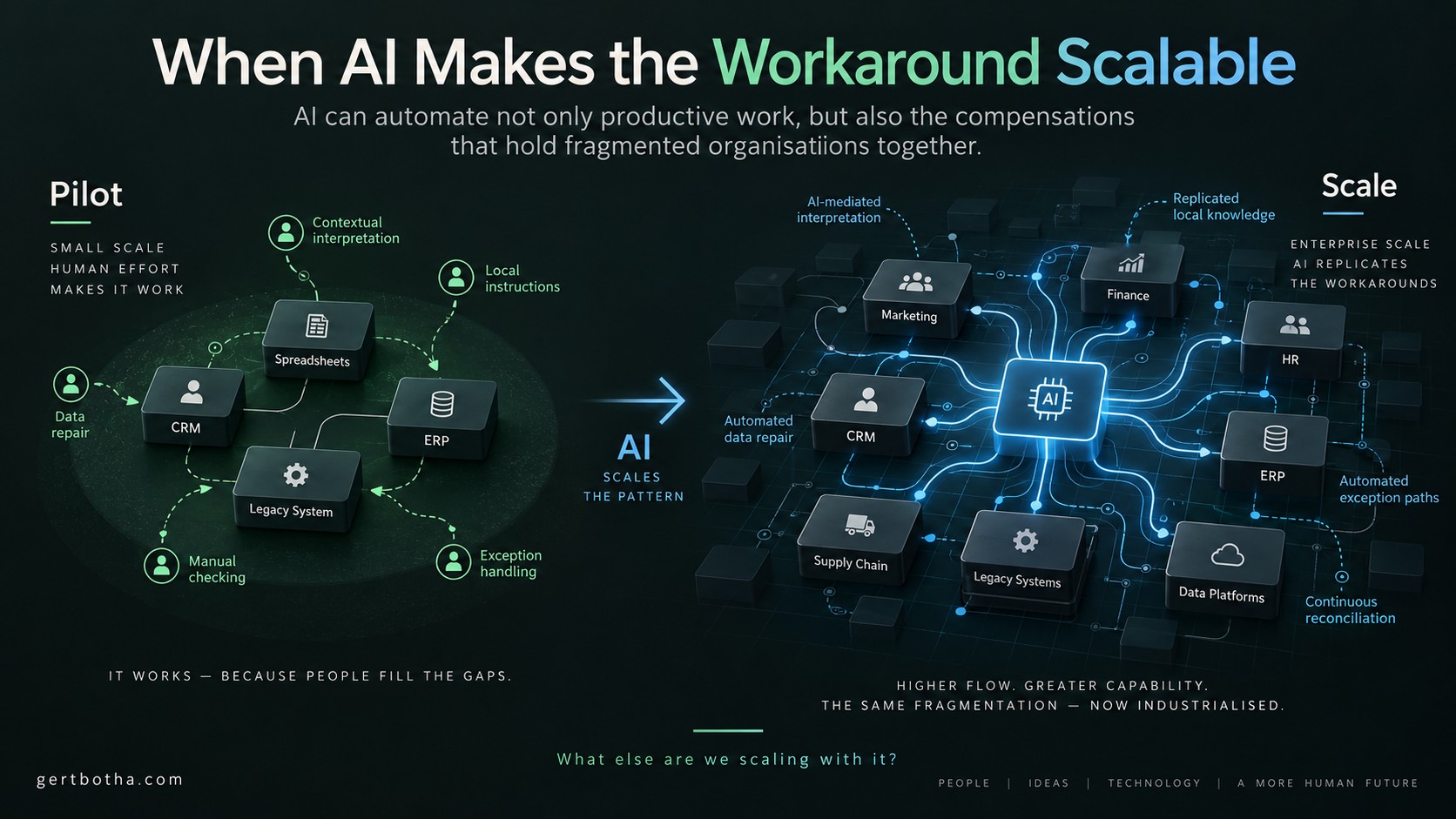 When AI Makes the Workaround Scalable
 The Age of Continuous Shocks: Why the coming downturn will be decided in your supply chain
 Friday’s Leader Reflection Quote – Saeculum Leadership Leaders Accept Decisions Create Responsibilities
 The Corix Partners Friday Reading List - October 9, 2026
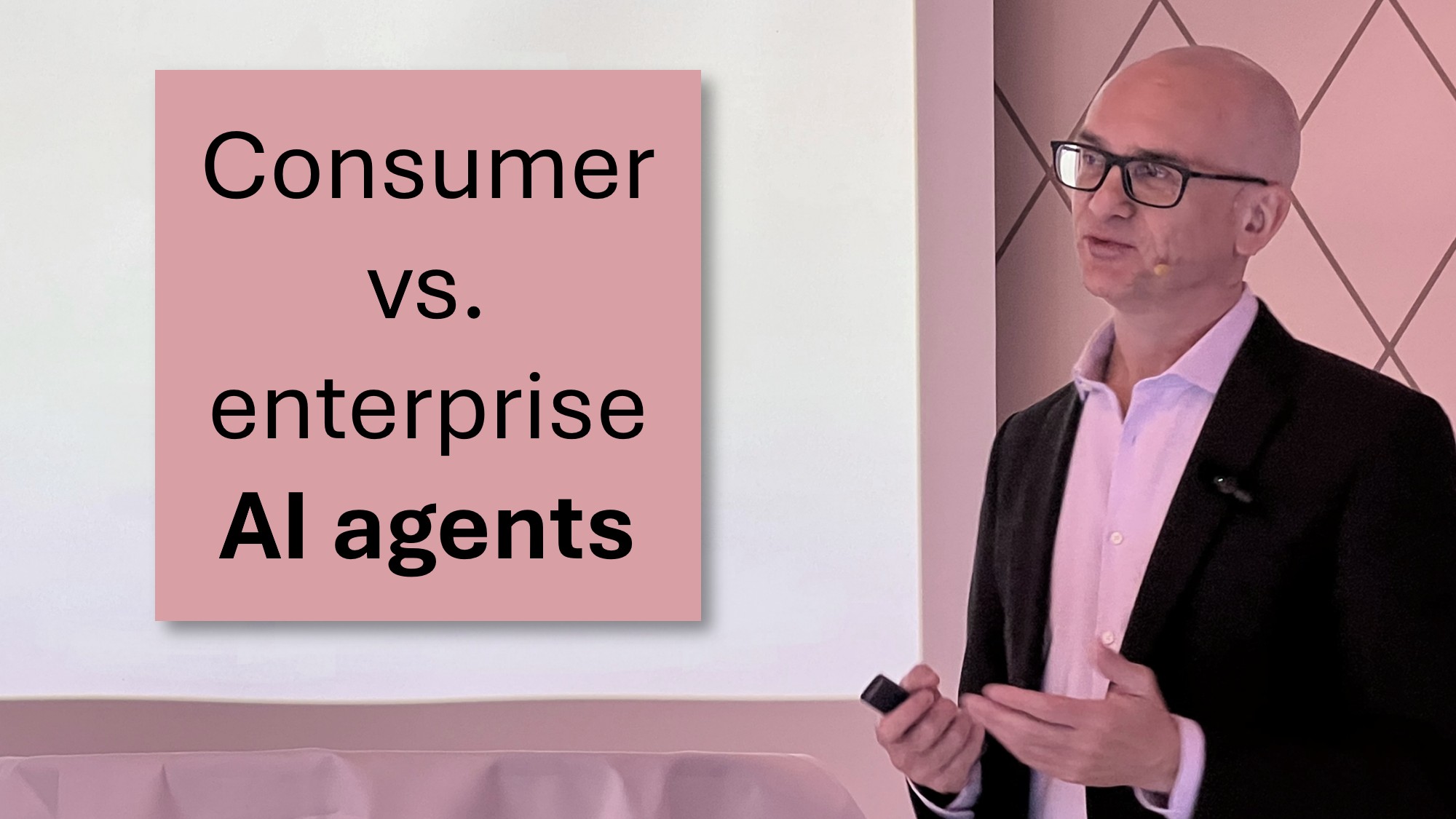 Consumer vs. enterprise AI agents