Feb04
Sponsored Post
We tend to think of mindset as something internal — shaped by habits, routines, and personal discipline. But what often gets skipped over is how much our physical environment shapes how we think and feel.
From stress levels and focus to creativity and emotional regulation, the spaces we inhabit quietly shape our state of mind every day. In an era when many people spend most of their time indoors — often in the same work-from-home office space where they sleep, eat, and unwind — the design of our surroundings has become inseparable from mental wellbeing.
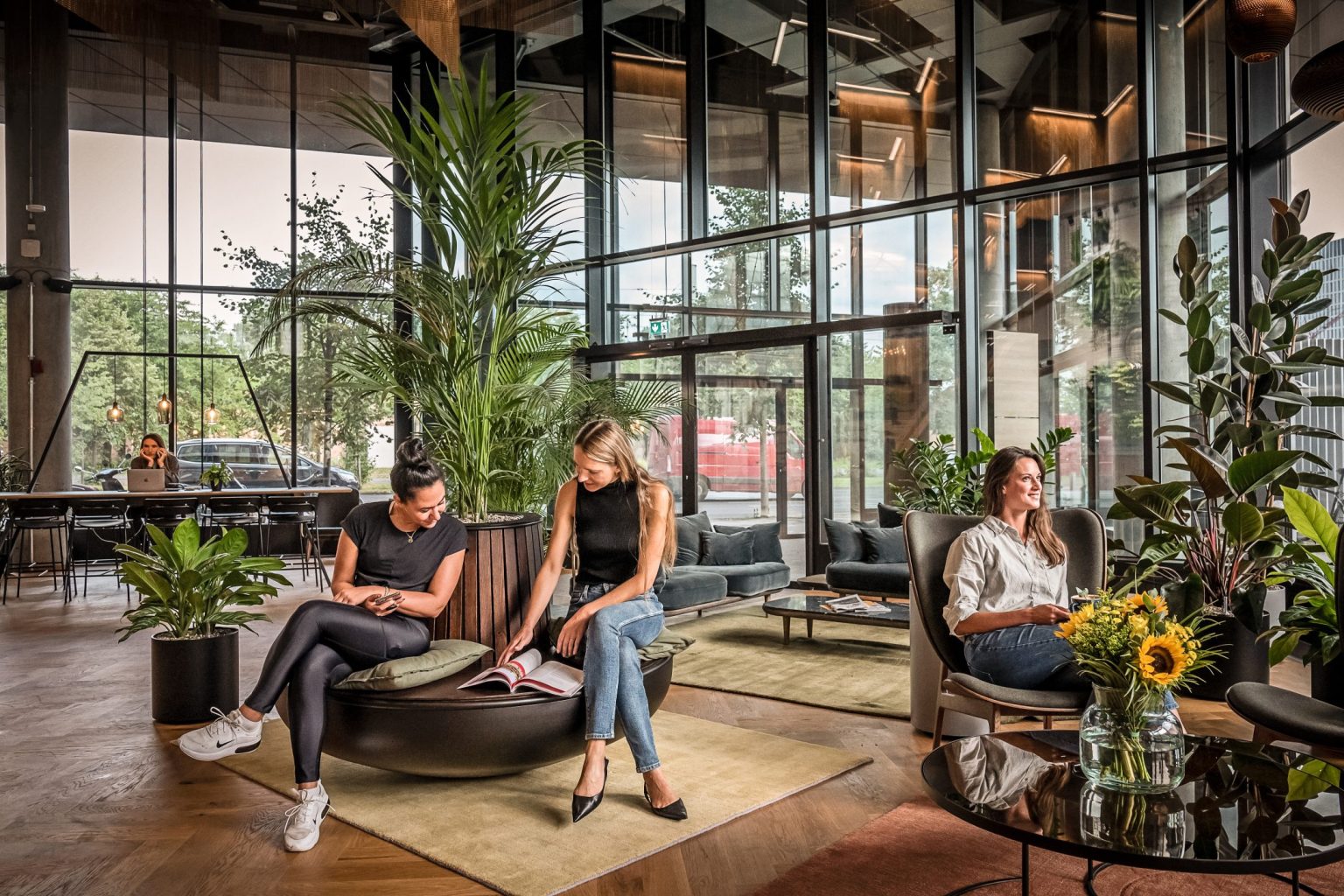
The biophilia trend in interior design is grounded in a simple idea: humans have an innate connection to nature, and we function better when our environments reflect that relationship.
In essence, it brings elements of the natural world into built spaces through materials, textures, light, color, and pattern. We’re talking stone, timber, organic forms, botanical design, and finishes that reference nature without feeling literal or decorative.
Research has consistently linked exposure to natural elements with reduced stress, improved concentration, and enhanced cognitive performance. Even subtle references to nature — rather than direct access to it — can really influence your mood and mental clarity.
Biophilic design is less about aesthetics and more about creating spaces that support human behaviour and wellbeing.
Our physical environment plays a direct role in ‘cognitive stamina’: our decision-making quota, emotional regulation, concentration, stress resilience and ability to retain information. This is especially in hybrid office settings where you’re constantly thinking critically and making decisions all day.
Visual clutter, harsh lighting (or lack of daylight), mundane design, and poorly considered layouts quietly increase mental load, accelerating decision fatigue and reducing focus over time. In contrast, environments designed to feel calm, ordered, and supportive help conserve cognitive energy, making it easier to think strategically and recover between tasks.
As remote and hybrid work becomes the norm post-COVID-19, you want a workplace to directly impact your productivity and well-being. This shift from decoration to performance is where design becomes a leadership tool — and where frameworks like nature-inspired design offer a practical way to create spaces that support both productivity and wellbeing.
The most effective applications are often subtle. Bringing nature indoors involves doing just that — starting with greenery.
Natural materials such as stone-look tiles, warm timber tones, and textured surfaces introduce visual calm and tactile comfort. Nature-inspired wall finishes help soften hard lines and create visual depth.
This is particularly impactful in high-use environments like bathrooms, kitchens, and home offices, where mental load tends to accumulate. A thoughtfully designed space can act as a buffer against stress rather than contributing to it.
Beyond materials and finishes, spatial organisation directly influences our mental clarity. Studies in environmental psychology suggest that visual clutter increases cognitive load, making it harder to focus and process information.
A clean room feels better because it actively reduces mental noise. This is especially relevant when organizing small spaces, where poor layout or excess visual detail can quickly feel overwhelming.
To apply this to your own space, clean lines, purposeful storage, and simple color palettes allow natural textures and finishes to stand out, creating spaces that feel calm rather than chaotic.
Our environment needs to be considered beyond a place we spend our time in, but rather a part of daily life that actively influences how our brain functions. The materials we surround ourselves with, the level of visual order in a space, and the overall sensory experience all affect mental clarity, emotional regulation, and cognitive endurance. These choices shape how easily we can focus, recover, be creative, and make decisions throughout the day.
As our homes continue to function as workplaces, places of rest, and social settings, the responsibility of our environment grows. When spaces are designed with intention — prioritising calm, balance, and mental ease — they don’t just look better; they support how we think, feel, and perform on a daily basis.
Keywords: Health and Wellness
 “I didn’t write an award acceptance speech because I didn’t expect to win.”
 AI Is Exposing the Data Problems Humans Used to Hide
 "The AI may in fact be conscious." Really?
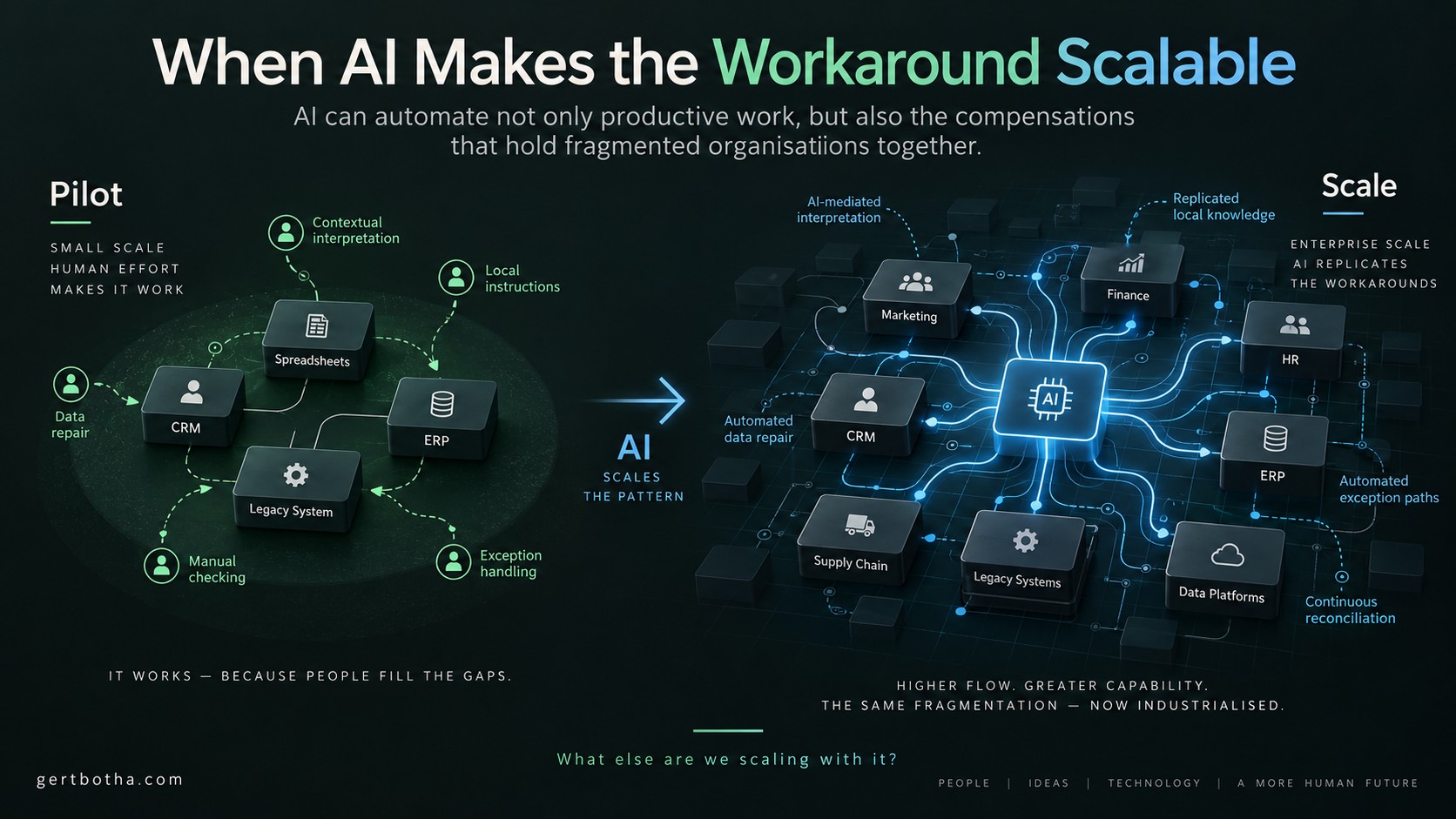 When AI Makes the Workaround Scalable
 The Age of Continuous Shocks: Why the coming downturn will be decided in your supply chain