Apr17
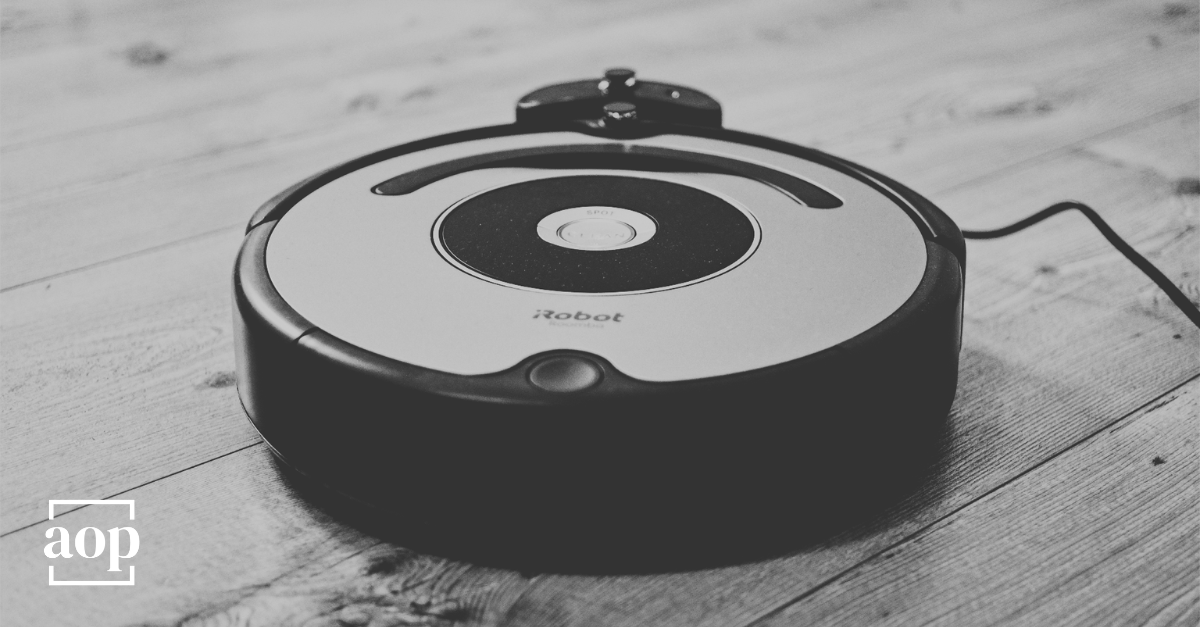
At its peak, robotic vacuum maker iRobot generated nearly $1.6 Billion in annual revenue. Their robotic vacuums were the trendiest home appliance, and even made the rounds on social media, with pets and children riding them in humorous videos. But... it was not to last. By the end of 2025, the company had filed for Chapter 11 bankruptcy… only to emerge owned by its overseas contract manufacturer.
How does a company go from being a global technology leader to being sold off at an extremely low price point to the supplier that once built not only its products but the products of the competitors that ultimately drove it out of business? The answer is a complicated story about regulation, supply chains, debt, competition, and unintended consequences. Unfortunately, this story is also true.
In March of 2025, iRobot issued a warning that there was “substantial doubt” about its ability to continue operating. Their quarterly revenue fell 23 percent to $127.6 Million.
Competition from lower-cost manufacturers was continuing to intensify, and new tariffs sharply increased their costs. Meanwhile, iRobot’s debt load was growing and the potential sources of funding to pay it back were vanishing.
The management team explored as many strategic alternatives as they could identify, including a doomed deal with Amazon, but all of the potential buyers fell away one by one. In October of 2025, the last remaining acquisition prospect walked away, leaving the company with very few options.
According to reporting from The Robot Report, iRobot owed its contract manufacturer, Picea, $161.5 million. Because of those unpaid bills, they effectively became one of iRobot’s largest creditors. iRobot's loss was about to become their gain.
Instead of demanding repayment, Picea purchased iRobot’s debt. The supplier was about to become the owner. They agreed to cover the company’s loans and forgive the debt owed to them. In exchange, Picea would own iRobot entirely.
This proposed ownership structure immediately raised new concerns. The U.S. Department of Justice warned in bankruptcy court that the transaction could create national security risks. Lawmakers also raised concerns about data, because Roomba devices create detailed maps of consumer homes.
iRobot’s story is not just a cautionary tale about one company’s decline—it is a reflection of how tightly interconnected strategy, supply chains, and geopolitics have become. What began as a market leadership position built on innovation ultimately unraveled under the combined weight of cost pressure, regulatory scrutiny, and financial fragility. Perhaps most striking is the final twist: a supplier stepping in not just as a partner, but as the owner, blurring the lines between vendor and enterprise.
For procurement and business leaders, the lesson is clear. Dependencies that seem operational can quickly become existential, and decisions about suppliers, cost structures, and partnerships cannot be separated from long-term resilience. In an era defined by disruption, the question is no longer just how companies grow—but how they maintain control of their own future.
Listen to this episode of the Art of Supply podcast here: https://open.spotify.com/episode/2F4SHk8I10XIjkxvf8GHTk?si=YOC4GHeVR6S7XYE9PFEzqg
By Kelly Barner
Keywords: Manufacturing, Robotics, Supply Chain
 You are not your diagnosis
 Is GenAI good for anything?
 “I didn’t write an award acceptance speech because I didn’t expect to win.”
 AI Is Exposing the Data Problems Humans Used to Hide
 "The AI may in fact be conscious." Really?