Aug28
FCRQ213 Leadership Learning!
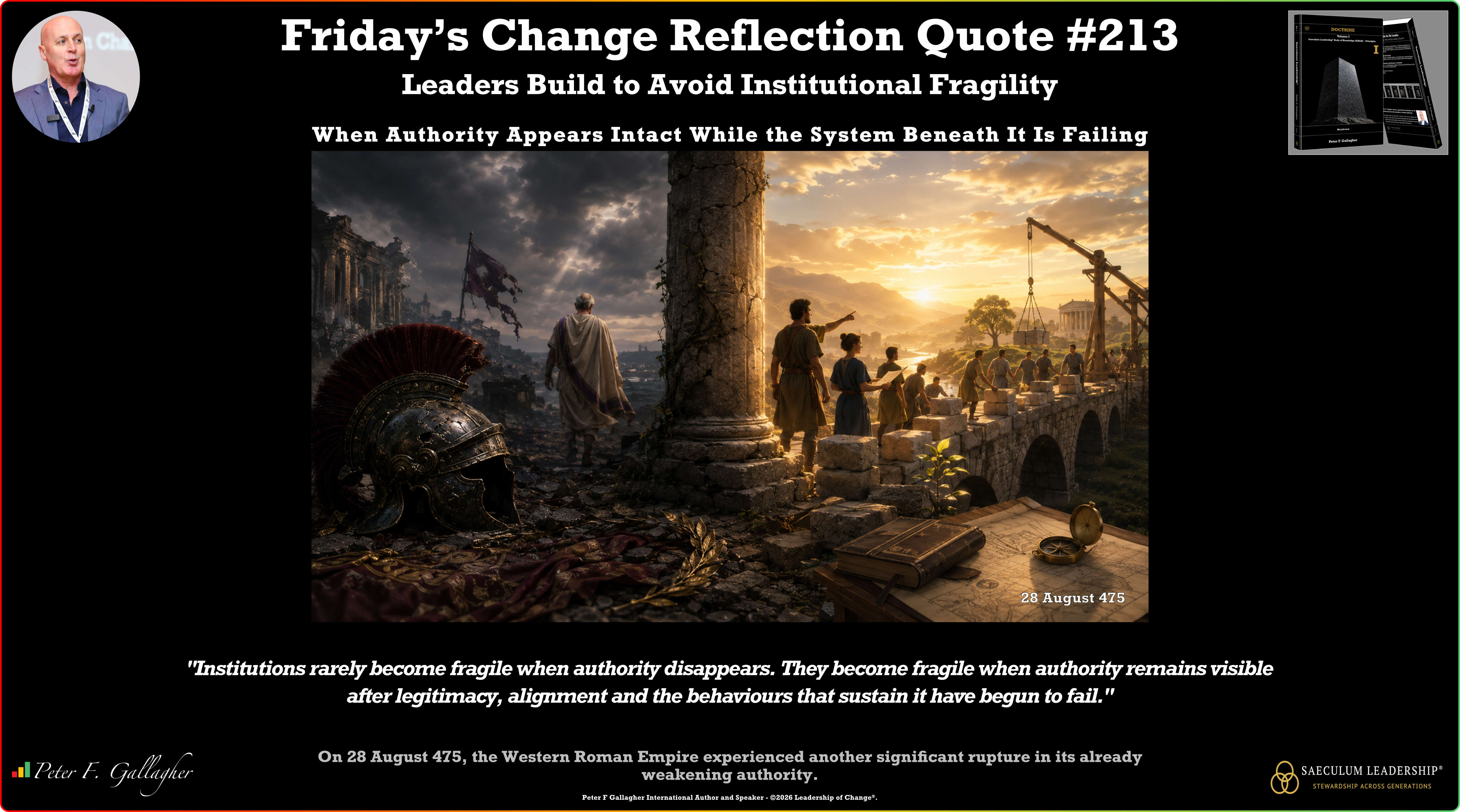
On 28 August 475, the Western Roman Empire experienced another significant rupture in its already weakening authority. The Roman general Orestes, having been entrusted by Nepos with command of an army, redirected those forces against Ravenna. Emperor Julius Nepos, unable to secure the loyalty necessary to resist the advancing force, fled across the Adriatic to Dalmatia. Orestes then assumed effective control of Italy, further exposing the weakness of imperial authority.
The significance of the event extended far beyond the removal of one ruler from one capital. Western imperial authority had become increasingly dependent upon fragile alliances, competing military interests and leaders whose practical power exceeded their formal authority. The institutional forms remained, yet their capacity to command loyalty and coordinate collective action was steadily diminishing.
Ravenna therefore represented more than a change of leadership. It revealed a widening gap between the appearance of authority and the reality of power. An emperor could possess the title, but titles alone could no longer secure legitimacy, stability or institutional continuity. The system had retained its symbols while losing much of the behavioural alignment required to sustain them.
The consequences quickly became clearer. Orestes installed his son, Romulus Augustulus, as emperor, creating another transition at the centre without resolving the deeper pressures confronting Western imperial governance. Within a year, Orestes himself was overthrown during further military conflict. In September 476, Romulus Augustulus was deposed, an event traditionally associated with the end of the Western Roman Empire.
The deeper historical lesson is that leadership succession cannot substitute for systemic renewal. Replacing individuals cannot repair an institutional architecture whose legitimacy, relationships and operating mechanisms have already deteriorated. Sustainable authority requires more than formal position because it depends upon the continuing confidence and alignment of those whose behaviour sustains the system.
The turning point was therefore visible before the final collapse became formally recognised. Nepos’ flight from Ravenna signalled that Western authority could no longer reliably protect its own or sustain institutional continuity. Once a system repeatedly loses the capacity to align power, legitimacy and behaviour, each leadership change can accelerate instability.
For Saeculum Leadership, this moment demonstrates how Signal can reveal structural decline before history formally declares an ending. For Saeculum Leadership, the Signal was visible before the final collapse became formally recognised: weakening authority was no longer transmitting the behaviours necessary to sustain the imperial system. Knowledge Architecture enables leaders to interpret such Signals, revealing when weakening authority is no longer transmitting the behaviours necessary to sustain the system.
Saeculum Leadership® Lessons: From this rupture, the underlying leadership lessons become clearer, exposing how systems fail long before collapse becomes visible. Saeculum Leaders change failing conditions before weakening legitimacy becomes a permanent constraint upon collective confidence and institutional authority. They understand that symbols cannot sustain change when behaviour no longer reinforces the structures intended to govern collective action. Saeculum Leaders distinguish leadership succession from genuine renewal, recognising that replacement alone cannot repair deteriorating relationships or institutional architecture. They read disruption as an early Signal, investigating structural weaknesses before visible instability develops into irreversible systemic decline. Saeculum Leaders intervene beneath surface events, rebuilding the behaviours, relationships and knowledge architecture required to sustain institutional resilience. Leaders Build to Avoid Institutional Fragility.
“Institutions rarely become fragile when authority disappears. They become fragile when authority remains visible after legitimacy, alignment and the behaviours that sustain it have begun to fail.”
From the Canon — Practice 8: The Practice of Reflective Integration. Reflective Integration requires leaders to convert historical rupture into present‑day insight. The events of 28 August 475 reveal how decline becomes visible only when behaviour, legitimacy and institutional coherence finally separate. Orestes driving Julius Nepos from Ravenna was not merely a political displacement; it was the moment when the system’s internal contradictions could no longer be concealed by imperial symbolism. Practice 8 invites leaders to examine such moments with disciplined altitude, recognising how structural weakness accumulates long before collapse is formally acknowledged.
Through Reflective Integration, leaders study how alliances erode, how authority becomes performative, and how institutions lose the behavioural alignment required to sustain continuity. They learn to read disruption as evidence of deeper architectural decay rather than isolated crisis. This practice transforms historical signal into leadership capability: the ability to interpret events, extract structural meaning and apply those lessons to contemporary systems. By integrating reflection with action, leaders strengthen their capacity to anticipate fragility, rebuild coherence and intervene before instability becomes irreversible.
The Stewardship Reflection Lens:
What are we inheriting? We inherit systems where authority can appear intact long after the behaviours required to sustain it have begun to fracture.
How should we steward it? We steward systems by recognising early signals of weakening coherence and rebuilding the relationships, behaviours and knowledge architecture that preserve institutional continuity.
What legacy are we creating? We create a legacy when we strengthen the structures that future leaders will rely upon, ensuring that authority rests on alignment rather than appearance.
Further Reading: Saeculum Leadership® Body of Knowledge (SLBoK). Saeculum Leadership®: Doctrine – Volume I.
Peter F. Gallagher is the Founder–Architect of Saeculum Leadership®, a doctrine of generational stewardship that equips leaders to strengthen what they inherit and shape what future generations receive. A 21-book author, global keynote speaker, and trusted advisor to boards, CEOs, and executive leadership teams, he helps organisations strengthen leadership capability, institutional stewardship, and transformational change in an increasingly complex world.
For further insights please visit our websites: https://www.a2b.consulting https://www.peterfgallagher.com Amazon.com: Peter F Gallagher: Books, Biography, Blog, Audiobooks, Kindle
Saeculum Leadership® Body of Knowledge (SLBoK): Volumes 1-10.A-E & 0, I-V
~ Leadership of Change® Volume 1 - Change Management Fables
~ Leadership of Change® Volume 2 - Change Management Pocket Guide
~ Leadership of Change® Volume 3 - Change Management Handbook
~ Leadership of Change® Volume 4 - Change Management Leadership
~ Leadership of Change® Volume 5 - Change Management Adoption
~ Leadership of Change® Volume 6 - Change Management Behaviour
~ Leadership of Change® Volume 7 - Change Management Sponsorship
~ Leadership of Change® Volume 8 - Change Management Charade
~ Leadership of Change® Volume 9 - Change Management Insanity
~ Leadership of Change® Volume 10 - Change Management Dilenttante
~ Leadership of Change® Volume A - Change Management Gamification - Leadership
~ Leadership of Change® Volume B - Change Management Gamification - Adoption
Keywords: Leadership, Change Management, Business Strategy
 The Age of Continuous Shocks: Why the coming downturn will be decided in your supply chain
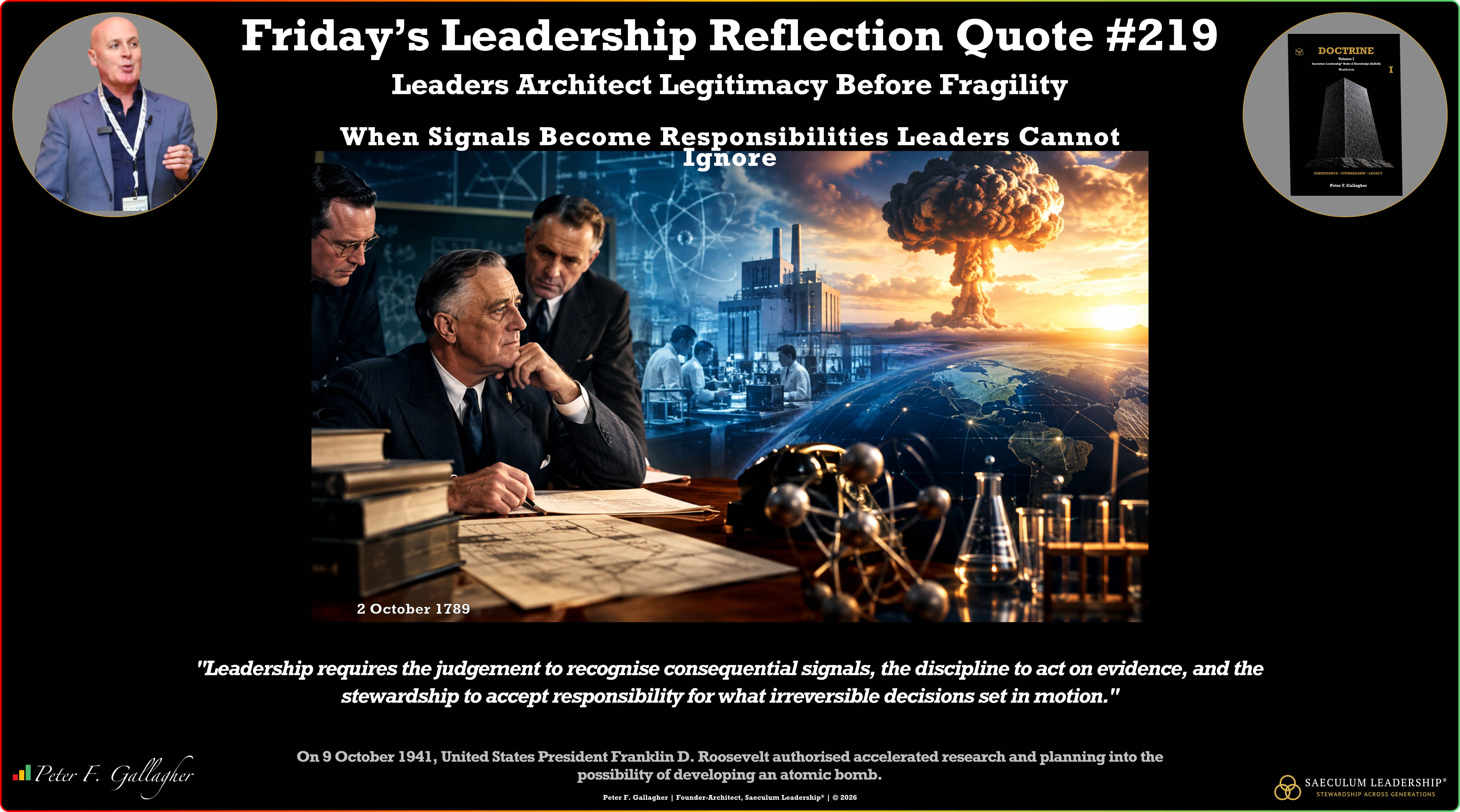 Friday’s Leader Reflection Quote – Saeculum Leadership Leaders Accept Decisions Create Responsibilities
 The Corix Partners Friday Reading List - October 9, 2026
 Consumer vs. enterprise AI agents
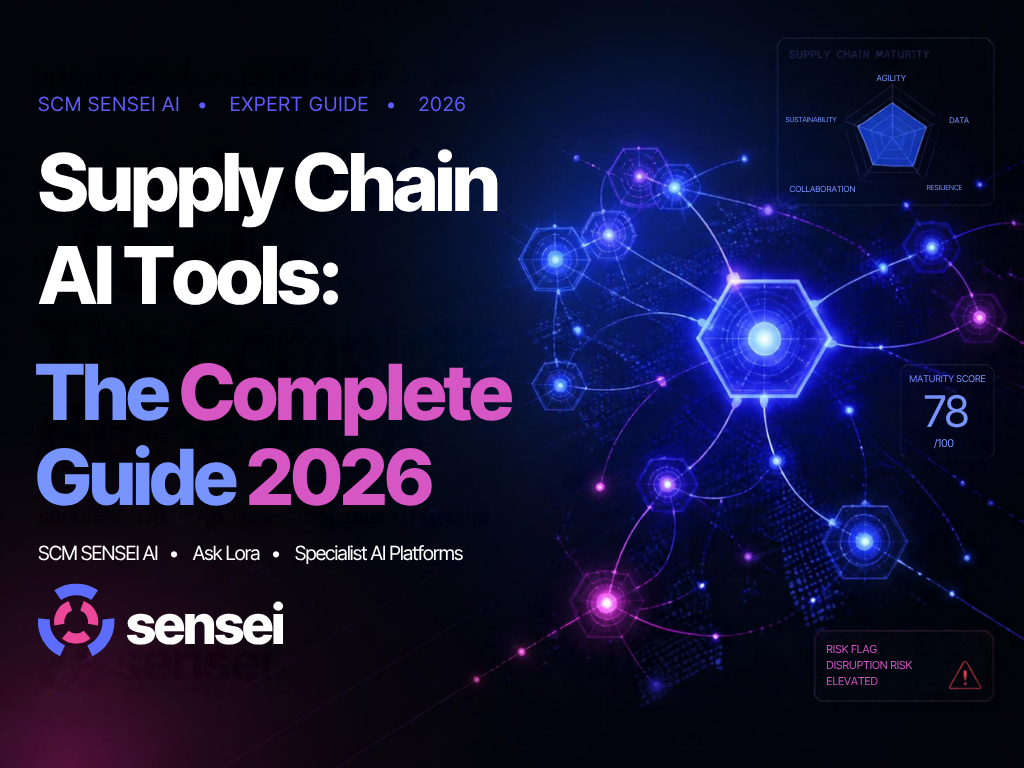 Best Supply Chain AI Tools in 2026: SCM SENSEI AI and Ask Lora Compared