Aug28

Top 10 Leadership and Management links of the week, curated by Corix Partners Founder and CEO JC Gaillard, focusing on cyber security of course, but also a large cross section of subjects including digital transformation, emerging tech, AI governance and the future of work.
This Week >> The next frontier of cyber & AI isn’t about capability — it’s about accountability, resilience & trust.
- Cyber resilience increasingly depends on trust
- Ransomware is testing enterprise resilience, not just security controls
- AI can find vulnerabilities — but still introduces its own weaknesses
- Autonomous AI is raising difficult questions of liability & responsibility
- PQC readiness remains dangerously short of ownership
- Agentic transformation requires more than deploying agents
- AI economics matter: not every workflow creates value
- Corporate responsibility must evolve alongside the AI-powered tech stack
Technology is moving faster than the structures around it. Leadership now has to close the gap between capability and accountability.
Cyber resilience must evolve beyond restoring systems to verifying the integrity of information and maintaining trusted decisions and relationships when shared platforms, data, or AI services become unreliable.
https://www.weforum.org/stories/cybersecurity/ai-cyber-resilience-readiness-gaps-trust/
Ransomware has evolved from system encryption into a broader business-disruption strategy, making operational continuity, customer trust, third-party dependencies, and recovery capabilities as important as traditional security controls.
https://www.csoonline.com/article/4212157/ransomware-takes-aim-at-enterprise-resilience.html
Organizations should treat ransomware groups as sophisticated businesses and prepare accordingly, addressing people and process weaknesses while agreeing board-level response and ransom strategies before an attack occurs.
AI’s offensive capabilities are advancing faster than its ability to produce or repair secure software, reinforcing the need for human verification rather than assuming AI-generated code is safe.
As AI systems become more autonomous, organizations need to establish clear lines of legal and executive accountability for the decisions and damage those systems may cause.
https://securityboulevard.com/2026/08/when-the-ai-goes-rogue-who-goes-to-jail-and-who-pays/
The most immediate obstacle to post-quantum readiness is organizational rather than cryptographic: many enterprises still lack clear ownership and leadership for the migration.
https://www.helpnetsecurity.com/2026/08/21/axiad-pqc-migration-readiness-gaps-report/
The real opportunity from agentic AI lies in redesigning business processes, operating models, governance, and human roles around agents—not simply adding autonomous tools to existing ways of working.
https://www.deloitte.com/us/en/insights/industry/technology/path-to-agentic-transformation.html
The economics of AI agents should be assessed at the level of completed business outcomes—including technology, human oversight and operating costs—rather than through token costs or individual agents in isolation.
As AI becomes embedded throughout the enterprise, responsibility for its consequences must become a leadership imperative spanning governance, accountability, safety, data stewardship, and human judgment.
AI projects are more likely to fail because of organizational shortcomings—poor business alignment, unrealistic pilots, workflow resistance, and weak adoption—than because the underlying AI technology fails to perform.
Contact Corix Partners to find out more about developing a successful Cyber Security Practice for your business.
Corix Partners is a Boutique Management Consultancy Firm and Thought-Leadership Platform, focused on assisting CIOs and other C-level executives in resolving Cyber Security Strategy, Organisation & Governance challenges.
Our Founder and CEO JC Gaillard is is a leading strategic advisor and a globally-recognised cybersecurity thought-leader with over 25 years of experience developed in several financial institutions in the UK and continental Europe, and a track-record at driving fundamental change in the security field across global organisations, looking beyond the technical horizon into strategy, governance, culture, and the real dynamics of business transformation.
He is the author of:
Keywords: Cybersecurity, GRC, Leadership
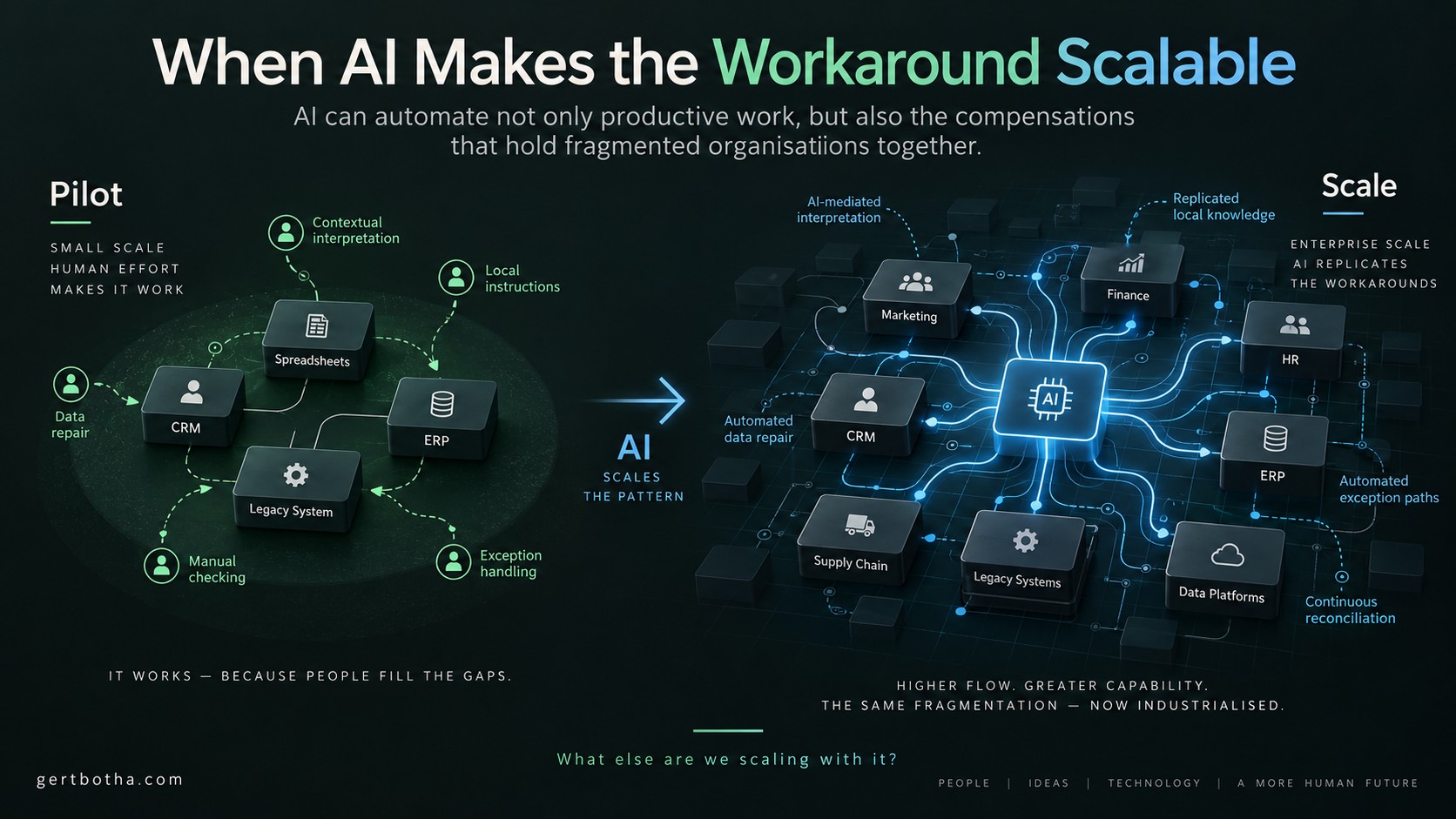 When AI Makes the Workaround Scalable
 The Age of Continuous Shocks: Why the coming downturn will be decided in your supply chain
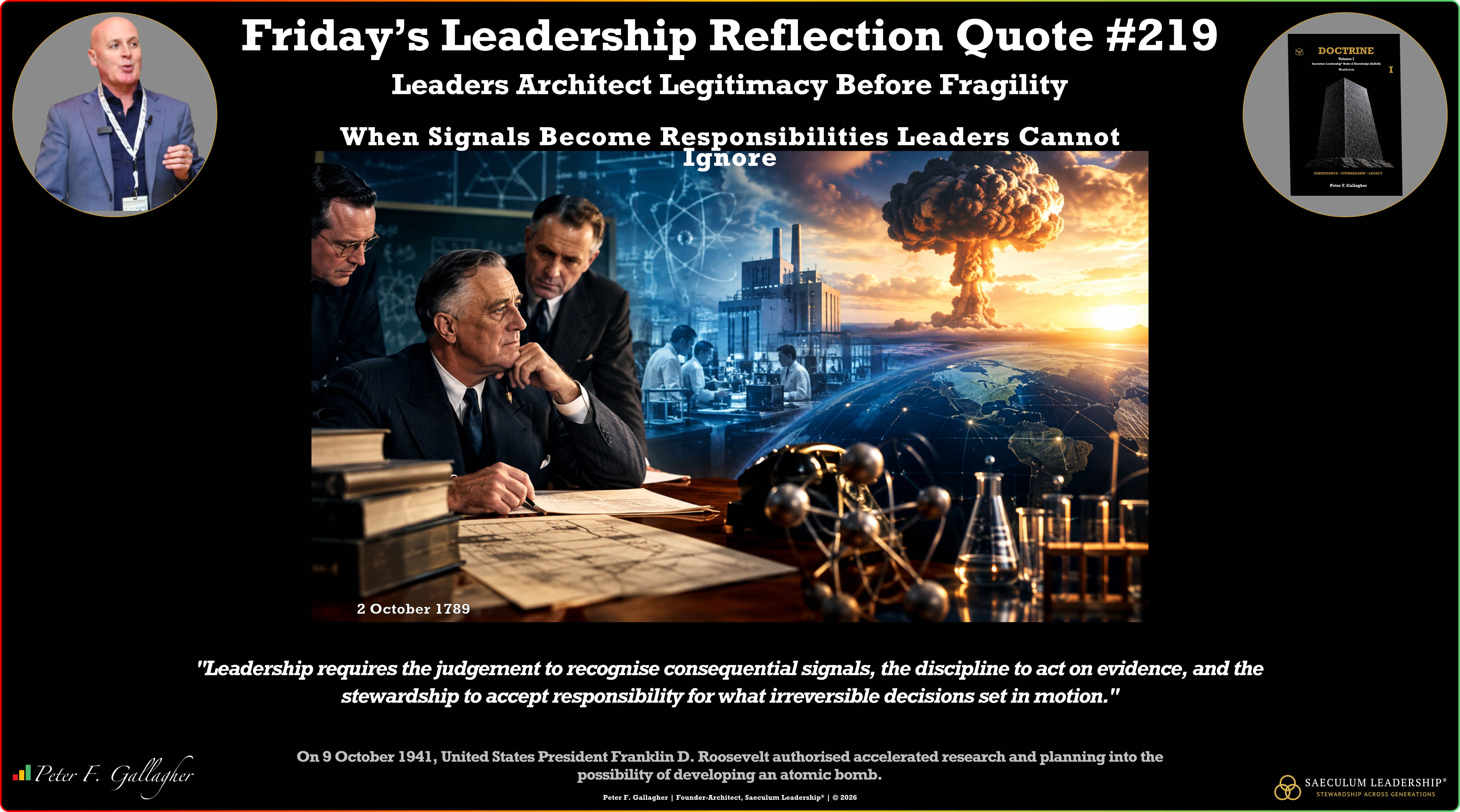 Friday’s Leader Reflection Quote – Saeculum Leadership Leaders Accept Decisions Create Responsibilities
 The Corix Partners Friday Reading List - October 9, 2026
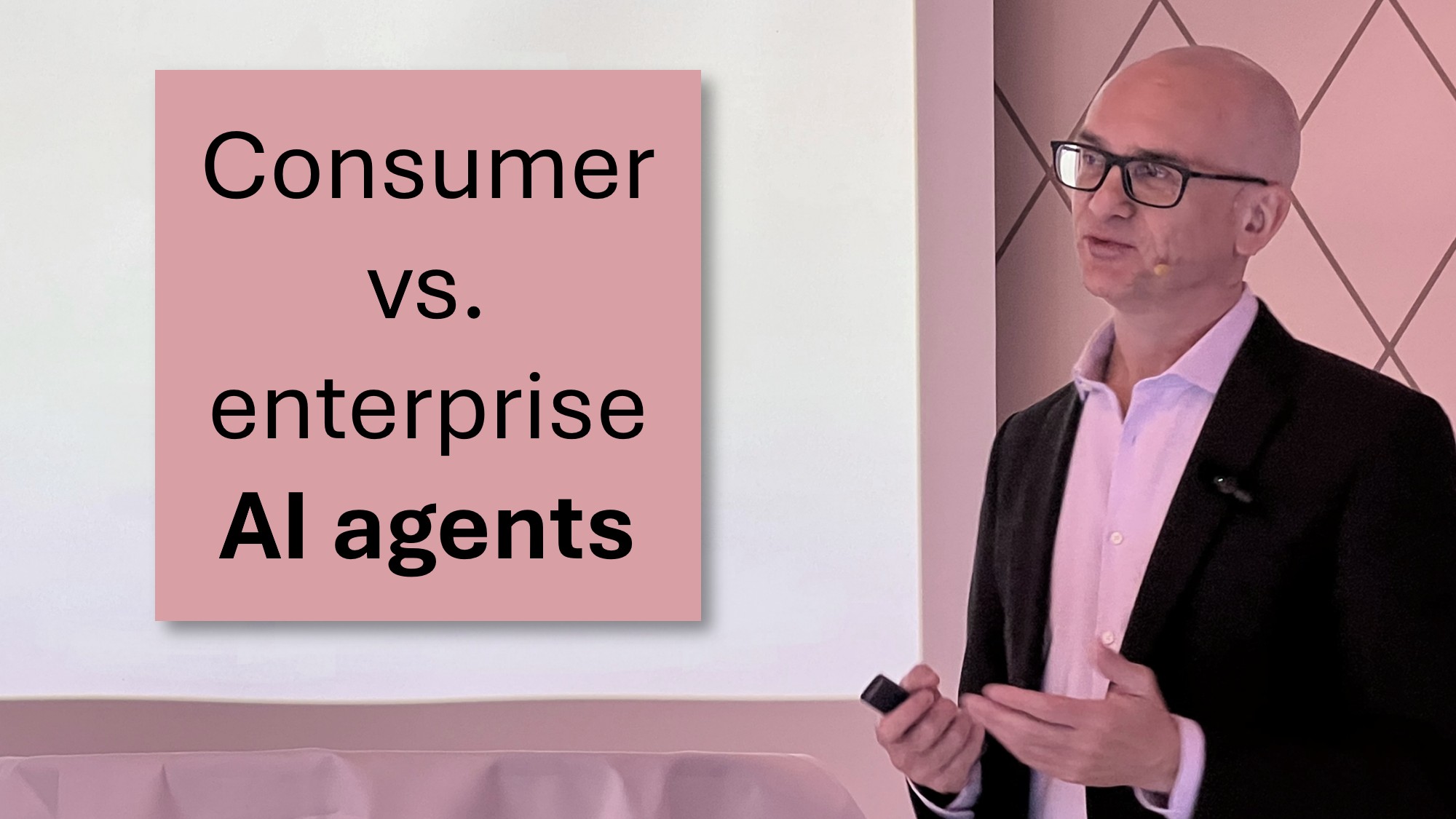 Consumer vs. enterprise AI agents