Jul01
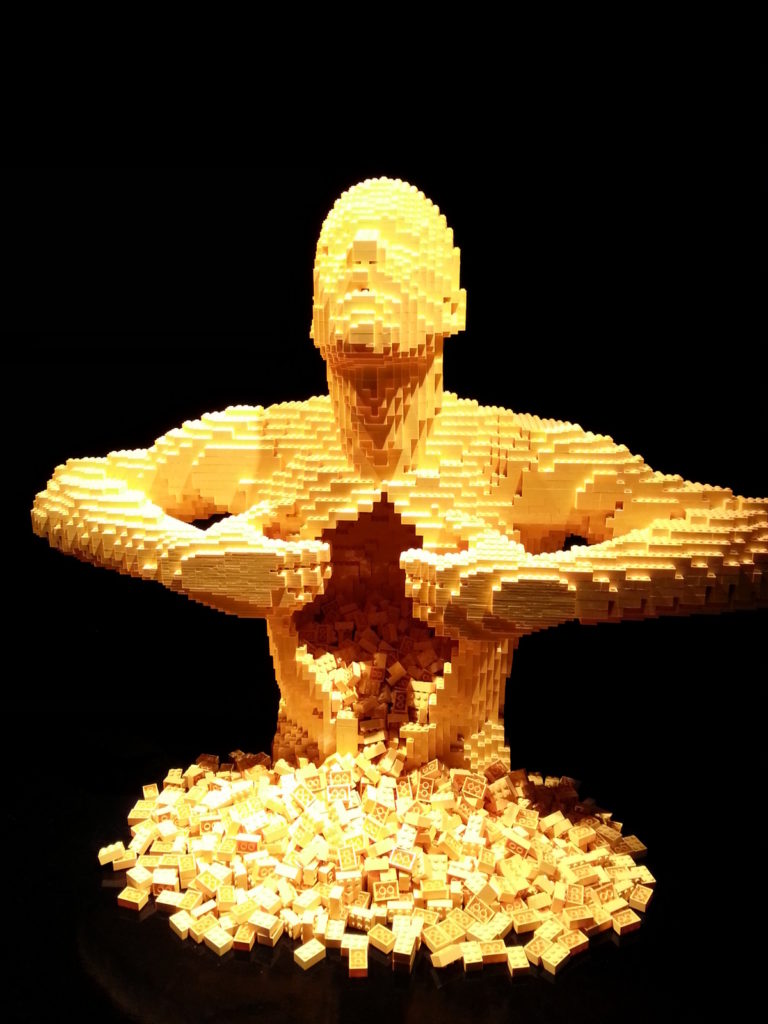
There is a question sitting underneath every boardroom AI strategy, every prompt typed into every chatbot, every "content calendar" now quietly outsourced to a machine, and almost nobody is asking it out loud. Is the machine creating? Or is it assembling? I believe the answer matters more than most leaders realise. Get it wrong, and you'll build your strategy, your team, even your sense of self-worth, on a foundation that cannot hold the weight you're about to put on it.
Sir John Lennox, the Oxford mathematician, has spent decades making a distinction that our culture keeps losing sight of: intelligence and consciousness are not the same thing. A system can process information brilliantly and still not know what any of it means. It can manipulate symbols with breathtaking fluency and still have nobody home. That's what today's AI does. It has read an almost unimaginable share of everything humanity has ever written, mapped the patterns beneath it, and now produces new arrangements of those patterns on demand. Ask it for a poem, a strategy paper, or a sermon outline; it will assemble one fast and often impressively. But notice the word: assemble. It is not reaching into a lived experience of loss, or wonder, or conviction, and pulling language up from there. There is no "there" there. It is recombining what we have already made brilliantly, tirelessly, but derivatively. Competence at output is not evidence of comprehension at the source. Fluency is not the same as meaning it.
Here is where I part company with the prevailing narrative and where Scripture, not just philosophy, gives us the sharper answer. Genesis opens with a Creator who makes something out of nothing. Not recombination. Not remixing what already existed. Creation, in the fullest sense. And then that same Creator does something extraordinary: He makes human beings in His image and hands us, in derivative but genuine form, a share in that same creative capacity. That is why a composer can hear a chord progression that has never existed in quite that order, and mean it mean it as grief, as gratitude, as an act of worship. That is why an entrepreneur can look at chaos and see a business nobody has built yet. The idea doesn't arrive from nowhere. It arrives from someone, a person with an interior life, a conviction, a stake in the outcome, something of themselves poured into the making. AI has no interior life to pour. It has no stake. It cannot lose sleep over whether a sentence is honest. It cannot worship. It cannot repent of a bad idea. It has never once, in the history of its existence, meant a single word it has ever produced. You have. Every day.
This isn't a technophobic message; I've spent thirty-plus years helping organisations adopt exactly these technologies with wisdom and courage, not fear. But wisdom starts with getting the categories right. Use AI to assemble drafts, summarise data, accelerate the mechanical parts of the work and never mistake its output for the voice only you can bring, the one shaped by your story, your convictions, your walk with God. Protect the image-bearers on your team, too. If leadership becomes "prompt and approve," you will quietly train your people out of the very capacity that makes them irreplaceable: the courage to originate something true that didn't exist yesterday. And lead from conviction, not from the machine's confidence. AI will hand you a fluent, plausible answer every time, whether or not there's truth in it. Discernment, knowing which of those answers is actually right, actually good, actually yours to say, remains, and will always remain, a human and spiritual responsibility.
The marketplace is shifting fast, and I believe much of that shift is being permitted, even signalled, for those with ears to hear. But the tools changing don't change the calling. You were not made to assemble what already exists. You were made, deliberately, in the image of a Creator who speaks worlds into being, to create what has never existed before: a life, a business, a piece of art, a word spoken in season, that carries something of you nobody and nothing else could have produced. The machine can arrange the notes. Only you can write the song and mean it. That is not a threat from the age of AI. It's a clarifying gift.
By David Food
Keywords: AI, AI Ethics, Leadership
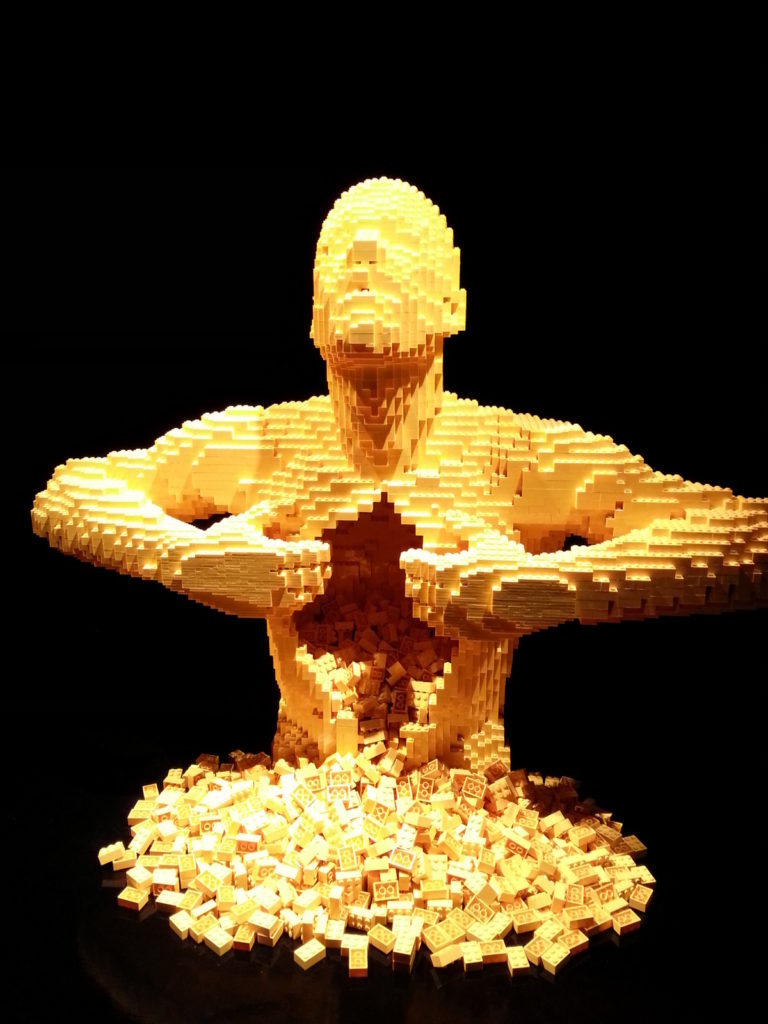 AI is just a very clever AssemblerAI is just a very clever Assembler
 Becoming a Better Strategic Thinker
 The Amateur CEO: Is Coaching as Much of a Performance Differentiator for Executives as It Is for Athletes?
 How to Go From Culture Clash to Culture Match