Sep14
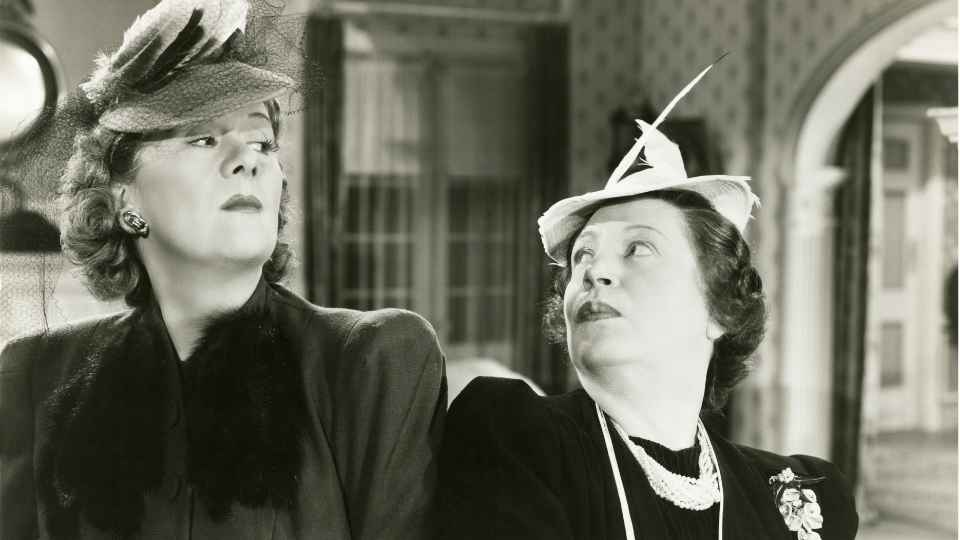
My friend rang me the other day and said she was hanging out with her current boyfriend. That was news to me. "What's his name," I askd her. "Claude," she replied. AI is in the hosue and it isn't going anywhere. It's poeple's pseudo therapist, travel agent, lead generator, ptich document creator, recipe writer, stand in BF, award writer and photographer.
AI is still in its infancy. It's ever evloving and as it changes and adapts to our needs, our tolerance for what feels normal will also have to evolve. Which is hard because so much of how we talk/think about life, the universe and everything is often expressed as absolute or linear. This way or that way. There’s little room for shades of grey and the middle ground these days.
You might find an AI-edited image is inauthentic to you. But in a few years, will we even think twice about it? I’m sure when the printing press was invented, there were people rocked and shocked with what it meant for the written word. What about when photography challenged ideas of art? Or what email did to postal services? Or how photoshop changed what we believed we were seeing or how social media changed how we presented ourselves?
Technology often moves faster than our comfort zones.
Sure, people are tired of synthetic-looking personal brands, uncanny AI headshots, fake lifestyle imagery, and businesses presenting synthetic imagery as an authentic representation of their brand. But we’re all experimenting and having a go. Are we being a bit gung-ho in taking an absolute stance on these experiments while we’re still working out how AI can help in our businesses?
Taking a ‘you’re using AI so I’m not doing business with you’ stance edits nuance from our decision making. AI editing could mean removing a distracting object, extending a background, correcting lighting, cleaning up an old photograph, resizing creative, or a conceptual campaign visual. Those things tell you almost nothing about someone’s integrity, abilities or whether you should do business with them. Making a blanket rule not to do business with someone based on their use of AI feels a bit unfair. It also doesn't factor in not everyone is flush with a mrketing budget. Those who are just starting out in business don't have the fund to outsource to a specialist; they use what they can.
Those things don’t really tell you much about whether someone is good at what they do, decent to deal with or worth doing business with. Writing someone off for using AI feels unfair. AI might be the new kid on the block, but altering images using Photoshop, filters, colour grading, retouching, compositing, and stock photos blurred the line between real and tweaked years ago.
This shift towards absolutism is changing how we perceive people and topics. We’ve gone from ‘I don’t like this’ to ‘this is bad’; from ‘this makes me uncomfortable’ to ‘people who do this are untrustworthy’; from ‘I choose to work this way’ to ‘I want nothing to do with people who do that’. It moves from an inner reflection of your own feelings to an external judgement of others. Say goodbye to how, why, degree, context and intent.
Perhaps the stronger position isn’t ‘never AI’ or ‘AI everything’. Maybe it’s more nuanced than that: does the execution strengthen trust, or undermine it? Instead of delivering a fait accompli about people using AI, maybe a more even-handed stance is to ask: is what’s being shown honest and responsible? Is it someone having a crack, or is it intended to deceive?
As a small business person, who doesn’t have a never-ending budget for marketing, graphic design and all the other bits of business that’d be fabulous to outsource, AI has leveled the playing field in so many areas of my business. As much as I’d like to farm work out, AI means, for a few hundred bucks a month, I have a tool that manages my workflow, monitors my emails, reminds me to send invoices and sometimes creates marketing materials that I’d spend valuable productive time wrestling with. I know it’s not perfect, it makes mistakes (does it make me crazy that I swear at Claude and ChatGPT when it acts like a toddler not using their listening ears?) but then neither are human beings.
Absolutes can feel principled or that you’ve climbed onto the moral high ground and planted a flag there. The problem with taking a hard line is that you can end up backing yourself into a corner.
AI is only going to get better, easier and more widely used. It’ll just become part of how we work, like the fax machine, the PC or the laptop did. The people saying no, no, never now will be using it at some time in their future. So planting a flag deep in the absolute mountain could come back to bite you on the butt. Chances are you’ll be using it for something, somewhere in your business to make your life easier. People remember absolutes. Hypocrisy, anyone?
Keywords: AI, Personal Branding, Public Relations
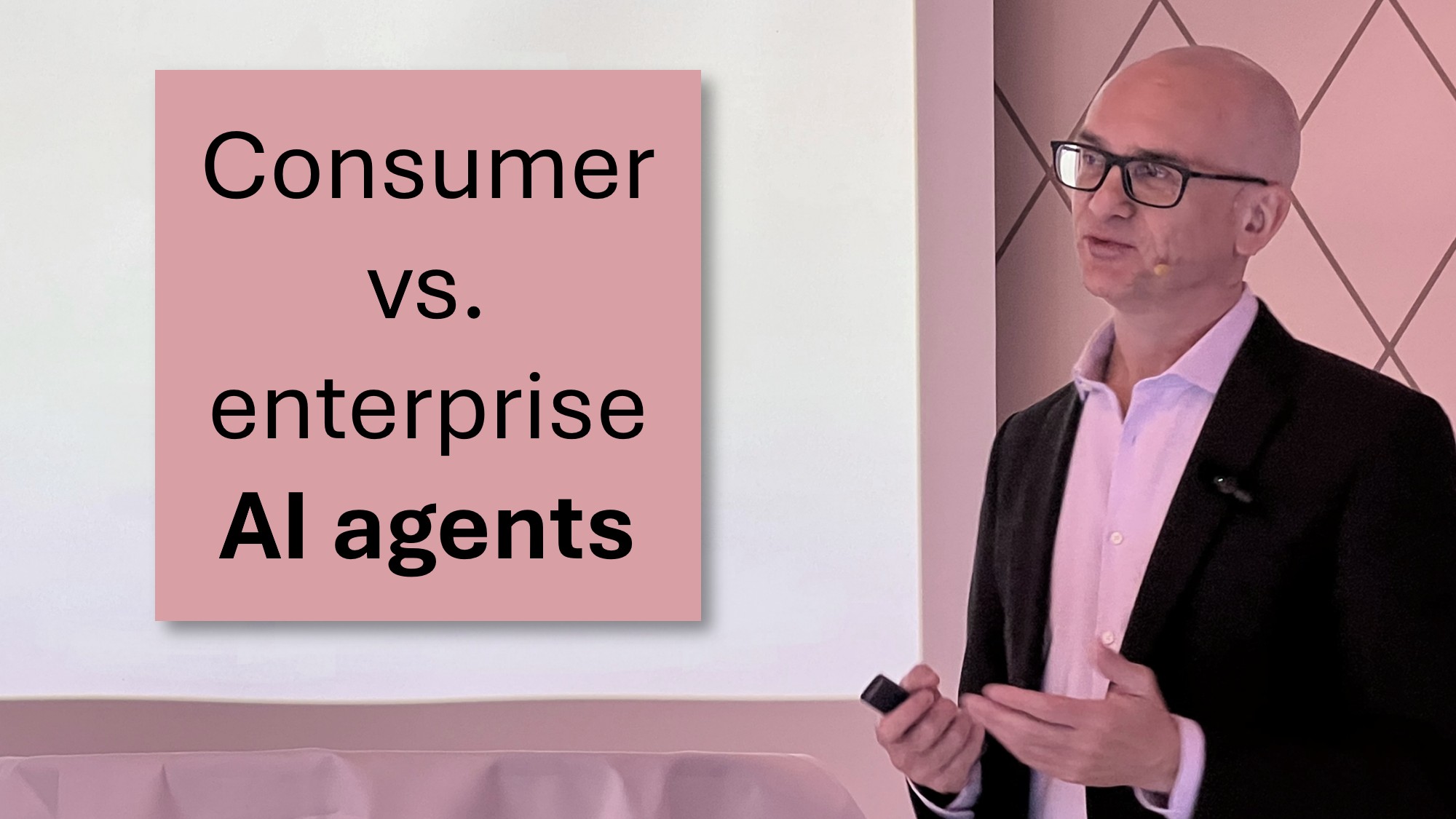 Consumer vs. enterprise AI agents
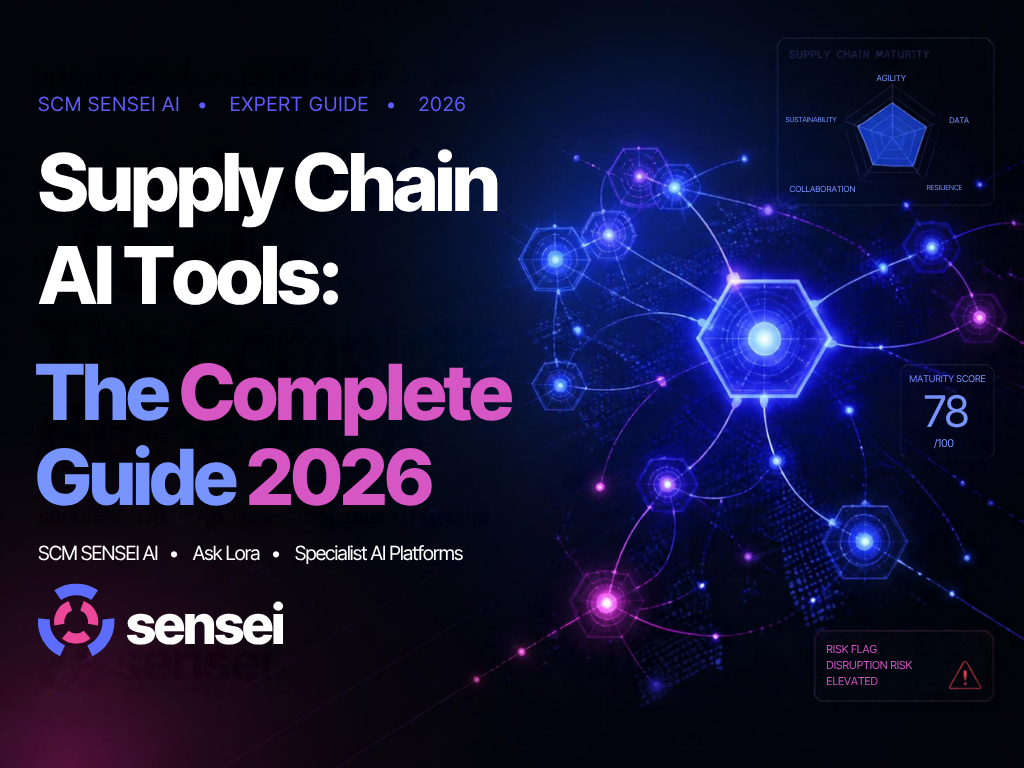 Best Supply Chain AI Tools in 2026: SCM SENSEI AI and Ask Lora Compared
 Making Silos Permeable
 The Corix Partners Friday Reading List - October 2, 2026
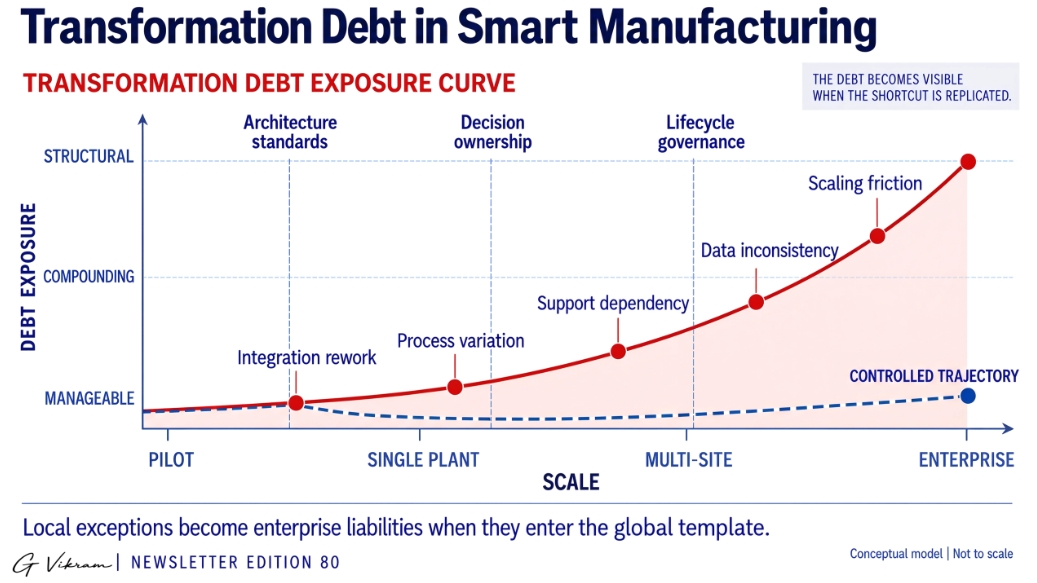 The most dangerous debt in a smart factory isn’t financial.