


Vishal Ramlal, MISM, CDMP, is a Digital Marketing and Brand Strategy leader with more than a decade of experience driving digital transformation, brand development and customer engagement initiatives across the Caribbean.
As Regional Digital Marketing Manager for one of the Caribbean's largest retail groups, he leads digital strategy, performance marketing, brand governance and customer engagement programmes across multiple markets and brands.
Vishal is also Co-Founder of Nexus Digital Marketing, a consultancy focused on helping professionals and organisations strengthen their visibility, positioning and authority through strategic personal branding, executive presence and LinkedIn thought leadership.
His work sits at the intersection of branding, communications, leadership and digital strategy, with a particular focus on how professionals and organisations can build trust, influence and relevance in an increasingly digital-first world.
Through his writing and research, Vishal explores topics including personal branding, digital transformation, leadership positioning, marketing strategy and the future of professional identity. He has been recognised by Thinkers360 as a Top 100 Thought Leader in both Personal Branding and Careers.
Available For: Advising, Consulting
Travels From: Port of Spain
| Vishal Ramlal MISM, CDMP | Points |
|---|---|
| Academic | 179 |
| Author | 68 |
| Influencer | 16 |
| Speaker | 0 |
| Entrepreneur | 28 |
| Total | 291 |
Points based upon Thinkers360 patented algorithm.

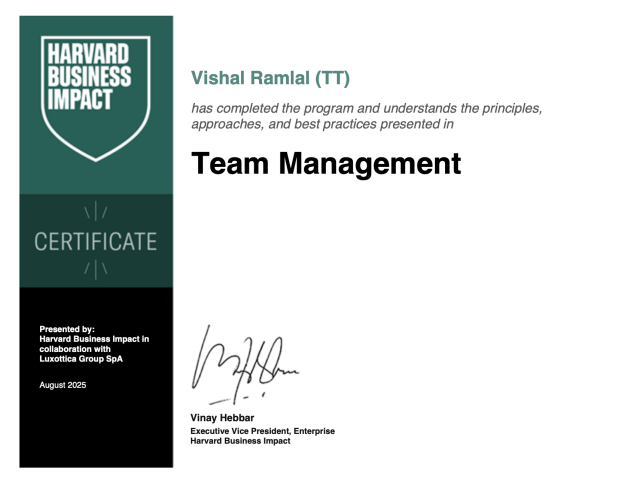 Team Management
Tags: Leadership
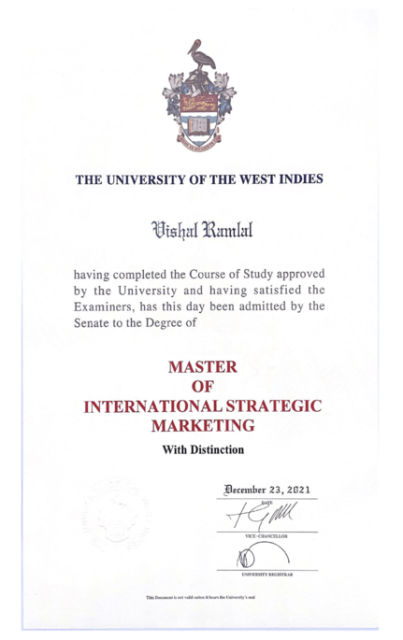 Master of International Strategic Marketing (MISM)
Tags: Marketing
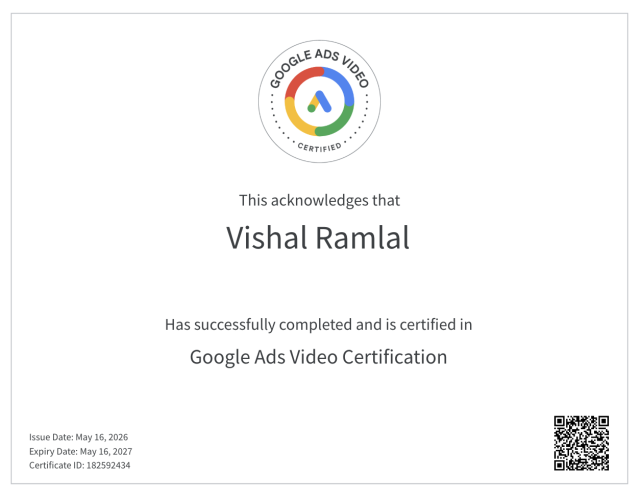 Google Ads Video Certification
Issued May, 2026 – Expires May, 2027
Tags: Business Strategy, eCommerce, Marketing
 Marketing with Canva Certification
Credential ID ff9660
Tags: Design, Marketing, Personal Branding
 Agorapulse User Certification
Tags: Business Strategy, Marketing, Social
 Generative AI for Marketing Professional Certificate
Tags: Generative AI, Marketing, Personal Branding
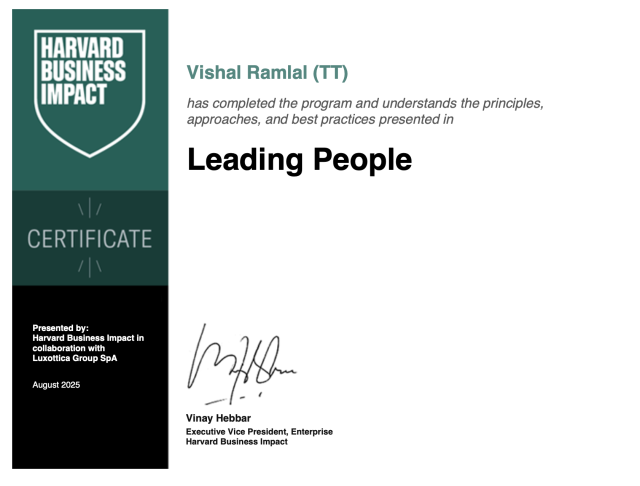 Leading People
Tags: Business Strategy, Careers, Leadership
 Certified Marketing Insider
Tags: Leadership, Marketing, Personal Branding
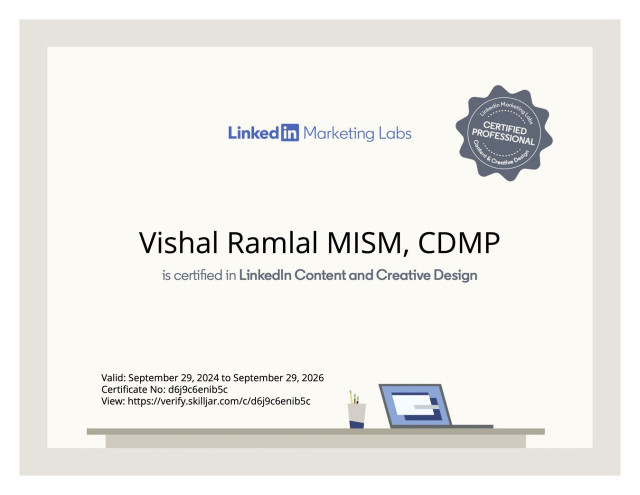 LinkedIn Content and Creative Design
Issued Sep, 2024 – Expired Sep, 2026
Tags: Leadership, Marketing, Personal Branding
 Community Manager Certification
Issued Sep, 2024 – Expired Oct, 2026
Tags: Customer Experience, Leadership, Metaverse
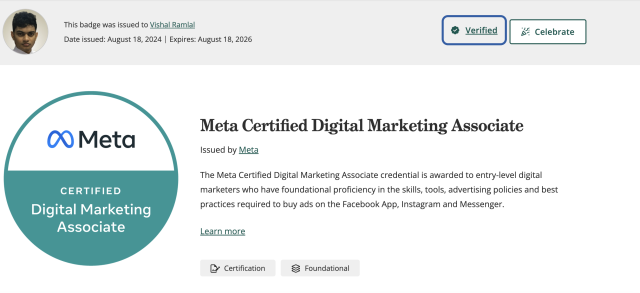 Meta Certified Digital Marketing Associate
Issued Aug, 2024 – Expired Aug, 2026
Tags: Digital Transformation, Marketing, Metaverse
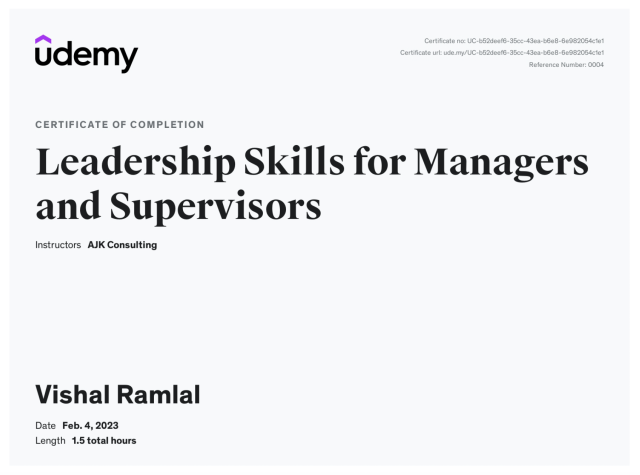 Leadership Skills for Managers and Supervisors
Credential ID UC-b52deef6-35cc-43ea-b6e8-6e982054c1e1
Tags: Careers, Leadership, Management
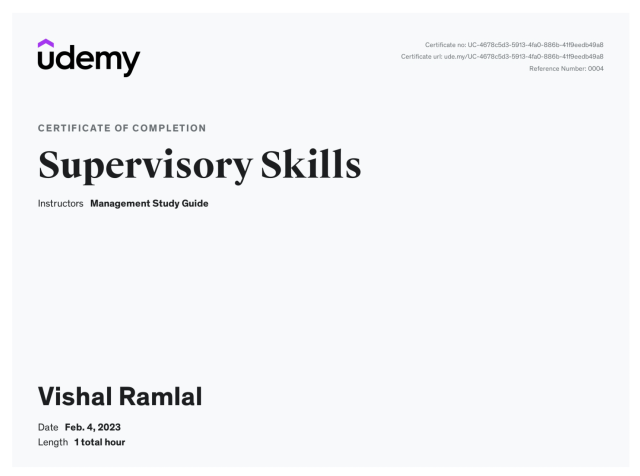 Supervisory Skills
Tags: Careers, Leadership, Management
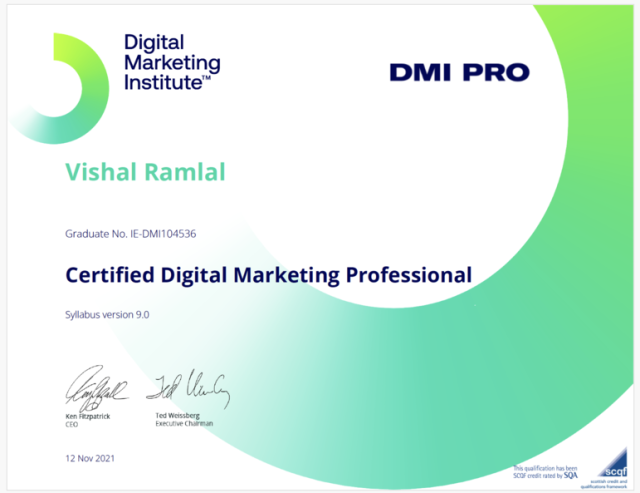 Certified Digital Marketing Professional (CDMP)
Credential ID IE-DMI104536
Tags: Digital Transformation, Marketing, Personal Branding
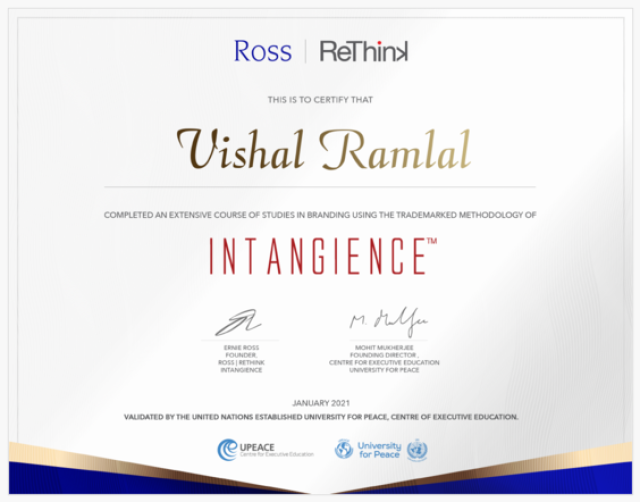 Intangience Brand Strategy Certification
Tags: Leadership, Marketing, Personal Branding
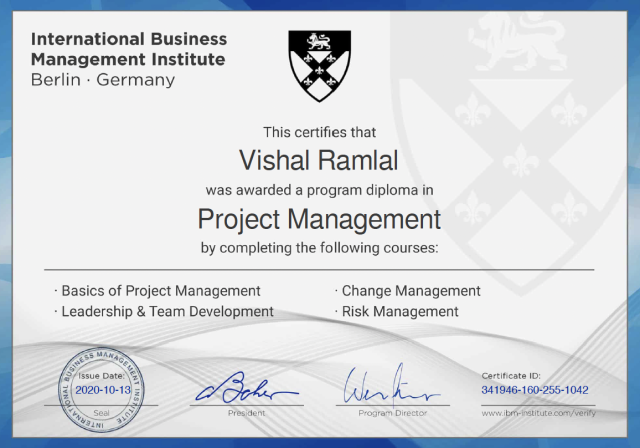 Project Management Diploma
Credential ID 341946-160-255-1042
Tags: Business Strategy, Leadership, Management
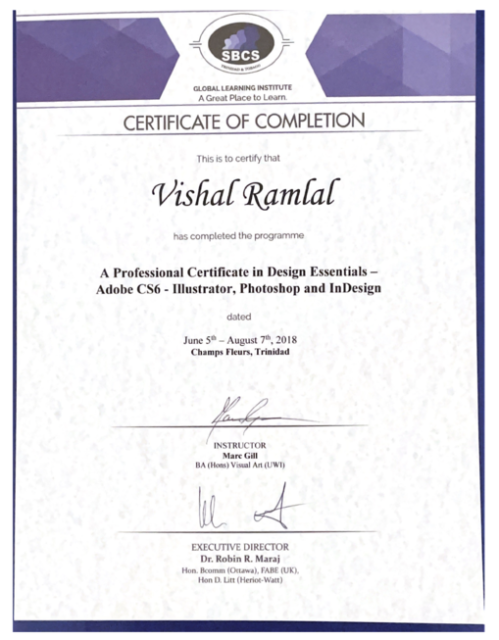 Professional Certificate in Design Essentials
Tags: Design, Marketing, Personal Branding
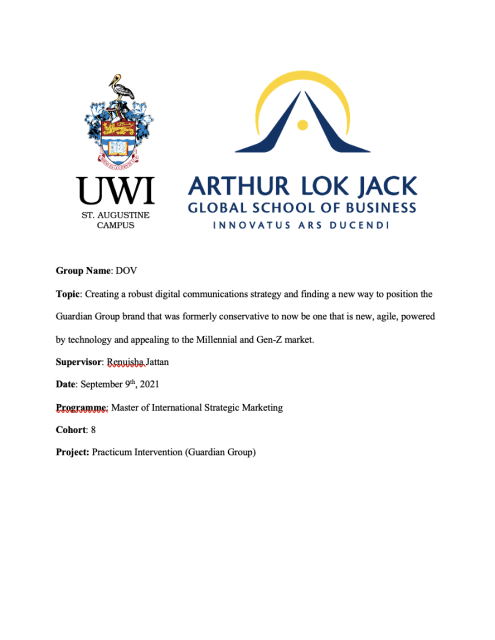 Creating a robust digital communications strategy and finding a new way to position the Guardian Group brand that was formerly conservative to now be one that is new, agile, powered by technology and appealing to the Millennial and Gen-Z market.
Tags: Customer Experience, Digital Transformation, Marketing
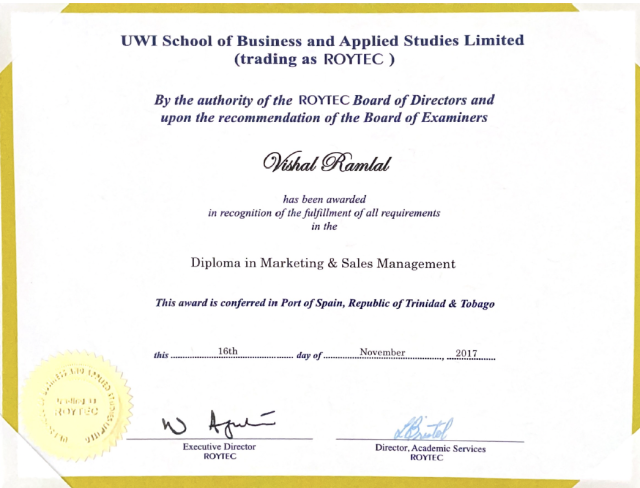 Diploma in Marketing and Sales
Tags: Management, Marketing, Sales
 Building a 50,000+ Subscriber Retail Audience Through WhatsApp Channels
Tags: Customer Experience, Customer Loyalty, Marketing
 The Executive Positioning Gap
Tags: Careers, Leadership, Personal Branding
 The Dangerous Comfort of Power
Tags: Business Strategy, Change Management, Leadership
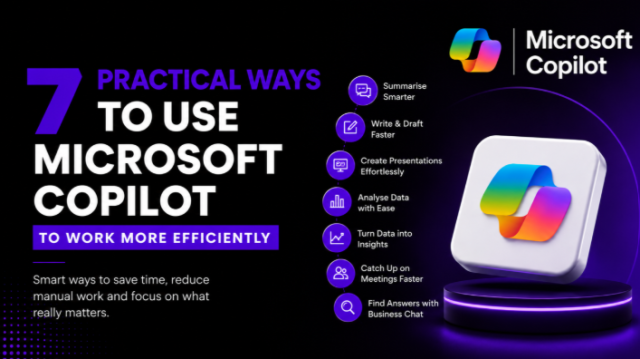 7 Practical Ways to Use Microsoft Copilot to Work More Efficiently.
Tags: Analytics, Digital Transformation, Generative AI
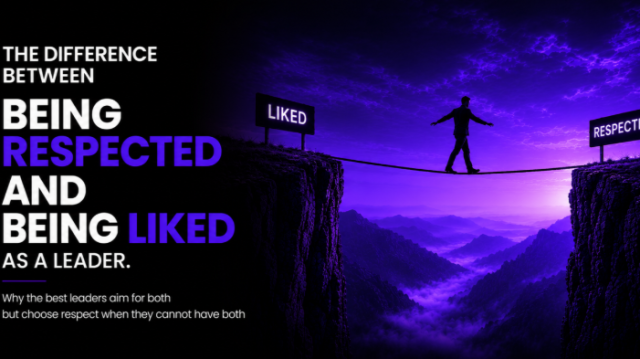 The Difference Between Being Respected and Being Liked as a Leader
Tags: Coaching, Culture, Leadership
Tags: Leadership, Marketing, Personal Branding
 Blog
Blog
Tags: Leadership, Marketing, Personal Branding
 Authority Is Assigned. Command Is Earned.
Tags: Leadership, Marketing, Personal Branding
Tags: Leadership, Marketing, Personal Branding
 Your Career Is Your Responsibility
Tags: Careers, Coaching, Leadership
 Why Experienced Professionals Still Feel Invisible on LinkedIn (And How to Fix It)
Tags: Careers, Leadership, Personal Branding
 Blog
Blog
Tags: Leadership, Marketing, Personal Branding
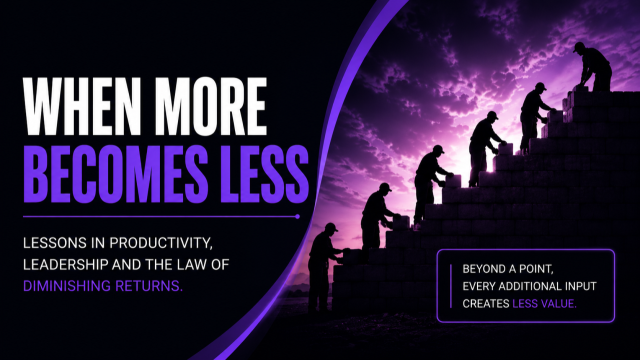 When More Becomes Less
Tags: Business Strategy, Leadership, Transformation
 The Art of Non-Communication
Tags: Change Management, Culture, Leadership
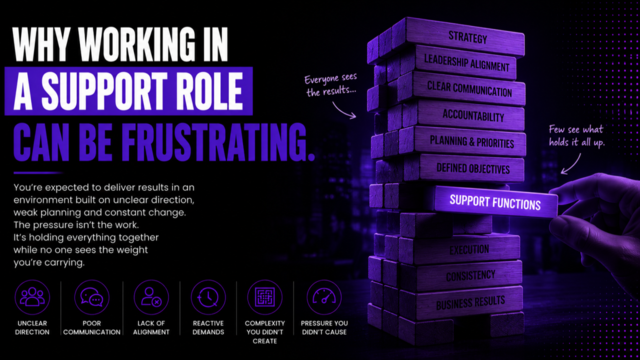 Why Working in a Support Role Can Be Frustrating
Tags: Business Strategy, Culture, Leadership
 What We're Learning From LinkedIn Positioning Assessments
Tags: Careers, Leadership, Personal Branding
Tags: Leadership, Marketing, Personal Branding
 A Title Creates Authority, But It Does Not Create Competence
Tags: Culture, Leadership, Management
 How to Bring Your Personal Brand to Life on LinkedIn
Tags: Careers, Marketing, Personal Branding
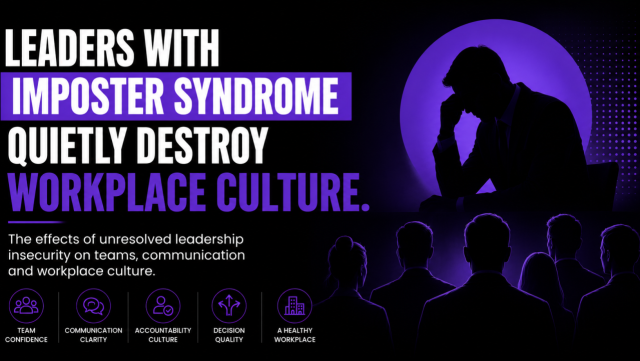 Leaders With Imposter Syndrome Quietly Destroy Workplace Culture
Tags: Change Management, Culture, Leadership
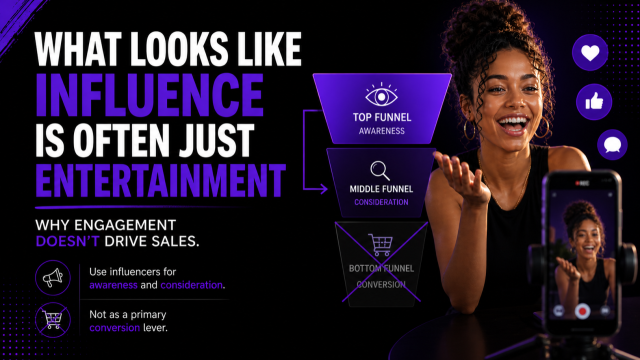 What Looks Like Influence Is Often Just Entertainment
Tags: Business Strategy, Customer Experience, Marketing
 When Emotional Intelligence Becomes a Leadership Liability
Tags: Change Management, Culture, Leadership
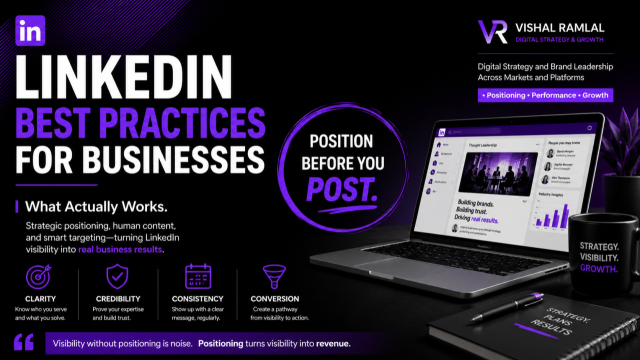 LinkedIn Best Practices for Businesses? Here's What Actually Works
Tags: Business Strategy, Leadership, Marketing
 Personality Is the Operating System Behind Performance
Tags: Change Management, Culture, Future of Work
 Why Caribbean Executives Are Invisible on LinkedIn — And Why That's a Business Risk
Tags: Business Strategy, Entrepreneurship, Future of Work
Tags: Leadership, Marketing, Personal Branding
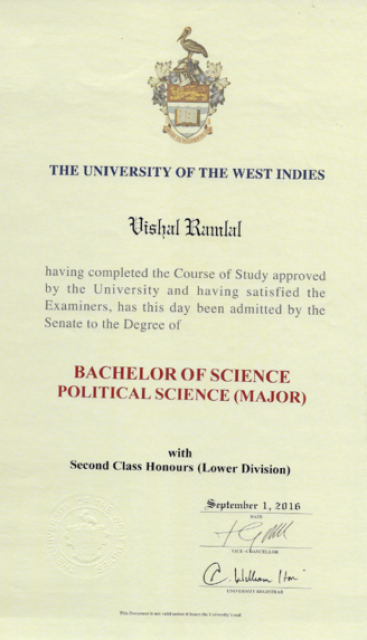 Bachelor of Science (BSc) Political Science
Tags: International Relations
 LinkedIn Positioning Diagnostic Framework
Tags: Careers, Marketing, Personal Branding
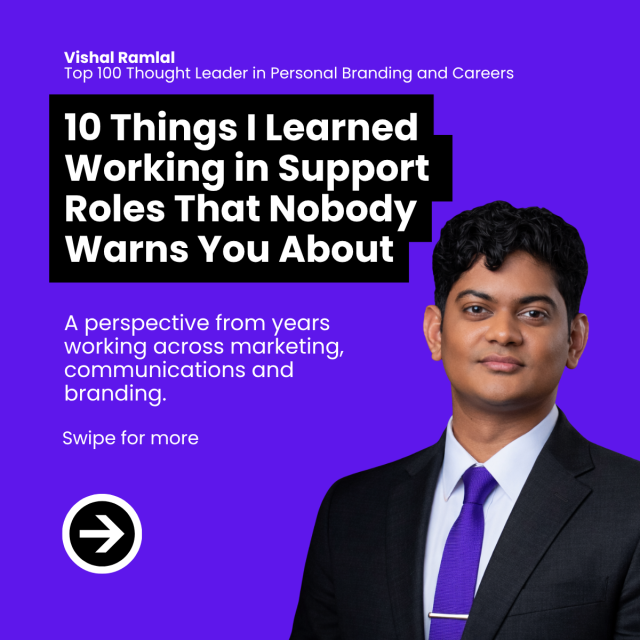 10 Things I Learned Working in Support Roles
Tags: Business Strategy, Future of Work, Leadership
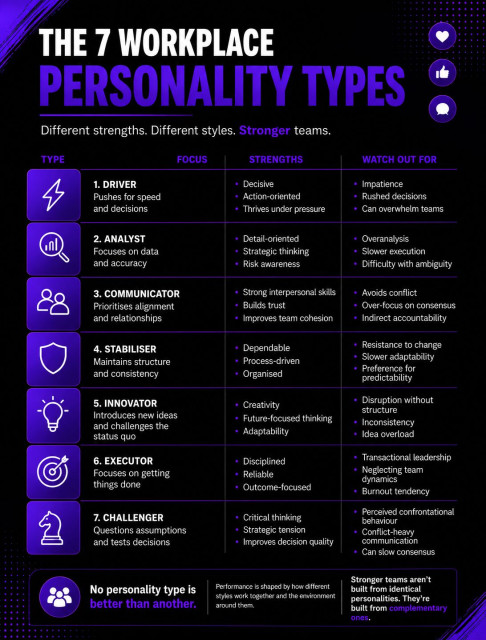 The 7 Workplace Personality Types
Tags: Culture, Leadership, Management
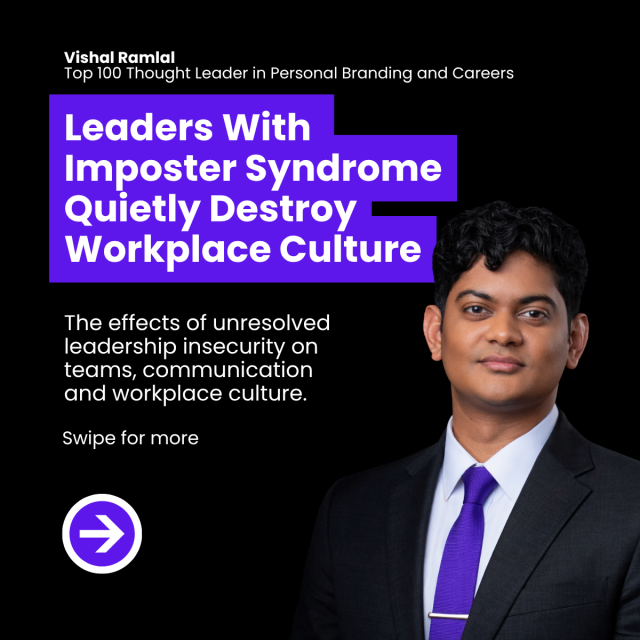 Leaders With Imposter Syndrome Quietly Destroy Workplace Culture
Tags: Culture, Leadership, Management
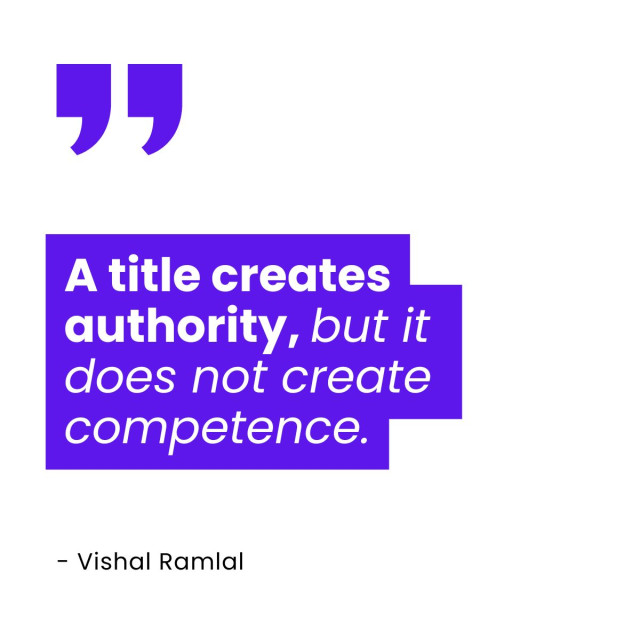 If Everything Is a Priority, Then Nothing Is a Priority
Tags: Business Strategy, Leadership, Management
 8 Common LinkedIn Profile Mistakes
Tags: Management, Marketing, Personal Branding
 Your LinkedIn Profile Is Working Even When You're Not
Tags: Marketing, Personal Branding, Social
 Communication Standards: C-Suite
Tags: Business Strategy, Careers, Leadership
 Communication Standards: Executive/Director
Tags: Business Strategy, Careers, Leadership
 Communication Standards: Senior Manager
Tags: Business Strategy, Careers, Leadership
 Communication Standards: Mid-Level/Manager
Tags: Business Strategy, Careers, Leadership
 Communication Standards: Entry-Level
Tags: Careers, Culture, Leadership
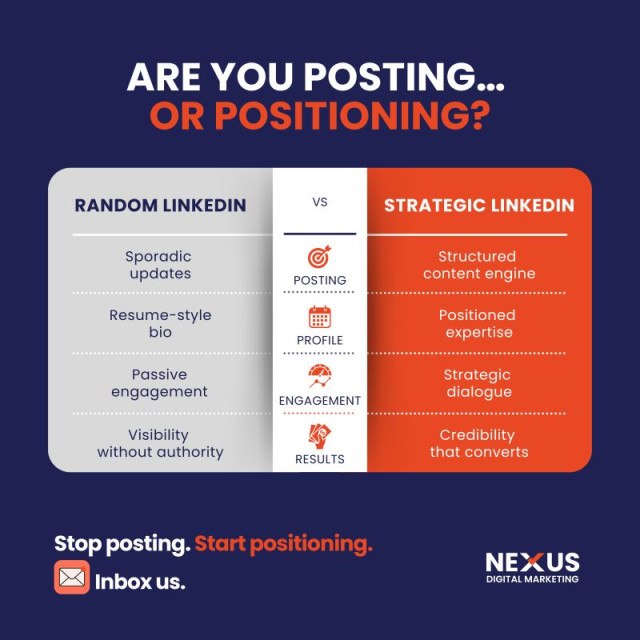 Are You Posting Or Positioning on LinkedIn?
Tags: Business Strategy, Marketing, Personal Branding
 Customer Success Collective Member
Tags: Customer Experience, Customer Loyalty, Marketing
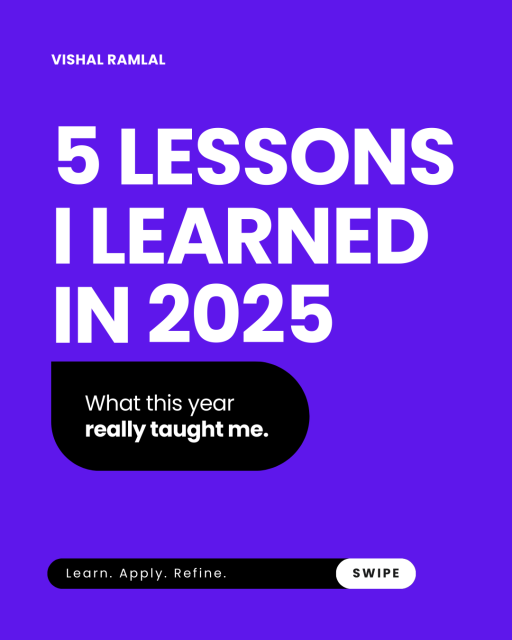 2025: Lessons That Shaped How I Build
Tags: Careers, Entrepreneurship, Leadership
 Courts Samsung Football Striker: Regional Digital Engagement Platform
Tags: Marketing

 The Executive Positioning Gap: Why Capable Leaders are Misunderstood, Underestimated and Overlooked
Tags: Leadership, Personal Branding, Careers
 The Dangerous Comfort of Power
Leadership changes people in many ways.
It changes the decisions they are trusted to make, the influence they have over others and the responsibilities they carry. What I have come to realise throughout my career, however, is that power can also change something far more subtle. It can change what people no longer feel responsible for.
Early in our careers, accountability is unavoidable. We prepare because we know we will be questioned, we continually learn because gaps in our knowledge are quickly exposed and we remain curious because our credibility depends on it. Our ideas are challenged, our recommendations are scrutinised and our understanding is tested almost every day.
Ironically, those pressures can begin to disappear as people move into positions of authority.
The higher someone rises within an organisation, the fewer people are willing to challenge them. Over time, that can reduce the pressure to prepare, to learn and to remain intellectually curious. Without realising it, leaders can begin relying on their position to compensate for the very habits that helped them earn that position in the first place.
That, to me, is the dangerous comfort of power.
One of my earliest experiences of this came while working for a government corporation, where part of my role involved taking minutes during council meetings. Sitting quietly in those meetings gave me an unusual perspective because I was able to observe senior decision-makers without participating in the discussions myself.
I remember meetings where appointed councillors would spend hours asking questions that had already been answered or debating relatively straightforward issues that contributed very little to moving the discussion forward. Whether intentional or not, their position gave them the ability to consume everyone else's time with very little consequence. Very few people challenged them and the meeting simply continued.
At the time, I assumed that behaviour was unique to that environment.
Years later, after moving into the corporate world, I encountered the same pattern in a completely different form. As someone responsible for digital marketing, I regularly found myself explaining digital concepts to senior leaders. I never expected them to become specialists in my field, nor should they have been. Explaining unfamiliar subjects is part of every specialist's role.
What surprised me was how often the same conversations happened.
The answers had not changed.
The resources already existed.
The explanations had already been provided.
Yet because digital marketing sat outside their immediate priorities, there was very little incentive to invest time in truly understanding it. Whenever the topic resurfaced, they simply asked again.
That experience made me realise that the issue was not intelligence. It was consequence.
Power had become armour against accountability.
Leadership naturally provides access to specialists, analysts, advisors and subject matter experts. There is absolutely nothing wrong with that. In fact, great organisations depend on people with different areas of expertise working together.
The danger begins when access to expertise becomes a substitute for developing enough understanding to make informed decisions.
Over time, leaders can begin outsourcing more than work; they begin outsourcing understanding itself. Someone prepares the presentation, someone interprets the data, someone explains the technology, someone summarises the report and someone answers the difficult questions. Before long, it becomes possible to occupy a position of significant authority while becoming increasingly disconnected from the knowledge required to lead effectively.
The irony is that the people making the most important decisions often experience the least pressure to continue learning. That should concern every organisation because leadership is not simply about making decisions. It is about making informed decisions.
The best leaders I have worked with have never used their position as a shield. They asked questions because they genuinely wanted to understand, not because they expected someone else to think on their behalf. They welcomed challenge because they recognised that disagreement improves judgement and they invested time in understanding unfamiliar subjects even when they could easily have delegated that responsibility to someone else.
There is an important difference between relying on experts because they possess deeper knowledge than you and relying on experts because you never felt the need to learn in the first place.
One reflects humility. The other reflects complacency.
Power should never become armour against accountability.
It should never protect leaders from preparation, learning, challenge or intellectual accountability. If anything, the higher we rise, the greater our responsibility becomes to remain informed, curious and willing to have our thinking tested.
The greatest danger of power is not that it changes how other people treat us.
It is that, if we are not careful, it changes what we believe we no longer need to do.
Eventually, our position begins to protect us from the very behaviours that earned us that position in the first place.
That is the dangerous comfort of power.
Tags: Business Strategy, Leadership, Management
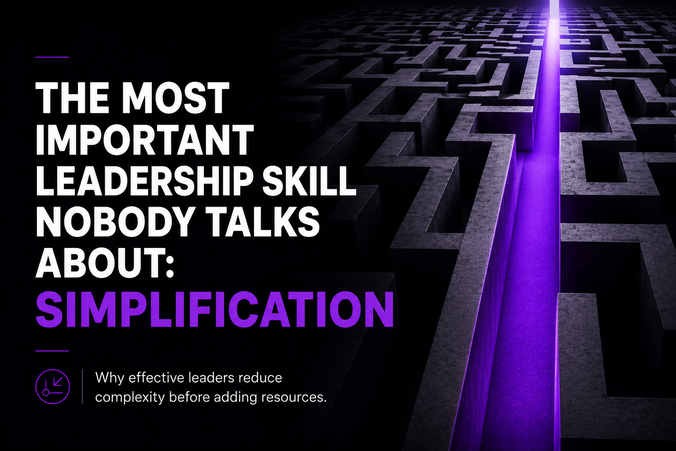 The Most Important Leadership Skill Nobody Talks About: Simplification
Leadership is often associated with growth, expansion and scale.
Organisations celebrate larger teams, increased investment, new initiatives and ambitious transformation programmes. Leaders are expected to drive momentum, create opportunities and build for the future. In many respects, this makes sense. Growth remains one of the clearest indicators of organisational success.
What receives far less attention is the discipline required to manage the complexity that growth inevitably creates.
Throughout my career, I have observed a recurring pattern across organisations of different sizes and levels of maturity. When performance challenges emerge, the instinctive response is often to add something. Additional resources are introduced, new meetings are scheduled, approval processes become more detailed and reporting requirements expand. Each intervention is usually well-intentioned and designed to improve outcomes.
However, what appears logical in isolation often produces unintended consequences when viewed collectively.
Every additional person creates new communication requirements. Every new stakeholder introduces another perspective that must be considered. Every additional approval step increases coordination requirements and slows decision-making. While capacity may increase, complexity often increases at an even faster rate.
As a result, organisations frequently find themselves in a position where activity is increasing but effectiveness is not.
This is one of the least discussed challenges in leadership. Most leaders understand the concept of resource constraints. Far fewer fully appreciate the organisational cost of complexity.
The challenge is that complexity rarely arrives all at once. It accumulates gradually through decisions that appear reasonable on their own. Over time, those decisions create layers of process, communication and oversight that become increasingly difficult to navigate. Teams spend more time coordinating work than completing it, decision-making slows, accountability becomes less clear and execution becomes harder despite the presence of capable people and sufficient resources.
The assumption that more automatically produces better outcomes is one of the most persistent myths in management.
Sometimes additional resources are exactly what an organisation needs. In many cases they are not. The real issue may be unclear priorities, inefficient processes, overlapping responsibilities or an inability to make decisions quickly and confidently. Adding more resources to these environments often addresses the symptoms while leaving the underlying problem untouched.
One reason leaders repeatedly fall into this trap is that addition feels productive.
When a problem emerges, the instinctive response is often to add something. Additional resources are allocated, another meeting is scheduled, a new report is requested or another layer of oversight is introduced. Each of these actions creates the appearance of progress because they are visible, measurable and relatively easy to justify.
Hiring additional employees is visible. Launching a new initiative is visible. Creating another reporting framework is visible. Adding another approval layer is visible. Simplification, by comparison, is often invisible.
Removing unnecessary meetings rarely attracts recognition, eliminating an approval step seldom appears on a performance scorecard and streamlining a process rarely receives the same attention as creating a new one. As a result, organisations often become exceptionally good at adding while becoming progressively worse at simplifying.
The irony is that many performance issues are not caused by a lack of activity. In fact, organisations are often busier than they have ever been. Meetings fill calendars, reports continue to multiply, initiatives expand and communication channels become increasingly crowded. Yet despite this activity, execution often becomes slower, decision-making becomes more difficult and teams struggle to maintain focus.
The issue is not always effort, commitment or capability. More often, it is complexity.
Complexity creates organisational costs that are rarely measured directly.
As complexity increases, communication naturally becomes slower because more people need to be informed, decision-making becomes more difficult because additional perspectives must be considered and accountability becomes less clear because ownership is increasingly distributed across larger groups. None of these effects appear dramatic in isolation, but collectively they can significantly reduce organisational effectiveness.
This is one of the reasons complexity can be difficult to identify. Unlike obvious operational failures, complexity accumulates gradually. It often emerges as a series of small inefficiencies that seem insignificant on their own but become highly consequential when combined.
Anyone who has worked in a large organisation has likely experienced this firsthand. A meeting that could have involved three people includes fifteen. A decision that should take a day takes two weeks. An approval that should require one sign-off requires six. A project that should move quickly becomes trapped in coordination, escalation and stakeholder management.
The organisation appears busy, yet progress feels disproportionately slow.
In many of these situations, the problem is not a lack of effort, capability or commitment. The problem is complexity. Teams become trapped in coordination, approvals, stakeholder management and administrative requirements that consume increasing amounts of time while creating relatively little value.
What makes this particularly challenging is that organisations often respond to these symptoms by introducing even more structure, more reporting and more oversight. In doing so, they inadvertently increase the very complexity that created the problem in the first place.
The most effective leaders I have observed share a common characteristic. They do not automatically respond to challenges by adding more people, more meetings, more processes or more oversight. Instead, they seek clarity before introducing complexity.
They ask whether additional resources are truly necessary or whether existing resources are being constrained by unnecessary friction. They challenge assumptions that have become embedded within organisational processes and question activities that continue to exist primarily because they have always existed.
Most importantly, they recognise that every additional person, process, meeting, report or approval creates both value and complexity. Effective leadership requires understanding both sides of that equation.
This does not mean avoiding growth or resisting change. Organisations need to evolve, invest and expand in order to remain competitive. The challenge is ensuring that growth remains intentional and that complexity does not increase faster than the value being created.
Strong leaders understand that simplification is not about doing less for the sake of doing less. It is about creating greater clarity, improving focus and removing obstacles that prevent people from performing at their best.
In many cases, the fastest way to improve organisational performance is not to add something new. It is to simplify what already exists.
Leadership is often measured by what leaders build, create and expand. Far less attention is given to what they remove.
As organisations grow, complexity becomes inevitable. New stakeholders emerge, communication requirements expand, additional processes become necessary and coordination becomes more challenging. The objective is not to eliminate complexity entirely because that is neither realistic nor desirable. The objective is to ensure complexity does not grow faster than value.
Throughout my career, I have rarely seen organisations struggle because they lacked things to do. More often, I have seen them struggle because they were trying to do too much, involving too many people, managing too many priorities and solving complexity with even more complexity.
The strongest leaders understand that simplification is not the opposite of growth. It is what makes sustainable growth possible.
Knowing when to add resources is important. Knowing when not to add them may be even more important.
Because one of the most overlooked leadership skills is not recognising when more is needed. It is recognising when more has become less.
Tags: Business Strategy, Leadership, Management
Location: Virtual Fees: Services start at US$350.
Service Type: Service Offered
The Executive Positioning GapThe Dangerous Comfort of Power7 Practical Ways to Use Microsoft Copilot to Work More Efficiently.