



My objective is to provide top quality FINTECH TRAINING FOR BANKERS.
David Gyori is a globally renowned Financial Technology trainer, author, consultant, and keynote
speaker. David is CEO of Banking Reports London, providing top quality ‘FinTech Training for Bankers’ all over the world. He is a ‘Top 50 Global Thought Leader and Influencer on FinTech’.
David is co-author of five internationally published books:
+ ‘The FinTech Book’ (Wiley & Sons, London, 2016)
+ ‘The WealthTech Book’ (Wiley & Sons, London, 2018)
+ 'The PayTech Book' (Wiley & Sons, London, 2020)
+ 'The AI Book' (Wiley & Sons, London, 2020) as well as
+ ‘WealthTech: Wealth and Asset Management in the FinTech Age' (IAP, USA, 2019)
‘The FinTech Book’ has quickly risen to the status of a global best seller. It has been translated to 10 languages and being sold in 100+ countries.
David is frequent keynote speaker of top international banking and FinTech events. He has provided advanced training programs face to face as well as online in 50+ countries in five years.
David holds multiple key international positions: He is Founding Member of the World FinTech Association (Seoul); CEO of Banking Reports Limited (London); International Resource Director of The Asian Banker Group (Singapore); Member of the Panel of Judges of the ‘International Excellence in Retail Financial Services Program’ (one of the most rigorous, prestigious and transparent awards programs for consumer financial services worldwide) as well as Member of the Panel of Judges of the ‘Financial Technology Innovation Awards Program’ (Singapore).
David spends significant time in Budapest, London as well as the Adriatic and when you contact him chances are he is delivering one of his global best seller training programs face to face or online to leading bankers in one of the 50+ countries he is actively working in.
Available For: Advising, Authoring, Consulting, Influencing, Speaking
Travels From: London
Speaking Topics: FinTech, Digital Banking, Banking Innovation
| David Gyori | Points |
|---|---|
| Academic | 0 |
| Author | 320 |
| Influencer | 302 |
| Speaker | 50 |
| Entrepreneur | 130 |
| Total | 802 |
Points based upon Thinkers360 patent-pending algorithm.

 Banking Frontiers Technoviti Awards
Tags: AI, Blockchain, FinTech
 Member of the Panel of Judges of the International Excellence in Retail Financial Services Program (Singapore)
Tags: Blockchain, Business Strategy, FinTech
 Member of the Panel of Judges of the Financial Technology Innovation Awards Program (Singapore)
Tags: AI, Blockchain, FinTech
 Crypto Crash: The Capital Currency-Crisis Coming
Tags: Cryptocurrency, FinTech, Risk Management
 10 WealthTech Trends
Tags: Digital Transformation, FinTech, Innovation
 21 Financial Technology Trends for 2021 by David Gyori
Tags: AI, Business Strategy, FinTech
 Intelligent Machines: The New Clients of Banks?
Tags: AI, Business Strategy, FinTech
 Gamification in Banking
Tags: Business Strategy, Digital Transformation, FinTech
 20 WAYS BANKS CAN WIN AI
Tags: AI, Emerging Technology, FinTech
 AI in Banking
Tags: AI, Digital Transformation, FinTech
 The Next Generation of Payments? YES.
Tags: Business Strategy, FinTech, Management
 Interview with David Gyori, CEO of Banking Reports
Tags: Business Strategy, FinTech, Risk Management
 The Deutsche Moment : Why Uncertainty Around Deutsche Bank Marks the End of the 2008 Crisis?
Tags: Business Strategy, FinTech, Risk Management
 Albania: a Diamond Being Polished
Tags: Business Strategy, FinTech, Risk Management
 7 Versions of Brexit
Tags: Business Strategy, FinTech, Risk Management
 RISING STARS: Overview of the great opportunities of FinTech in Africa
Tags: Blockchain, Cryptocurrency, FinTech
 5+1 Key Points of the Greek Tragedy
Tags: Digital Transformation, FinTech, Risk Management
 LUXEMBOURG - The Best Kept FinTech-Secret
Tags: Digital Disruption, Digital Transformation, FinTech
 5+1 Reasons Why the FED Should Raise Rates in June
Tags: Business Strategy, FinTech, Risk Management
 The AI Book
Tags: AI, Business Strategy, FinTech
 The PayTech Book
Tags: Business Strategy, Digital Transformation, FinTech
 WealthTech: Wealth and Asset Management in the FinTech Age
Tags: AI, Business Strategy, FinTech
 The WealthTech Book
Tags: Business Strategy, Digital Transformation, FinTech
 The FinTech Book
Tags: Business Strategy, Digital Transformation, FinTech
 International Resource Director
Tags: Blockchain, Business Strategy, FinTech
 CEO
CEO
Tags: Blockchain, Business Strategy, FinTech
 Founding Member
Tags: Blockchain, FinTech, Risk Management
 CEO
CEO
Tags: Blockchain, Business Strategy, FinTech
 Chairman of FINNOVEX Europe 2022
Tags: Digital Transformation, FinTech, Business Strategy
 How My Knowledge from Budapest Corvinus University Helps Me Professionally
Tags: Business Strategy, FinTech, Management
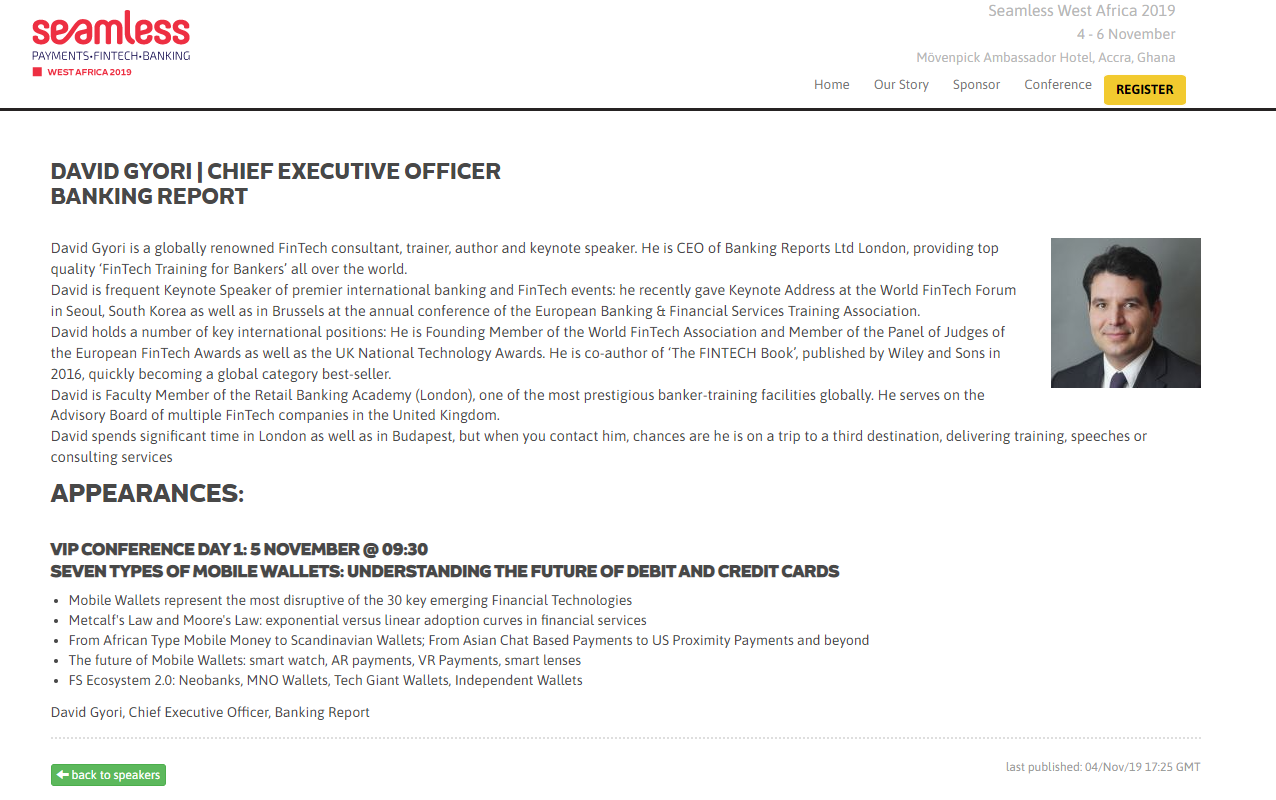 SEVEN TYPES OF MOBILE WALLETS: UNDERSTANDING THE FUTURE OF DEBIT AND CREDIT CARDS
Tags: FinTech, Mobility, Risk Management
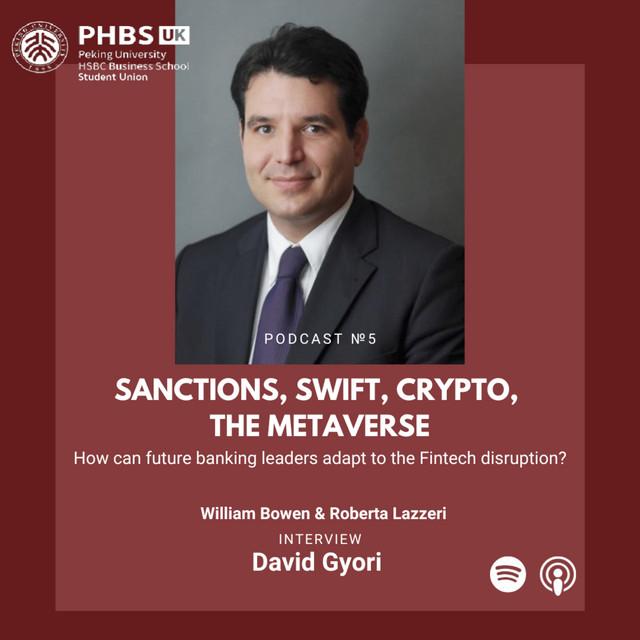 Sanctions, SWIFT, Crypto, the Metaverse: how can future banking leaders adapt to the Fintech disruption
Tags: Cybersecurity, FinTech, Risk Management

Tags: Business Strategy, Digital Transformation, FinTech

Tags: AI, Digital Transformation, FinTech
 The word is "Empathy" | AGI Inception Ep 9 | AI Podcast | David Gyori Fintech Influencer | On AiRR
Tags: AI, Business Strategy, FinTech

Tags: AI, Business Strategy, FinTech

Tags: AI, Business Strategy, FinTech
 EIAC Discusses FinTech with Mr. David Gyori
Tags: AI, Business Strategy, FinTech

Tags: AI, Business Strategy, FinTech
 Banking in 2050: What does the future hold?
Tags: Business Strategy, FinTech, Innovation

Tags: Business Strategy, Digital Transformation, FinTech
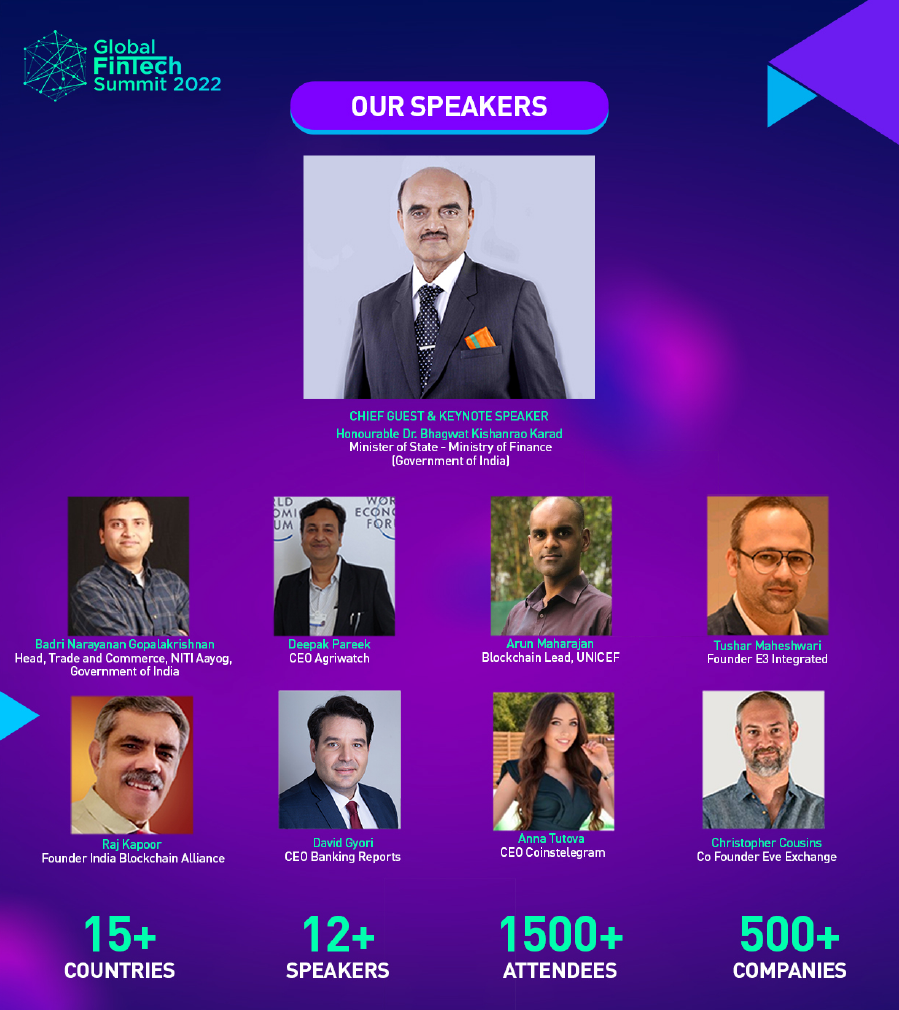 Global FinTech Summit
Tags: Blockchain, Business Strategy, FinTech
 Panel Moderator of the Innovators Panel at FINNOVEX Europe 2022
Tags: Business Strategy, Digital Transformation, FinTech
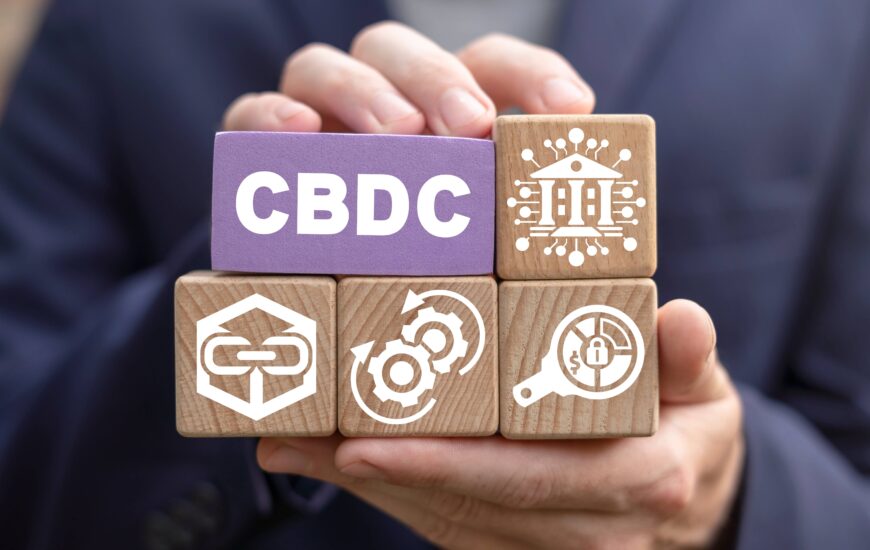 CBDC Masterclass: Central Bank Digital Currencies, Banking in the Age of Cashless Society
Tags: Blockchain, FinTech, Business Strategy
 Risk Management in the Age of FinTech
Tags: Cybersecurity, FinTech, Risk Management
 CRM Fundamentals and Practice
Tags: Business Strategy, CRM, Digital Transformation
 Blockchain in Mortgage Securitization
Tags: Blockchain, Business Strategy, FinTech

Tags: AI, Business Strategy, FinTech

Tags: Blockchain, Business Strategy, FinTech






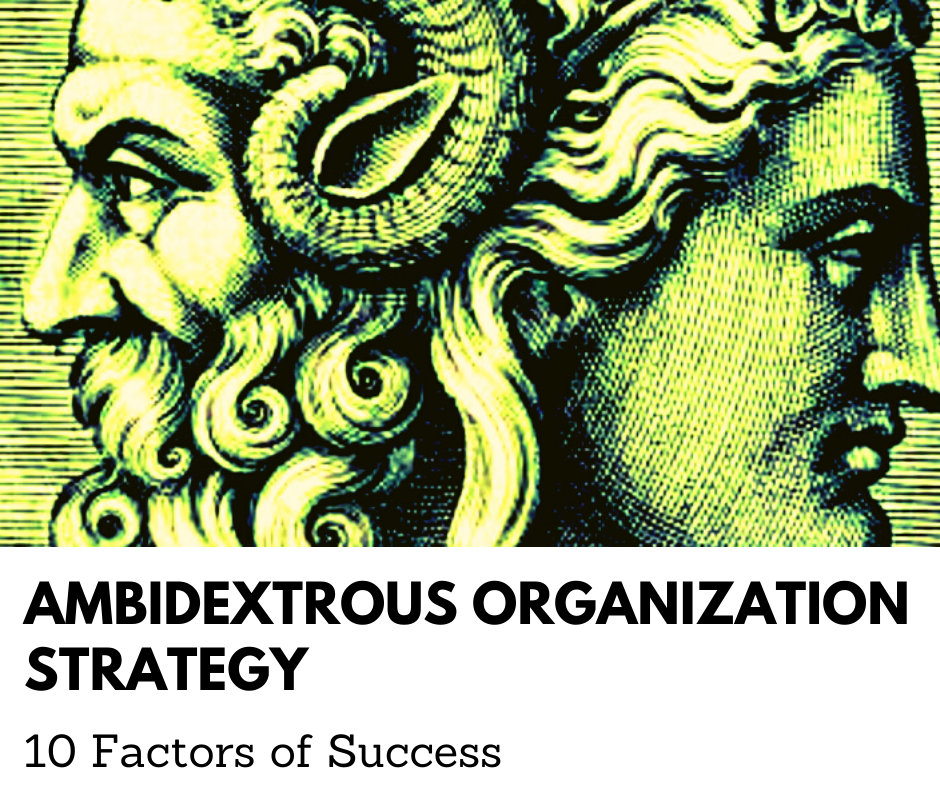 Ambidextrous Organization Strategy: 10 Factors of Success
Building an Ambidextrous Organization is one of the best strategic answers to digital market disruption, yet corporations around the globe struggle to implement it successfully. Learning from case studies of traditional banks setting up digital-only subsidiaries I am sharing 10 factors of success delivering the Ambidextrous Organization Strategy!
Allocate Over USD 1 Billion Over 7+ Years Into Your Digital Unit
#1 Factor of Success
Building a successful and profitable digital-only unit is very expensive and slow. Case studies in banking show that total investment has to be over USD 1 BN and minimum 7 years have to pass to break even. Corporate decision makers around the world typically underestimate the strategic magnitude and duration of this "project" by one magnitude.
Make Sure Functional Areas are Present in Both Units Separately and Independently
#2 Factor of Success
After 50 years of massive mantra in mainstream management-literature of 'getting rid of redundancies' and 'have only and exactly one of each functional area in your organization' it is hard to cut your company into two horizontal units and duplicate every functional area. Yet this is the winning formula. A marketing department in your 'Business as Usual' Unit and a totally separate and independent marketing department in your 'Emerging Business' unit. And the same with HR, IT, Procurement, Legal, Compliance, Sales, R&D, etc.
Manage Inter-Unit Conflicts Proactively
#3 Factor of Success
There are constant conflicts between the units. The Top Management of your organization must manage these inter-unit conflicts consciously and proactively. When USA Today set an 'internet journalism' unit up in the early 2000s the traditional journalists of the Business as Usual print unit were furious and claimed what the new unit is doing has nothing to do with what they call 'journalism'. Banks and other corporations setting up Emerging Business Units have to cross finance these heavily and over the course of many years from the profit of Business and Usual. This heavy and persistent one way street style, asymmetric cross financing between the units causes virulent conflicts which the top management has to proactively manage.
Create and Tell Your Crystal Clear Strategic Narrative
#4 Factor of Success
Even the most practiced shareholders often have a hard time to understand 'why' you - the CEO - decide to create and Ambidextrous Organization. You have to have a very smart, honest, confident and balanced, public and open, sophisticated and simple Strategic Narrative to explain it. To explain it to: the board, to your colleagues, to the mid-management, to operative employees, to the shareholders, to clients, to potential clients, to the media, to the wider public, to vendors, to business partners, to suppliers and yes, even to competitors 'why' you are doing this. In order to do this successfully and build your first class strategic narrative you must be very familiar with the April 2004 article of Charles A. O'Reilly and Michael L. Tushman in Harvard Business Review (HBR) titled 'The Ambidextrous Organization'.
Define Different KPIs for Different Units
#5 Factor of Success
Business as Usual and Emerging Business have different tactical objectives. Therefore they need to have different KPIs (Key Performance Indicators). For Business as Usual profitability, CIR (Cost to Income Ratio), ROI and some other well known metrics are adequate. Yet, for Emerging Business these metrics are meaningless and even misleading in the first years. Number of Millennial and GEN Z users or number of clicks to onboard would be much more meaningful KPIs. This is how Emirates NBD - the market-leading retail bank in the United Arab Emirates - differentiates KPIs between its core business the digital-only banking unit set up in February 2017 under the brand name 'Liv'.
Cherish Cross-Cannibalization Between Units
#6 Factor of Success
"What if some clients go from the old unit to the new one? We are cannibalizing ourselves!" I hear this line of thought very often from senior decision makers in banking, They intend to ue this as an argument against the ambidextrous structure. Thinking about it deeper it is quite apparent that this in fact is an argument pro ambidexterity. As a smart CEO from a major bank put it: "I want to make our bank the company which disrupts us." Make no mistake: Cannibalization between units is in fact the sign of loud success and meaningful transition.
Avoid Stigma of Failure in Emerging Business
#7 Factor of Success
Fail often and fail fast. This is the new 'modus vivendi' (Latin phrase that means "mode of living" or "way of life") at times of disruption and market inflexion. Intel has set a New Business Unit up in an ambidextrous manner. Only 5 of their 48 projects in this unit succeeded. Avoid stigma of failure in your emerging business unit. Use pretotyping as a product-development method. (In a later Blog here in Thinkers 360 I will write about 'pretotyping'.)
Stretch the Brand as Far as You Wish
#8 Factor of Success
Go with the flow when it comes to branding your Emerging Business Unit. There are different schools here among consultants, pundits, advisors, executives, business schools and marketing gurus. Guess what? Empiric observations show that:
A. Using your original brand;
B. Using a new brand but with similar colors, shapes and characteristics as the original;
C. Using the original brand but with different colors;
D. Using a totally new brand with totally different characteristics but referring back to the old one such as 'Liv by Emirates NBD';
E. Using a totally independent brand without linking it to ypur Business as Usual.
are equally efficient and good. Do not get stuck with making meticulous arguments for or against one of the above. This will not be a strategic factor.
(*Empiric observations refer to my observations of dozens of case studies of banks and other financial services providers going ambidextrous.)
Keep Your Senior Team Perfectly Intact
#9 Factor of Success
While the two units have to be horizontally independent, they are connected by the senior management. Keeping the top management intact and impartially open towards supporting both units is key. Avoid the situation when Organizational Ambidexterity directly or indirectly divides your senior team. The philosophy of 'Divide et impera' was great for Caesar, but we are now 22 centuries ahead.
Harness Your Past to Build Your Future
#10 Factor of Success
You past, your traditions, your incumbent position, your existing clientele are key resources to win your transition into your future. It is a mystery and a conundrum to me why - even some great - leaders often perceive the past of their company as something to cancel, delete, forget, unlearn, reverse and minimise. There is continuity between your company's past and future even if there is discontinuity and disruption on a market, industry and technology level. One of the beauties of The Ambidextrous Organization Strategy is that this strategy honors your existing business and uses it as a resource to build your future.
The Ambidextrous Organization Strategy is a powerful tool to make your company a winner of disruption! Yet many leaders fail to implement it the right way. Consider my '10 Factors of Success' and see you in the 22nd Century!
Tags: Digital Transformation, FinTech, Business Strategy
 Consulting on Digital Transition in Banking
Location: London, Global Fees: 2000 per day
Service Type: Service Offered
 Risk Management in the Age of FinTech Training Program
Location: Johannesburg, South Africa (online, global) Date : December 01, 2021 - December 03, 2021 Organizer: Masterclass Events South Africa and Banking Reports London