
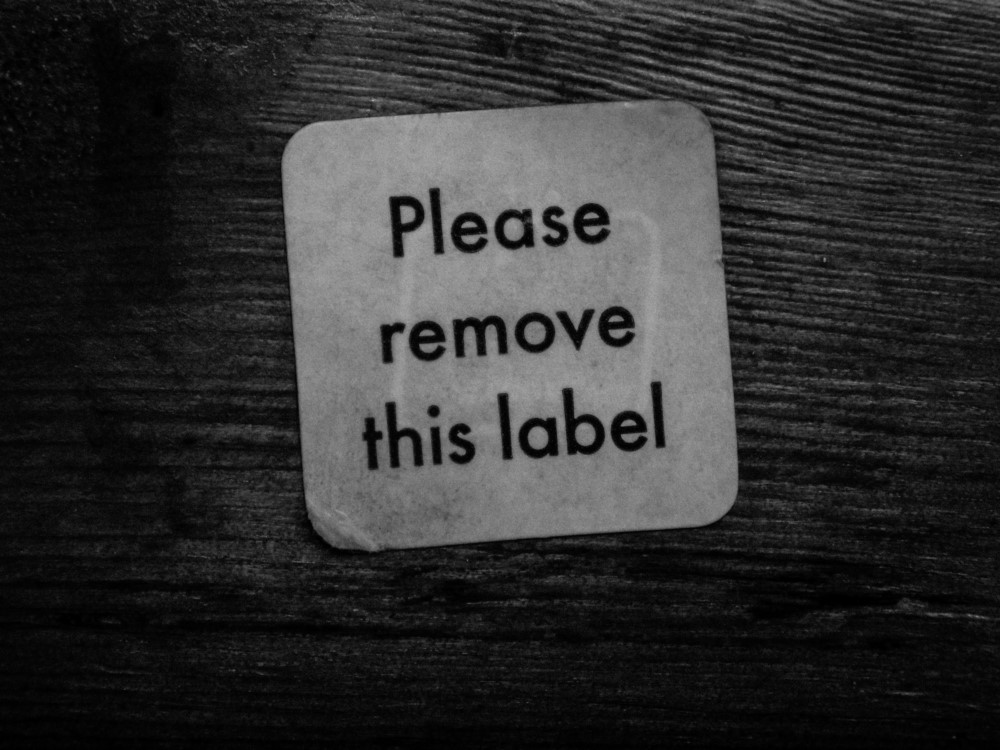
I was halfway through a course of radiotherapy when a friend took me for coffee. I could see the questions lined up behind his eyes. How was the treatment going? Was I sleeping? What had the consultant said? He meant them all kindly. Before he could start, I leaned across the table and said, Please, can we just talk about something normal? Tell me about your week. Tell me what’s annoying you. I want to hear about last week's dinner disaster.
So he told me about last week's breakfast, with burnt toast and some mouldy jam. We laughed more in that hour than I had for weeks.
That conversation taught me something I thought I already knew. When someone receives a diagnosis, whether cancer, depression, diabetes or dementia, there is a quiet danger that the diagnosis begins to swallow the person. It becomes the first thing people ask about and, slowly, the only thing. The label moves to the front of the queue, and the person slips further back.
Scripture will not let us settle for that. Before a doctor ever wrote a word in your notes, God had already written something about you. “Before I formed you in the womb I knew you, before you were born I set you apart” (Jeremiah 1:5). Notice the order. Knowing comes before forming. Identity comes before circumstance. Your diagnosis may describe your body or your mind, but it does not get to tell you who you are. That privilege belongs to the One who made you.
Paul puts it beautifully. “If anyone is in Christ, the new creation has come: the old has gone, the new is here!” (2 Corinthians 5:17). He does not say the healthy are new creations and everyone else is a project awaiting repair. You are a son or a daughter of the King on the good days and the hard days alike. You are loved on scan day. You are loved in the waiting room. You are loved whatever the results say.
See how Jesus treated people. Blind Bartimaeus sat by the road, known by everyone for what he could not do. Yet Jesus stopped and asked him a question, “What do you want me to do for you?” (Mark 10:51). He spoke to the man, not the diagnosis. He gave him the dignity of choice. The woman who had been bleeding for twelve years was healed, but Jesus did not let her slip away as a medical case. He called her “Daughter” (Mark 5:34). That one word restored more than her health. It restored her belonging.
Here is the challenge for anyone walking alongside someone unwell. Friends and family sometimes do not know what to ask. It could be talking about the football, the new coffee shop, the grandchildren, the price of petrol or Saturday’s weather. It means remembering that your friend still has opinions, a sense of humour, a favourite biscuit, and a calling from God. Constant questions about treatment, however well-meant, can leave a person feeling like a patient everywhere they go. Ordinary conversation tells them something precious. You are still you, and I still enjoy your company.
That does not mean we never ask. Sometimes people need to unburden their hearts, and we must listen well. The skill is in letting them lead. A simple “Do you want to talk about it, or would you rather talk about anything else?” can be one of the kindest sentences you ever say.
If you are the one carrying the diagnosis, hear this from someone who has sat in that chair. You are allowed to change the subject. That is not denial. It is a declaration that your life is bigger than your illness. Your gifts have not been cancelled. Your purpose has not been put on hold. God is still speaking to you, still using you and still delighting in you.
For those of us who lead, whether in a church, a boardroom or a family, this matters. People are watching how we treat the colleague who is off sick or the volunteer back from surgery. Know them by name, not by condition. Let prayer for healing sit comfortably alongside laughter about burnt toast.
Your diagnosis is something you have. It is not who you are. Who you are was settled at the cross.
Let me know a conversation you would like to have; happy to chat about life, a crisis or how the grass is still brown. Lets have that conversation.