Nov18

An innovation team asks AI to turn a rough idea into a pitch. In seconds, it has a catchy name, three benefits and a confident case for investment.
Then a manager asks, “Which customer told you they needed this?”
That’s when you find out who owns the idea.
Imagine a team proposing a dashboard to help factory supervisors respond faster to equipment faults. The AI-written pitch promises less downtime and better coordination. It sounds plausible. Then the team spends a morning on the factory floor and discovers that supervisors already see the alerts. The delay comes at shift change, when the incoming supervisor has to chase colleagues to find out what’s already been done.
That discovery changes the idea. A simple handover tool might solve the problem. The team can sketch one, take it back to both shifts and ask the supervisors to walk through a recent fault with it. Watching where they hesitate or reach for their usual notes tells the team what to improve.
The people presenting that revised idea can explain where it came from, why it changed and what they still need to learn. That’s what owning an idea looks like.
In the FORTH Innovation Method, we ask teams to meet customers before generating ideas and go back to them to test their concepts. I like to start with a question about a real experience. “Tell me about the last time this happened” usually gets you further than “Would you use this?”
When someone takes you through a specific incident, you can ask where they lost time, who they called for help and what workaround they came up with. If you can observe them doing the work, even better. A spreadsheet kept open all day or a handwritten note passed between shifts may tell you more about the problem than a meeting room full of opinions.
When you return with a concept, give customers something they can react to. A sketch is often enough. Ask them to show you how they would use it in the situation they described. Then listen for what they would still have to do themselves. That’s often where the next improvement comes from.
AI can help at every stage. Before an interview, ask it to spot leading questions in your discussion guide. When you have a concept, ask it to play a sceptical customer or challenge your assumptions. Before you pitch, ask it to identify claims that need evidence.
If AI raises the possibility that a handover tool might feel like extra admin, take that question to the people who would use it. Let them try the sketch during a handover. See whether it saves a conversation, adds a step or leaves someone with the same unanswered question. Your team can then decide what to change and explain why.
Before asking management for a budget, I’d give every member of the innovation team the same question.
What did we learn from customers that made us change our minds?
A good answer is specific enough to picture. “We went in thinking supervisors needed faster alerts. We watched two shift handovers and saw that the incoming supervisors could see the fault but couldn’t tell what their colleagues had tried. So we tested a way to pass that information on.”
That’s the part of the pitch I’d want to hear. The team that can tell that story is ready to own the idea.
Explore the FORTH Innovation Method
#AIInnovation #InnovationManagement #CustomerExploration #IdeaValidation #FORTHInnovationMethod
Keywords: AI, Design Thinking, Innovation
Who Owns the Idea When AI Writes the Pitch? The Cascading Cyber Crisis: When AI-Accelerated Attacks and Digital Failures Threaten Our Connected World
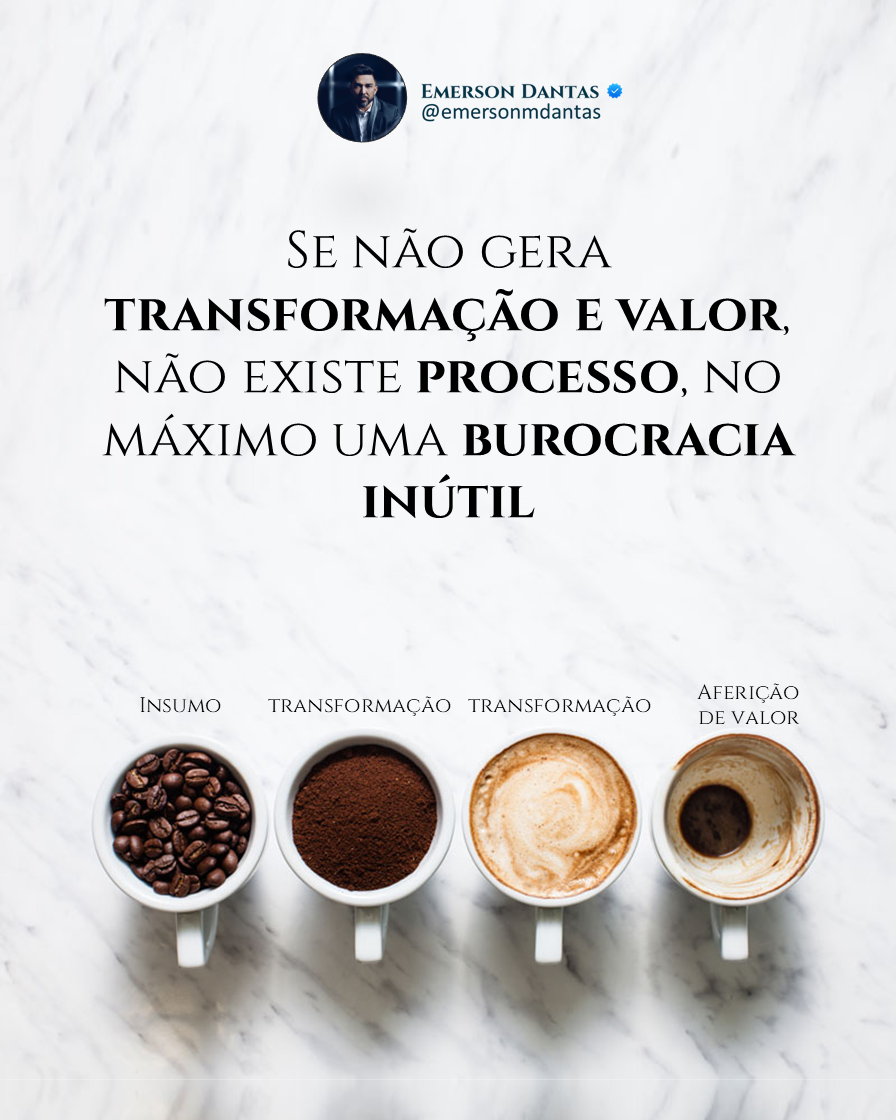 Sua empresa tem processos que geram valor ou apenas fluxogramas bem desenhados?
 Coaching that raises capability compounds results beyond your span
 The Trenches and the Castle: When Leadership Chooses Approval Over Loyalty