
Oct28
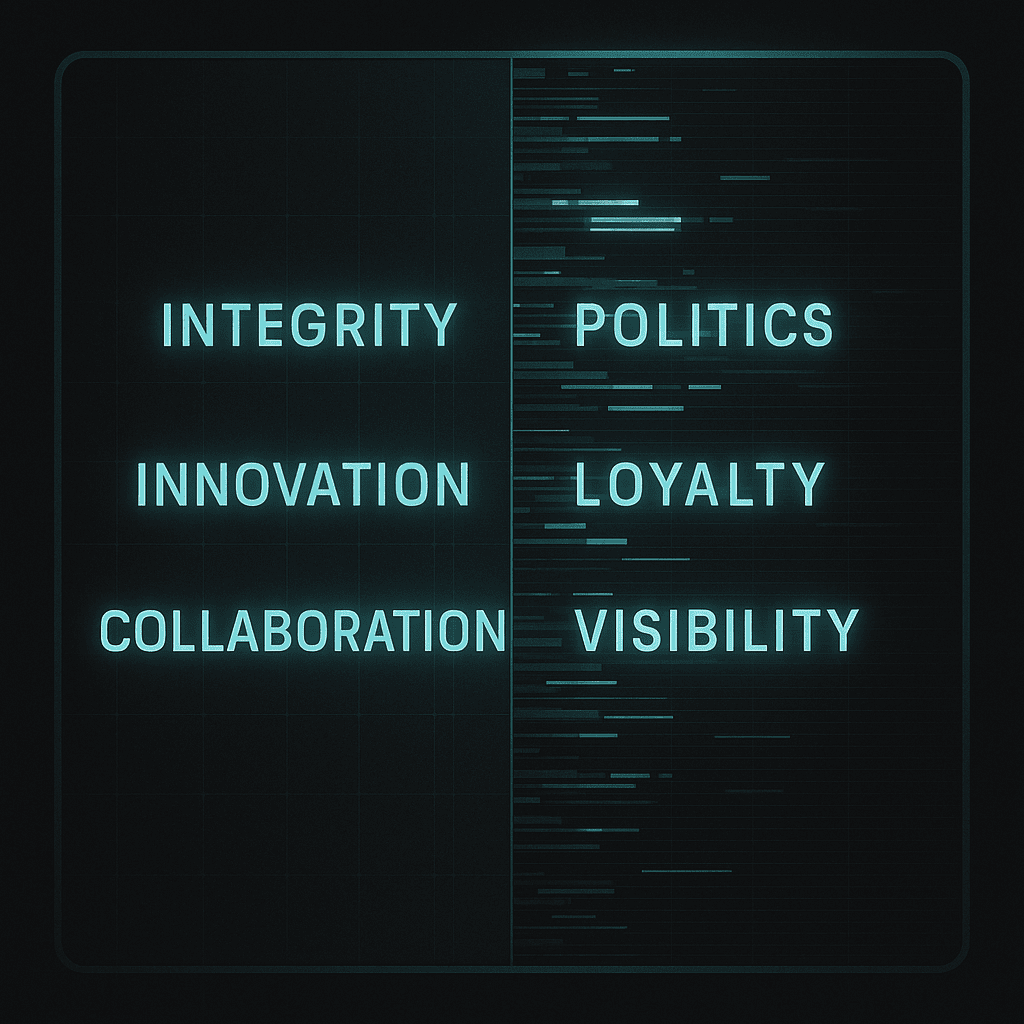
In most organizations, leadership conversations revolve around values.
Integrity. Collaboration. Innovation.
They’re beautifully framed, repeated in every strategy deck, and sometimes even printed on walls.
But the real culture isn’t written there.
It’s encoded in what the system rewards.
Every company has two economies:
The spoken one - made of stated values and policies.
The silent one - made of rewards, recognition, and consequences.
When these two fall out of sync, a Reward Rift opens up.
People stop listening to what leaders say and start decoding what the system signals.
A promotion for “loyalty” over competence tells the team that alignment matters more than performance.
A high-visibility project rewarded for presentation polish rather than impact tells everyone that perception trumps progress.
An employee who raises uncomfortable truths but gets sidelined learns that silence, not courage, ensures survival.
No one sets out to design this gap.
It forms slowly - decision by decision, quarter by quarter, until the organization’s stated values become background noise.
Consider a common example: promotion decisions.
You announce that innovation is a core value.
But the person promoted is the one who plays it safe, avoids failure, and never challenges the status quo.
The message received? Stability matters more than experimentation.
Culture shifts not when people disobey leadership, but when they start obeying the wrong signals.
It’s not cynicism that drives disengagement.
It’s pattern recognition.
Most leaders don’t notice misaligned signals because systems look healthy on paper. KPIs are green. Surveys are positive.
But signals are felt, not measured.
Employees see who gets promoted, who gets access, whose mistakes are forgiven, whose ideas travel.
These micro-signals compound into cultural memory.
And that memory eventually overpowers any speech about transformation or values.
By the time leaders sense the erosion, it’s already embedded in how people think, speak, and decide.
Organizations often respond by rebranding values, launching culture initiatives, or running leadership programs.
But you can’t fix a Reward Rift with communication.
You fix it with alignment - when what’s rewarded, recognized, and repeated truly reflects what’s said.
Ask any employee what gets people ahead in their company.
Their answer.. spoken or not - is the culture.
If your systems promote the opposite of your slogans, people will always follow the system.
Because systems are consistent. Slogans aren’t.
Repairing a Reward Rift doesn’t require new values.
It requires honest audits of the invisible economy inside your organization:
Who gets promoted, and why?
What behaviors are quietly protected or excused?
What’s celebrated most - activity or impact?
Until leaders can answer these questions with clarity and courage, culture will remain an accidental byproduct of convenience.
The organizations that thrive aren’t the ones with the best messages.
They’re the ones whose signals match their promises, where rewards tell the same story the values claim to.
Because in the end, systems always speak louder than leaders.
Keywords: Leadership, Change Management, Transformation
 AI Is Exposing the Data Problems Humans Used to Hide
 "The AI may in fact be conscious." Really?
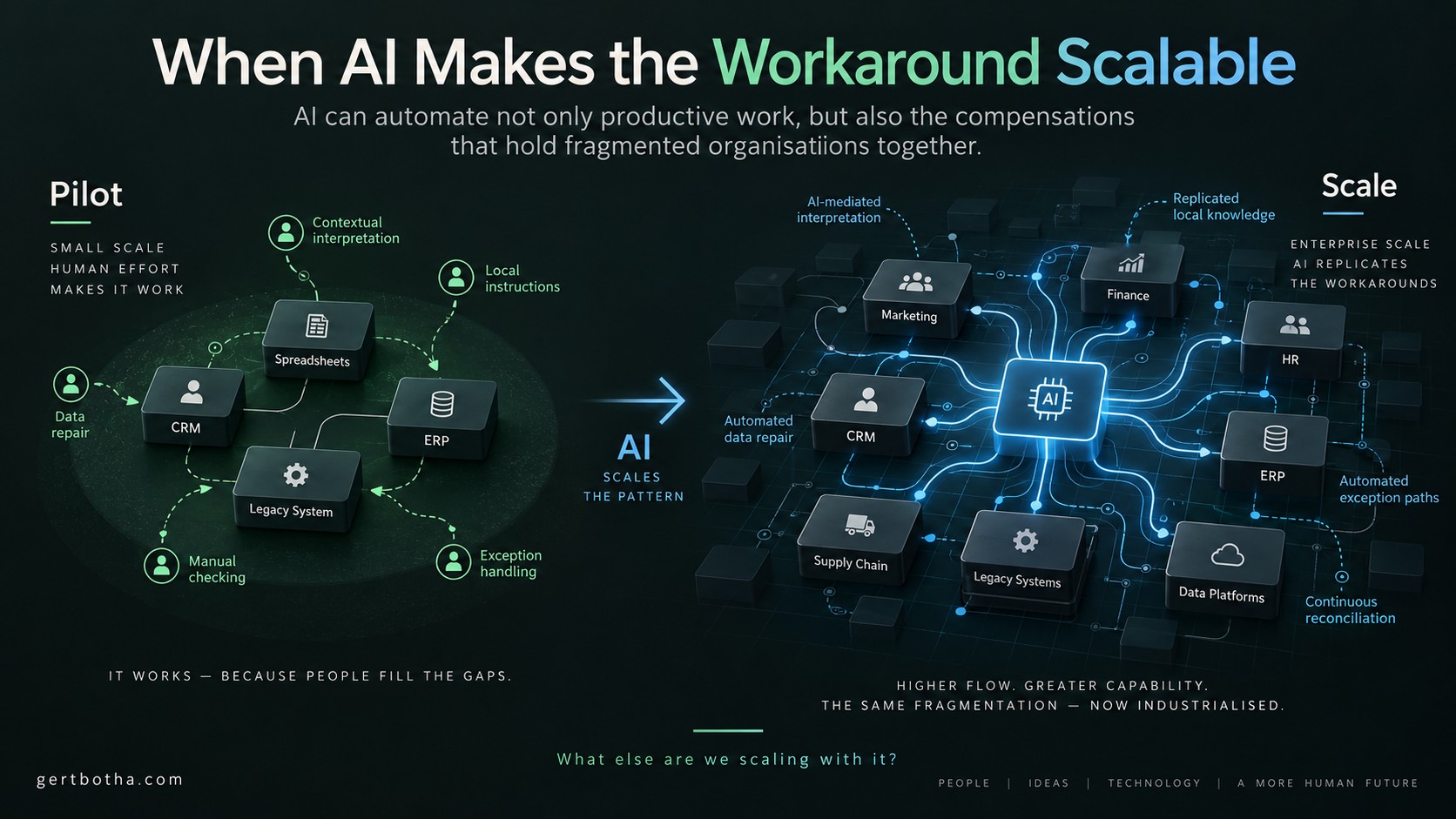 When AI Makes the Workaround Scalable
 The Age of Continuous Shocks: Why the coming downturn will be decided in your supply chain
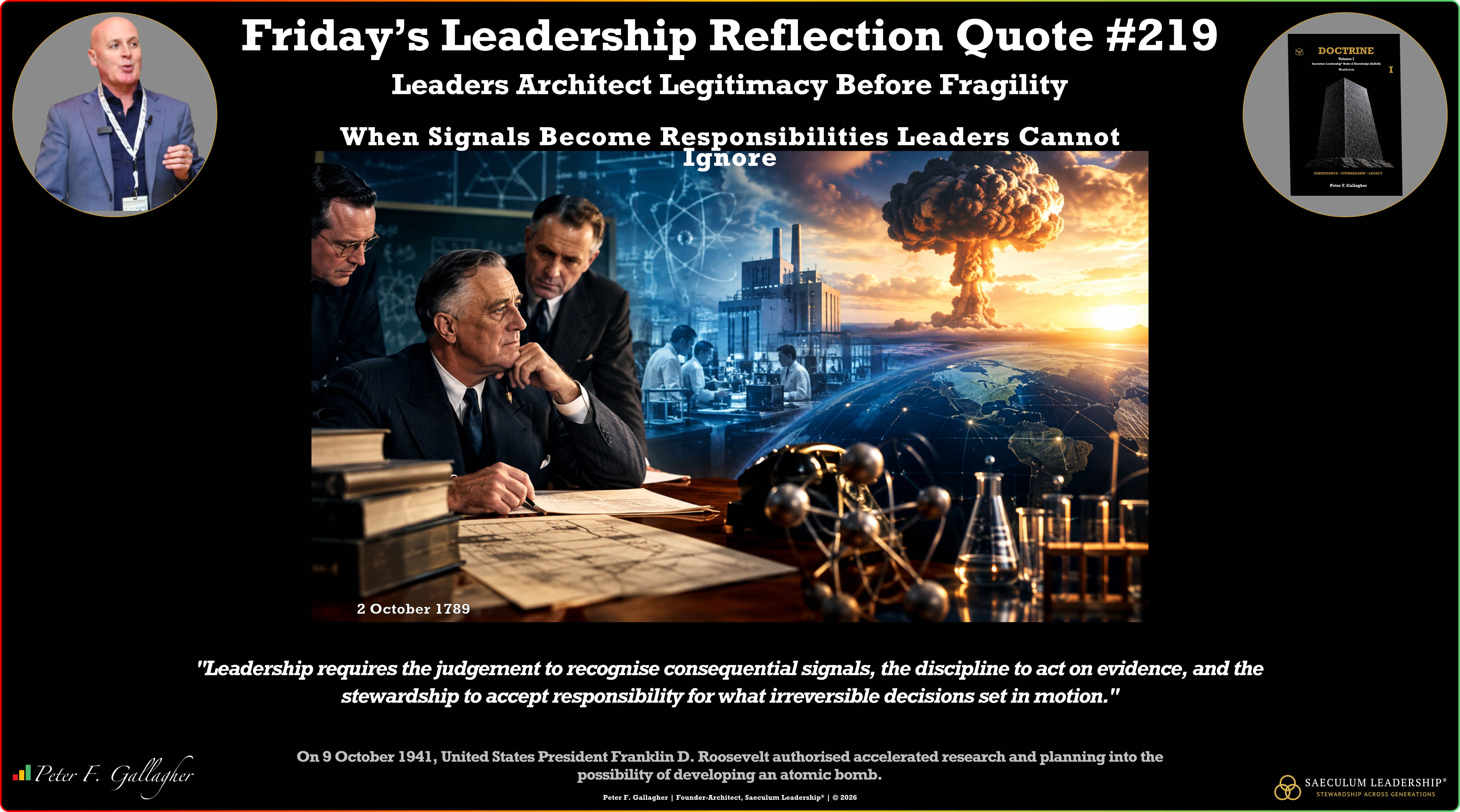 Friday’s Leader Reflection Quote – Saeculum Leadership Leaders Accept Decisions Create Responsibilities